
Reviewed · SEOUL COOKING & KIMCHI CLASSES
Yun Korean Cooking Class in Seoul
Cooking dinner in Seoul feels like a cheat code. You learn Korean dishes step-by-step with Chef Yun, plus you get to wear hanbok and take part in a meal you helped make. For me, the big draw is the combination of practical cooking and a genuinely homey setting in Yun’s K-food Lab.
I also like that the class focuses on recipes you can actually repeat later, not just something you eat on the spot. The experience includes tasting the food at the end, and in the process you’ll get plenty of chances to try more than only what’s on your plate.
One consideration: at $86 per person for about 2.5 hours, it’s a strong pick if you want instruction plus the hanbok experience, but it may feel steep if you’re only chasing a quick, casual snack.
Key highlights worth planning around
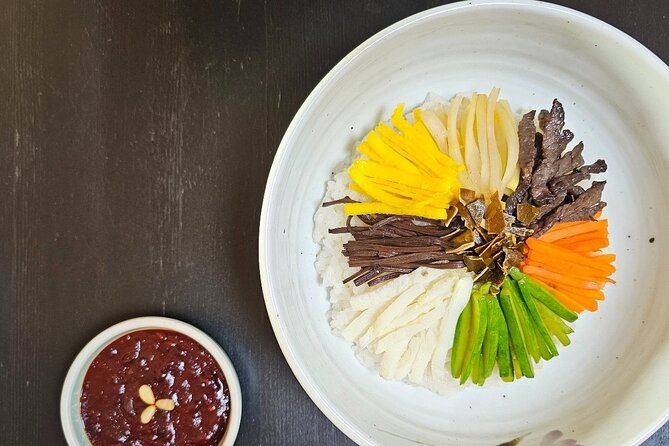
- Chef Yun guides the cooking step-by-step, with culture and food tips folded into the lesson
- Hanbok is part of the experience, adding easy photo moments and a fun Korean tradition
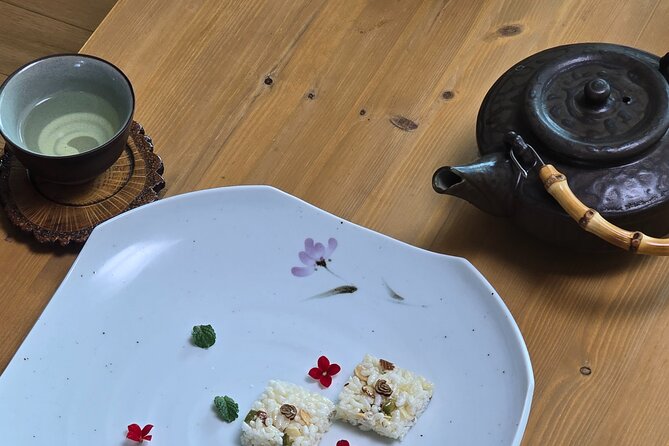
- You eat what you make, and you also get extra dishes to try
- Recipes are simple enough to do at home, so the class doesn’t end when you leave
- Private group format, meaning the pace and questions can stay more personal
- Pickup is offered, and the meeting spot is near public transportation for easier logistics
A Korean cooking class in Seoul, built for real follow-up
If you like the idea of bringing home more than photos, this class fits. The structure is designed around making traditional Korean dishes with clear guidance, then leaving with recipes you can try again. That matters in Seoul, because it’s easy to book something fun that you never reproduce later.
The “why this works” part is the focus on simple, workable recipes. One review specifically praised that the dishes were easy enough to cook at home, and that is exactly what I look for in a paid experience like this. You’re not just paying for an hour in a kitchen, you’re paying to learn a process you can repeat.
Another thing I appreciate is the tone: the class frames Korean food as both flavorful and tied to health benefits. You might not get a lecture-heavy vibe, but you do get the cultural and ingredient context that makes the cooking steps make sense instead of feeling random.
A few more Seoul tours and experiences worth a look

Chef Yun’s step-by-step teaching (and how it helps you)
Chef Yun’s approach is practical. You’re guided through making authentic dishes, and you’re not expected to already know Korean cooking techniques or Korean kitchen timing. That step-by-step method is the difference between cooking class success and cooking class stress.
I also like how the lesson includes “little tips” along the way. The best cooking classes do that quietly, with real-world advice that saves you from common mistakes. Even if you’re not doing anything complicated, those small corrections add up, and they help you taste the difference between good food and great food.
The class also takes time to share stories and traditions tied to Korean cuisine. You’ll get context for what you’re making and why it belongs in Korean food culture. That turns the experience from a one-time activity into something you can understand and remember when you’re cooking at home.
Hanbok time: fun tradition and easy photo value
One of the most enjoyable parts is the chance to wear hanbok. It’s not just a costume moment, either. It adds a cultural layer to the day so you’re participating in a tradition, not just observing it.
And yes, it’s photogenic. But I’d frame it as more than photos. When you’re in a hanbok, you tend to slow down. You get into the mood of the experience, and that makes the cooking lesson feel more like a Korean evening with a host, instead of a generic food workshop.
If you care about photos, this is one of the few cooking classes that builds in a clear cultural visual component. If you don’t care about photos, you’ll still likely enjoy the small ceremony feeling, because it sets the stage for the meal and the lesson to come.
What you actually do during the 2 hours 30 minutes
The scheduled window is about 2 hours 30 minutes, running from 4:30 PM to 7:00 PM on Tuesday through Sunday. That evening timing is ideal for two reasons. First, you’ll leave satisfied since you’re eating what you prepare. Second, it’s a nice way to turn the early night into something interactive without burning the whole day.
Here’s what the flow generally supports based on how the class is described:
You start by meeting at the location in Magok-dong, Gangseo-gu. Then you jump into the cooking lesson with Chef Yun’s step-by-step guidance. As you cook, you get small tips and cultural context tied to the dishes you’re making.
At some point you’ll wear hanbok for the tradition and the photo moments. After the cooking, you sit down to eat the meal you prepared. Importantly, the experience also includes additional dishes to try, not just your own portion, which makes the table feel more like a shared Korean home meal.
That “eat your own dishes plus more to taste” detail is a big deal. Many classes end with a single plate and you never get to compare variations. Here, you get extra samples, which helps you understand flavors beyond your own pot and pan.
Eating in a lovely home setting, not a rushed classroom
One of the most praised aspects is how friendly and welcoming the setting feels. Reviews highlight a lovely home atmosphere, and the overall impression is that you’re treated with care, not rushed through a checklist.
I also like the specific outcome: you eat what you make, and you get plenty of other dishes to try. That means the meal isn’t just a reward, it’s also part of learning. By tasting multiple dishes, you can better connect the steps to the finished flavors, even if you’re still learning the basics.
The class is also described as warm, with a focus on sharing flavors, stories, and even health benefits. That kind of tone matters. Korean food has layers, and when a guide explains with warmth, it’s easier to remember what to do next time.



Price and value: why $86 per person might make sense
Let’s talk money, plainly. The price is $86 per person for roughly 2.5 hours. That can sound high if you’re only interested in a single dish and a quick meal.
But value here comes from several bundled elements:
- Hands-on instruction from Chef Yun, step-by-step, not just watching
- Recipes you can reproduce at home, so your learning continues after the class
- Hanbok as part of the experience
- A full meal experience, where you eat what you make and also try other dishes
So the decision is less about “Is it cheap?” and more about “Do you want a Korean cooking lesson that turns into a skill?” If you like the idea of cooking Korean food again on a normal weeknight, the price starts to look reasonable.
Also, average booking timing is about 37 days in advance. That doesn’t guarantee sellouts every day, but it does suggest this is not a last-minute activity you want to gamble on if your schedule is tight.
Meeting point, pickup, and private group logistics
The meeting point is 771-3 Magok-dong, Gangseo-gu, Seoul, South Korea. The activity ends back at the meeting point, which keeps the evening simple. Pickup is offered, which can make a big difference in Seoul where travel times can wobble depending on where you’re staying.
This is also a private tour/activity, meaning only your group participates. For a cooking class, that’s a practical upgrade. You tend to get more direct interaction, fewer waiting gaps, and more comfort asking questions while you’re cooking.
The class is near public transportation, and service animals are allowed, both useful details if your planning needs flexibility. You’ll also use a mobile ticket, and you’ll receive confirmation at booking time.
Who this class is best for (and who should think twice)
This is a great fit if you:
- want a Korean cooking class in Seoul that gives you recipes you can actually cook later
- care about a cultural activity, not just food instructions
- like the idea of eating what you make, plus tasting other dishes at the table
- prefer a more personal vibe with a private group format
- want an evening plan from 4:30 PM to 7:00 PM that ends with dinner
You might think twice if you:
- are mainly looking for a bargain activity, and cooking instruction plus hanbok are not priorities
- prefer a longer class where you can master techniques over more time, since this is only about 2.5 hours
- need a daytime schedule, since the experience is listed for evenings (Tuesday through Sunday)
FAQ
Where is the cooking class meeting point?
The class meets at 771-3 Magok-dong, Gangseo-gu, Seoul, South Korea, and it ends back at the same meeting point.
How long is the Yun Korean Cooking Class?
The experience lasts about 2 hours 30 minutes.
What days and times does the class run?
It runs Tuesday through Sunday, from 4:30 PM to 7:00 PM.
Is pickup available?
Yes, pickup is offered.
Is this a private experience?
Yes, it is a private tour/activity, so only your group participates.
What is the cancellation policy?
You can cancel for a full refund if you cancel up to 24 hours in advance of the experience start time.
Should you book Yun Korean Cooking Class in Seoul?
I’d book it if you want a hands-on Korean cooking experience that feels like dinner at a caring home and leaves you with repeatable skills. The standout strengths are the step-by-step guidance, the simplicity of the recipes for cooking at home, and the fact that you eat what you make while also tasting additional dishes. Add in hanbok, and you get both a practical and a memorable cultural evening.
If you’re the kind of person who tries cooking classes, then never makes the food again, this might still be worth it here because the recipe focus is built for follow-through. Just make sure the timing works for you, since it’s set for evenings, and plan ahead since it’s commonly booked about a month out.
More Workshops & Classes in Seoul
More Tour Reviews in Seoul

Not for you? Here's more nearby things to do in Seoul we have reviewed


Seoul Cooking & Kimchi Classes, compared.
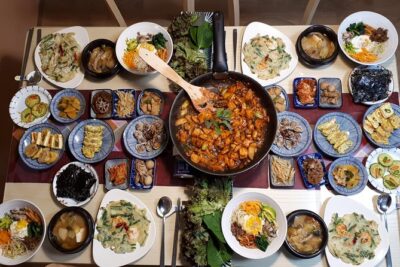 ★ 5.0Local Home Korean Cooking Class & Market Adventure in SeoulFrom $911,024 reviews
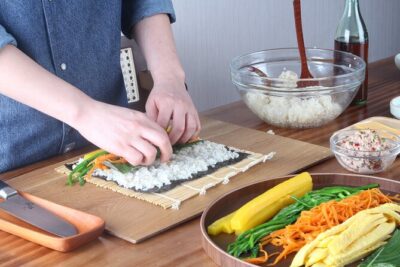 ★ 5.0Master Korean traditional cooking with a Kimchi chefFrom $85385 reviews
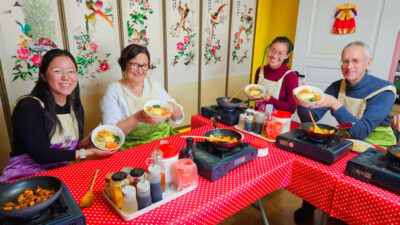 ★ 5.0Korean Cooking Class at a Local Home and Market TourFrom $98348 reviews
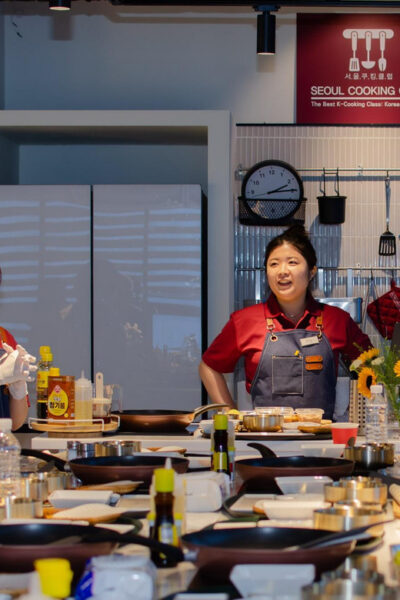 ★ 5.0Korean Cooking at Seoul Cooking Club!From $109311 reviews
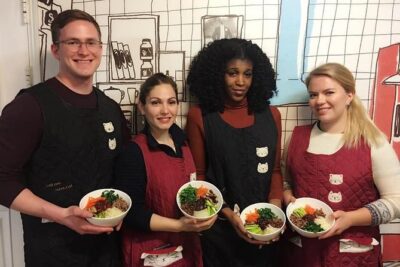 ★ 5.0Cook 3 Authentic Korean Dishes with Local Market TourFrom $79231 reviews
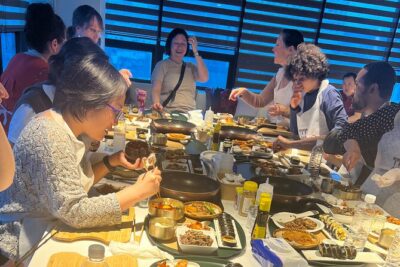 ★ 5.0Korean Cooking at Seoul Cooking ClubFrom $109220 reviews
Experience Korean Cooking in Modern Hanok KitchenFrom $87118 reviews
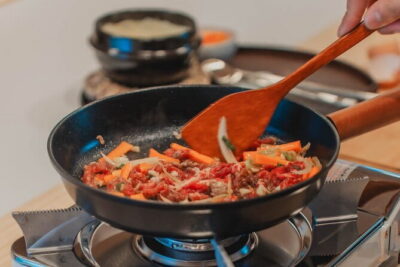 ★ 5.0Korean Cooking Class with Grocery Shopping at Seoul Local MarketFrom $91107 reviews
Browse the lists this tour appears in