
Reviewed · SEOUL COOKING & KIMCHI CLASSES
Korean Cooking Class with Grocery Shopping at Seoul Local Market
Mangwon Market turns groceries into culture. At Seoul Foodventure, you shop with Phoebe, a Gen Z Korean homemaker, in a real neighborhood market and pick ingredients for your meal. Mangwon Market is the star, not a staged stop.
I really like how small this class is, max 8 people, and how you get hands-on guidance for Bulgogi and Kimbap (plus steamed egg, Gyeran-jjim). The main thing to watch is timing, because if you’re more than 10 minutes late, you might miss the market portion.
Key highlights
- Mangwon Market, the day-to-day shopping scene you’ll actually recognize from locals’ routines
- Up to 8 people, so you can ask questions and cook at a normal pace
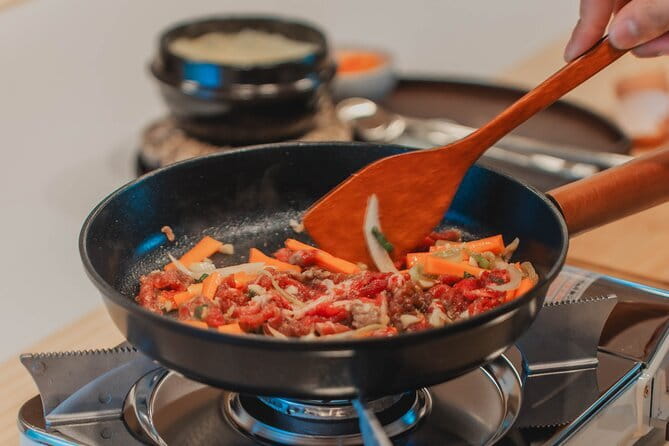
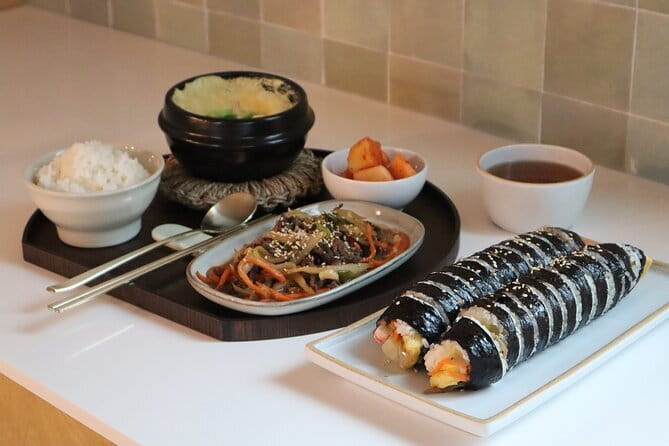
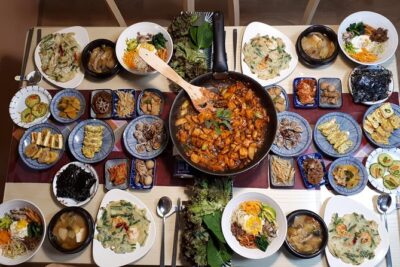
- Three Korean home staples: Bulgogi, Gyeran-jjim, and Kimbap
- Phoebe as your host and teacher, with lots of friendly food talk
- Studio cooking in a cozy setup, close to Mangwon station
- A Han River picnic idea for leftover Kimbap after class
Mangwon Market Shopping That Feels Like Real Seoul, Not a Performance
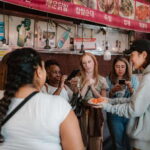
This is the kind of Seoul food experience I trust: you start in a working market, not a picture-perfect food hall. You meet at Seoul Foodventure, Mapo-gu (Mangwon-dong, 377-4, 4th floor), with a 10:30 am start. Then you head into Mangwon Market, a neighborhood market with more than 40 years of everyday shopping behind it.
What makes this work for you is the angle. You’re not just “seeing” a market. You’re learning how locals shop for dinner. That means you’ll pay attention to what to look for when you buy ingredients, and you’ll understand why the choices matter once you start cooking.
From the reviews, the market part stays practical and low pressure. The stalls and variety make it feel lively without turning into wall-to-wall chaos, which helps if you’re new to Korean groceries. You also get time for chatting during the process, so it doesn’t feel like you’re moving through checkpoints.
One practical note: the class expects punctuality. If you miss the early market tour, the whole flow changes. If you’re the type who likes a buffer, give yourself extra time around Mangwon station.
You can also read our reviews of more shopping tours in Seoul

Your Cooking Studio Setup Near Mangwon Station
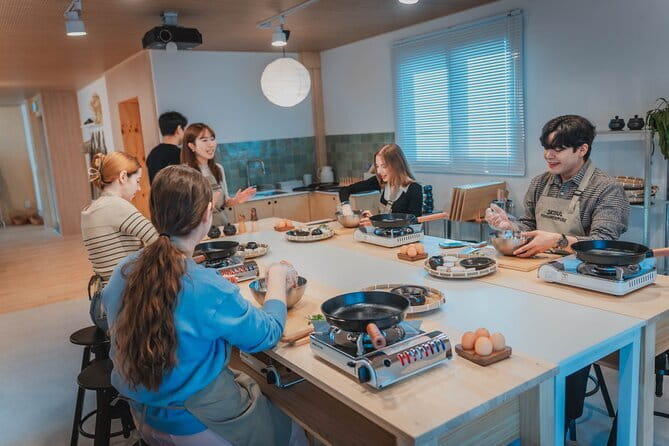
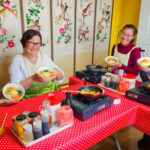
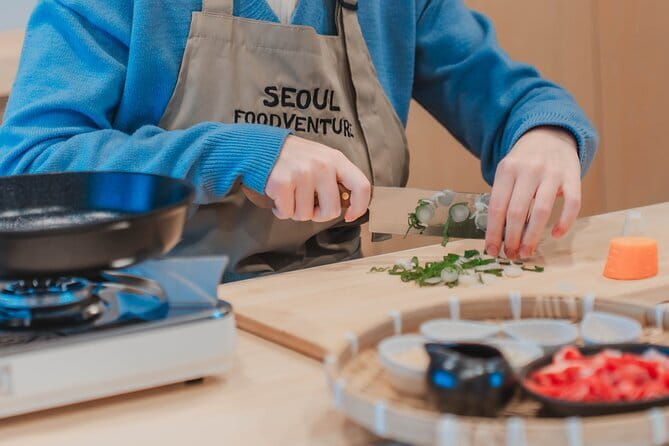
After shopping, you move to a cozy studio kitchen to cook your meal. The location is convenient, especially if you’re using public transport, and it’s close to Mangwon station. That matters more than you’d think. In Seoul, timing and transfers can be annoying. A class that starts and ends back at the meeting point, and stays easy to reach, lowers the friction.
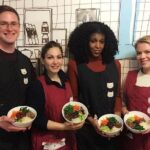
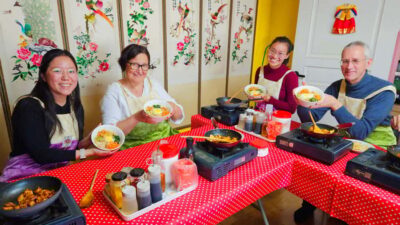
Inside the studio, the mood is simple and friendly. You’re not stuck watching someone else work. You’re cooking alongside the host and the small group. That small group size, max 8, is a big part of why this feels like a lesson rather than an assembly line.
The other thing I like here: you’re guided through multiple dishes in one session. It’s a nice way to build confidence. You’ll have a finished meal by the end, not just a few bites to sample.
The Three Dishes: Bulgogi, Gyeran-jjim, and Kimbap
This class teaches you three iconic dishes that show different sides of Korean home cooking. That variety is practical. It gives you more than one “skill” to take home.
Bulgogi: Marinated Beef You Can Think Through
Bulgogi is the dish most people have heard of, but it’s also one of the best to learn first because the technique shows up in a lot of Korean cooking. You’ll work with marinated beef, which helps you understand the logic of seasoning and flavor balance.
If you want a takeaway you can actually repeat later, Bulgogi is a solid choice. The dish is popular for a reason, and once you understand how the marinade works, you can adapt it for other proteins too.
Gyeran-jjim: Steamed Egg With a Soft, Comfort Style
Then you move to Gyeran-jjim, steamed egg. This dish is a good reality check for beginners. It’s not “just egg.” It’s gentle cooking that rewards patience and steady technique.
Steamed dishes can feel intimidating at first, but that’s exactly why it’s worth doing with a teacher in the room. Even if you never master it perfectly at home right away, you’ll leave with a clearer sense of what texture you’re aiming for.
A few more Seoul tours and experiences worth a look



Kimbap: The Build-and-Roll Skill for Korean-Style Meal Time
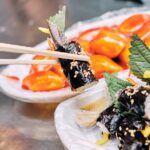
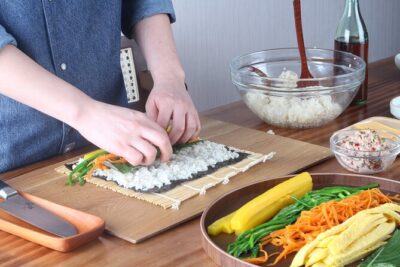
Kimbap is the fun, hands-on finish. It’s also the dish that makes the experience feel complete because you’ll be building something you can eat right away.
From the way the class is described, Kimbap is both a skill lesson and a cultural one. And it comes with a very useful suggestion: if you have leftovers, take them to the nearby Han River for a sunny picnic style meal. It’s a small detail, but it turns your class into a full half-day plan, not just a meal in a studio.
Why the Host Matters: Phoebe’s Teaching Style
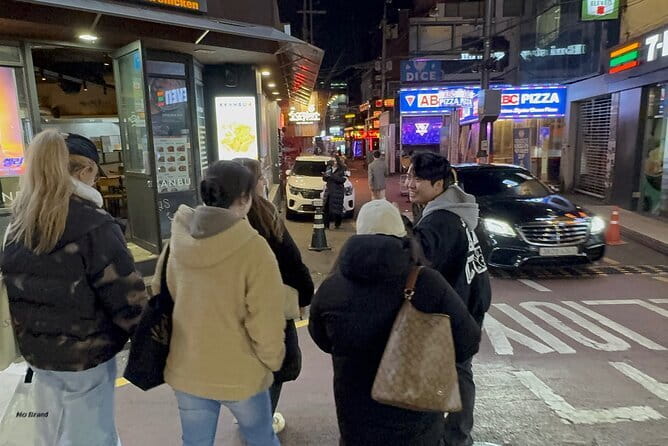
The energy in this class is shaped by the host. In the reviews, Phoebe (also called Sunghyun) gets praised for being patient and for explaining things step-by-step. That matters because Korean cooking often uses methods that are easy to mess up when you’re guessing.
What you want from a cooking class is clarity, not just entertainment. Phoebe’s style comes through as practical, and the teaching is paired with conversation. People specifically enjoyed chatting about Korean food and culture, which helps the cooking feel connected to real life.
Also, this is billed as a local, homemaker-led experience, not a high-pressure culinary school. That’s a good fit if you want to learn, but you don’t want to feel judged for not already knowing Korean ingredients.
Timing and Flow: What a 3-Hour Class Feels Like
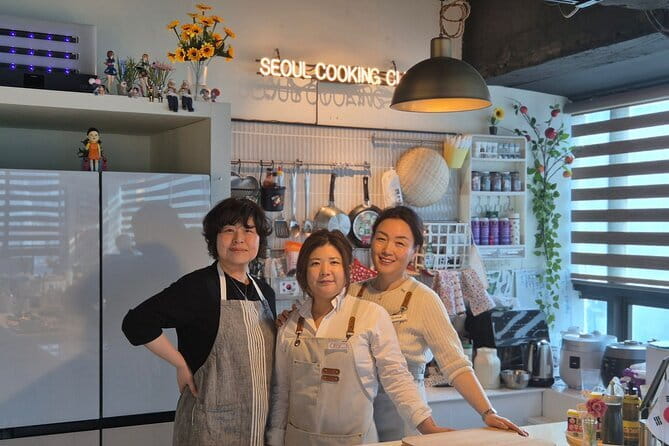
The total duration is about 3 hours, starting at 10:30 am. That gives you enough time for a market walk, grocery selection, prep, cooking, and sitting down to enjoy what you made.
Here’s how the flow typically makes sense for you:
1) You start with the market.
2) You prep in the studio.
3) You cook your three dishes.
4) You eat together, then you’re done and return to the meeting point.
The one hard edge is the punctuality rule. If you show up late, you may miss the market tour. With a market experience, the earlier segment matters because it sets up the ingredients and the cooking plan. So if your day includes other bookings nearby, keep a buffer.
Also, the class is capped at 8 travelers. In practice, that means you’re less likely to get stuck waiting for the whole group to finish the same step.
Price and Value: What $91.91 Buys You in Seoul
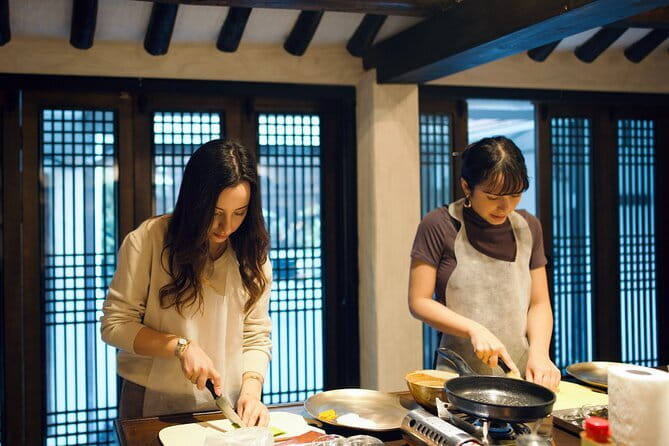
At $91.91 per person, this is not a budget street-food sampler. But it also isn’t trying to be a luxury tasting menu. For this price, you’re paying for a guided experience that combines two big parts: market shopping and hands-on cooking in a small group.
Value comes from the pairing. If you only did a market tour, you’d still be wondering how to translate ingredients into dinner. If you only did cooking, you’d miss the “why” behind the shopping choices. Doing both in one 3-hour session means you leave with actual meal confidence, not just photos.
It also helps that the reviews are extremely strong, with a 5-star average across 107 reviews and a 100% recommendation rate. When a class gets repeated praise for being fun, educational, and well hosted, that usually means the experience is running smoothly and people are leaving satisfied.
My practical take: if you want one “learn something” activity in Seoul that isn’t just watching, this is priced in a reasonable range for that goal.
Dietary Restrictions and Comfort Level for Beginners
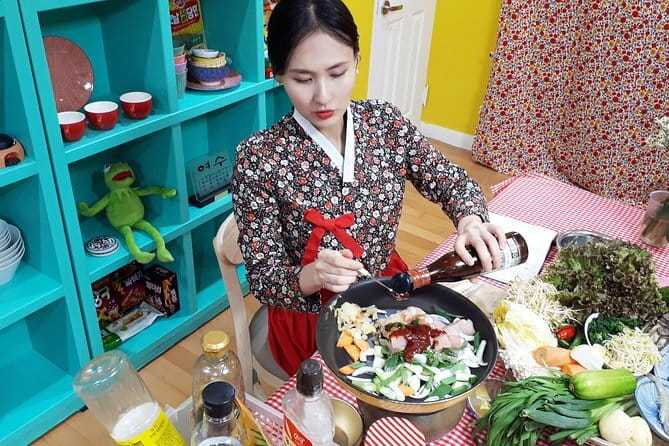
The class is described as welcoming for everyone, from seasoned cooks to complete beginners. That checks out with the style of instruction mentioned in reviews, like patient, detailed explanations.
If you have dietary restrictions, you need to tell the provider in advance. That’s the safest way to make sure you’re accommodated during both shopping and cooking.
If you’re a beginner, you’ll still likely be able to participate fully. A small-group setup and guided steps are designed for exactly that. Just come hungry and ready to do some real work, not just taste.
After-Class Bonus: Eat Leftover Kimbap by the Han River
One clever suggestion is to take leftover Kimbap to the Han River for a picnic. It’s an easy add-on because you’ll already have the food ready, and it turns your class into a mini Seoul moment.
Even if you don’t do the picnic, the fact that Kimbap is a portable, eat-anywhere dish is a practical win. It’s the kind of souvenir you can actually eat later, instead of a take-home snack that disappears on day one.
Who Should Book This Seoul Foodventure Class?
This is a great pick if you want:
- a local market experience you can understand, not just walk through
- hands-on cooking of dishes you’ll actually try again at home
- a small group setting where you can ask questions
- a host who explains Korean food in plain, human terms
It’s especially good for people who feel uneasy about DIY cooking in Korea. The market choices and the step-by-step cooking help you connect ingredients to technique.
If you’re someone who hates structured tours, this might feel more organized than you want, since the market and studio are part of a planned flow. But the small group size tends to keep it friendly rather than rigid.
Should You Book It?
Yes, I’d book this if your goal is learning Korean cooking with a real local market start. It hits the sweet spot: market context plus cooking confidence, all in about 3 hours.
Book it sooner rather than later. It’s commonly reserved around 21 days in advance on average, and small groups fill up faster when the class gets high ratings.
Skip it only if punctuality is hard for you. The 10-minute lateness rule for the market tour is the main drawback. If you’re confident you can be on time, this is a strong choice for a genuinely Seoul day of food.
FAQ
What time does the class start?
The class starts at 10:30 am.
How long is the cooking class?
It runs for about 3 hours.
How many people are in the group?
This activity has a maximum of 8 travelers.
What dishes will I learn to make?
You’ll prepare Bulgogi (marinated beef), Gyeran-jjim (steamed egg), and Kimbap.
Where do I meet for the tour?
The meeting point is Seoul Foodventure, 377-4 Mangwon-dong, 4th floor, Mapo-gu, Seoul, South Korea.
What if I have dietary restrictions?
Let the provider know in advance if you have any dietary restrictions.
Is there free cancellation?
Yes. You can cancel up to 24 hours in advance for a full refund. Changes made less than 24 hours before the start time are not accepted.
More Markets in Seoul
More Shopping Tours in Seoul
More Tour Reviews in Seoul




Not for you? Here's more nearby things to do in Seoul we have reviewed


Seoul Cooking & Kimchi Classes, compared.
 ★ 5.0Local Home Korean Cooking Class & Market Adventure in SeoulFrom $911,024 reviews
 ★ 5.0Master Korean traditional cooking with a Kimchi chefFrom $85385 reviews
 ★ 5.0Korean Cooking Class at a Local Home and Market TourFrom $98348 reviews
 ★ 5.0Korean Cooking at Seoul Cooking Club!From $109311 reviews
 ★ 5.0Cook 3 Authentic Korean Dishes with Local Market TourFrom $79231 reviews
 ★ 5.0Korean Cooking at Seoul Cooking ClubFrom $109220 reviews
Experience Korean Cooking in Modern Hanok KitchenFrom $87118 reviews
★ 5.0Korean Cooking at Seoul Cooking ClubFrom $109220 reviews
Experience Korean Cooking in Modern Hanok KitchenFrom $87118 reviews
 ★ 5.0Korean Kimchi Making Day Experience with a Local Market TourFrom $8999 reviews
Browse the lists this tour appears in