
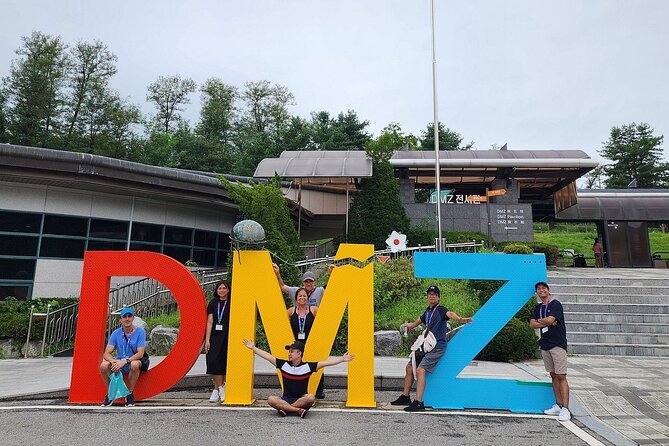
Reviewed · DMZ DAY TOURS FROM SEOUL
Thrilling Korean DMZ 3rd Tunnel Tour from Seoul + Red Bridge Rush
A trip to Korea’s DMZ feels unreal. You get guided access plus included entry, and the day is packed with real places like the Third Tunnel. The one catch: parts of it are physical, and schedules can shift for DMZ conditions.
I like how the tour is built for stress-free logistics, with downtown meeting options and transport that keeps the day moving. I also love the way the guide weaves history into each stop, which matters a lot when you are standing in a place built for conflict and control. A possible drawback is that the tunnel section and the optional Red Bridge walk can be tough if you are not used to steep, limited-time routes.
Key highlights worth planning around
- Third Tunnel time on the ground: the main event, with clear guidance on what you can and cannot do in the tunnel
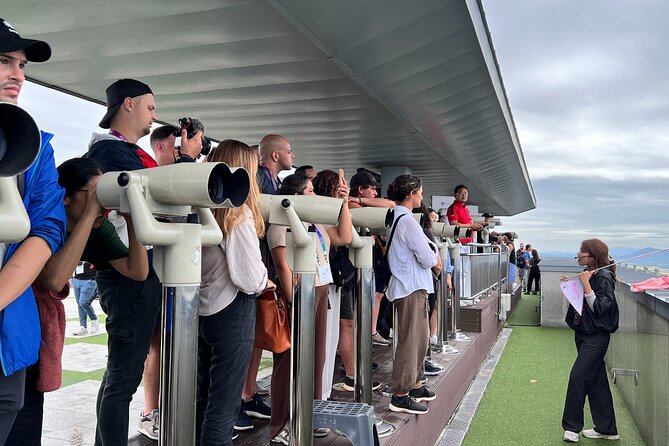
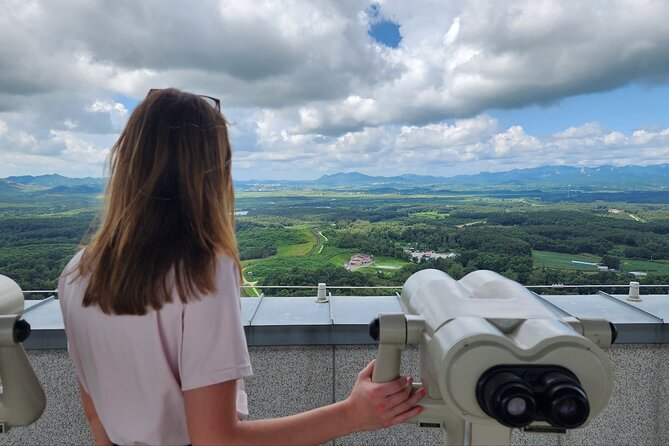
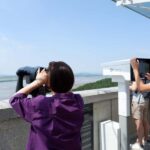
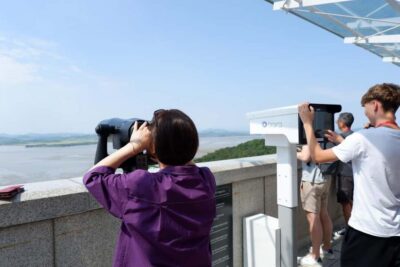
- Dora Observatory views: the closest big vantage point over North Korea you are likely to get on a day trip from Seoul
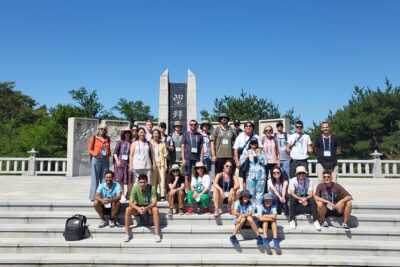
- Imjingak stops that add meaning: memorials and symbolic landmarks that turn a scary place into a human story
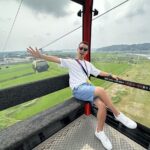
- Optional Paju Imjingak Peace Gondola: a newer cable car option for a different angle over the Imjin River and toward the Civilian Control Zone
- Optional Gamaksan Red Bridge: the uphill, narrow suspension bridge walk that many people remember more than they expected
- A fast, full-day schedule: you will cover a lot, but it is not a slow museum crawl
A 7.5-hour DMZ day with the 3rd Tunnel as the main draw
This is the kind of tour where the day starts in Seoul, then drops you into a border world that is usually closed off to ordinary visitors. Expect roughly 7.5 hours total, with a full guided circuit that balances memorial sites, viewpoints, and the signature “in the ground” experience of the Third Tunnel of Aggression.
The 3rd Tunnel visit is what makes this tour feel different from the more basic DMZ routes. Instead of only looking at the border from afar, you also go through a real subterranean structure created for infiltration planning. If you are the type who likes to understand history with your body doing the learning, you will probably get a stronger reaction here than at the typical photo-op stops.
That said, this is not a gentle sightseeing day. The tunnel route is described as strenuous in practical terms, and you should assume you will be walking on uneven ground and moving through tight, restricted space. Build your day around that reality, not around a perfect, easy pace.
You can also read our reviews of more tours and experiences in Seoul.
Getting to the DMZ from Seoul: pickups, meeting spots, and real-world timing
The logistics are designed to save you from Seoul subway chaos. You can meet at central stations, and there is also hotel pickup in the downtown area or from main subway stations.
Your confirmed meeting points are:
- Myeongdong Subway Station (Exit 9)
- Seoul City Hall Subway Station (Exit 6)
- Hongdae Subway Station (Exit 3)
You also get mobile ticket support, which helps when it is busy. Total group size is limited to up to 150 travelers, so it is not a private tour, but it also should not feel like an unmanageable mob.
One more important thing: the tour time can change depending on DMZ military issues or events. That does not mean the tour is unreliable, it means you are visiting a working border area. If your schedule is rigid, keep some slack in your other plans.
Imjingak Park and the Unification Bridge setup: where the day gains context
Before you go anywhere dramatic, the tour starts by anchoring the meaning of the DMZ in the Imjingak area. This is not just “another park stop.” It is where the tour flow shifts from travel into the border story.
One brief stop is timed so your guide can receive entrance clearance and tickets to enter the DMZ via the Unification Bridge. If you have ever wondered why tours feel orderly even in a high-security environment, this is why. The process matters, and it is part of what you are paying for with a guided day trip.
From there, you visit Imjingak Pyeonghwa-Nuri Park, which focuses on division-era loss. You will see symbolic relics like the bullet-scarred Freedom Train, a haunting reminder that the border is not an idea, it is a lived history.
These early stops do one big job: they slow your brain down. Later, when you are in restricted zones or staring through a telescope, it is easier to connect what you are seeing to the people the memorials represent.
Bridge of Freedom, the Peace Bell, and memorial altars that hit harder in person
The tour includes several Imjingak Park landmarks that are small in size but heavy in meaning.
- Bridge of Freedom: a key historic crossing story, tied to 12,773 prisoners of war who crossed the Imjin River to the South in 1953, with the cry of freedom echoing through that moment.
- Mangbaedan Memorial Altar: families gather here to honor loved ones trapped in North Korea. The tone is especially poignant during lunar holidays, when rituals bring more people to the site.
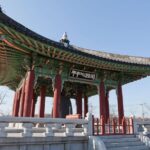
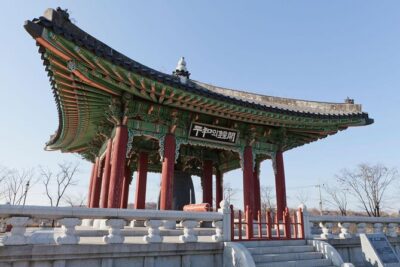
- Pyeonghwauijong Peace Bell: a large bronze bell, built in 2002 as a symbol of reunification.
What I like about fitting these into the day is that they give you a “human scale.” If the tunnel is the physical shock and Dora is the distant stare, these memorial stops remind you that the DMZ is not only about geography. It is about separation, waiting, and the long aftermath of war.
Also, these stops are quick enough that you are not stuck in a long memorial lecture, but they are long enough to read, look, and take in the mood.
The optional Paju Imjingak Peace Gondola: a calmer way to look across the river
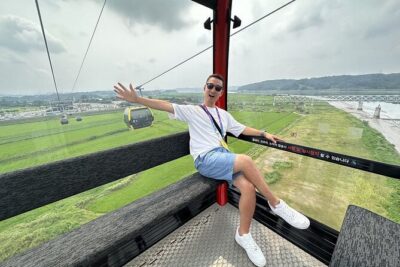
You have an optional stop for the Paju Imjingak Peace Gondola, also called the DMZ Gondola. It opened in 2020 and crosses into the Civilian Control Zone.
This is a smart option if you want a different kind of viewing than the walking and steep routes. Instead of focusing on memorial plaques and tunnel space, the gondola gives you a more open, bird’s-eye feeling over the river and the controlled area.
Your time here is about 1 hour. It is not a long ride, but it can break up the day before you hit the more strenuous segments.

Third Tunnel of Aggression: the real physical test, plus the wow factor
This is where many people decide whether the day was “worth it” or “too much.”
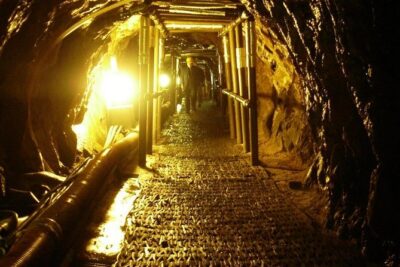
The tour takes you to the Third Tunnel (also called the 3rd Infiltration Tunnel), uncovered in 1978. The stop duration is about 30 minutes, but the time you feel is usually longer than the schedule suggests because movement inside the tunnel is slow and controlled.
From practical guidance, you should assume:
- The tunnel visit is strenuous.
- You may be dealing with a climb down and then back up, plus tight, restricted space.
- Photos inside the tunnel are not allowed, and you should plan for that ahead of time.
If you are short on fitness, this is the one segment you should think through carefully. I have heard firsthand reactions that even experienced adults found it challenging, especially with steep portions and the tight tunnel walk.
My tip: treat the tunnel like an active excursion, not like an indoor attraction. Wear shoes that can handle uneven footing. Pace yourself, and don’t expect a leisurely, Instagram-speed walk.
Dora Observatory: best bet for a DMZ-day view of North Korea
After the tunnel, the tone shifts from physical effort to careful looking.
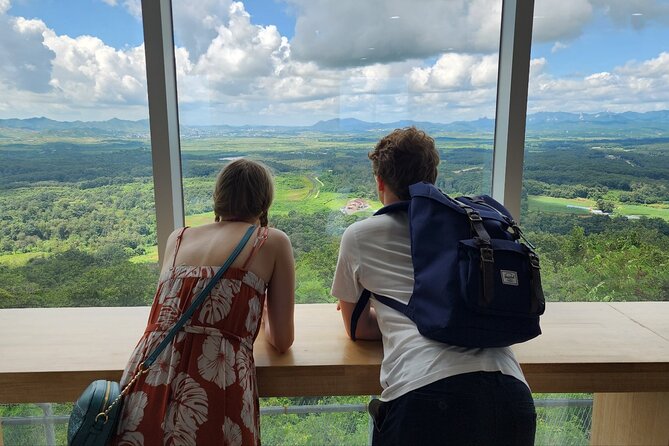
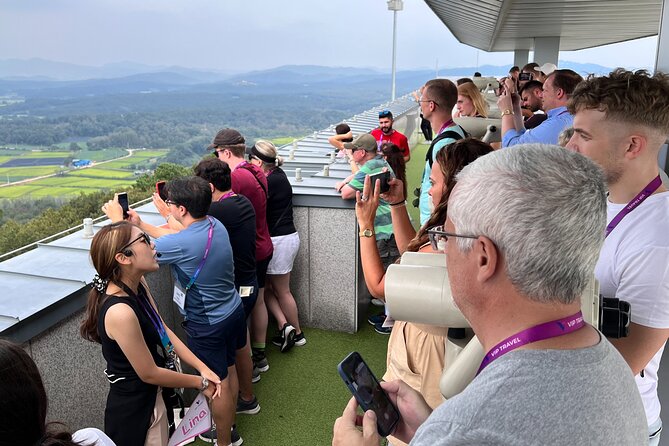
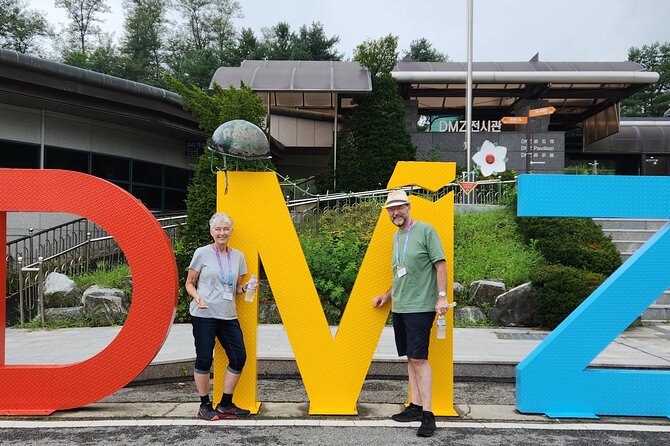
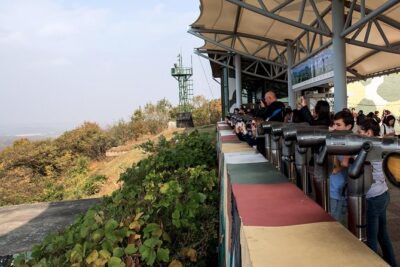
The tour includes Dora Observatory in Dorasan. It was rebuilt in 2018 and originally established in 1986. This is described as South Korea’s closest vantage point over North Korea, and that makes it the best payoff for your time in the area.
You get about 30 minutes here, and this is one stop where your preparation matters. A common issue is that the border is far, and not everything looks dramatic to the naked eye.
A practical hack: bring binoculars if you have them. Even when you have the observatory platform, distance limits what you can clearly see. Binoculars help you turn “I’m here” into “I can actually make out details.”
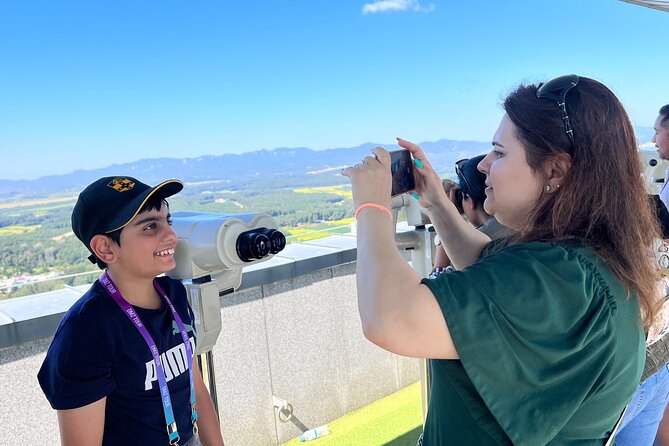
Also, some viewing restrictions apply. People note that photos from the observatory toward North Korea are not possible, so plan to enjoy it with your eyes, not your camera.
Tongilchon Jangdankong Maeul and Gamaksan Red Bridge: optional add-ons with different energy
Two parts of this day depend on what you choose, and both affect how the day feels.
Tongilchon Jangdankong Maeul
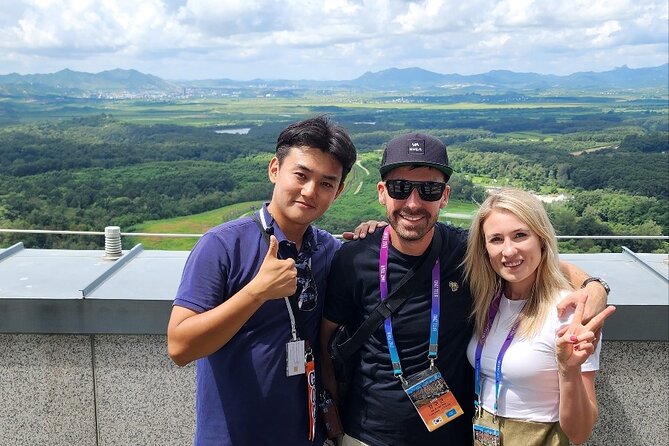
This is a stop that wraps up your DMZ circuit with a calmer scene. You visit Tongilchon Jangdankong Maeul, described as a serene village just beyond the Civilian Control Line, where the DMZ area supports Korea’s famous Jan crops. The stop is free and lasts about 30 minutes.
If you want a breather after the observatory and tunnel, this is the place to slow down.
Gamaksan Suspension Bridge, the Red Bridge option
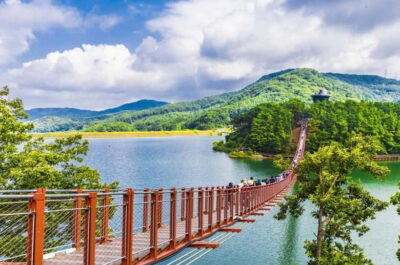
There is an optional final adrenaline boost: the Gamaksan Red Bridge, also known as the Gloucester Heroes Bridge. It was built in 2018, and it is 150 meters long and 1.5 meters wide, honoring Korean War sacrifices.
This is where fitness and time discipline matter. People describe the walk as challenging, with a steep hillside approach and limited time to reach the top. You do not need to be a hardcore hiker, but you should be comfortable moving quickly uphill and standing on a narrow bridge.
If the tunnel already taxed you, you might skip this. If you like views and can handle a hike, this can be one of the most memorable moments of the day.
Transportation and included admissions: why $35 can actually make sense
The price is $35 per person, and the big value play is that you get professional guiding, all-inclusive transportation, and included admission to the paid attractions on the route.
That combination matters because DMZ access is not like most normal sightseeing. You are paying for the guide’s ability to keep the day organized, manage entrance clearance steps, and help you understand what you are seeing in a place where rules and timing count.
Also, the tour is explicitly capped (up to 150 travelers), which is a subtle quality factor. Smaller groups typically feel more manageable at the stops, especially when security checkpoints and movement rules are involved.
What is not included:
- Lunch
- Hotel drop-off (you get dropped in central areas like Hongdae, City Hall, or Myeongdong)
So the value is strong if you show up ready to snack and walk, and if you want a guided DMZ experience that does not require you to arrange separate entry or transportation.
What to pack for the DMZ day: passport, shoes, snacks, and binoculars
The tour requires a passport on the day of the tour. Military ID cards and locally issued ARC cards are also accepted, but if you have your passport, use it. This is not the time to gamble with documentation.
Bring:
- Comfortable walking shoes for the tunnel and any optional bridge hike
- Binoculars if you have them, for better clarity from the observatory
- A small snack plan, because lunch is not included and the day can be fast
In rainy or cold conditions, the experience does not pause for comfort. Some days may shift the schedule due to weather or military conditions, and you could be offered different options. That is why packing for real outdoor conditions helps.
Finally, accept photo limits. You cannot take photos inside the tunnel, and you may also have restrictions on what you can capture from the observatory area. Plan to remember with your brain, not just your camera.
Guide quality: why names like Nancy, Crystal, and Henry matter
One of the strongest signals in the experience is the recurring praise for guides who keep the day organized and explain the story clearly.
Across guides, names that come up include:
- Nancy
- Crystal
- Henry
- Lina
- Judy
The common thread is how they manage time, keep communication clear, and make the history feel relevant instead of like a rote script. If you end up with one of the stronger guide styles, it can turn a schedule-full day into something you actually understand.
Who should book, and who should skip this DMZ route
Book this tour if:
- You want the Third Tunnel experience as a centerpiece
- You like guided context more than self-directed wandering
- You are comfortable walking and moving through a structured, timed day
- You want the best available DMZ overview from Seoul, not just a quick bus ride
Skip or reconsider if:
- You struggle with steep, strenuous segments, especially the tunnel or the optional Red Bridge approach
- You need long, relaxed stop times or lots of photo freedom
- Your schedule cannot handle possible DMZ timing changes due to military issues or events
Also, if you are traveling with kids, the day can be informative but physically demanding. Consider your kids’ stamina for the tunnel route and the pace between stops.
Should you book this DMZ 3rd Tunnel Tour from Seoul?
Yes, I think you should book it if the Third Tunnel is on your must-do list and you want a guided, organized day with included access. At $35, the value is real as long as you come prepared to walk, snack, and follow rules.
I would hold back if you are hoping for a gentle, mostly flat sightseeing tour. The tunnel segment is often the stress point, and the optional Gamaksan Red Bridge adds a steep hike feel.
If you want, tell me your travel dates and who is going (age range, fitness level, whether you want the gondola and Red Bridge). I can help you decide the smartest way to plan your day in Seoul around it.
More Tours in Seoul
More Tour Reviews in Seoul
Not for you? Here's more nearby things to do in Seoul we have reviewed


DMZ Day Tours from Seoul, compared.
 ★ 5.0Best DMZ Tour Korea from Seoul (Red Suspension Bridge Optional)From $2941,422 reviews
 ★ 5.0DMZ Tour: 3rd Tunnel, Option(Suspension Bridge, Boat) from SeoulFrom $3521,373 reviews
 ★ 5.0DMZ tour south Korea from Seoul (NK experience hall, defector)From $2620,599 reviews
 ★ 4.9DMZ Insider Tour: 3rd Tunnel, NK Defector Meet & Red BridgeFrom $5015,214 reviews
 ★ 4.8DMZ Tour with Optional Suspension BridgeFrom $455,277 reviews
 ★ 5.0Signature DMZ Tour: Exclusive Defector Talk & Suspension BridgeFrom $274,459 reviews
 ★ 5.0DMZ Past and Present: Korean Demilitarized Zone Tour from SeoulFrom $372,481 reviews
 ★ 5.0Ultimate Korea DMZ Tour from Seoul (Gondola & Suspension Bridge)From $352,396 reviews
Browse the lists this tour appears in