

Reviewed · SEOUL COOKING & KIMCHI CLASSES
Korean Grandma Cooking Class l Gimbap & Kimchi Pancake l Seoul
A real Korean home makes food taste different. This small Seoul class is led by a grandma who shares family-style lessons and stories while you make two crowd favorites. You will tour the house, get a welcome tea, then cook gimbap and a kimchi pancake step-by-step.
What I like most is that you are not just watching. You actually assemble, roll, and cook, so you leave with real skills you can repeat at home. I also like the human touch, especially the calm, patient teaching style shown by Grandma Sharon, with English that keeps you from feeling lost in the process.
The main consideration is simple: this is built around kimchi. If you cannot handle the flavor or spice level, you should plan ahead, because kimchi is part of both the pancake and the overall Korean taste profile.
Key highlights before you go

- A grandma-led home kitchen instead of a commercial studio setting
- Hands-on gimbap rolling with clear, guided instruction
- Kimchi pancake making plus tasting the way Grandma does it
- Welcome tea and a quick home tour to set the mood
- A shared table for stories and the meal you made
Entering a Seoul Home Kitchen, Not a Cooking School

The best part of this experience is the location, a real home environment run by a real family cook. You are not in a classroom with matching aprons and identical stations. You are in the everyday space that shows how Koreans actually live, eat, and gather around food.
That matters because cooking is not only technique. It is rhythm. It is how people talk while they work. It is the way a kitchen is arranged so food prep feels normal, not staged. This class gives you that feeling, which is why it feels personal, not generic.
You also get a short house tour before cooking. That sets context fast. You get to see the kitchen setup and how daily life connects to meals, not just the tools on the counter.
A few more Seoul tours and experiences worth a look

Meeting at 메리츠화재연수원92 and Getting Settled with Tea
You start at 메리츠화재연수원92 Ui-dong, Gangbuk-gu, Seoul, with the activity beginning at 11:00 AM. It ends back at the same meeting point, which makes the day easy to place into your Seoul plans.
You will receive a mobile ticket, and the meeting point is near public transportation. So you are not stuck hunting for parking or planning a complicated transfer right before cooking.
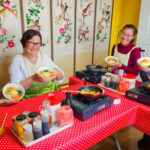
Before you roll up your sleeves, Grandma serves welcome tea. It is a small moment, but it works. You slow down, sit with your group, and get to know each other before you start. In a class that is hands-on, that warm-up can make a big difference.
The House Tour That Gives Your Cooking Context
Before the food, Grandma walks you through her home. This is not a long museum-style stop. It is brief, practical, and focused on everyday living spaces and the kitchen area.
You learn how the home is organized, and you get small details that help you understand why certain Korean dishes are built the way they are. For example, Korean food prep often assumes you will work in an efficient flow, with ingredients kept close and cooking done with a plan.
You might also hear family-style notes, like how recipes get passed down and what matters most in taste. That is the kind of background that makes you understand the dish, not memorize steps.
And yes, you should take a photo with Grandma. It is part of the experience, and it is a nice way to remember the person who taught you, not just the food you ate.
Gimbap at Grandma Speed: Rolling, Filling, and Learning the Why

You will make gimbap during the class, with Grandma teaching you the way Koreans roll it. This is the core skill you can take home. Once you get the idea of layering and rolling, gimbap stops being mysterious and becomes a meal you can DIY.
In practical terms, you will work with the ingredients and do the hands-on building, not just assembling your plate. Gimbap teaches you technique that matters beyond one dish. You learn how to manage filling amounts, how to keep the roll together, and how the final shape should look.
I like that the class emphasizes learning the process. If you have ever tried making gimbap at home and the roll fell apart, this kind of guided practice is what helps you fix the problem. You get correction in the moment, which is hard to replicate from a recipe alone.
A bonus is the tone of the teaching. One review highlighted that Grandma Sharon is patient and skilled, with English that makes communication easy. That matters because cooking classes often break down at the moment of explanation, and clear instruction keeps you moving smoothly.
Kimchi Pancake: Tasting Grandma’s Style, Then Making Your Own

After gimbap, you will move to kimchi pancake, making a pancake using kimchi. The format here is simple and satisfying: you get to taste Grandma’s kimchi pancake, then you cook your own version.
This is one of those dishes that can be forgiving if you understand the basics. The pancake is about turning flavorful ingredients into something that holds together and crisps up. And because kimchi is already seasoned, you do not need to guess your way through flavor. Your main focus is the cooking technique and getting the pancake to set properly.
If you like Korean comfort food, kimchi pancake is a great choice for a class. It tastes like what people actually eat, not like a complicated showcase dish. It also gives you a second skill set. Gimbap is rolling and shaping. Kimchi pancake is mixing and pan-cooking.
One more small thing I appreciate: the experience is built to be social. You are not working alone at a bench. You are cooking while sharing stories, which keeps the energy up even if you are not a confident cook.





Shared Table Moments: Photos, Stories, and Eating Together

Once the cooking is done, you gather around the table and share the meal you prepared. This part is not just about eating. It is about connecting the learning to reality.
You get to sit, talk, and compare notes with your group. It is the moment where your brain shifts from instructions to enjoyment. After you roll gimbap and cook pancake, tasting what you made feels extra satisfying, because you know exactly what you did and how it turned out.
A picture with Grandma also fits naturally here. It turns the class from a transaction into a relationship. That human angle is what people seem to remember most.
This format works especially well for groups. More people means more conversation, and the home setting makes that feel warm instead of chaotic. If you are traveling with family or friends, this is one of those activities where everyone gets something to do.
Price and Timing: Is $52 for 2.5 Hours Good Value?

At $52 per person for about 2 hours 30 minutes, the value makes sense if you care about hands-on learning and a real local home setting. Cooking classes can range from cheap to pricey, but the difference is usually in the setting and in how much you actually do.
Here, you do two dishes. You also get a home tour, welcome tea, and a shared meal. It is not a quick demo followed by a photo op. You get direct practice with gimbap and kimchi pancake, guided by Grandma.
Timing helps too. The start time is 11:00 AM, which is ideal if you like a morning anchor before your afternoon plans. You are not waiting until late night to do something meaningful.
One more scheduling note: the class is often booked about 108 days in advance on average. That tells me you should not procrastinate if this is on your list. Seoul has plenty to do, but the home-based, hands-on format tends to have limited availability.
Who This Korean Grandma Class Fits Best

This is a great match if you want food plus people. If you like cultural experiences where you are not just observing, you will enjoy this.
It is also a strong option for families. One review specifically mentioned kids aged 9 and 11, and said the experience became the kids’ favorite. That lines up with the format: you get roles to do, the process is easy to follow, and the meal ends the session on a good note.
Group travelers also have a real advantage here. Since it is a private tour/activity where only your group participates, you are not competing with strangers for attention while you cook. That can make the class feel calmer, especially if your group includes different ages or cooking comfort levels.
Language is another plus. In at least one experience, Grandma Sharon’s English was described as good, making communication a breeze. If you worry about not speaking Korean, this kind of clear instruction is a big relief.
Practical Tips Before You Go
Here are a few things I recommend so you get more out of the session.
Wear comfortable clothes you can move in. Cooking in a home kitchen is not the moment for stiff outfits. Bring a camera or phone you can use easily. Photos with Grandma and the finished food are part of the experience.
Come hungry but not starving. You are eating after you cook, but you also need energy to roll and cook. If you are sensitive to kimchi flavors, know that the class includes kimchi pancake. Plan accordingly, even if you are still curious.
Finally, bring curiosity. The home tour and stories are not filler. They help you understand why the dishes work and how Korean households think about meals.
Should You Book This Korean Grandma Cooking Class?
Book it if you want a Seoul experience that feels personal, practical, and genuinely hands-on. The home setting, welcome tea, and the chance to learn gimbap and kimchi pancake are a strong combo for the money. If you like the idea of being taught by Grandma Sharon, with patient coaching and clear communication, you are likely to enjoy the format a lot.
Skip it only if kimchi is a hard no for you, or if you want a more technical, advanced cooking course. This is about family-style instruction and shared meals, not a competition-level culinary boot camp.
If your goal is to leave Seoul with real cooking confidence and a memory tied to a real person, this class is a smart pick.
FAQ
What is the price for the Korean Grandma Cooking Class in Seoul?
The price is $52.00 per person.
How long is the experience?
It takes about 2 hours 30 minutes.
Where does the class start?
The start location is 메리츠화재연수원92 Ui-dong, Gangbuk-gu, Seoul, South Korea.
What time does the experience start?
The start time is 11:00 AM.
Is this activity a private tour?
Yes. It is a private tour or activity, so only your group participates.
Will I receive a ticket on my phone?
Yes, the experience uses a mobile ticket.
What do I cook during the class?
You will cook gimbap and kimchi pancake, and you can taste Grandma’s kimchi pancake.
How will confirmation work after booking?
Confirmation is received within 48 hours of booking, subject to availability.
Is the meeting point easy to reach with public transportation?
Yes, it is near public transportation.
What is the cancellation policy?
You can cancel for free up to 24 hours in advance for a full refund. Cancellations less than 24 hours before the start time are not refunded.
More Workshops & Classes in Seoul
More Tour Reviews in Seoul

Not for you? Here's more nearby things to do in Seoul we have reviewed


Seoul Cooking & Kimchi Classes, compared.
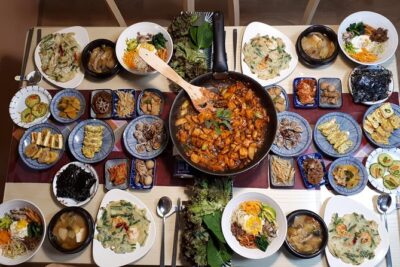 ★ 5.0Local Home Korean Cooking Class & Market Adventure in SeoulFrom $911,024 reviews
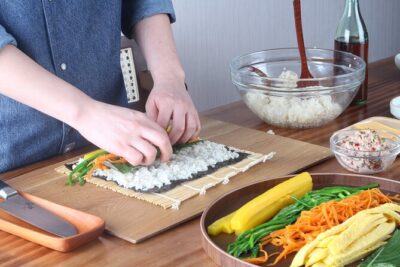 ★ 5.0Master Korean traditional cooking with a Kimchi chefFrom $85385 reviews
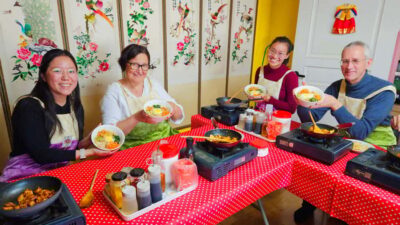 ★ 5.0Korean Cooking Class at a Local Home and Market TourFrom $98348 reviews
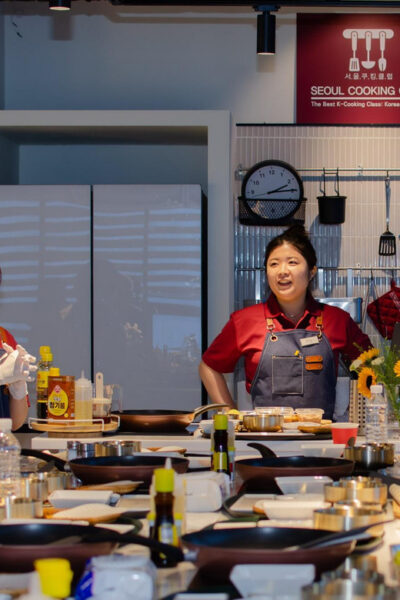 ★ 5.0Korean Cooking at Seoul Cooking Club!From $109311 reviews
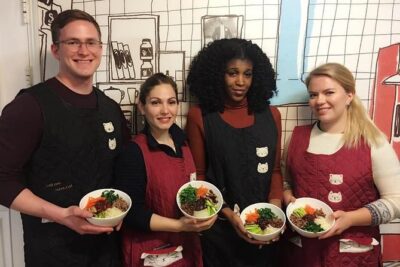 ★ 5.0Cook 3 Authentic Korean Dishes with Local Market TourFrom $79231 reviews
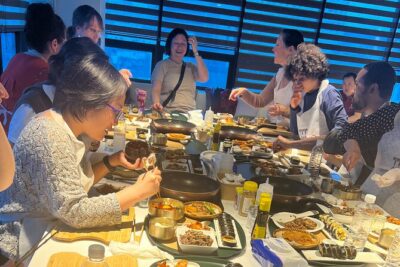 ★ 5.0Korean Cooking at Seoul Cooking ClubFrom $109220 reviews
Experience Korean Cooking in Modern Hanok KitchenFrom $87118 reviews
★ 5.0Korean Cooking at Seoul Cooking ClubFrom $109220 reviews
Experience Korean Cooking in Modern Hanok KitchenFrom $87118 reviews
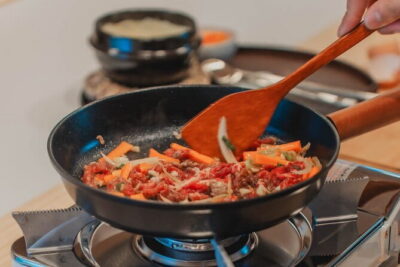 ★ 5.0Korean Cooking Class with Grocery Shopping at Seoul Local MarketFrom $91107 reviews
Browse the lists this tour appears in