
Reviewed · SEOUL COOKING & KIMCHI CLASSES
Royal Seoul Cooking Class in a 100-Year-Old Hanok
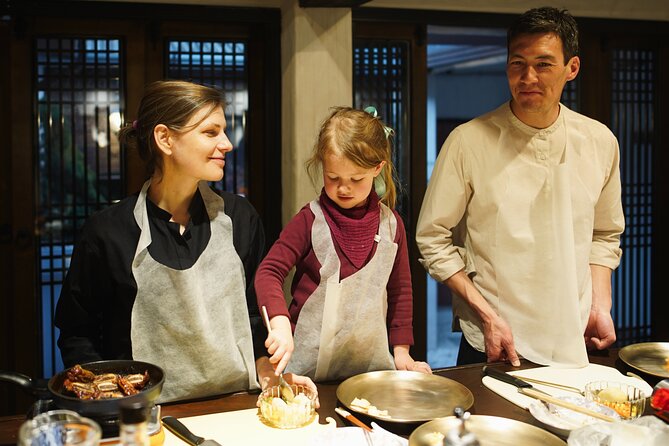
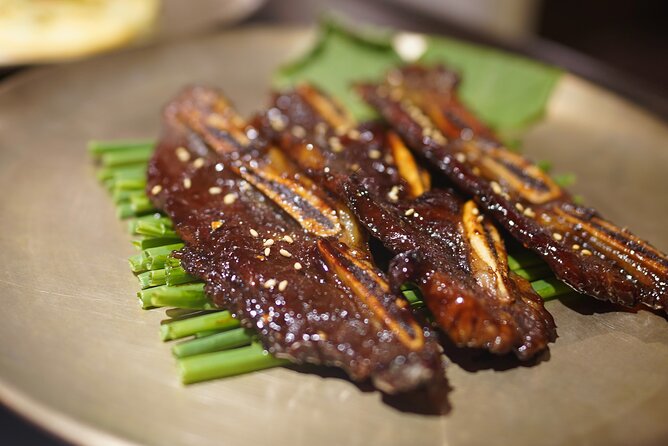
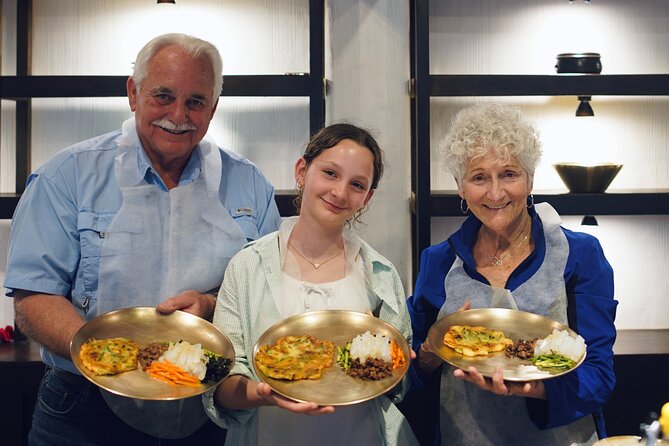
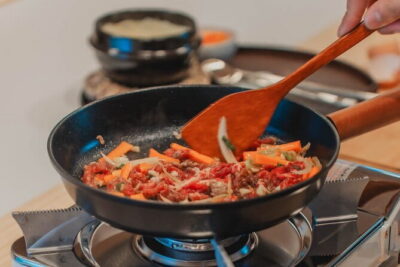
A 100-year-old home makes dinner personal. This Royal Seoul Cooking Class pairs Korean royal cuisine with the calm of a preserved hanok, plus hands-on teaching in a small group. You’ll cook dishes like LA galbi, fresh kimchi, haemul pajeon, and tangpyeongchae, then eat them the traditional way on handmade bangjja bronzeware.
What I like most is the small-group setup (max 6), so Chef Park, also known as Ricky in some messages, can actually guide you. I also love the meal style, where you’re not just cooking, you’re dining like you’re in a real Korean home. One consideration: this experience is built around cooking and eating, so the included palace and market stops are best thought of as context and scenery, not a full, ticketed palace day.
Key highlights at a glance
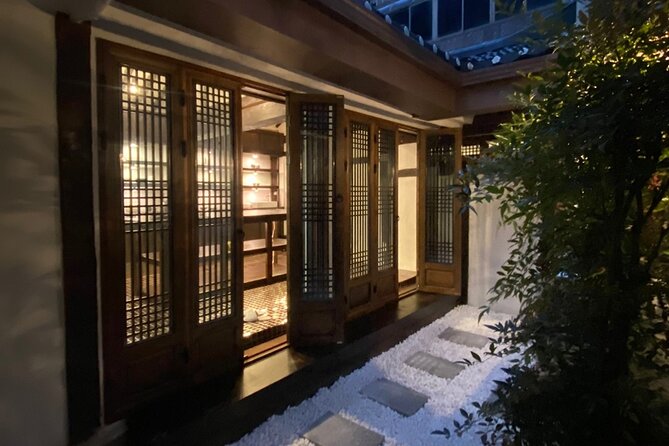
- A preserved 100-year-old hanok kitchen in the middle of Seoul
- Max 6 people, so you get close coaching and real conversation
- Royal-style dishes you actually cook, including LA galbi and pajeon
- Handmade bangjja bronzeware for a true Korean dining feel
- Makgeolli plus Korean desserts after the meal
- Chef Park (Ricky) brings clear instruction and story-driven food context
Stepping into a 100-year-old hanok kitchen
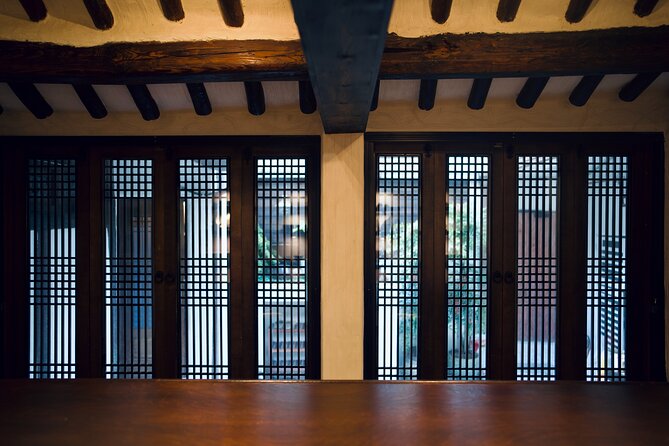
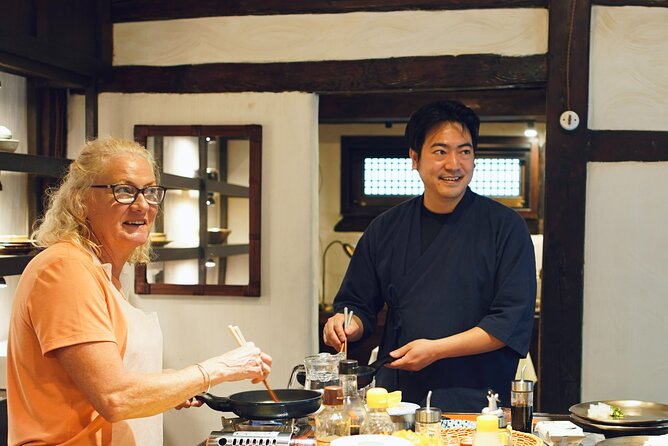
In Seoul, it’s easy to eat Korean food without ever learning how it fits into daily life. This class changes that because it happens in a restored hanok residential home that’s about 100 years old. The setting matters. A modern restaurant kitchen teaches technique, but a traditional home teaches pace, placement, and the idea that food is part of culture, not just a product.
The space is described as beautiful and lovingly restored, and the classroom vibe stays warm and small. You’re not hustled through a mass-production “activity.” Instead, you’re given time to cook, ask questions, and then sit down for the full meal. That rhythm is one of the big reasons people rate this class so highly.
Also, because the class is limited to a maximum of 6 travelers, you can expect the host to notice what you’re doing. If you’re a nervous beginner, that’s huge. If you’re an experienced cook, it still helps because you’ll get specific feedback instead of generic “go ahead and try.”
A few more Seoul tours and experiences worth a look

Chef Park’s hands-on menu: what you’ll cook
The core of the experience is hands-on cooking of Korean dishes that many people recognize, but few visitors get to make properly. The menu focuses on a mix of flavor types and textures, so you don’t just end up with one “samey” plate of food.
Here’s what you’ll be making:
- LA galbi: a popular Korean grilled meat dish, often known for its sweet-savory flavors and tender bite.
- Fresh kimchi: learning how kimchi shows up in Korean meals beyond being a side dish.
- Haemul pajeon: a seafood scallion pancake that teaches you how batter and toppings behave.
- Tangpyeongchae: a dish tied to regional Korean traditions, giving you something a bit different from the usual Seoul-only food routine.
You also get guidance from Chef Park, who’s praised for clear instruction and strong English. In practice, that means you spend less time guessing and more time learning why each step matters. The class is designed for people with no cooking skills, and the flow is described as easy and fun, even when the group is very small.
One smart detail: a number of participants mention that prep work is handled ahead of time, so you’re cooking during the class rather than spending the whole evening chopping and measuring everything. That keeps the experience enjoyable and helps you actually finish your meal while it’s at its best.
Eating like royalty on handmade bangjja
The “royal” part isn’t just marketing language here. You’ll dine the way Koreans traditionally set a table, and the class emphasizes the look and feel of the servingware.
After cooking, you eat on handmade bangjja bronzeware. That’s a real ingredient in the experience. Bangjja is known for its traditional use in Korean dining, and it changes the vibe immediately. Food feels different when it’s served in matching traditional vessels instead of disposable trays.
This is also where the class shifts from “activity” to “evening.” You’re not standing around waiting for your dish to be delivered. You make it, you plate it with guidance, and then you sit down and eat together in the hanok dining area.
And the meal is not limited to the main dishes. You’ll also have:
- a glass of freshly brewed makgeolli
- a selection of traditional Korean desserts
Makgeolli gives you that Korean fermented rice drink experience in a way that feels part of the meal, not like a separate tasting. The desserts round it out so you leave with a fuller picture of what comes after dinner in Korea.
The story layer: culture and food context you’ll remember
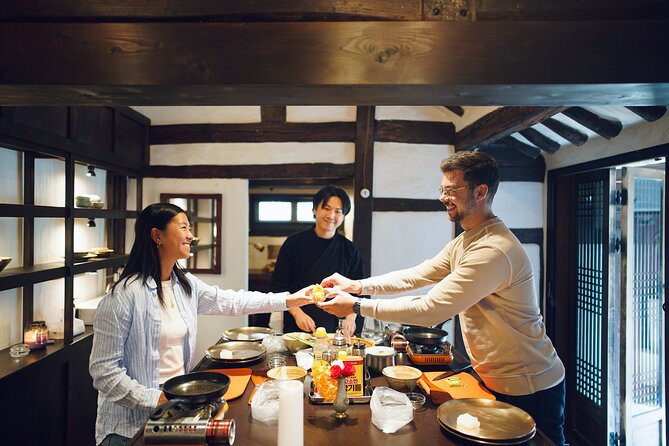
Cooking classes can be purely practical, but this one adds explanations that make the dishes stick. Chef Park is praised for sharing cultural stories and food history, and the teaching style is described as friendly, funny, and easy to talk to.
You can expect the conversation to move beyond recipes. The class format is small enough that you’re likely to ask questions, and Chef Park is the type of instructor who answers and adds background instead of rushing to the next step. People also note that they learned why these dishes are meaningful, not just how to replicate them.
If you’re the kind of traveler who wants a reason behind the flavors, this is a strong fit. You’ll finish with dishes you can cook again later, but also with a better sense of how Korean meals are organized and why certain combinations show up again and again.
How the Seoul route supports the cooking class
The itinerary includes stops at some of Seoul’s most famous landmarks and food areas:
- Gyeongbokgung Palace
- Changdeokgung Palace
- Kwangjang Market
- Ikseon-dong Hanok Street
- Gwanghwamun Square
Here’s how to think about these stops without disappointment. This experience is fundamentally a cooking evening in a hanok home. So the sightseeing elements are best viewed as a curated route that helps you get oriented in central Seoul and adds context before dinner.
Gyeongbokgung and Changdeokgung are palace symbols, and they set the tone for the “royal cuisine” idea. Kwangjang Market brings you closer to Korea’s everyday food culture, and Ikseon-dong gives you the traditional street atmosphere that matches the hanok setting. Gwanghwamun Square is a natural anchor point in this area, which helps the whole day feel connected.
If you want to tour palaces with a deep, hour-by-hour plan, you’ll likely want a dedicated palace visit as well. But if you want a single evening that blends sights, local food culture, and a real cooking session, this sequence makes sense.



Price and value: why $98.98 can be worth it
At $98.98 per person, this isn’t a budget “just try a few snacks” type of class. The value is in what you get for that price, and it’s not only the meal.
What you’re paying for:
- a small group max of 6, which increases your hands-on time
- a traditional 100-year-old hanok setting
- a menu that includes multiple dishes (meat, pancake, kimchi, and a regional dish)
- bangjja bronzeware dining
- makgeolli and traditional desserts
- instruction by Chef Park, described as fun, clear, and engaging
The best way to judge the price is by comparing it to other cooking classes that run much larger groups or offer a less “full” dinner. If you’ve done cookie-cutter cooking tours before, you already know the difference between cooking and watching. This class leans hard into cooking plus eating, in a space that feels like a real home.
Also, the setting can make it feel like a special first-night plan. Several people describe it as a highlight early in their Seoul trip, because it gives you both context and a story-driven introduction to Korean flavors.
Who should book this cooking class in Seoul
This class fits best if you want any of the following:
- a hands-on cooking evening (not a lecture)
- a small-group experience where the host can help you figure things out
- authentic Korean food in a traditional home setting
- an instructor who explains culture and food meaning, not just steps
- a fun family night out, including for teens and tweens
It also works well for solo travelers. People mention it as a solid solo activity, with conversation and ease because the group is small and the host keeps things comfortable. If you’re traveling with friends or family, the small size can still feel intimate rather than crowded.
If you’re coming with mobility needs, you should feel optimistic because at least one participant mentions the instructor happily accommodated a stool request for bad legs. That’s a good sign that the host communicates and adjusts when needed.
Getting the most out of your evening
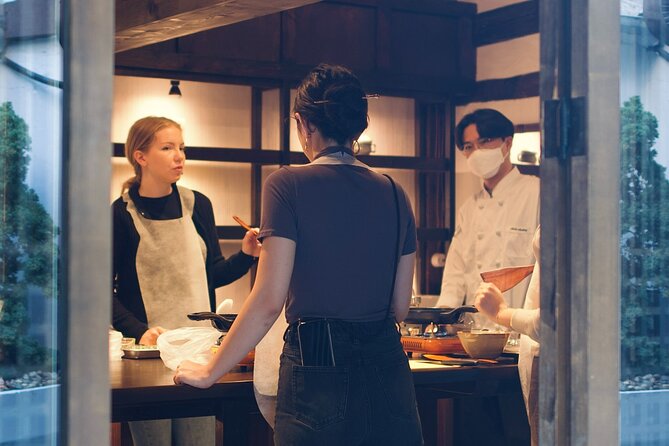
To make the class go smoothly, come ready to cook and eat like it matters. Wear comfortable clothes you can stand in, because you’ll be doing real kitchen work, not just tasting.
A few practical tips based on how this class is described:
- Arrive on time so you can settle in and start cooking without feeling rushed.
- Ask questions early. Chef Park is responsive and conversation-friendly, so you’ll get more out of it.
- Expect an evening rhythm: cook first, then eat in the hanok dining area with makgeolli and desserts.
- If you have dietary needs, communicate them during booking. The class is designed to be approachable, and the instructor has shown willingness to accommodate at least one mobility request.
After the class, some participants mention receiving photos and a recipe guide afterward, so you may go home with more than just memories.
Should you book Royal Seoul Cooking Class in a 100-Year-Old Hanok?
Book it if you want a Korean food experience that feels like a real evening, not a quick stop. The combination of a 100-year-old hanok home, max 6 people, Chef Park’s teaching, and a dinner that includes makgeolli, bangjja dining, and desserts makes it one of the more complete “cook and eat” options in central Seoul.
Skip or pair it with other plans if your top priority is long palace touring. This experience includes major palace and food landmarks on the route, but it’s centered on cooking and dining in the hanok, so you’ll get more “context and atmosphere” than an all-day deep dive.
FAQ
Is the Royal Seoul Cooking Class limited to a small group?
Yes. The class has a maximum of 6 travelers, which is part of what keeps the experience personal and hands-on.
How long is the cooking class?
It’s listed as about 2 hours and 15 minutes.
What dishes will I cook during the class?
The class includes dishes such as LA galbi, fresh kimchi, haemul pajeon, and tangpyeongchae.
Do I get to eat what I cook?
Yes. After cooking, you dine in Korean style using handcrafted bangjja bronzeware.
Are drinks and desserts included?
Yes. You’ll have a glass of freshly brewed makgeolli and a selection of traditional Korean desserts.
What is the meeting point for the activity?
The meeting point is 25 Samil-daero 32ga-gil, Jongno District, Seoul, South Korea. The activity ends back at the meeting point.
Do I need a paper ticket?
No. It uses a mobile ticket.
What if I need to cancel?
You can cancel for free up to 24 hours in advance of the experience start time for a full refund.
More Workshops & Classes in Seoul
More Tour Reviews in Seoul

Not for you? Here's more nearby things to do in Seoul we have reviewed


Seoul Cooking & Kimchi Classes, compared.
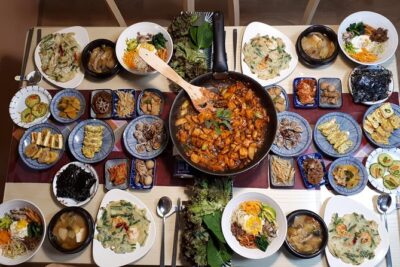 ★ 5.0Local Home Korean Cooking Class & Market Adventure in SeoulFrom $911,024 reviews
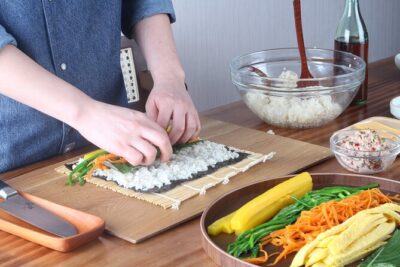 ★ 5.0Master Korean traditional cooking with a Kimchi chefFrom $85385 reviews
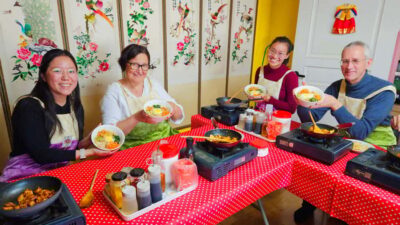 ★ 5.0Korean Cooking Class at a Local Home and Market TourFrom $98348 reviews
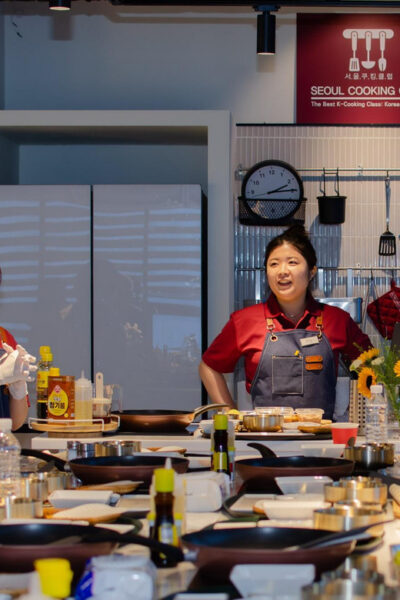 ★ 5.0Korean Cooking at Seoul Cooking Club!From $109311 reviews
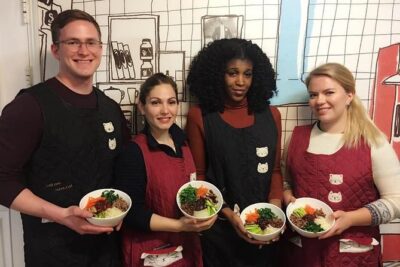 ★ 5.0Cook 3 Authentic Korean Dishes with Local Market TourFrom $79231 reviews
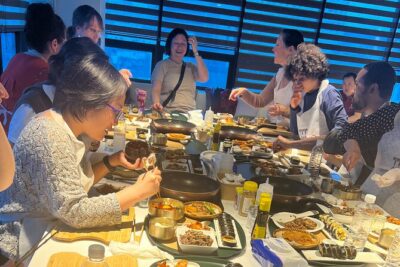 ★ 5.0Korean Cooking at Seoul Cooking ClubFrom $109220 reviews
Experience Korean Cooking in Modern Hanok KitchenFrom $87118 reviews
★ 5.0Korean Cooking at Seoul Cooking ClubFrom $109220 reviews
Experience Korean Cooking in Modern Hanok KitchenFrom $87118 reviews
 ★ 5.0Korean Cooking Class with Grocery Shopping at Seoul Local MarketFrom $91107 reviews
Browse the lists this tour appears in