
Reviewed · SEOUL COOKING & KIMCHI CLASSES
Local Home Korean Cooking Class & Market Adventure in Seoul
Seoul can feel big fast, so this class gives you a small, tasty foothold. You start with a guided Mangwon market walk, then cook at a local chef’s home and finish with a traditional hanjeongsik meal. It is part food tour, part practical cooking lesson, and part cultural hangout.
I especially like how the afternoon is built around real shopping and real technique. You do a market adventure first, then you make four Korean dishes with hands-on help. I also love that you eat what you make, plus extra side dishes, dessert, and even a glass of makgeolli.
One drawback to consider is that this is a walking-forward experience. You will spend time moving through the market, then cooking for a while, so it is best for people who can handle a couple hours on their feet and in a warm kitchen.
Key highlights worth your attention
- Mangwon Station Entrance 2 start, easy for public transport users
- Small group (max 10), so your host can actually help as you cook
- Guided market visit + street food tasting before the kitchen work starts
- Hands-on cooking of four dishes, with approachable step-by-step guidance
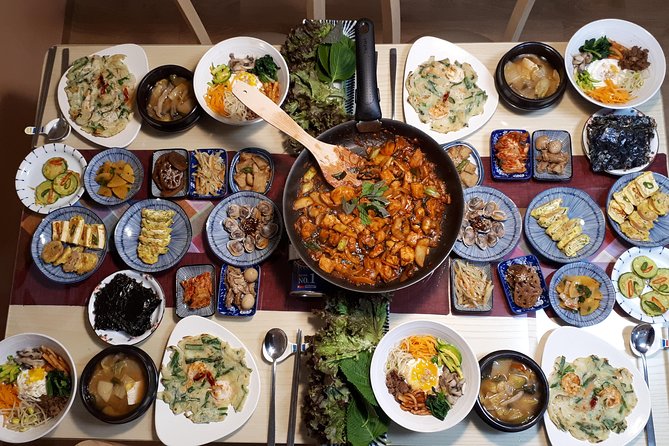
- Hanjeongsik dinner style, served with 10+ side dishes, dessert, and makgeolli
- Recipes and photos sent after class, so you can recreate the dishes at home
Mangwon Station start: where the class finds its rhythm
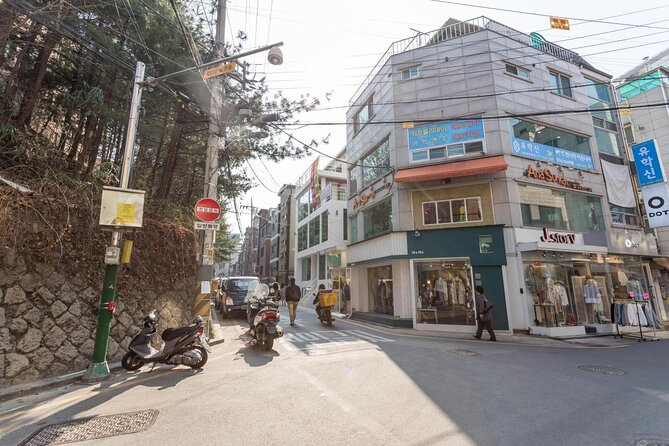
This experience begins at Mangwon Station Entrance 2, at 377-20 Mangwon-dong, Mapo-gu, Seoul. Starting at a clear station spot matters more than you might think. It lets you arrive calm, find the group quickly, and jump into the market without the usual hunt-for-a-meeting-point stress.
From there, the flow is simple. You walk, you taste, you learn how ingredients work in Korean cooking, then you switch modes and cook in a real home kitchen. With a total time of about 3 hours 30 minutes, it moves at a nice pace. You are not stuck in “museum mode” for hours. You get to do things, taste things, and end with a full meal.
The small-group size, capped at 10 people, is a big deal for cooking classes. In a large group, you often watch more than you make. Here, the format is designed so your host can check on you while you chop, mix, and cook.
You can also read our reviews of more shopping tours in Seoul

Market adventure: how you learn what to buy and why
The market walk is the part that upgrades everything else. You are not just sightseeing. You are getting a guided look at common herbs, spices, and ingredients, plus street food snacks along the way. The host points out what to look for, how different items are used, and what changes with season.
Mangwon markets have a strong local feel, and the class uses that energy well. You get a sense of what Korean home cooks actually shop for, not what tourists buy for photos. And street food tasting is more than a snack stop. It is a shortcut to understanding flavors: salty, sweet, savory, fermented, spicy, and all the ways Korean food balances them.
Practical tip: bring an appetite and keep your camera ready, but do not let pictures slow you down. Tasting is fast and guided, and you will want to focus on flavors and ingredient names as you go.
Also, this is where you can pick up useful shopping vocabulary. Guests have mentioned learning basic Korean phrases during the walk. Even a few words can help you browse markets on your own afterward.
Street food tasting: your quick flavor crash course
Street food tasting during the market portion is one of those “small time, big payoff” ideas. You sample items that connect to what you will cook later, and you learn how certain ingredients show up again and again.
From guest experiences, there have been tastings like kwabaeggi, and even sweet treats such as a honeydew-flavored popsicle during warm weather. You can also end up making practical choices, like knowing what to ask for and how to order snack items you want to repeat on your own.
This is a great fit if you are curious but not sure where to start in Seoul’s food scene. Market snacks can feel overwhelming without guidance. With a host walking you through it, you get context fast.
Hands-on cooking at a local home, not a demo kitchen
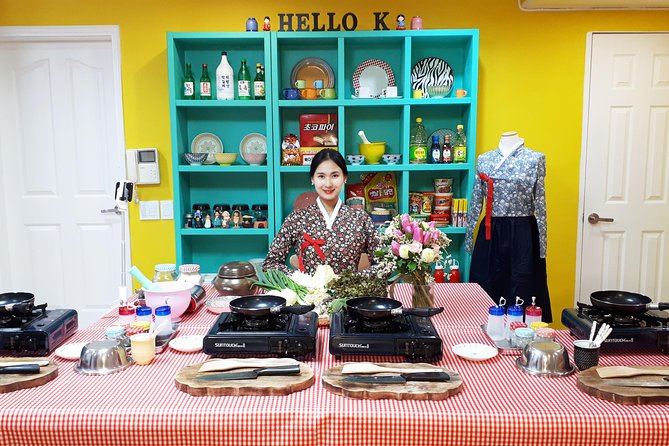
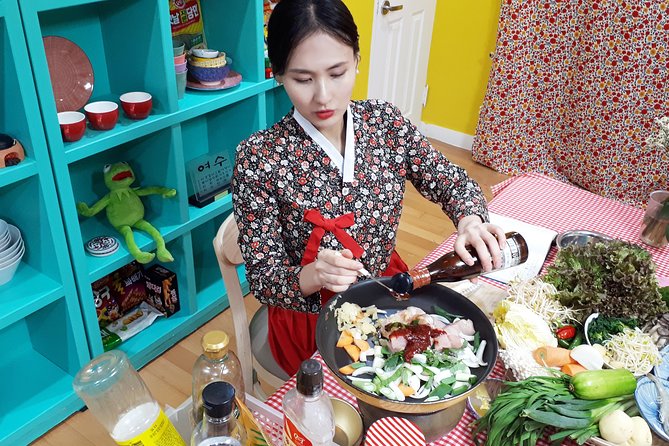
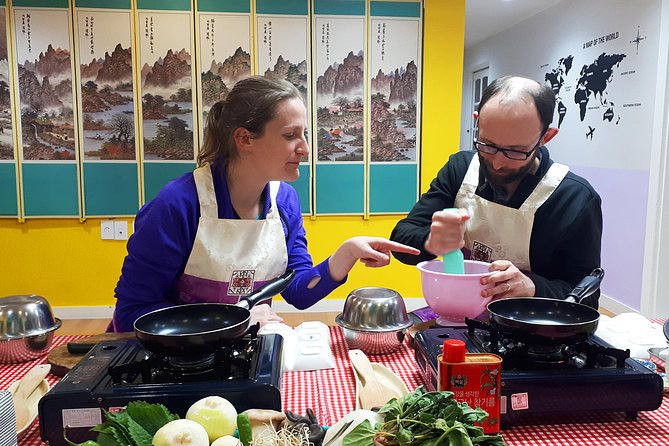
After the market, you head into the host’s home for the main cooking class. This is where the experience becomes more personal. You are not standing in rows watching someone else work. You are cooking with real instruction and real equipment, with the host guiding you step by step.
The class is designed around creating four Korean dishes. Bibimbap and dakgalbi are called out as examples, so you can expect dishes in that popular, home-cooking lane. The exact mix can vary, but the structure stays consistent: you will prepare multiple components, not just one skillet meal.
What I like about the home setup is that it feels like a genuine practice space. Cooking instruction can feel sterile in some tourist kitchens. Here it feels like you are learning how someone cooks for friends and family.
Expect your host to cover more than the recipe. Guests have talked about practical tips that made the cooking feel easier, plus the host answering questions as you work. There is also a light social vibe, with hosts described as friendly and even funny, which helps when you are trying to follow unfamiliar steps in a kitchen.
If you are nervous about cooking, this is still a smart choice. The class is presented as 100% hands-on, and multiple guests have said the dishes were not overly complicated. You will likely get a mix of tasks at different difficulty levels, so you are not stuck doing only one type of step all session.
The dishes and techniques: four plates, real building blocks
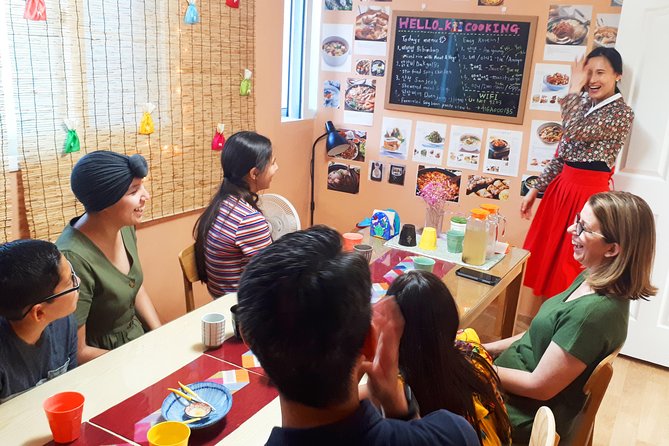
You will focus on typical Korean techniques and the flavor logic behind them. That matters because it turns a one-time meal into skills you can reuse.
Here is what you can generally expect the class to teach you:
- How to handle core ingredients used in Korean home cooking (greens, aromatics, sauces, and seasonings)
- How to balance sweet, salty, and savory flavors in dishes that rely on sauce and seasoning layers
- How to assemble dishes correctly, so textures and temperatures make sense
- How side dishes complement the main plates, so the meal tastes cohesive
Bibimbap is usually about assembly and seasoning balance, while dakgalbi leans more toward cooking method and flavor depth. Even if your exact dish lineup shifts, you will be practicing the same fundamentals: ingredient prep, proper seasoning, and how Korean cooking often works as a system, not as one independent dish.
You may also learn small “why this works” details. Guests have shared examples like learning about Korea’s use of spring onion in place of chives. Little swaps like that are exactly how you start cooking with confidence instead of copying blindly.
A few more Seoul tours and experiences worth a look



Hanjeongsik dinner: the best part is the structure
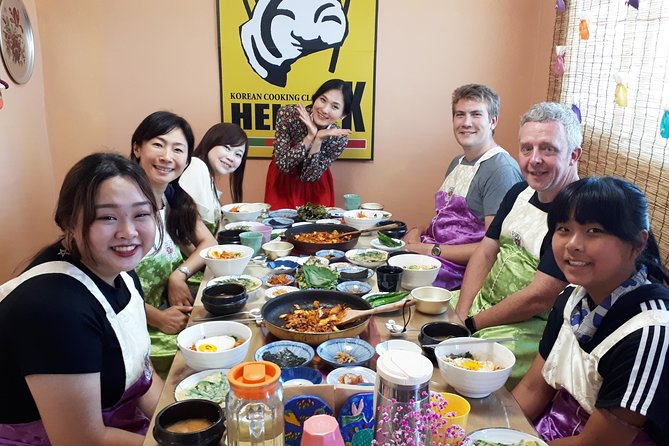
The meal at the end is a traditional hanjeongsik style dinner, served with over 10 different side dishes. You also get dessert, plus a glass of makgeolli, the Korean rice wine.
This is not just a plate of food at the finish. Hanjeongsik is a format that trains your palate. You get multiple small dishes with different textures and flavors, so you taste the full range of what Korean cooking offers. It is also a practical lesson in how sides are not optional. They are part of how the meal is supposed to work.
You sit down after cooking, and you eat your creations along with those side dishes. That is one reason this class is such a value. You are paying for instruction and ingredients, then leaving with a complete meal experience that would be expensive if you ordered it in a restaurant.
Makgeolli is included as well. Even if you usually skip wine or beer on trips, it is a fitting pairing here. You get a clear sense of how Korean fermented flavors fit into a full meal.
What you take home: recipes, photos, and buying confidence
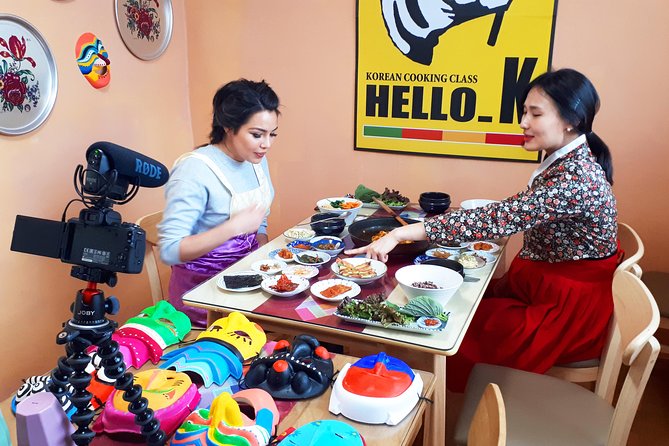
A standout detail is that you may receive recipe copies after the class. Several guests specifically mentioned being sent recipes, and others mentioned getting photos during or right after the session. That is the difference between “great fun” and “I can recreate this.”
You also leave with ingredient and shopping confidence. The market portion teaches you what typical seasonings and herbs look like, and it also trains you to think like a home cook: what to buy, how to select items, and how ingredients connect across dishes.
One more useful angle is language. Guests have described learning basic Korean phrases during the market walk. Even if your Korean is limited, those phrases can help you order, ask names of ingredients, and feel less lost in markets.
Price and value: why $91 can make sense here
At $91 per person for about 3 hours 30 minutes, this class can look pricey at first glance. But it is not just a cooking lesson. You are paying for:
- A guided market visit with street food tasting
- Hands-on instruction cooking four dishes
- A full hanjeongsik style meal with 10+ side dishes
- Dessert and a glass of makgeolli
- A small-group format that supports real help from the host
In cities like Seoul, market snacks alone can add up, and restaurant hanjeongsik meals are often not cheap. This experience stacks multiple food moments into one evening plan. If you like learning by doing, you are getting more than entertainment, you are getting a “how to cook it” payoff.
Also, the tour has a mobile ticket, and confirmation is received at booking. That cuts down friction when you are planning a busy trip.
Logistics that matter: timing, walking, and what to wear
The total time is about 3 hours 30 minutes, so plan a calm afternoon. This is not ideal if you have back-to-back appointments or if you want to squeeze in another long attraction right afterward.
Because you will be walking through a market, wear comfortable shoes. You do not need hiking boots, but you do want something you can stand and walk in. Kitchens can also run warm, so plan for a bit of heat and be ready to snack between tastings and the cooking portion.
Meeting at a station entrance also means you can handle the start time without guessing. Still, arrive a few minutes early so you can settle and start smoothly.
Who should book this cooking class in Seoul
This is a strong choice if you fit any of these:
- You want authentic local food experience without doing it alone
- You like learning through food, not just watching from the sidelines
- You want a hands-on cooking class that ends with a real dinner
- You are traveling with family or teens who enjoy practical activities (some guests did this with older kids)
- You want a small-group setting so your host can answer questions as you cook
It is also a great option for first-timers in Seoul’s neighborhoods. Mangwon is not the only place to eat, but this class gives you a grounded way to experience the local rhythm.
Should you book it? My honest take
If your goal is to leave Seoul with more than photos, book this. The combo of market shopping, street food tasting, cooking four dishes, and then eating a hanjeongsik meal with 10+ side dishes is the kind of value that is hard to replicate on your own.
I would skip it only if you hate walking, or if you want a purely passive activity. This is active, and it works best when you are ready to participate, taste, chop, and ask questions.
Overall, it is a smart “one afternoon, big food education” plan.
FAQ
Where is the meeting point?
The meeting point is at Mangwon Station Entrance 2, address 377-20 Mangwon-dong, Mapo-gu, Seoul, South Korea.
How long is the cooking class and market experience?
It runs for about 3 hours 30 minutes.
How many people are in the group?
The tour has a maximum of 10 travelers.
What will we cook during the class?
You will create four Korean dishes. Bibimbap and dakgalbi are examples mentioned.
What is included in the meal at the end?
You will have a traditional hanjeongsik dinner with your homemade dishes, additional side dishes (over 10 different sides are mentioned), dessert, and a glass of makgeolli.
Do I need a printed ticket?
No. The experience uses a mobile ticket.
Is free cancellation available, and up to when?
Yes. You can cancel for a full refund up to 24 hours in advance of the start time.
More Markets in Seoul
More Shopping Tours in Seoul
More Tour Reviews in Seoul



Not for you? Here's more nearby things to do in Seoul we have reviewed


Seoul Cooking & Kimchi Classes, compared.
 ★ 5.0Master Korean traditional cooking with a Kimchi chefFrom $85385 reviews
 ★ 5.0Korean Cooking Class at a Local Home and Market TourFrom $98348 reviews
 ★ 5.0Korean Cooking at Seoul Cooking Club!From $109311 reviews
 ★ 5.0Cook 3 Authentic Korean Dishes with Local Market TourFrom $79231 reviews
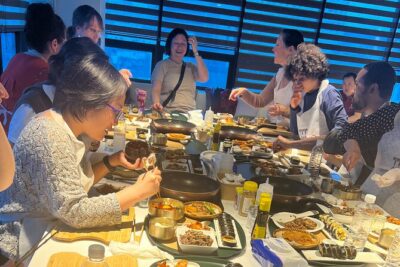 ★ 5.0Korean Cooking at Seoul Cooking ClubFrom $109220 reviews
Experience Korean Cooking in Modern Hanok KitchenFrom $87118 reviews
★ 5.0Korean Cooking at Seoul Cooking ClubFrom $109220 reviews
Experience Korean Cooking in Modern Hanok KitchenFrom $87118 reviews
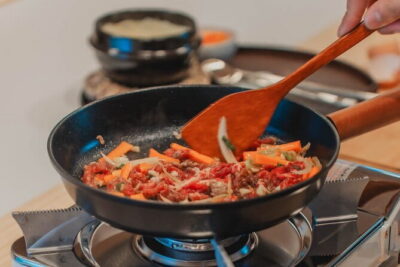 ★ 5.0Korean Cooking Class with Grocery Shopping at Seoul Local MarketFrom $91107 reviews
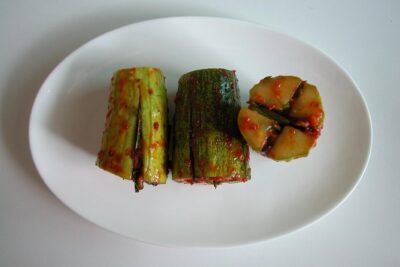 ★ 5.0Korean Kimchi Making Day Experience with a Local Market TourFrom $8999 reviews
Browse the lists this tour appears in