
Reviewed · DMZ DAY TOURS FROM SEOUL
Ultimate Korea DMZ Tour from Seoul (Gondola & Suspension Bridge)
A Cold War line, close enough to touch. This Seoul DMZ day trip packs you into the story of Korea’s divided peninsula, with big set-piece stops like the DMZ gondola and the Bridge of Freedom, plus border-area views from Dora Observatory.
Two things I really like: the round-trip transportation from central meeting points that keeps the day calm, and the way the tour mixes visual stops with memorials and lookout points, so the history lands in your body, not just your brain. One thing to think about first, though, is the walking. The tunnel area and some uphill sections can be tough, and there are also areas where photography is limited for military reasons.
Key highlights at a glance
- Peace Gondola over the Imjin River for an aerial view that goes beyond the Civilian Control Line
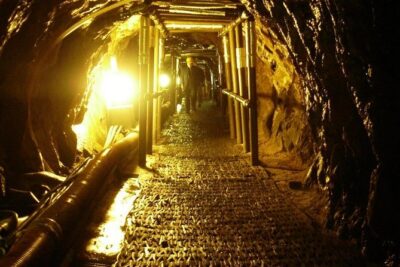
- Third Tunnel of Aggression includes a physically demanding walk, then a short viewing segment
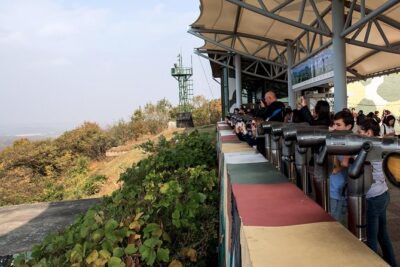
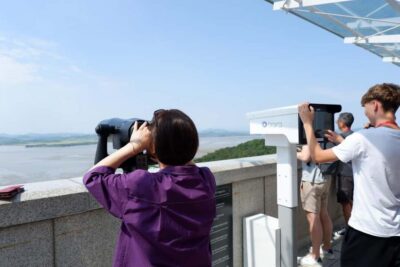
- Dora Observatory for one of South Korea’s closest official views into North Korea
- ID checks at the Unification Bridge checkpoint, so bring a passport, Military ID, or South Korea ARC
- Suspension bridge add-ons at Gamaksan and Majang Lake if you want extra adrenaline
- Guide-led pacing that keeps your group moving and helps you follow photo and military rules
The Seoul pick-up, ride time, and how the day stays on track
This is a full day, about 7 hours 30 minutes, built around multiple stops clustered around the DMZ area. You meet downtown at one of three spots: Myeongdong Subway Station Exit 9, Seoul City Hall Subway Station Exit 6, or Hongdae Subway Station Exit 3. That matters because it saves you from a half-day scavenger hunt across Seoul.
You’ll ride in an air-conditioned vehicle with all fees and taxes handled, and the tour includes a best tour guide. Even when the schedule looks busy on paper, what usually makes or breaks a long DMZ day is whether the group stays managed at each checkpoint. The tour’s format is clearly designed for that, with a maximum group size listed at 150 travelers.
One practical tip: because this area is heavily regulated and timing matters, expect a tight rhythm. A few guide comments mention that the tour may start earlier than posted on high-demand days, so I’d rather you treat it like an early departure day, not a relaxed late start.
You can also read our reviews of more tours and experiences in Seoul.
First contact with the DMZ: that 4 km strip feeling hits fast
Your DMZ day starts with an orientation moment in the broader Seoul area and then moves into the Demilitarized Zone, described as a 4 km-wide strip that has separated North and South since 1953. The tour sets the mood quickly. You get the sense of quiet and tension that comes from a place built to prevent contact, not invite it.
There’s a stop framed around walking through the DMZ area itself, with the experience described as “eerie quiet” and you feeling how the ground sounds underfoot. That’s the part I think is hardest to replace with photos. You can read about the DMZ anywhere. Feeling how controlled and constrained the space is is where this tour earns its ticket.
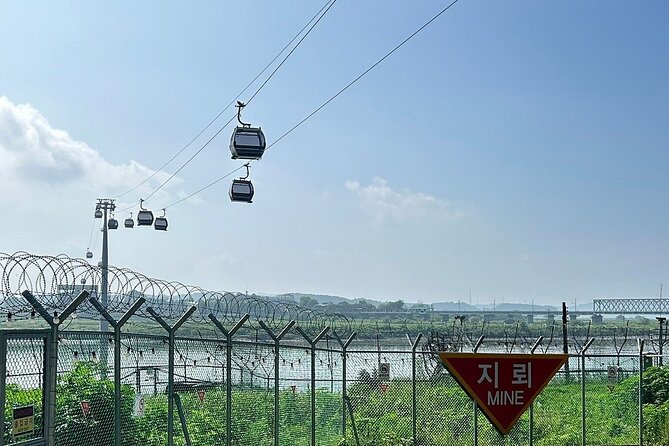
Also, remember that you are inside a security-driven environment. You’ll see warning signs, barbed wire details, and other Cold War relics that are not there for decoration. This is not a casual sightseeing loop.
Imjingak Pyeonghwa-Nuri Park: reunification symbolism you can actually walk through
After the DMZ area, you head to Imjingak Pyeonghwa-Nuri Park, one of the tour’s most emotional stops. Pinwheels, pines, and memorial objects are used to tell the reunification story in a way that feels human rather than abstract.
Key sights here include:
- A rusted “Iron Horse” train, described as a Korean War relic
- The park’s role as a gathering place for reunification hope
- Nearby reunification-themed structures you’ll visit throughout the day
This is also where the tour leans family-friendly. The grounds are easier to experience than the most physically intense parts later on. If you’re traveling with kids or you want a moment where the history is still heavy but the pacing is gentler, this park is a good anchor.
Bridge of Freedom and the memorial chain: where the story becomes specific
The tour then moves into several linked memorial and crossing sites, and this is where the DMZ becomes more than a distant boundary.
Bridge of Freedom
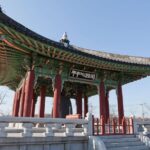
You stop at the Bridge of Freedom, a temporary wooden span built in 1953 after the Korean War armistice. It replaced a destroyed railroad bridge over the Imjin River, and the tour notes that it carried 12,773 prisoners to South Korea. That number makes the stop feel painfully concrete. It’s not just about the border. It’s about what people went through to cross it.

Mangbaedan Memorial Altar
Next up is Mangbaedan, a memorial altar built in 1987 where families honor loved ones in North Korea, especially during holidays. The tour atmosphere here is described through the sensory details you’d expect at a memorial site, like ribbons and incense. Even if you don’t read every plaque, you’ll feel the intent.
Dokgae Bridge
Finally, the day includes a stop at Dokgae Bridge, built in 1950 and scarred by the Korean War. It once linked North and South across the Imjin River. The tour frames it with tactile details like the creak of beams and the cool mist from the river, plus wildlife sightings like herons.
I like this memorial chain because it builds in layers. You start with a crossing story, then shift into family grief and remembrance, then end back at a physical bridge structure that still has a pulse from the events it witnessed.
Peace Gondola and suspension bridges: the fun part with real constraints
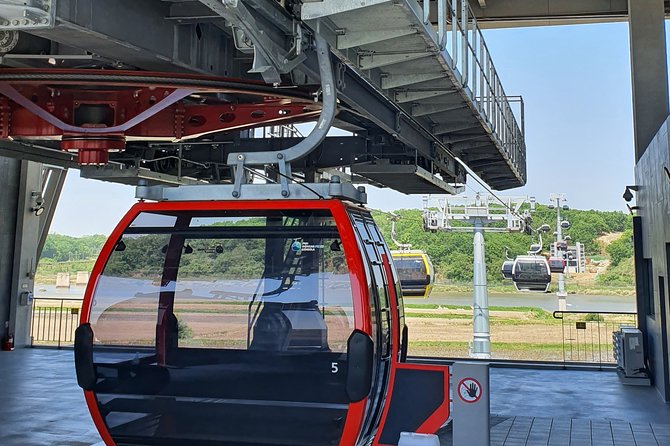
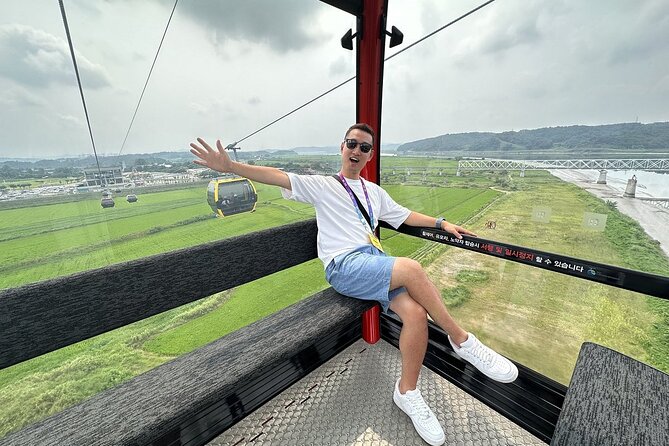
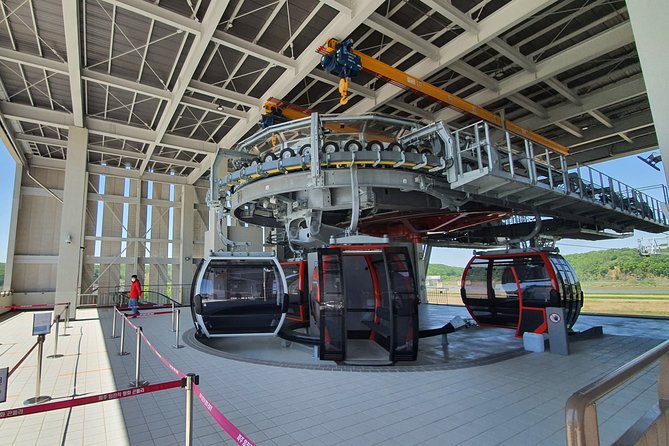
This tour earns its title with the optional Paju Imjingak Peace Gondola. The gondola is described as completed in 2020, giving a bird’s-eye view as you cross the Imjin River. The big thing here is that it goes beyond the Civilian Control Line, which changes how special the view feels. It’s not just another scenic ride. It’s part of how the DMZ can be seen from an official vantage.
You should also know this ride is optional, even though admission is listed as included when you add it. If your group enjoys views and wants to trade some walking for a smoother segment, this is the one add-on I’d prioritize.
Suspension bridge add-ons near the DMZ
The itinerary also includes optional suspension bridge experiences.
- Gamaksan Chulleong Bridge: described as 150 meters long and 1.5 meters wide, built in 2018 to honor Korean War heroes near the DMZ. It’s built for capacity up to 900 adults, and it’s there for views and motion.
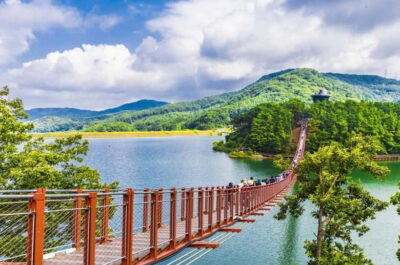
- Majang Lake suspension bridge: a 220-meter span built in 2017, crossing a reservoir that’s described as a turned-into-a-retreat water setting.
In other words, you get a choice between a calmer, floaty aerial moment (gondola) and a higher-stepping, body-feel crossing moment (suspension bridges). If you do both, wear shoes with real grip and don’t plan to look graceful. You’ll be too busy feeling the bridge move.
Third Tunnel and Dora Observatory: what you get, what you miss, and how to prepare
Two of the tour’s most talked-about stops are also two of the most physically demanding.
The Third Tunnel
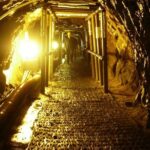
The Third Tunnel, also called the 3rd Infiltration Tunnel, is described as 12 kilometers from Munsan and 52 from Seoul. It’s presented as a not-to-be-missed stop, but the key is expectation.
On the positive side, the tunnel is one of the few places where the story is literal, not metaphor. You’ll spend time in the tunnel area, then have a viewing segment. On the tougher side, multiple comments point out that the walk can feel long, and that the viewing window is brief. One person even wished they had more time for the displays in the museum on site.
So here’s my advice for you: go in expecting movement and a quick payoff view, not a long cinematic experience. If you’re someone who wants lots of close-up artifacts time, build in the mindset that you might need to enjoy what you can see fast.
Also plan for the physical reality: at least one review calls out a very hard walk back up. If you have mobility concerns, the tunnel and nearby inclines are the risk points of the day.
Dora Observatory
After the tunnel, you reach Dora Observatory, rebuilt in 2018. It’s described as South Korea’s closest view of North Korea, established in 1986, and located at Dorasan. This is where the day turns from history lesson to border observation.
The stop is framed around looking across the border, and your timing matters because weather and crowding can affect what you can see. Dress for cold or rain even in warmer months, since you’re dealing with exposed conditions on a lookout platform.
Photo rules and what to expect
This tour operates inside a military-controlled world, and some areas have photo restrictions. One traveler notes disappointment about not being able to take pictures of North Korea in certain areas, and the tour itself can’t change government rules.
If photos are your priority, treat your camera like a secondary goal. Focus first on listening, on the guide’s context, and on the official viewpoints you are allowed to capture.
Unification Bridge checkpoint, Tongilchon-gil, and the DMZ-era rail relic
Between the big headline sites, the tour includes smaller moments that add texture.
Unification Bridge military checkpoint
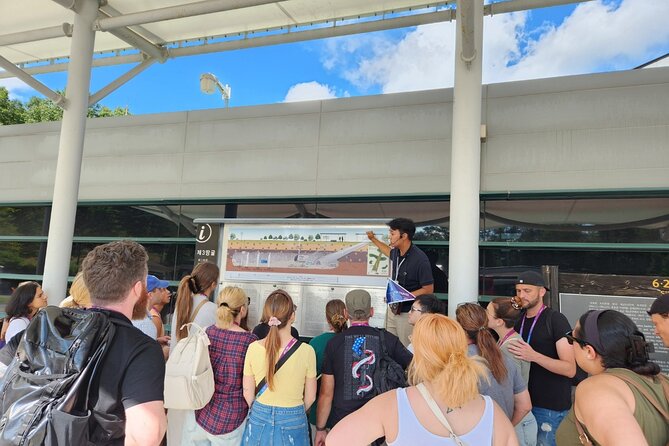
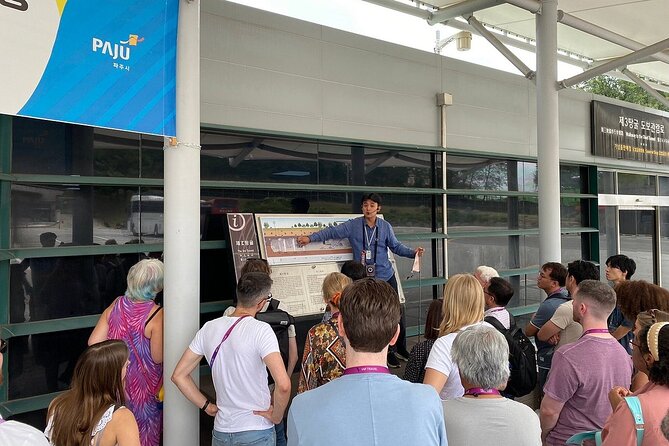
At the Unification Bridge military checkpoint, soldiers will inspect your bus and check IDs. The tour specifically asks you to have a passport, Military ID Card, or a South Korea-issued ARC. If you forget your documents, this is where the day can get stressful fast.
This also explains why guides tend to be strict about timing and behavior. At these checkpoints, rules are the whole point.
Tongilchon-gil
Then you visit Tongilchon-gil, a peaceful village tucked beyond the Civilian Control Line. The tour description notes Jangdan soybeans and the idea of life continuing in this restricted space. It’s a quieter stop that can feel like a breath after tunnel time.
The Gyeongui Line steam locomotive at Jangdan Station
The day also includes a stop at Jangdan Station of the Gyeongui Line to see a steam locomotive, often called the Iron Horse. This is a reminder that division happened not just to people, but to routes, trains, and everyday transit.
One of the best things about this stop is that it doesn’t require you to imagine the past. The hardware is right there.
The Peace Bell at Pyeonghwauijong
Another standout object is the Peace Bell, described as a 21-ton bronze symbol of reunification, cast in 2002. You can touch it and it’s presented as having a deep chime experience. It’s a rare moment where your hands and ears are part of the story.
How optional stops change the day’s feel near the suspension bridge picks
Some parts of the tour are marked as optional, especially the suspension bridges add-ons. This matters because it changes how full your day feels.
If you’re doing:
- gondola plus both suspension bridges
you’ll get more variety, more motion, and more time where walking is replaced with crossings and viewpoints. If you skip the optional bridges, you’ll likely feel less rushed and save energy for the tunnel segment.
Based on how the day is structured, the “must-do” physical effort still lands around the tunnel area. So I’d decide your energy strategy like this: protect yourself for the tunnel walk, then add the fun if you still have legs left.
Price and value: why a $35 DMZ tour can actually work
At $35.00 per person for a roughly 7.5-hour guided day from Seoul, the price is striking, especially with round-trip transport and multiple paid sites included. The tour lists what you get for the money as:
- air-conditioned vehicle
- all fees and taxes
- best tour guide
- tickets for key stops like DMZ entry elements and other admissions noted throughout
Not included is lunch, so you’ll need to budget for that separately.
The real value here is not only the ticket price. It’s that the tour handles the complex logistics: getting you into the DMZ region, timing checkpoint requirements, and keeping you on track across a pile of stops. A DIY DMZ plan is possible, but it tends to turn into a day full of uncertainty. This tour replaces uncertainty with structure.
Should you book? My honest take for different kinds of travelers
I think you should book this DMZ tour if you want a single-day, organized Seoul DMZ experience that covers the major emotional and visual markers. The combination of the Peace Gondola, Third Tunnel, and Dora Observatory is a strong mix of perspective and context. And if your guide is one of the named stars people mention, you’ll likely get more than facts. You’ll get story pacing, route awareness, and reminders about when photos are allowed.
I’d hesitate if:
- you have trouble with stairs and steep uphill walks, especially the tunnel segment
- you rely on long museum time, since tunnel viewing can be short
- you hate strict rules around ID checks and military-photo restrictions
If you’re in the middle, this can still work well. Wear supportive shoes, carry your documents, and treat the day like a guided field trip rather than a relaxed photo walk.
Bottom line: for a first DMZ visit from Seoul, this is a solid value play, especially because it includes the gondola option and gives you suspension bridge choices without sending you back to Seoul for another ticket purchase.
FAQ
What is the total duration of the Ultimate Korea DMZ Tour from Seoul?
The tour runs for about 7 hours 30 minutes.
Where do I meet the tour in Seoul?
You can meet at Myeongdong Subway Station (Exit 9), Seoul City Hall Subway Station (Exit 6), or Hongdae Subway Station (Exit 3).
What is included in the price?
Included are an air-conditioned vehicle, all fees and taxes, and the tour guide. Admission tickets for multiple stops are also listed as included throughout the itinerary.
Is lunch included?
No. Lunch is not included.
Do I need to bring an ID or passport?
Yes. At the Unification Bridge military checkpoint, you need a passport, Military ID Card, or a South Korea-issued ARC.
Is the Peace Gondola and suspension bridge part of the tour for everyone?
The Peace Gondola is listed as optional, and the suspension bridge stops (Gamaksan Chulleong Bridge and Majang Lake) are also marked as optional. Admission is listed as included for those stops when you choose them.
More Tours in Seoul
More Tour Reviews in Seoul
Not for you? Here's more nearby things to do in Seoul we have reviewed


DMZ Day Tours from Seoul, compared.
 ★ 5.0Best DMZ Tour Korea from Seoul (Red Suspension Bridge Optional)From $2941,422 reviews
 ★ 5.0DMZ Tour: 3rd Tunnel, Option(Suspension Bridge, Boat) from SeoulFrom $3521,373 reviews
 ★ 5.0DMZ tour south Korea from Seoul (NK experience hall, defector)From $2620,599 reviews
 ★ 4.9DMZ Insider Tour: 3rd Tunnel, NK Defector Meet & Red BridgeFrom $5015,214 reviews
 ★ 4.8DMZ Tour with Optional Suspension BridgeFrom $455,277 reviews
 ★ 5.0Signature DMZ Tour: Exclusive Defector Talk & Suspension BridgeFrom $274,459 reviews
 ★ 5.0Thrilling Korean DMZ 3rd Tunnel Tour from Seoul + Red Bridge RushFrom $353,097 reviews
 ★ 5.0DMZ Past and Present: Korean Demilitarized Zone Tour from SeoulFrom $372,481 reviews
Browse the lists this tour appears in