
Reviewed · SEOUL COOKING & KIMCHI CLASSES
You’re Invited to Our Home in Seoul: The Only Cooking Class!
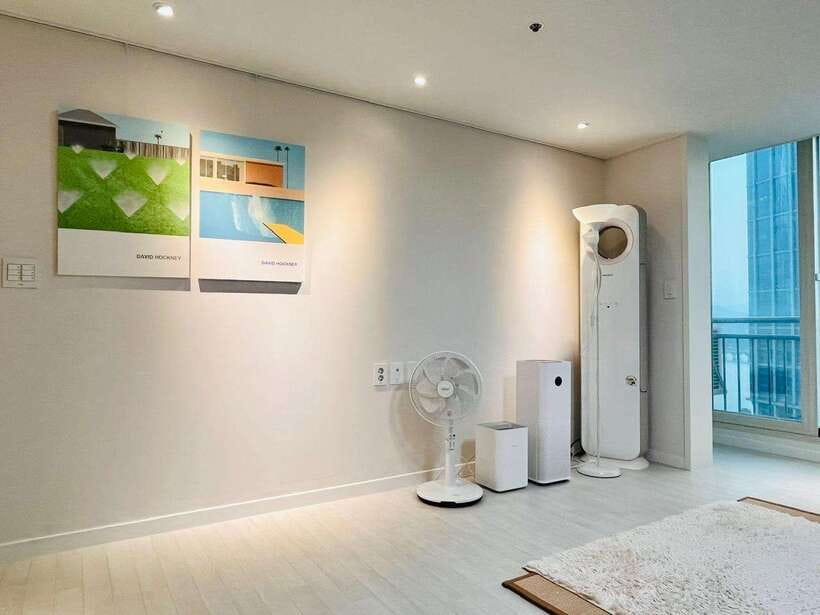
Jeon flips, Han River views, in a real home. In this Seoul cooking class for a small group of up to 4, you make Assorted Jeon from scratch and enjoy Korean tea while sitting with a stunning downtown-to-Han River panorama. One catch: transportation to the home is not included, so you’ll want a clear plan for how to get there.
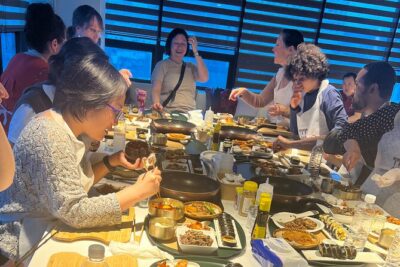
I like that this isn’t a commercial set-up. You’re invited into an actual Korean home to cook, eat, and learn everyday culture the way it happens at home, not like a scripted performance.
After you finish your meal, there’s an optional free Han River walk plus a DSLR photo session where pictures are taken during class and shared afterward. The menu also can be adjusted for dietary needs and spice preferences, which makes it feel thoughtful rather than rigid.
Key things I’d watch for before booking
- A real home, limited to 4 people, so it stays personal.
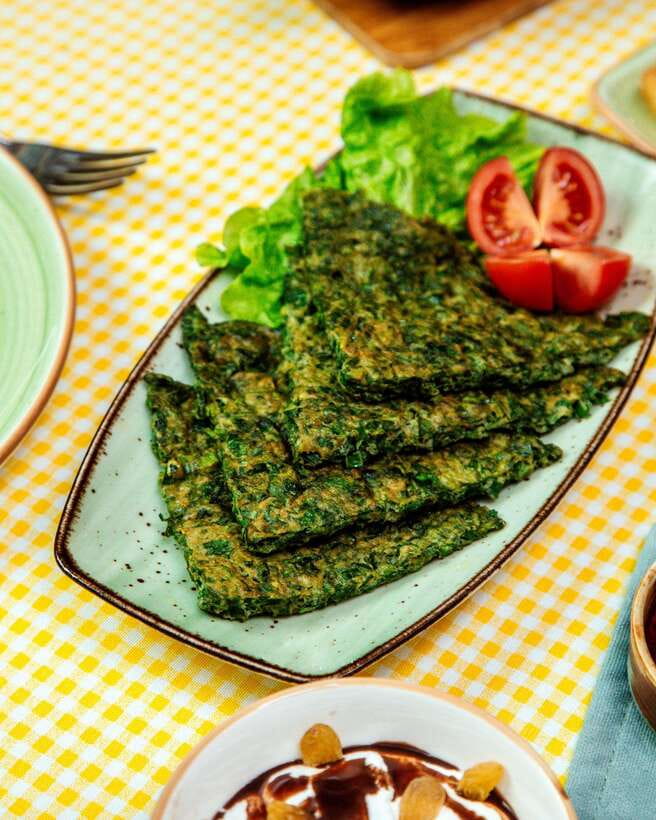
- Assorted Jeon hands-on practice, including several pancake styles made from scratch.
- Sikhye and Hotteok desserts are part of the experience, not an afterthought.
- Han River skyline views during your cooking and dining.
- Diet and spice adjustments are available if you tell the host in advance.
- Recipes and photos included, so you leave with both food memories and something you can cook again.
Entering A Korean Home for Cooking, Not a Workshop Line
This class is built around a simple idea: cooking is more than technique. In Korea, food days often come with stories, small talk, and the comfort of sharing something warm. That’s why the setting matters so much. You’re not cooking in a restaurant classroom. You’re in a Korean home, and the host team (David and Hanna) sets the tone with welcome, clear guidance, and room to ask questions.
For me, the biggest value here is the atmosphere. Even if your Korean is limited, you’ll still understand the flow: tea first, then instruction, then cooking together, then the meal. That rhythm helps you relax and focus on what your hands are doing.
The small group limit is another quality marker. With up to 4 participants, you’re less likely to get rushed or feel like you’re watching other people. It also makes it easier to have a real back-and-forth, especially if you have dietary needs or want to understand what makes each jeon different.
A few more Seoul tours and experiences worth a look

What You Cook: Sikhye, Doenjang-jjigae, and a Whole Set of Jeon
Your menu starts with Sikhye, a sweet rice punch. It’s a nice opener because it sets a gentle, slightly bouncy sweetness before you get into savory cooking.
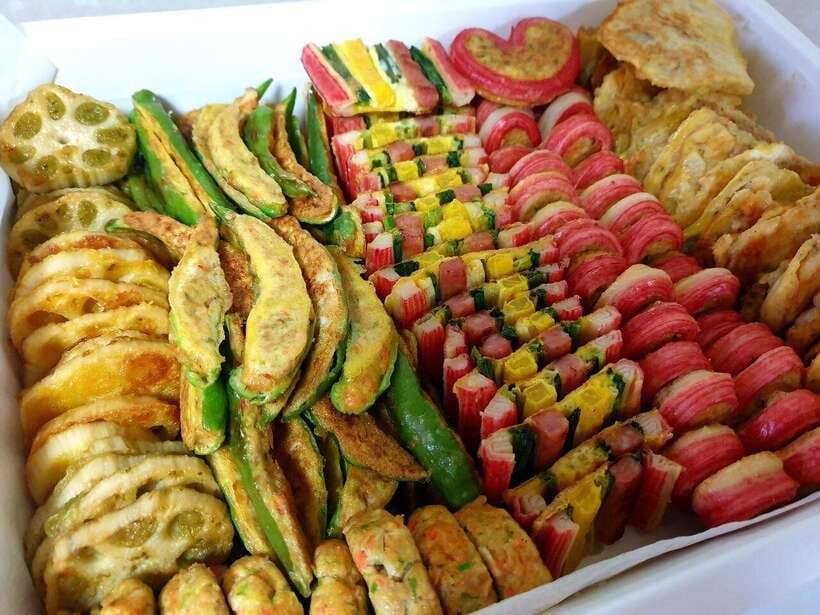
Then comes the star of the show: Assorted Jeon, Korean savory pancakes. You’ll work through multiple varieties, such as:
- Donggeurangttaeng (meatball pancake)
- Pajeon (scallion pancake)
- Hobakjeon (zucchini pancake)
- Beoseotjeon (mushroom pancake)
- Dubujeon (tofu pancake)
- Yukjeon (beef pancake)
- Kkochi-jeon (skewered pancake)
- Haemuljeon (seafood pancake)
Important detail: the exact pancake selection can vary depending on ingredient availability that day. That’s normal in real kitchens, and it actually helps you learn how flexible Korean home cooking can be. If you’re planning around specific allergies, tell the host before you go, because ingredient choices matter.
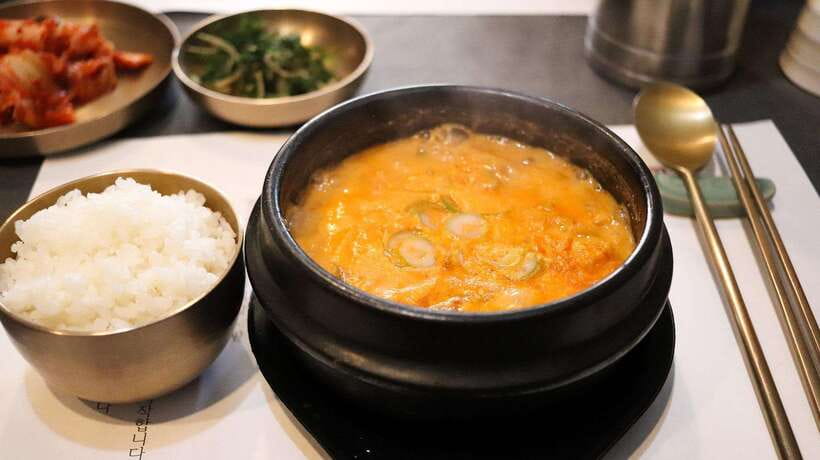
You’ll also make Doenjang-jjigae, soybean paste stew. It’s the kind of hearty dish that turns a meal into something you’d want on a cooler Seoul evening. The stew also balances the pancakes, so you’re not eating only fried items.
And yes, the class includes a traditional Korean tea alongside the food. It’s a good pairing for jeon because it keeps the flavors from feeling heavy.
Jeon Technique, Made Simple: What You’re Really Learning
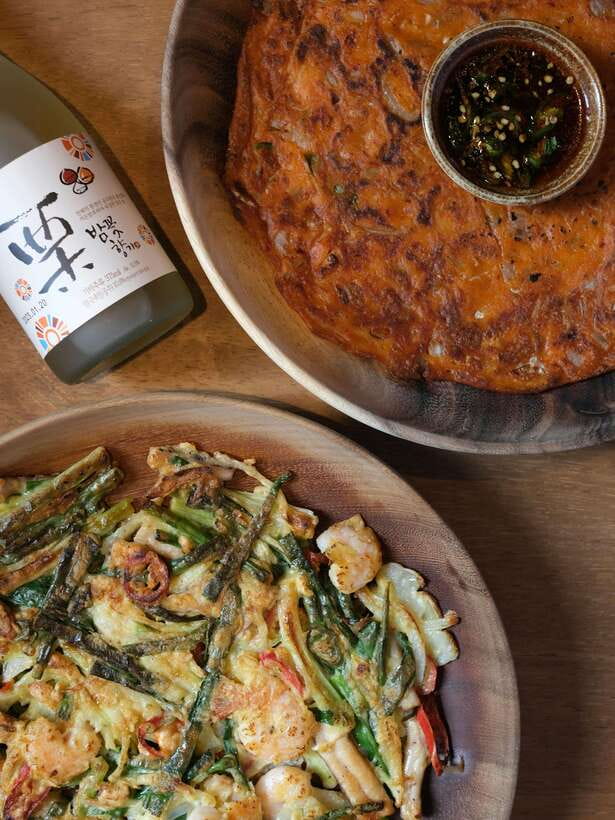
The jeon isn’t just “cook and eat.” It’s a lesson in patience and precision. You learn how to pan-fry each piece so it turns out crisp without burning, and how to manage the batter and add-ins so each pancake holds together.
I also like that the class frames jeon as more than a trendy dish. The story goes back to earlier Korean celebrations, including royal banquets and family traditions. That cultural context is useful because it explains why jeon shows up at gatherings. You’re not only learning a recipe, you’re learning why the recipe matters to people.
If you’re a curious eater, this is where you’ll feel the most “aha” moment. The variety of jeon types teaches you that Korean pancakes are a framework. Swap the main ingredient, adjust texture and flavor, and you get a different mood. That makes your take-home value much higher because you can think beyond one single pancake.
The Meal Layout: Tea, Banchan, Desserts, and What to Expect on the Table
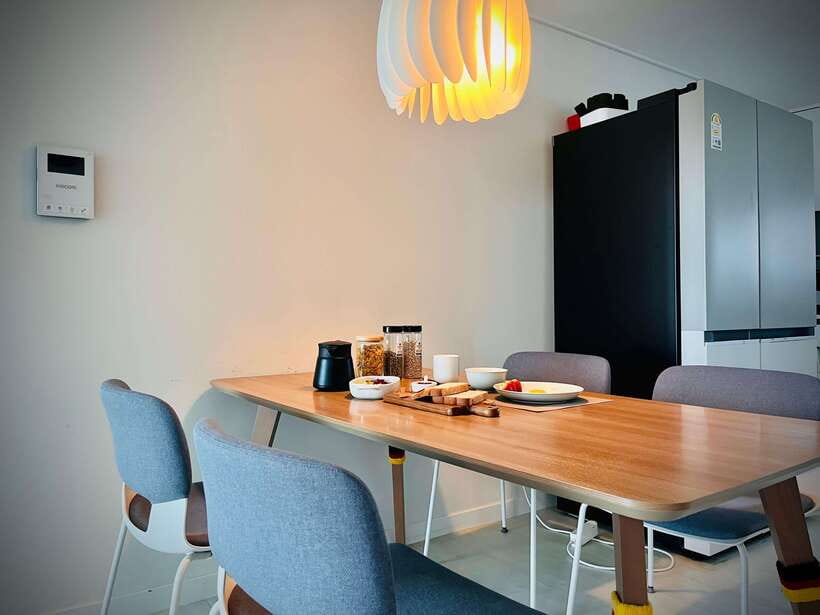
You’ll get a full-course meal built around seasonal banchan (side dishes) plus three main dishes. Banchan is a big deal in Korean dining because it’s how a meal becomes layered. Even if you’re not sure what every side is, you’ll learn quickly that the meal is designed to be mixed together, one bite at a time.
Desserts are included:
- Sikhye
- Hotteok (sweet Korean pancakes)
Hotteok is the kind of finish that feels comforting, not fancy. It also gives you a sweet contrast after all the savory pancakes and stew.
Throughout the class, you can also have complimentary tea and snacks. That matters more than it sounds. Two hours in a home kitchen can move quickly, and having small breaks with tea helps you stay comfortable without stopping the flow.
The Han River View and the Optional Walk Afterward
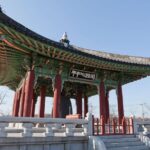
One of the perks you can’t fake is the setting. You’ll be cooking and dining with a stunning view of the Han River and Seoul’s skyline. When the food is done, it’s the perfect moment to step back and enjoy where you are.
Then there’s an optional free 1-hour Han River walk. This isn’t described as a strict guided tour with a bunch of stops. It’s more like a chance to soak in the area after the meal. If you like post-class decompress time, this is a great add-on.
One practical note: wear comfortable shoes. Even if the walk is optional, you’ll likely want to stroll long enough to get photos and get your bearings.




Price and Value: Is $110 Worth It for Two Hours?

At $110 per person for a 2-hour home experience, you’re paying for more than instruction. In this price, you’re getting:
- A small-group class (up to 4)
- Ingredients and equipment provided
- A welcome drink (traditional Korean tea)
- A full-course meal with banchan
- Sikhye and Hotteok desserts
- Tea and snacks during the class
- Recipes to take home
- A DSLR photo session with photos provided afterward
That’s why the value works for a lot of people. Traditional cooking classes can be mostly technique and tasting. Here, you’re also getting the cultural experience of eating together in a real home, plus the view.
The main cost “gotcha” is what’s not included: transportation to and from the class. That can change the effective cost depending on where you’re staying. If you’re booking from a convenient area, the math looks great. If you’re far away, budget time and money for getting there.
Also, consider your goal. If you want a single recipe, this might feel heavy. If you want multiple pancake styles, stew, and dessert plus recipes and photos, it’s a strong deal.
Dietary Needs, Spice Levels, and How to Plan Ahead
The menu is adjustable. The host can work with vegan or vegetarian preferences and can adapt for specific dietary needs if you inform them in advance. Spice level can also be modified if you can’t handle heat.
This is one reason the class feels safer than many food experiences. Jeon and stew can be built to fit different needs, and having flexibility in the menu makes it realistic.
If you’re sensitive to ingredients, message the host early. Since the pancake selection can vary by ingredients on the day, your specific restrictions matter even more than they would in a fixed restaurant menu.
DSLR Photos and Recipes, So You Can Repeat the Win

This class includes a DSLR photography session, with the photos provided after the experience. That’s a nice bonus if you like proof of the day and want food photos without struggling to juggle your camera while cooking.
You’ll also receive recipes to recreate the dishes at home. For me, recipes are where cooking classes become more than a memory. If you actually plan to make jeon later, the take-home value rises quickly.
If you’re the type who documents trips by cooking at home, this is exactly your style.
Who This Seoul Home Cooking Class Is Best For
This fits best if you want something more human than a studio class.
I’d point you toward this if:
- You like hands-on cooking and want to learn more than one pancake style
- You want a real home setting and a Han River view
- You want a small-group experience where you can ask questions
- You want recipes to use later, not just a meal you finish and forget
It’s also a good match for people who care about meal balance, because you get pancakes, stew, banchan, and desserts, all together.
One important limitation: it’s not suitable for wheelchair users. If mobility is a factor, check how the home layout works before you decide.
Should You Book This Seoul Home Cooking Class?
I think you should book it if your ideal Seoul day looks like this: calm, hands-on cooking with a small group, a proper Korean meal, and a view of the Han River while you eat. The recipe list and included desserts make it feel like a complete food lesson, not a short taste.
Skip it if you already know you can’t handle the logistics of getting to a private home, or if you’re looking for a big, structured sightseeing day. Also, if you’re traveling with mobility needs, this one may not work due to accessibility.
If you choose to book, message the host early about dietary needs and spice level. That one step helps guarantee the menu matches your comfort. Then show up ready to flip pancakes, sip tea, and learn why jeon belongs at celebrations and family tables in Korea.
FAQ
FAQ
How long is the Seoul home cooking class?
The experience lasts 2 hours.
What’s included in the price?
The price includes welcome Korean tea, a full-course meal with banchan, desserts (Sikhye and Hotteok), tea and snacks during the class, ingredients and equipment, recipes to take home, utensils and an apron, water, an optional local area and Han River tour, and a DSLR photo session with photos provided afterward.
What dishes will I learn to make?
You’ll make Sikhye and Assorted Jeon, plus Doenjang-jjigae. The specific pancake varieties can vary depending on ingredient availability. Hotteok is included as a dessert.
Can the menu be adjusted for dietary needs or spice levels?
Yes. The menu can be adjusted for vegan or vegetarian preferences and specific dietary needs. Spice level can also be adjusted if you can’t handle spicy food.
Is the Han River walk included?
A free 1-hour Han River walk is available after your meal as an optional add-on.
Is transportation included?
No. Transportation to and from the class location is not included.
What should I bring?
Bring comfortable shoes and a camera. Snacks and water are also listed as items to bring.
Is this activity wheelchair accessible?
No, it is not suitable for wheelchair users.
Is there a cancellation option?
Yes. You can cancel up to 24 hours in advance for a full refund.
More Workshops & Classes in Seoul
More Tour Reviews in Seoul


Not for you? Here's more nearby things to do in Seoul we have reviewed


Seoul Cooking & Kimchi Classes, compared.
 ★ 5.0Local Home Korean Cooking Class & Market Adventure in SeoulFrom $911,024 reviews
 ★ 5.0Master Korean traditional cooking with a Kimchi chefFrom $85385 reviews
 ★ 5.0Korean Cooking Class at a Local Home and Market TourFrom $98348 reviews
 ★ 5.0Korean Cooking at Seoul Cooking Club!From $109311 reviews
 ★ 5.0Cook 3 Authentic Korean Dishes with Local Market TourFrom $79231 reviews
 ★ 5.0Korean Cooking at Seoul Cooking ClubFrom $109220 reviews
Experience Korean Cooking in Modern Hanok KitchenFrom $87118 reviews
 ★ 5.0Korean Cooking Class with Grocery Shopping at Seoul Local MarketFrom $91107 reviews
Browse the lists this tour appears in