
Reviewed · SEOUL COOKING & KIMCHI CLASSES
Korean Cooking Class in Seoul with a Professional Chef
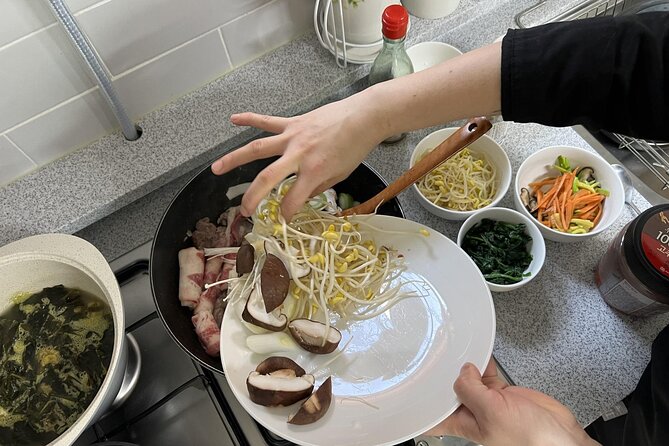
Cooking in Seoul feels personal. In a central Seoul home kitchen, you learn Korean staples like kimchi, bulgogi, and bibimbap while cooking side by side with your host. I like that it is private and hands-on, not a staged demo, and you end up eating what you helped make right there.
Your only real heads-up is the home setting. You need to take off your shoes, and you should be ready for a casual, at-home flow instead of a formal restaurant experience. If you hate walking even short distances, note that the optional Mangwon Market add-on involves about a 10 to 12 minute walk from the home.
Key points to know before you go
- Private class in a local home with only your group
- Two dishes from scratch in a hands-on 1-hour cooking block
- Eat together afterward with soup, kimchi, and a glass of soju
- Mangwon Market option for seasonal ingredients and a snack stop
- Shoes off at the door, with indoor sandals provided
- Dietary options available (gluten-free, vegetarian, vegan), if you request ahead
A Private Korean Kitchen in Central Seoul, Not a Restaurant Show
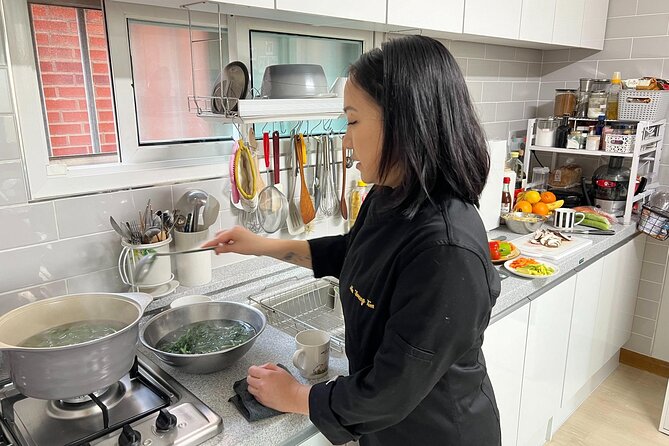
This is the kind of Seoul food experience that puts you inside Korean daily life, not behind glass. Instead of watching someone cook from a distance, you work at the counter with your host, using fresh ingredients that actually matter to Korean cooking. And the fact that it is a private setup helps a lot. You can ask questions in real time, slow down for technique, and talk through what you are making instead of racing with a larger group.
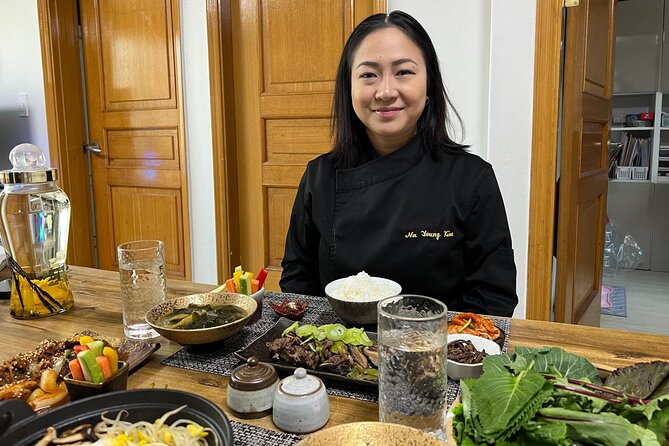
The class is described as being based with your host Na Young in her kitchen, and the broader set of hosts can vary by date. In past sessions, people also referenced hosts named Jessie and Steven, with the same theme: strong hospitality, clear explanations, and an easy, friendly pace. In other words, this is designed around a real conversation, not just filling out checklists.
One practical cultural detail matters. Korean homes usually mean shoes off at the entry. The good news is the host provides indoor sandals so you can move around comfortably once you step inside. If you come in socks that you are willing to wear in a home, you will be fine.
A few more Seoul tours and experiences worth a look

The 3-Hour Flow, From Cooking to Sitting Down
The whole experience runs about 3 hours, and it is structured so you get both the work and the reward. You typically start with a cooking block that is hands-on and time-focused, then you eat together, and if you selected the market option, you fit in a short market walk before or alongside the cooking day plan.
The cooking part is set up as a true do-it-yourself class. You are not just chopping while someone else does the heat and timing. You are doing the cutting, mixing, and stirring, with guidance so you understand what you are aiming for. That hands-on aspect is a big reason this class earns a perfect rating from the reviews you do have, with people repeatedly pointing to the food and the company as the standout combo.
After you finish cooking, you sit down and enjoy the meal you made. You are not eating a tiny sample either. The class includes a homecooked Korean meal with soup and kimchi, plus the glass of soju. It is a full meal, which makes it feel like more than a cooking workshop.
Cooking Two Dishes from Scratch, and Why That Matters
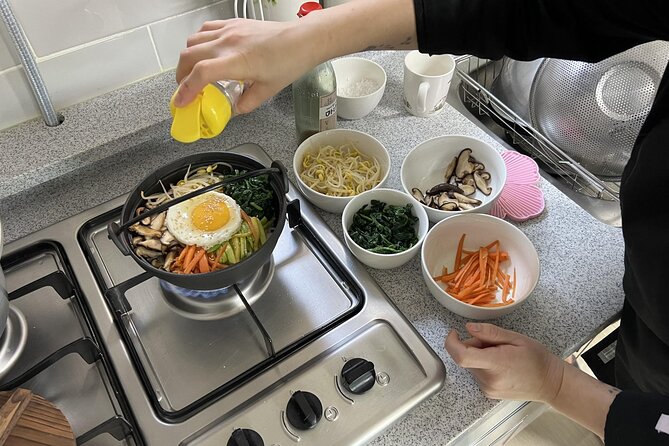
You will make two traditional dishes from scratch, and the menu can vary by season. The examples given are Korean favorites like bulgogi and bibimbap, and the overall class also centers on key building blocks of Korean cuisine such as spicy flavors and fresh ingredients.
What makes two dishes a sweet spot is that it teaches more than one idea. With Korean cooking, technique and ingredient handling both matter. One dish often lets you practice seasoning and balance, while another pushes you toward assembly, texture, or a different flavor base. When you do both yourself, the skills transfer. Later, if you try to cook at home, you are not starting from zero.
From the experience descriptions and the way people talked about the class, you can expect you will spend most of the time actively cooking, not hovering. Reviews mention chopping, mixing, and stirring with the host explaining techniques and ingredients as you go. That is the difference between tasting Korean food and understanding how Korean flavor gets built.
If you have dietary needs, this is where you should communicate early. The class states that gluten-free, vegetarian, and vegan diets are available. The menu can also vary with the season, so it is smart to mention any restrictions at the time of booking so your host can adapt the dishes you will prepare.
Bulgogi, Bibimbap, and Kimchi Energy on Your Plate
Korean meals are not just one dish. The heart of Korean comfort food is the way different elements work together. That is why you do not only cook one plate and move on. Your meal includes soup and kimchi alongside what you cooked, and that setup teaches a lot about how Koreans actually eat.
Kimchi is a core example. Even if you have tried kimchi before, a home-cooked meal tends to show you the texture and how it fits with the rest of the menu. And because the class emphasizes fresh, diverse ingredients, you are less likely to end up with food that tastes generic or overly packaged.
The soju glass matters too, mostly because it adds a real cultural ritual. You will be sitting down like the meal is meant to be shared, not eaten in a hurry. If you do not drink alcohol, you should still go, but you should plan ahead by asking the host at booking whether there is an option for a non-alcohol replacement. The class description says a glass of soju is included, so you cannot assume substitutions are automatic.
Mangwon Market Optional Add-On: Snacks, Seasonal Produce, and Shopping Real Life
If you pick the Mangwon Market add-on, you get an extra layer of understanding. Mangwon Market is described as a spacious indoor market known for fresh local produce, spicy snacks, and prepared foods. You explore stalls with Na Young for about 30 minutes, and you also sample a traditional Korean snack.
The market part is valuable because it makes Korean cooking feel less abstract. You see seasonal ingredients first, then later you handle similar ingredients in the kitchen. It is a simple logic loop, but it helps your brain connect the food to its raw materials.
Practical detail: the market is about a 10 to 12 minute walk from the home. That is manageable for most people, but it is still a walk on city sidewalks. Wear comfortable shoes, especially since you will also be in a home afterward where you remove them at the door.
One more advantage reported in reviews is that people enjoyed visiting a nearby market area to sample street food and purchase fresh vegetables for the cooking later. Even if your exact snack choices vary day to day, the overall payoff is the same: you leave with ingredient knowledge that you can use again, plus the fun of eating your way through a local market moment.





Price and Logistics: Is $122 Fair for a Private Home Class?
At $122 per person for a private Korean cooking class, the first question is always value. Here is how I see it.
You are paying for three things at once:
- A private host-led class in a home kitchen
- A meal made from the dishes you cook, plus soup, kimchi, and a glass of soju
- Optional guidance through Mangwon Market, including a guided visit and snack sampling if selected
Many cooking classes charge similar money for a group session and then add costs for food, drink, or market time. In this case, the meal component is built in. Also, private time matters. Having a host like Na Young, or another host such as Jessie or Steven depending on your date, means you get direct feedback while you cook. That is hard to replicate in a larger class.
The other logistics are fairly straightforward. Hotel pickup is not included, but the meeting point is in central Seoul, near public transportation. You also get a mobile ticket. If you are confident with subway navigation, you can handle the meeting point without stress.
If you are not, message the host. The guidance explicitly says you should WhatsApp Na Young or call for help with directions or if you are running late. That is a small detail, but it is one of those travel-saving moves that can prevent a whole evening of confusion.
Dietary Needs and Small Rules That Make the Day Go Smooth
This class is built with flexibility in mind, but you have to speak up early. The info says you can request gluten-free, vegetarian, and vegan diets. It also says the menu may vary depending on the season. That combination means your safest plan is to share your needs clearly at booking, not after you arrive.
Two more practical rules can catch people off guard:
- Shoes off inside the home, with indoor sandals provided
- Your host can host only one child per experience
That child limit matters if you are traveling with kids. If you are, it is worth confirming details early so you are not surprised by space constraints once you arrive.
Also keep in mind the class is private. That usually means your schedule is protected for your group, not shared with strangers. From a comfort standpoint, that is a big deal if you want a relaxed pace while cooking and eating.
Who This Class Is Best For in Seoul
This cooking class is a great fit if you want more than a meal. You want the how, not just the final result. It suits:
- Food lovers who like learning ingredients and techniques
- Couples or small groups who want a private activity with real conversation
- People who want to combine cooking with a market walk, especially if you like seasonal produce
It is also a good choice if you want an authentic Seoul home experience without trying to navigate everything alone. The structure is simple: cook, eat together, and optionally visit Mangwon Market.
Who might want to skip it? If you only want tasting in a low-effort way, this may feel like work. You are actively chopping and cooking, not just sampling. Also, if soju is a dealbreaker and you did not plan for an alternative, you might feel uneasy during the meal segment.
The Best Way to Prepare Before You Arrive
To get the most out of your 3 hours, show up with the mindset of a beginner who wants to learn. You do not need Korean cooking experience. The class is designed for learning firsthand, and reviews highlight how hosts explained ingredients and techniques while participants cooked.
If you are planning to do the market option, eat lightly before you go. Market snacks and street food sampling can build hunger quickly, and then you will still cook and sit down for a full meal afterward. Bring a tote bag if you like to carry any market items, but do not assume the class will let you take everything home. Stick to what your host suggests.
Lastly, plan for comfort. You will be moving around a home, then possibly walking to Mangwon Market, then cooking. Comfortable clothes and shoes go a long way.
Should You Book This Seoul Home Cooking Class?
Book it if you want a private Korean cooking experience in a real home, with a professional host and a meal that you make yourself. The best part is the balance: you cook two traditional dishes, then you sit down and enjoy the full meal with soup, kimchi, and soju. Add Mangwon Market and you get an ingredient story that makes the cooking click.
I would think twice if you want a hands-off, purely tasting-based activity, or if the idea of shoes off in a home sounds stressful. Also, if you drink little or no alcohol, message the host ahead so you are not stuck figuring it out at the table.
FAQ
How long is the Korean cooking class experience?
The experience lasts about 3 hours.
Is the class private?
Yes. It is a private tour or activity, and only your group participates.
What will I cook during the class?
You will cook two traditional Korean dishes from scratch. Bulgogi and bibimbap are given as examples, and kimchi is also a key part of the experience. The exact menu may vary by season.
Is Mangwon Market included?
Mangwon Market is optional. If you select the market tour, you get a guided tour of Mangwon Market for about 30 minutes.
What is included with the meal?
After cooking, you sit down to enjoy a homecooked Korean meal that includes soup, kimchi, and a glass of soju.
Can the class accommodate dietary restrictions?
Yes. Gluten free, vegetarian, and vegan diets are available. You should advise your dietary requirements at time of booking.
Do I need to take my shoes off?
Yes. You must take off your shoes before entering the host’s home. Indoor sandals are provided.
Where does the experience meet?
The meeting point is at 247-111 Seogyo-dong, Mapo-gu, Seoul, South Korea. The activity ends back at the meeting point.
What is the cancellation situation?
The experience states all sales final and is non-refundable and cannot be changed. At the same time, it notes a 48-hour cancellation option is offered for added flexibility.
Is pickup from my hotel included?
No. Hotel pickup and drop-off are not included. The meeting point is near public transportation.
More Workshops & Classes in Seoul
More Tour Reviews in Seoul


Not for you? Here's more nearby things to do in Seoul we have reviewed


Seoul Cooking & Kimchi Classes, compared.
 ★ 5.0Local Home Korean Cooking Class & Market Adventure in SeoulFrom $911,024 reviews
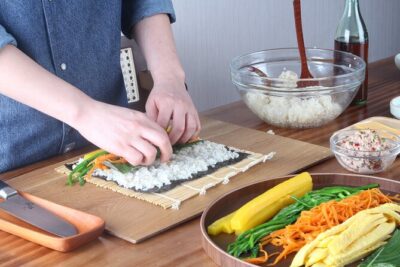 ★ 5.0Master Korean traditional cooking with a Kimchi chefFrom $85385 reviews
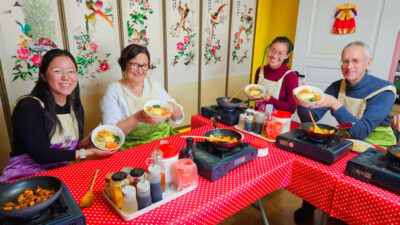 ★ 5.0Korean Cooking Class at a Local Home and Market TourFrom $98348 reviews
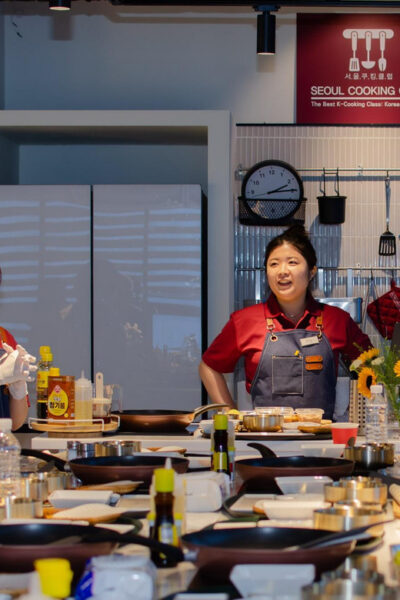 ★ 5.0Korean Cooking at Seoul Cooking Club!From $109311 reviews
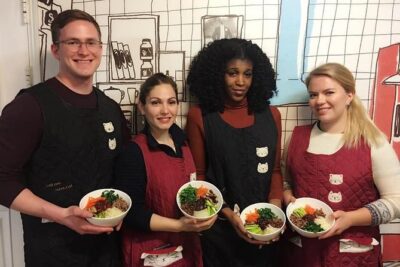 ★ 5.0Cook 3 Authentic Korean Dishes with Local Market TourFrom $79231 reviews
 ★ 5.0Korean Cooking at Seoul Cooking ClubFrom $109220 reviews
Experience Korean Cooking in Modern Hanok KitchenFrom $87118 reviews
 ★ 5.0Korean Cooking Class with Grocery Shopping at Seoul Local MarketFrom $91107 reviews
Browse the lists this tour appears in