

Reviewed · BUSAN DAY TRIPS FROM SEOUL
7 days Flexible Tour for Major Cities(Seoul,Busan,Gyeongju etc)
A week from Seoul’s palaces to Busan’s sea views feels smooth. This flexible private tour strings together the big sights with real guidance, from Gyeongbokgung and Bukchon to the DMZ and night stops in Gyeongju. If you want a trip that feels planned, not stressful, this is built for that.
I love how many of the major entrances and timed stops are handled for you, so you spend less time buying tickets and more time seeing the sites. I also like the way the schedule balances classic landmarks with photo-ready moments and local culture, from Gwangjang Market snacks to Wolji Pond at night. On paper, it is a lot in seven days, but the pacing is guided.
One possible drawback: the days are packed, and you will do walking and stairs at several stops. Meals are not included, and you may need to pay for a separate cable car fare on one Seoul viewpoint, so plan a little extra money and appetite.
Key highlights worth knowing
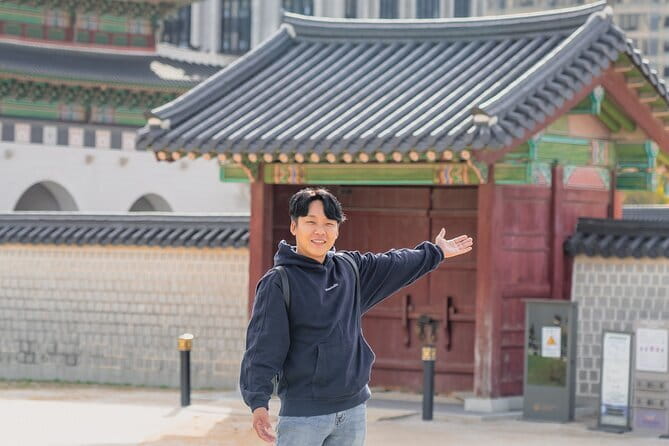
- Private minivan and airport transfer make day one and day seven feel painless
- DMZ access with smart routing includes a public bus segment and a tunnel visit
- Evening timing is intentional with Han River cruising and night views in Gyeongju
- Flex days and swaps are real so your trip does not have to follow a rigid script
- Hun and Sean’s style is personal and they tailor the route to what you want to see
A Seoul-to-Busan Loop With Flexible Day Planning
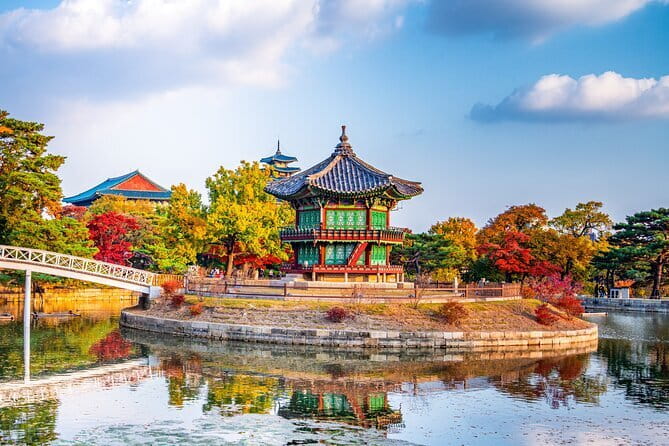
This 7-day tour is designed as a major-cities circuit: Seoul first, then a serious historical day at the DMZ, then down to Gyeongju, and finally ending in Busan. It starts at 10:00 am, and pickup is offered, with airport transport included. You can also choose whether you return to Seoul with the tour or leave from Busan at the end.
What makes it feel different is the flexibility built in. The days do not have to be in a straight line, you can add time off, and you can request additional touring where it fits. That matters if your flight times are awkward or if you want one calmer day to recover from jet lag.
Also, this is a private tour for your group only. That usually means less waiting around and more control over pacing, especially on stops like temples and market areas where you might want time for photos and browsing.
A few more Seoul tours and experiences worth a look


Price, Tickets, and Why the Cost Can Be Fair
The price is $2,000 per person, which sounds steep until you look at what is inside the package. Entrance tickets for the itinerary are included, plus fuel, tolls, parking, and bottled water. You also get an English driving tour guide, with 1 to 2 guides depending on the group, and the tour uses mobile tickets.
Here is where the value shows up for real life: if you are visiting palace complexes, museums, and special attractions across multiple cities, the ticket buying and timing can become its own second trip. This tour reduces that friction. You still need to handle meals, but the big logistics of getting into places are taken care of.
One key exception to note: the cable car ticket for the N Seoul Tower is not included, so you should budget separately for that. And while some stops are free (like the Gangnam Style statue), most paid entrances in the plan are included.
Day 1 in Seoul: Gyeongbokgung, Bukchon, Insadong, and Gwangjang
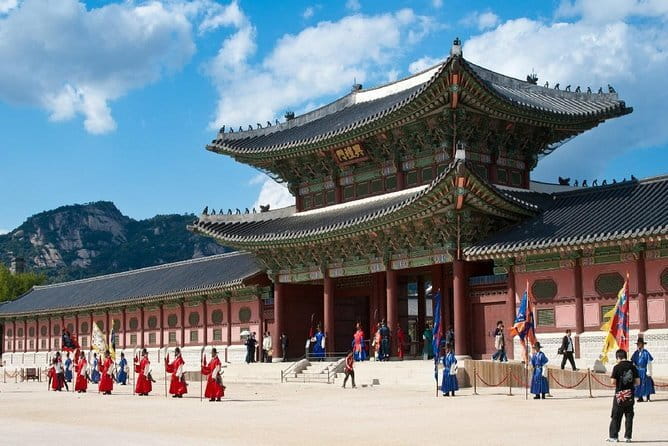
Day 1 is classic Seoul, and it is the right way to start. You begin at Gyeongbokgung Palace with a guided visit that covers the main palace of the Joseon Dynasty. The palace is large, and you get time for the best photo spots while learning the stories behind the grounds. Plan for some walking here, because palaces are big even when the schedule feels efficient.
Next is Bukchon Hanok Village, a traditional neighborhood tied to the noble class. This is not just a view from the street. You go inside and explore homes, which helps you understand what Korean life looked like beyond the palace walls.
From there you head to Insadong, known for traditional crafts and cozy tea stops. This is a great place to reset after the palace, especially if you want something slower and more sensory. The day closes with the War Memorial of Korea, then Gwangjang Market for local food browsing. The market stop is one of the best “culture plus calories” moments in the entire week, because your guide explains the history and points you toward specialties.
Practical note: this day includes multiple ticketed attractions, so it tends to run full. If you have a very tight arrival day, you will want to be sure you can start at 10:00 am comfortably.
Day 2 in Seoul: N Seoul Tower, Bongeunsa, Starfield, and the Han River Cruise
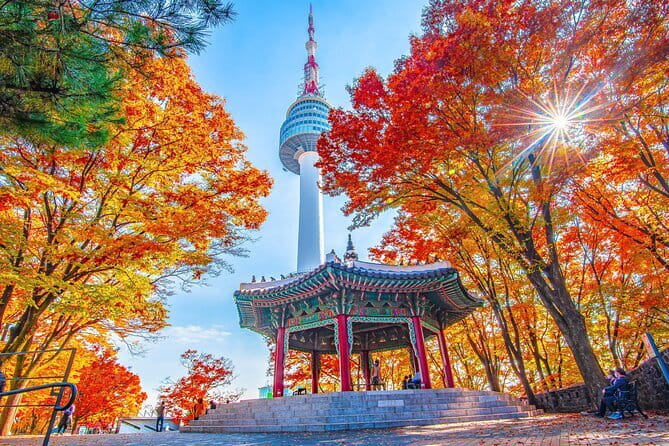
Day 2 shifts from royal Seoul to city views, then to calm. You start with N Seoul Tower, where your guide takes you up the mountain and helps you get pictures. The tower part is included, but the cable car fare is not, so you should prepare that separately.
Then it is down to temple atmosphere at Bongeunsa. You will walk around while the guide covers the background and meaning, and you may spot colorful lanterns and lotus flowers along the grounds. It is a nice contrast to the palace-heavy vibe from Day 1.
For a photo stop, you go to Starfield Library, famous for the book-filled interior and social media angles. If you would rather swap it for something more traditional, there is an option to replace this stop with a traditional Korean village.
A quick, fun break comes next with the Statue of Gangnam Style, a free stop that takes only about 10 minutes, but it adds a pop-culture moment to balance the older historical sites.
You end with the Han River: an E-Land cruise where you board at night and enjoy the views. Before you cruise, you will eat chicken or noodles together. This is one of those stops that feels like a payoff, because you go from indoor monuments to a wide-open night view over the water.
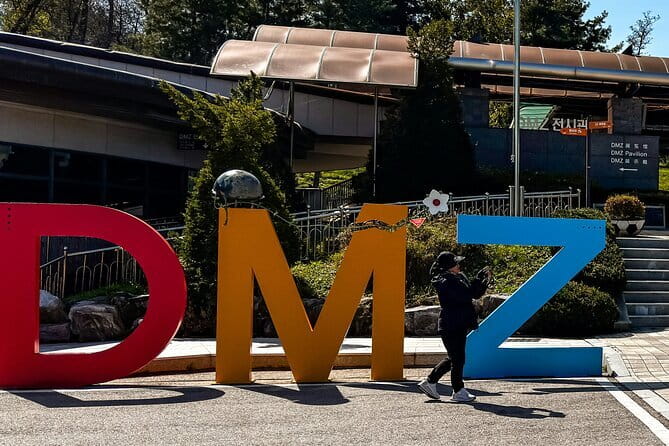
Day 3 DMZ Reality Check: Imjingak, Third Tunnel, and Dora Observatory
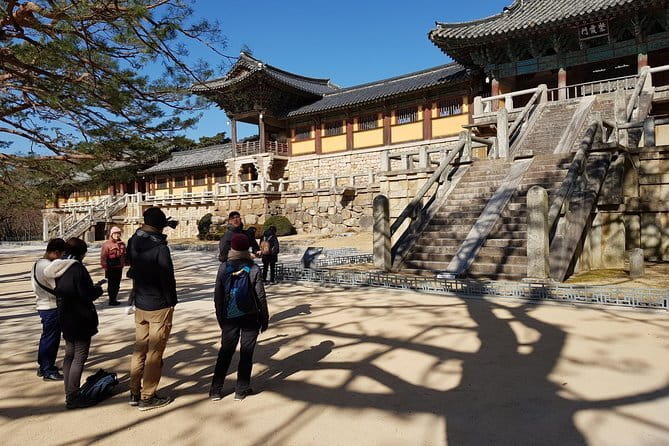
Day 3 is the emotional center of the whole tour. You begin at Imjingak Pyeonghoa-Nuri Park, a place of reflection before you ever cross into DMZ territory. You see the Bridge of Freedom and an abandoned steam train, plus other historical features, and your guide sets the context before you go further.
Then you head into the DMZ. Here’s the practical part that matters: private cars are not allowed to drive inside the DMZ area. You still tour privately, but you transfer to a public bus for the movement inside the DMZ. That setup can sound complicated, but it is exactly how tours operate there, and your guide handles it.
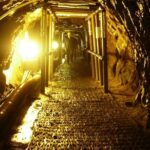
The highlight follows with the Third Tunnel, where you enter one of the tunnels open to tourists. It is 73 meters deep, and the round trip takes about 20 minutes. You also learn the idea behind it, including a mention of estimates about North Korea’s potential movement capacity through the tunnel. That kind of detail is why this day feels heavier than a typical sightseeing day.
Next is Dora Observatory, where you see North Korea and hear explanations about life under restrictions. After that, you visit the Museum of Modern History of Korea, one of the stronger museums for linking the Korean War to everyday life in the 1950s and beyond. If you only do one “serious” day in Korea, make it this one.
If you are sensitive to heavy topics, pace yourself, drink water, and plan quiet time after. This day runs on content, not just scenery.

Day 4 Fortress Seoul and a Folk Village Film Set
Day 4 is Seoul with fortress energy. You start at Banghwasuryujeong Pavilion (Dongbukgakru), a stunning spot with a story tied to a Joseon king, including why it was chosen. Your guide connects architecture to court life, so it feels more than scenic.
Next is Janganmun Gate, which carries tragic history connected to that same king. You can also see bullet holes from the Korean War, so this gate is a real marker of modern history layered onto older stonework.
From there you visit Yeonmudae (Dongjangdae), the commander’s center where soldiers trained. You even get a chance to try archery, which is a big change from watching history, because you get a hands-on moment. Then you move to Changryongmun Gate, notable for its unique design and how the builders used clever planning.
The day finishes at Korean Folk Village, a large filming location used for many historical dramas. The walking sounds like a lot on paper, but your guide stays with you, showing traditional agriculture, houses, and performances. This is one of the best days for turning history into something you can picture, because it includes daily-life scenes and performances rather than only monuments.
Day 5 Gyeongju Transfer and a Space Walk Reset
Day 5 begins the shift from Seoul to Gyeongju, and it is structured to keep you from feeling like you are only “traveling.” You travel toward Gyeongju and stop for 1 to 2 attractions along the way. You also enjoy an amazing lunch in Pohang, which is a practical reward after getting out of Seoul traffic mode.
The Gyeongju portion is listed as admission-free for the attractions on that day, but the real value is the time in the region and the reset from the constant palace and museum rhythm. This is your transition day, so it is a smart place to keep expectations flexible.
After that, you get Space Walk, a stop designed as a fun break after a long drive. The description emphasizes that it is safe and guided. Your guide joins you, which helps if you are unsure what to expect at a quirky attraction.
This is the day I recommend for people who want both structure and breathing room. You are not just rushing from one old site to the next. You get a meal moment and a playful activity before the deeper Gyeongju history kicks in on Day 6.
Day 6 Gyeongju Night Views: Coin Bread to Wolji Pond
Day 6 is where Gyeongju turns into a full sensory experience: ancient tombs, local street snacks, and night landscapes that make the whole week feel worth it.
You start at Daereungwon Tomb Complex, mostly dating from the 4th to 6th centuries. The tombs have remained intact due to special construction methods, and you can enter one open tomb to see valuable artifacts. It is the kind of stop that feels quiet and grounded, especially after the emotional intensity of the DMZ day.
Then you stroll along Hwanglidangil, a local street famous for “coin bread.” That snack stop is not an afterthought here. It is a simple way to taste local street culture without having to figure out what to order while you are tired.
Next is Woljeonggyo Bridge, originally built in 760 and rebuilt after time and destruction. You visit at night because the view is especially stunning then. That night timing keeps the day from feeling like a checklist, and it gives you an easy win for photos.
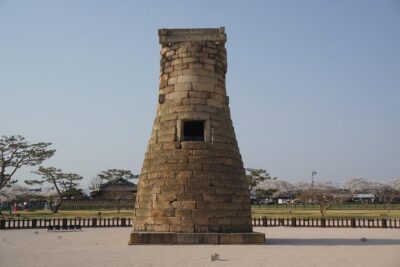
You continue to Donggung Palace and Wolji Pond, reconstructed based on historical records, with a magical view at night. After that, you visit Cheomseongdae Observatory, built in 633 and often cited as among the oldest observatories. The theme ties into ancient agricultural life and the importance of constellations.
You finish with the Gyeongju National Museum, where you see real original treasures, including crowns and other artifacts. This museum stop helps you connect what you just walked past outside to real objects inside.
Day 7 Busan Finish: Gukje Market, Songdo Cable Car, Haedong Yonggungsa, and Bamboo
Day 7 swings to the coast and the everyday energy of Busan. You start at Gukje Market, known for strong commercial roots because Busan was not occupied by North Korea. It is lively, and prices can feel affordable compared with tourist-heavy shopping areas. You browse textiles and everyday goods with a guide, so you do not have to translate and guess.
Then you take the Songdo Cable Car, which is free in this itinerary. If you are afraid of heights, you can switch to the Sky Capsule, which is lower and has a transparent floor for better views. That flexibility is useful because it means you can still get the ocean perspective without forcing your comfort level.
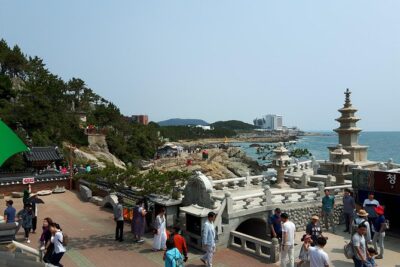
You next visit Haedong Yonggungsa, a temple by the ocean. The tour description calls it the most beautiful temple in South Korea, and the key practical point is the view right from the grounds. You get a full hour there, which gives you time to slow down.
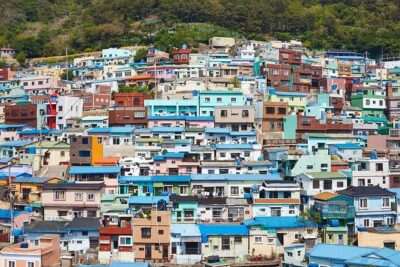
After that, you head to Busan Gamcheon Culture Village, known for its colorful houses and a sad history tied to refugees who built and lived there. Your guide explains why the community formed and how people live today, which adds meaning beyond the postcard angles.
You wrap with Ahopsan Forest, a peaceful bamboo walk. The tour ties bamboo to cultural symbolism of nobility and uses the forest as a quiet ending after the city energy. It is a great “cool down” before you fly.
So, Should You Book It?
Book this tour if you want a private, guided week that hits major cities and the DMZ without making you coordinate tickets, timing, and intercity logistics yourself. I think it is especially good for first-timers to South Korea who want a mix of royal sites, temples, markets, and at least one heavy-hitter history day. The guidance style seems to land well with families too, and the notes about Hun and Sean feeling like friends are the kind of thing that turns a checklist trip into an easier one.
Skip it or consider a lighter version if you know you dislike fast-paced schedules. Meals are not included, and you will be walking at multiple stops. Also, remember the N Seoul Tower cable car fare is not included, so bring some spare cash for that.
If your priority is value through planning and less hassle, this is one of those packages that can actually feel worth the money.
FAQ
What cities are included in the 7-day tour?
The tour covers Seoul and includes stops that bring you to Gyeongju and Busan as well.
What time does the tour start?
The start time is 10:00 am.
Is airport transport included?
Yes. Airport transport is included, and you can either go back to Seoul with the tour or leave from Busan.
Are entrance tickets included?
All entrance tickets on the itinerary are included. The N Seoul Tower cable car ticket is specifically noted as not included, while some items like the Gangnam Style statue are free.
Is the tour private?
Yes. It is a private tour, and only your group will participate.
Is hotel or lodging included?
No. Hotel is not included, but the guide can help you book.
Are meals included?
No. Meals are not included.
Can the itinerary be flexible or changed?
Yes. The days do not have to be in a row, you can take a day off, and you can add more tours. You can also leave from Busan or return to Seoul with the group.
What is the cancellation refund timeline?
You can cancel up to 6 days in advance for a full refund. For a 50% refund, you must cancel 2 to 6 days before the start time. If you cancel less than 2 days before, the amount is not refunded.
More 7-Day Experiences in Seoul
More Tours in Seoul
More Tour Reviews in Seoul
Not for you? Here's more nearby things to do in Seoul we have reviewed


Busan Day Trips from Seoul, compared.
 ★ 5.0Busan city tour from Seoul by KTX bullet trainFrom $41539 reviews
 ★ 4.55-Day Korea Golden route by K-shuttle Tour from Seoul Including Busan, YeosuFrom $99937 reviews
 ★ 4.5Small Group 7D Korea package Tour with Seoul Gyeongju Busan JejuFrom $1,98813 reviews
 ★ 4.53-Days 2-Nights Gyeongju UNESCO Sites & Busan City [Private Tour from Seoul]From $1,10411 reviews
 ★ 5.0Busan Day Trip from Seoul by KTX – Private Tour with Local GuideFrom $3989 reviews
 ★ 4.5Jinhae Cherry Blossom + Busan Sunrise from SeoulFrom $1085 reviews
 ★ 4.53-Day Korea Western course by K-shuttle Tour from Seoul to BusanFrom $7494 reviews
 ★ 5.0Busan day trip including Gamcheon culture village from Seoul by KTX trainFrom $4543 reviews
Browse the lists this tour appears in