
Reviewed · BUSAN DAY TRIPS FROM SEOUL
5-Day Korea Golden route by K-shuttle Tour from Seoul Including Busan, Yeosu
Five days, a lot of Korea. This K-shuttle Golden Route is a first-timer friendly way to connect Korea’s past and present, with guided stops from Jeonju hanok streets to UNESCO temple stones and coastal seafood vibes in Busan.
I like that you get a guide who keeps the day moving with context, not just photos. I also like the value angle: 4 nights with breakfast is included, and all transportation between towns is handled for you.
The main drawback is simple: this is a packed, fast-paced itinerary, and some hotel room standards can vary, so don’t expect everything to feel brand-new.
Key things that make this tour work
- English-speaking guide at every stop so you understand what you’re seeing, especially at historic sites
- Hanok + folk village culture at Jeonju Hanok Village and Andong Hahoe Folk Village, not just city sightseeing
- UNESCO wow-factor with Bulguksa plus Seokguram, built of stone history you can actually walk through
- A long south-to-north route that mixes Baekje-era tombs, nature areas, and the coast
- Most costs are predictable, since transport and lodging are built in, while a few attraction fees are optional
Price, pace, and who this is best for
At $999 per person for a 5-day, 4-night tour, the price makes sense if you value two things: stress-free logistics and a full “sampler platter” of Korea. You are not paying separately for intercity transport, and you’re not spending your travel days figuring out schedules or translation.
This is also a group tour with a maximum of 50 people, so it’s big enough to be comfortable, but small enough that your guide can still manage the flow. The pace is the trade-off. You’ll do a lot each day, and there’s a moderate walking amount, so bring good shoes and expect motion.
Who it suits best:
- First-time visitors who want a clear route across the country
- Travelers who prefer guided stops over independent driving
- People who want history and scenery, without having to plan train times
A few more Seoul tours and experiences worth a look
Meeting point in Seoul and how the day starts
Your day begins at 8:00 am, meeting at the parking lot by Dongwha Duty Free Shop near Gwanghwamun Intersection, around subway exit 6. The official start location is listed as 149 Sejong-daero, Jongno District. The practical takeaway is this: get to Gwanghwamun early, since your group is starting the bus day from that area.
The tour ends around 18:00 pm outside Dongwha Duty Free Shop. That end time matters if you’re booking a last dinner plan close by. It also means you’re not dragged into a late-night transfer back into the city.
Day 1: From Gyeongbokgung-area Seoul into Baekje tombs and Jeonju hanok
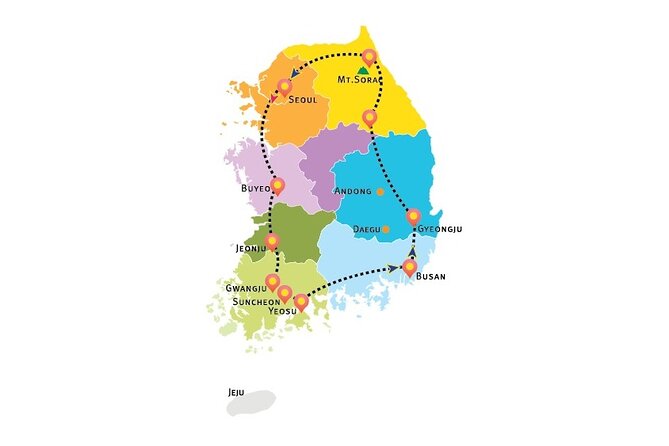
Day 1 is where the tour sets its “Korea in miniature” tone. You start with classic, high-impact history and then end in a living traditional neighborhood.
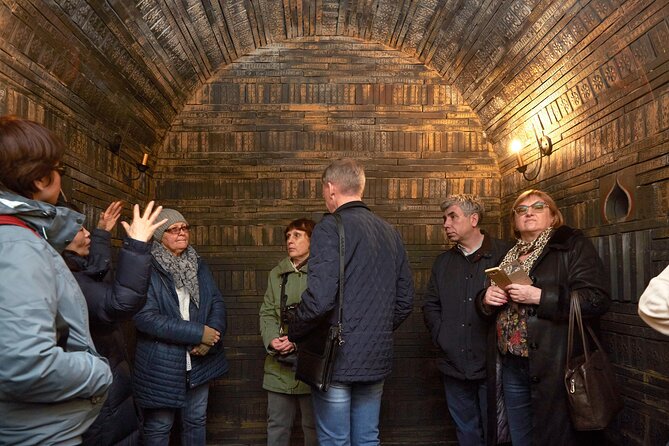
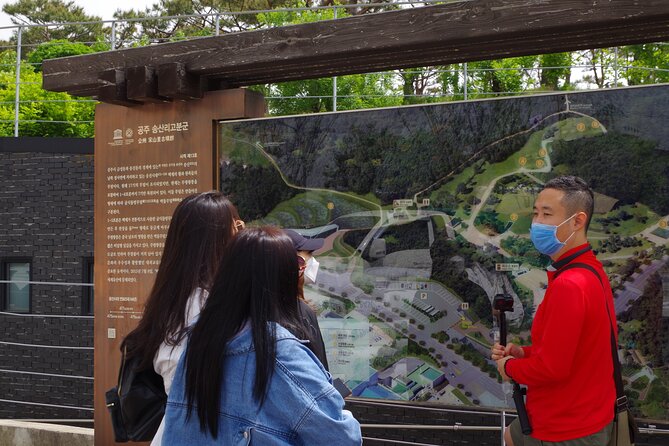
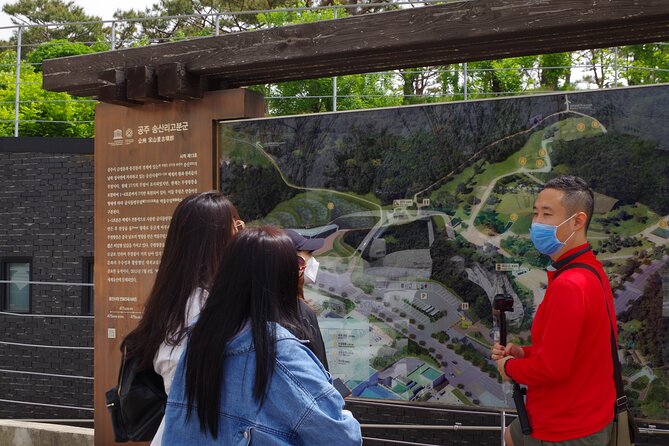
Songsan-ri Tombs and Royal Tomb of King Muryeong
You’ll visit the Songsan-ri Tombs and the Royal Tomb of King Muryeong, linked to the Baekje period (234 to 678). King Muryeong’s reign is given as 462 to 523, and the focus here is not vague museum facts. It’s the feeling of stepping into royal burial grounds tied to a real kingdom.
If you like history that connects dates to places, this stop does well. A guide can explain what the structures mean and why Baekje heritage shows up across Korea.
Gongju Gongsanseong Fortress views
Next comes Gongsanseong Fortress, a mountain fortress built during Baekje. The best part is that you’re not just looking at stones, you’re also getting the viewpoint element. The route includes the Geumgang River-side scenery look, and it’s a good mental reset from tomb scale.

Jeonju Hanok Village, raised-roof charm
Day 1 ends with Jeonju Hanok Village. The highlight isn’t only that it’s a hanok district. It’s the look: roof edges slightly raised toward the sky. Even if you only have time for a walk and a few photos, the street layout and architecture give you a stronger sense of traditional Korea than a single museum stop.
A practical tip: Jeonju can be busy in peak times. If you care about slower photo time, go at the moment your guide says to spread out, not during the first rush.
Day 2: A democratic memorial, Suncheon Bay nature, and Admiral Yi
Day 2 mixes serious modern history with a nature stop that changes the pace.
May 18th National Cemetery
The May 18th National Cemetery is a symbolic stop: it honors victims tied to the struggle for democracy in May 1980. Since it’s in front of Mudeungsan Mountain, it also feels less like a detached memorial and more like a place set in real terrain.
This is one of those stops where a guide’s framing really matters. It helps you understand why the site is treated as a symbol of freedom and democracy, not just a graveyard visit.
Suncheon Bay Garden, conservation by design
Then you shift to Suncheon Bay Garden, built to turn a natural habitat into a conservation area. The numbers are striking: 505+ tree species and 113+ flower species. Even with limited time, you’ll feel the point of the garden, which is conserving biodiversity rather than only putting on a show.
Statue of Admiral Yi Sun-Sin
You also stop at the Statue of Admiral Yi Sun-Sin. The description ties Yi Sun-sin to the Imjin Waeran War (1592 to 1598) and explains why the site was used as headquarters. This is a good pairing with the other “Korea under pressure” themes you’ve already started seeing.
If you’re the type who likes war history that includes leaders’ decisions, this stop will click.
Day 3: Busan fortress, Jagalchi seafood energy, and Haeundae sea air
Day 3 is where the tour turns coastal. You still keep history in the mix, but the mood shifts fast.
Jinjuseong Fortress
You visit Jinjuseong, a fortress historically linked to the Japanese invasion in 1592. The site’s earlier names are included, and that helps you see how place names and control can change across eras.
Jagalchi Market, Korea’s big seafood hit
Then you get the famous energy of Jagalchi Market, described as the largest seafood market in Korea, selling both live and dried fish. Even if you don’t go crazy buying snacks, walking through this kind of market is an easy way to understand how coastal Korea eats.
A practical note: markets can mean strong smells and lots of movement. Wear shoes you can stand in comfortably.
Haeundae Beach and the Nurimaru APEC area
You finish with Haeundae Beach, and the stop description connects it to the Nurimaru APEC setting and the blend of modern and natural beauty. This is a good final “air-in-your-face” stop before the tour becomes more heritage and mountains again.
If the weather is clear, spend a little extra time at the edge viewpoints. If it’s windy or rainy, don’t waste time hunting for perfect photos. Let the guide move you to the best sheltered angles.
Day 4: Bulguksa and Seokguram UNESCO stonework plus Hahoe Village
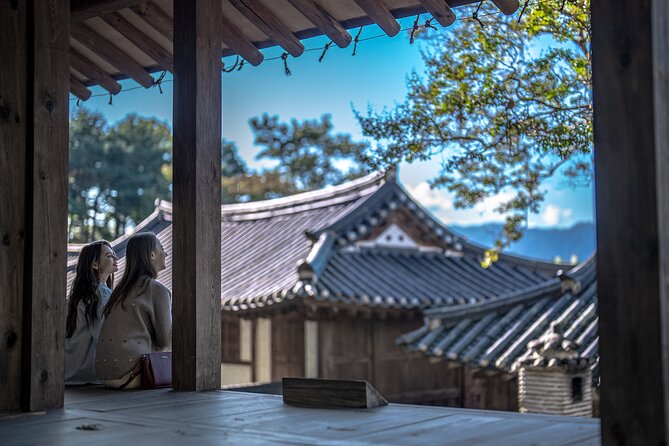
This is one of the tour’s biggest days for anyone who likes UNESCO-level sites.
Seokguram and its Bulguksa connection
You start at Seokguram, described as being built with Bulguksa Temple in mind, and designated as a UNESCO World Cultural Heritage Site in 1995. It’s an artificial stone temple made of granite, which is exactly the kind of material you can appreciate with your eyes and hands-free walking distance.
You also need to watch what’s included versus optional fees. Seokguram entry can involve extra charges, depending on the exact access you’re given.
Bulguksa Temple
Next is Bulguksa Temple, a representative Gyeongju relic and UNESCO World Cultural Asset site, also dated to 1995 in the description. Bulguksa is famous for its stonework and the way the site feels staged in layers. Here, you’re getting that experience directly, not through a quick photo stop.
Andong Hahoe Folk Village, river-wrapped scenery
Then the day ends at Andong Hahoe Folk Village. This stop is built around scenery: the Nakdong River flows around the village, and the description calls out Buyongdae Cliff and ancient pine trees. You also get sandy beaches nearby, which helps explain why Hahoe looks so dramatic in photos.
This is also where you get cultural contrast. After tombs and UNESCO stones, Hahoe gives you a sense of how people lived in a landscape.
Day 5: Pyeongchang Olympic venue stop, then Seoraksan nature
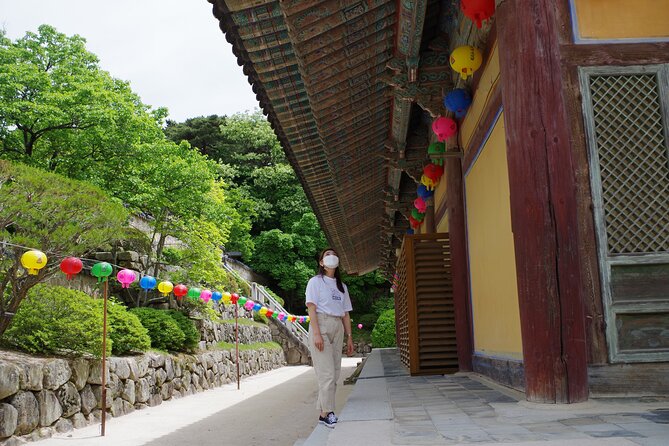
Day 5 is the “finish with nature” plan.
Alpensia Ski Jump Lounge (Pyeongchang 2018 venue)
You stop at Alpensia Ski Jump Lounge, noted as the main venue for the 2018 Winter Olympic Games. The description is specific that it’s the ski jumping stadium venue area, not the tower. This can be a fun, quick contrast if your brain is already tired of history.
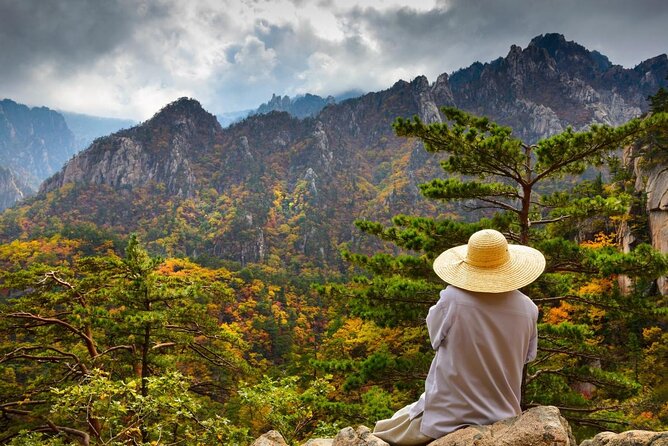
Seoraksan National Park with Sinheungsa
You then go to Seoraksan National Park, with Sinheungsa & Seorak Mountain named in the description. This is not an “easy walk only” stop. The park is about mountain views, valleys, and dramatic scenery, and the tour notes that park admission is not included.
If you can, time your clothing and water planning for cooler air. Even in shoulder seasons, mountain weather can change fast.
Return to Dongwha Duty Free
Finally, the tour ends around 18:00 pm in front of Dongwha Duty Free Shop. Since you started early the day, this finish time keeps you from being trapped in late-night transport.
Hotels and daily comfort: what to expect
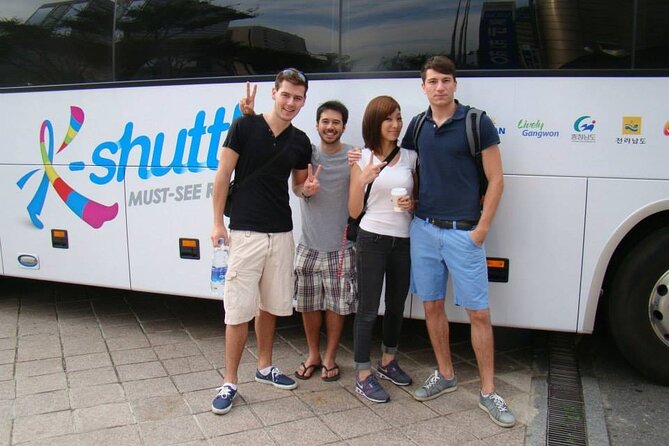
This tour includes 4 nights of accommodation with breakfast. Rooms are available as single or double at checkout, and if there’s an odd group size, a third traveler may use a pullout bed in a double room at no extra charge.
The bigger comfort question is not breakfast. It’s room consistency. Some stops on this style of route can involve older properties, so I’d plan like this: treat the hotels as functional bases, not a luxury stay. If A/C and cleanliness are your top priorities, you’ll feel better if you communicate those needs at booking.
On comfort, you should also plan for a bus ride day. The tour notes moderate walking, and in a long day it matters that your shoes are supportive.
What you learn and why these stops connect
The best part of this route is the pattern. You get several forms of “Korea under layers” in a short span:
- Baekje-era royal heritage at Songsan-ri and Gongju shows early Korea as political power, not just art
- Democracy-era memory at May 18th ties modern identity to specific events in time and place
- Coastal Korea at Jagalchi and Haeundae adds food culture and modern seaside life
- UNESCO stone temples at Bulguksa and Seokguram show why architecture in Korea can feel like spirituality in rock form
- Mountain finishing at Seoraksan makes the route end with scale, not just buildings
And the guide factor matters. Names like Justin Choi, Mina, Brandon, and Cooper appear in guide histories associated with the tour, and the common thread is strong historical storytelling paired with practical handling of the group.
Extra costs to budget for, so you are not surprised
Most of what you need is included: transportation, the English-speaking guide, and lodging with breakfast. But a few costs may appear depending on what you choose on-site.
The tour lists optional charges such as:
- Seokguram Grotto entry (listed as an optional fee)
- Possible monorail costs to the Pyeongchang ski jump area
- Possible cable car ride and temple entry (listed as optional)
- Seoraksan National Park admission is noted as not included
Also, lunch and dinner are not included. That means you should plan your own meal strategy, either by buying on the go near stops or using restaurant recommendations from your guide.
Smart packing and small practical advice
This is not a carry-on-only fantasy trip. Still, you have a specific luggage allowance: one carry-on bag about 24 x 16 x 11 inches. Bring less than you think you need, because you’ll be moving through hotels and buses.
Packing checklist for this route:
- Comfortable walking shoes (moderate daily walking)
- Warm clothes in winter months (the tour specifically recommends it)
- A light rain layer, since the tour states it requires good weather
- A small snack or two for the gaps between included stops
Also, since it’s a mobile ticket experience, keep your phone charged. One day of running around Seoul and coastal cities can drain battery fast.
Should you book this Korea Golden Route with K-shuttle?
Book it if:
- You want an organized first visit to Korea without transport stress
- You care about historical sites, UNESCO temples, and a coastal city moment
- You value 4 nights with breakfast and an included guide
Skip it or adjust expectations if:
- You hate fast schedules and prefer slower, more flexible days
- You have very high standards for hotel room age and cleanliness
- You want all meals included and no optional fees at attractions
If your dream is a single, guided line across Korea that covers history, temples, coast, and mountain air, this tour is a strong fit. Just treat it like a guided highlight reel, not a slow travel vacation.
FAQ
What’s included in the tour price?
Transportation to all itinerary locations, a professional English-speaking guide, 4 nights of accommodation, and breakfast for 4 days are included. A mobile ticket is used.
Are lunch and dinner included?
No. Lunch, dinner, and snacks are not included unless specifically mentioned for a stop.
Where do I meet the tour in Seoul?
You meet near Dongwha Duty Free Shop at the Gwanghwamun intersection, around subway exit 6, at 8:00 am.
Where does the tour end?
The tour ends around 18:00 pm in front of Dongwha Duty Free Shop.
What attractions have optional admission fees?
The tour lists optional fees such as entry to Seokguram Grotto, possible monorail costs to the Pyeongchang ski jump area, and possible cable car ride and temple entry. Seoraksan National Park admission is also listed as not included.
How much walking should I expect?
The tour notes a moderate amount of walking. Comfortable, supportive shoes are recommended.
Is there a luggage limit?
Yes. You’re allowed one carry-on bag around 24 x 16 x 11 inches.
More 5-Day Experiences in Seoul
More Tours in Seoul
More Tour Reviews in Seoul
Not for you? Here's more nearby things to do in Seoul we have reviewed


Busan Day Trips from Seoul, compared.
 ★ 5.0Busan city tour from Seoul by KTX bullet trainFrom $41539 reviews
 ★ 4.5Small Group 7D Korea package Tour with Seoul Gyeongju Busan JejuFrom $1,98813 reviews
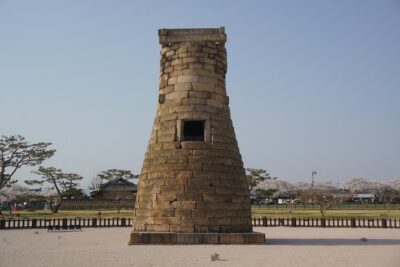 ★ 4.53-Days 2-Nights Gyeongju UNESCO Sites & Busan City [Private Tour from Seoul]From $1,10411 reviews
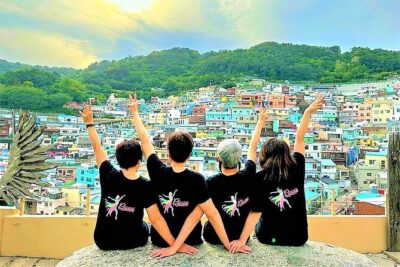 ★ 5.0Busan Day Trip from Seoul by KTX – Private Tour with Local GuideFrom $3989 reviews
 ★ 5.07 days Flexible Tour for Major Cities(Seoul,Busan,Gyeongju etc)From $2,0005 reviews
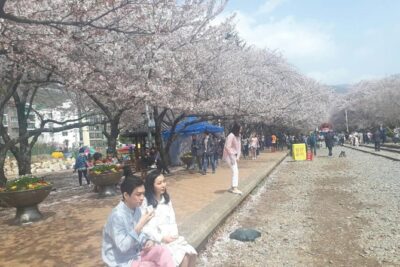 ★ 4.5Jinhae Cherry Blossom + Busan Sunrise from SeoulFrom $1085 reviews
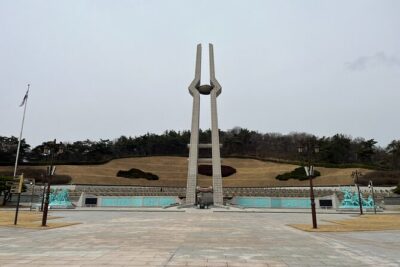 ★ 4.53-Day Korea Western course by K-shuttle Tour from Seoul to BusanFrom $7494 reviews
 ★ 5.0Busan day trip including Gamcheon culture village from Seoul by KTX trainFrom $4543 reviews
Browse the lists this tour appears in