
Reviewed · BUSAN DAY TRIPS FROM SEOUL
Jinhae Cherry Blossom + Busan Sunrise from Seoul
A long cherry blossom day starts at night. This trip strings together Jinhae Cherry Blossom Festival viewing with a Busan sunrise stop, and it’s built for people who want the scenery without planning every bus and train leg themselves. I like that you get round-trip transfer support from central Seoul, then multiple cherry-flower “hit points” once you reach Jinhae.
One possible drawback: this is a long, no-sleep ride, and cherry blossoms are timing sensitive, so the experience can swing if blooms are already fading.
The biggest reason this tour works is simple: it moves you between the best viewing areas while you’re still fresh enough to enjoy them. I also like the tour cap (up to 100 people) and the fact that you get English-speaking staff and a mobile ticket, so the day stays low-stress. The consideration is that the itinerary is fixed, meals and drinks are not included, and you may be tired when you’re trying to catch the best light.
Key Things I’d Watch Before Booking
- A night start, no sleep return: plan for a long day, not a restful trip
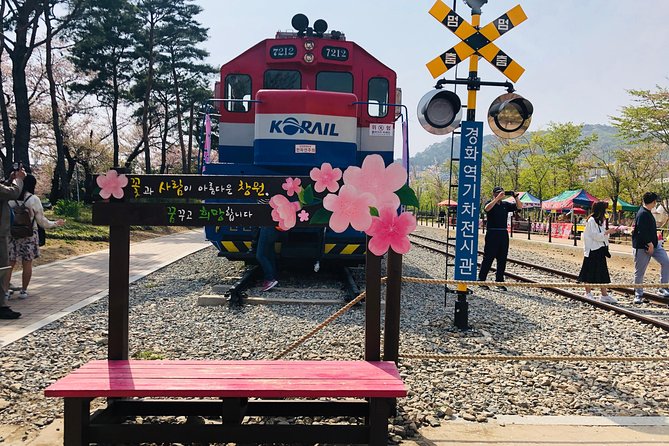
- Two cherry blossom zones in Jinhae: Yeojwacheon Stream plus Gyeonghwa Station Cherry Blossom Road
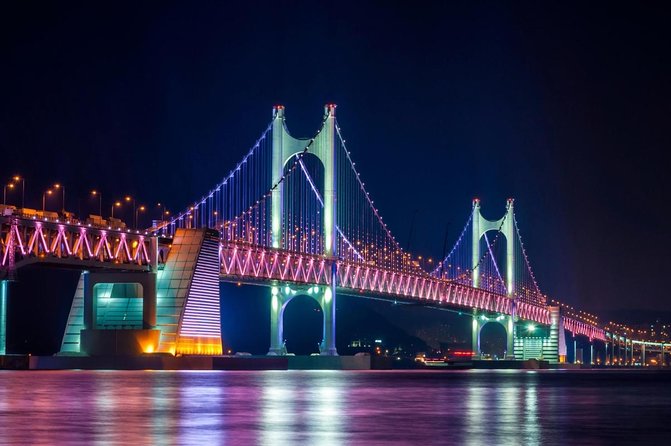
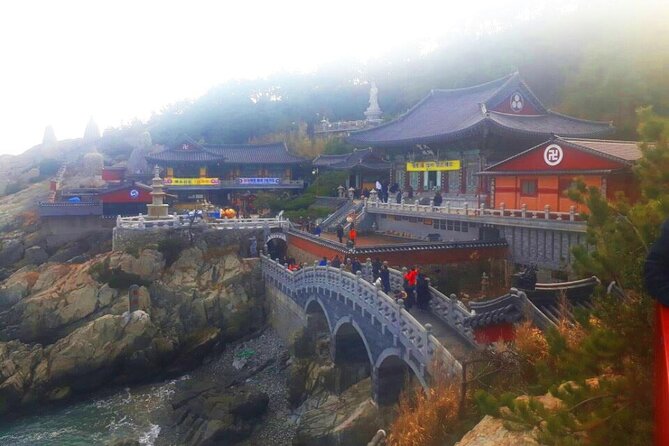
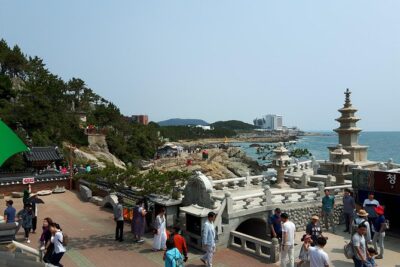
- Sunrise at Haedong Yonggungsa: a sea-temple moment when lighting is everything
- Transfers handle the hard part: air-conditioned minivan service between sites
- Bloom timing can change the day: rescheduling or cancellation is possible if petals are not fully bloomed
Jinhae Cherry Blossoms: More Than a Pretty Drive
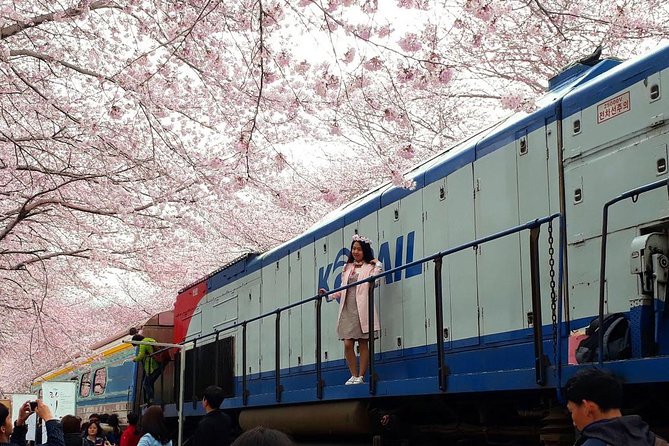
Jinhae is one of those places where cherry trees feel like they cover the whole world. Pink blossoms line streets and river-adjacent spots, and the festival atmosphere makes photos look more real than the usual poster shot. On this trip, you’re not just doing one quick look. You get dedicated time for major viewing areas, and the route is designed to keep you near where the flowers look strongest.
Why that matters for you is photo time and comfort. When you’re traveling independently, it’s easy to lose time waiting, switching transit, or arriving late to the good spots. Here, you’re grouped and moved between points like Gyeonghwa Station and the nearby mountain-area viewpoint stops that are part of the day’s flow. That means you can focus on light, angles, and enjoying the festival vibe.
The honest note: cherry blossoms can be over quickly depending on the season and weather. One past experience called out that they arrived when blossoms were nearly finished. That’s exactly the risk you’re taking with any cherry blossom tour, which is why the tour’s rescheduling option (when blooms are not fully bloomed) is worth paying attention to.
A few more Seoul tours and experiences worth a look


Night-Start Seoul to the Coast: Timing and Sleep Reality
This tour starts at night in Seoul and comes back to Seoul the next day without sleep. That detail is not fluff. It changes how you should pack, eat, and plan your energy. You’re looking at about 19 to 20 hours total, and the day is structured around sunrise timing and then festival viewing.
Here’s how the early rhythm feels based on the schedule: you depart Seoul and head toward Haeundae Beach, then you get time for the beach morning before moving on to a sunrise stop at Haedong Yonggungsa. Later, you transfer toward Jinhae for cherry blossoms, then return to Seoul with afternoon-to-evening drop-offs that depend on weather and traffic.
If you hate feeling rushed, you’ll still be okay because the tour handles transport and timing. But you should go in prepared. Bring layers (sunrise mornings can feel chilly even in spring), and keep snacks or plan to buy food on your own since meals are not included. The schedule is efficient, not leisurely.
Haeundae Beach Morning Stop: A Quick Reset Before Sunrise
Your first big stop after leaving Seoul is Haeundae Beach. The day begins with about an hour and 20 minutes there, and the schedule mentions free breakfast time. The key word is time, not inclusion, because breakfast itself is not included in the tour.
I like this kind of buffer because it gives you a chance to reset your body after the night ride. You can stretch, walk a bit along the waterfront, and get your bearings before the earlier wake-up pressure of a sunrise temple stop. It also helps with timing. When you arrive for sunrise, you don’t want to be stressed about finding food, a bathroom, or a meeting point.
The drawback is limited time. If you’re hoping for a full beach experience or a long meal, this isn’t that. Treat it like a launchpad. If you want breakfast, budget for it yourself, and don’t assume it will be handed to you.
Haedong Yonggungsa Sunrise: Sea-Temple Light You Can Plan Around
Then comes Haedong Yonggungsa Temple, where the schedule is built for sunrise. You arrive after about 30 minutes of transportation from Haeundae, and you’ll have around an hour and 20 minutes there.
This is the moment most likely to reward you for your early start. Sunrise changes everything: the sky brightens gradually, shadows stretch, and sea-temple views can look dramatic even when you’re not trying. If you’ve ever felt like sunrise photos are just luck, this stop helps because you’re placed at the right time with a guided, timed itinerary.
What I’d do to get the best experience: arrive calmly, find your preferred angle quickly, and be willing to shift positions as the light changes. Also, keep in mind the tour is adult-paced but not slow. You’ll want comfortable shoes because you’ll likely be moving around for the best views.
Admissions are listed as free for the stops, so you’re paying for time and transport, not entry fees. That makes this sunrise stop feel like extra value inside the overall long day.
The Jinhae Transfer Day: Comfort and Big Viewing Focus
After Busan area stops, the schedule moves you to Jinhae, and there’s a chunk of travel time between points. Specifically, the transfer from Busan to Jinhae is about 2 hours and 20 minutes.
This matters because the tour is built around viewing blocks once you arrive. You’re not stuck in transit endlessly without results. Once you reach the cherry blossom areas, you’ll get the main viewing time near the places the route is designed to hit. The overview also notes transfers between viewing sites including Gyeonghwa Station and Mt. Jaehwangsan, where the blossoms are at their strongest.
The practical benefit of the vehicle setup is comfort. You’re riding in an air-conditioned minivan, and the type of vehicle can change depending on how many people are on the tour. With a maximum of 100 people, you’re in a group size that usually feels manageable, not chaotic.
What to watch: the day depends on weather and traffic. Return times to Seoul can shift. So if you have a tight next-day plan, give yourself a little breathing room, because late drops are possible.

Yeojwacheon Stream and Gyeonghwa Station: Where the Pink Roads Happen
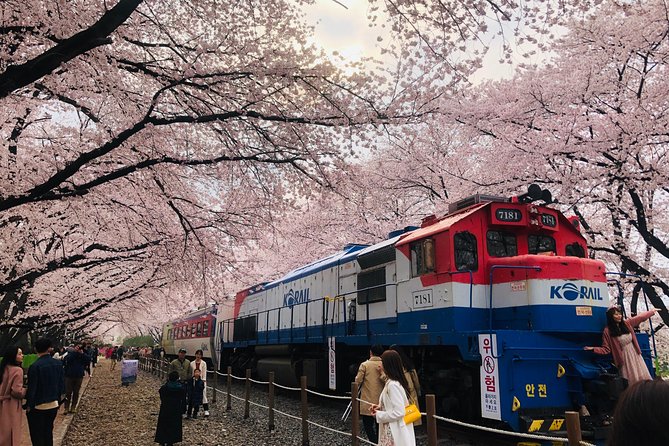
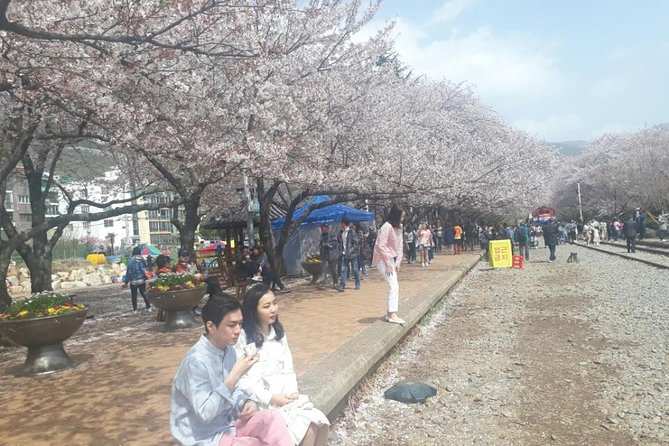
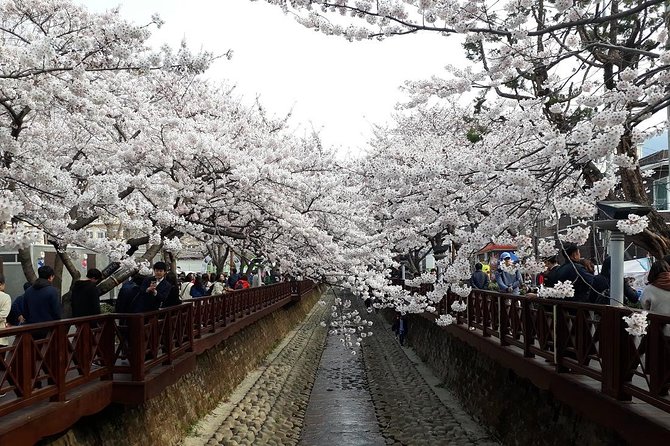
Once you’re in Jinhae, the itinerary focuses on two cherry blossom viewing zones: Yeojwacheon Stream and Gyeonghwa Station Cherry Blossom Road. Yeojwacheon Stream gets about 2 hours, and Gyeonghwa Station gets about 2 hours. There’s also a note saying you’ll enjoy cherry blossoms at both places for four hours total, so expect a combined block of time spread across the two areas.
This is where you decide what kind of photos you want. Stream-adjacent cherry views can feel more natural and flowing. Station-area cherry roads feel more structured and photo-friendly because you’re often lined up with the trees along walkways. You get both vibes, which is a smart move for value.
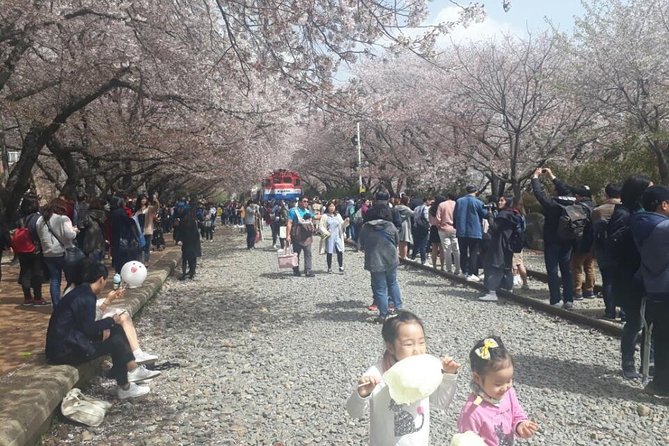
Here’s what I’d keep in mind for your best experience: wear shoes that can handle crowds and uneven ground. Bring a light layer for shade and wind. And if the blossoms are even slightly less than full, you’ll still enjoy the color and the festival energy, but you might miss that peak “every branch is pink” look.
One earlier experience highlighted the downside of blossom timing, saying the cherry display was almost over when they went around April 8. That’s the scenario to prepare for. The tour’s policy notes that if blossoms are not fully bloomed, it can be rescheduled or cancelled and you’ll be contacted in advance. That safety net is not a guarantee, but it’s better than hoping and praying.
Returning to Seoul: Drop-Off Points and the Hongik Univ Shortcut
Heading back to Seoul, you get two drop-off options: Dongdaemun History & Culture Park and Myeongdong Station. Both are listed, and which one you get depends on the route and logistics for the day.
The tour does not go back to Hongik Univ. Station to avoid heavy traffic. If you need to get there after the tour, the practical instruction is to take subway line 2 from Dongdaemun History & Culture Park station.
This detail is exactly the kind of thing that saves time when you’re tired. When you’re coming off a long night-to-next-day itinerary, you don’t want to guess. Know your nearest transfer option before you step off the bus.
Also remember: arrival time back in Seoul is subject to weather and traffic conditions. So treat this as a flexible landing, not a clockwork finish.
Price and Value at $108.49: What You’re Actually Paying For
At $108.49 per person, this tour is priced to do one specific job well: it packages long-distance travel from Seoul, timed sunrise viewing, and multiple cherry blossom locations with transfers included. Your inclusions are admissions, English-speaking staff, and round-trip transfers.
What’s not included is also important. Meals and beverages are on you, and there’s no hotel pickup and drop-off listed. The tour instead starts from a meeting location in central Seoul and uses the two drop-off points on the way back.
So is it good value? For the right person, yes. You’re not just buying a bus ride. You’re paying for the planning and the schedule. The schedule includes a night start, a sunrise temple moment, and multiple blossom zones that would take a lot of coordination on your own. If you’d otherwise spend time figuring out transit between Busan and Jinhae and then trying to hit sunrise, this package likely feels like money well spent.
The group cap also affects value. With a maximum of 100 people, you’re not in an enormous crowd, and the vehicle changes based on participant count, which can help keep the ride comfortable.
Finally, consider booking timing. On average, this is booked 36 days in advance, which tells you it’s a popular window. If you want a smoother experience during cherry blossom season, booking earlier is a smart move.
Who This Tour Fits Best (and Who Should Rethink It)
This is a strong match for you if you want cherry blossoms and sunrise scenery without turning your trip into a logistics project. You’ll like the transfer support, the English-speaking staff, and the fact that admissions are included.
It’s also a good fit if you can handle a long day and you don’t mind that you’re not sleeping overnight. The tour returns to Seoul the next day without sleep, which is part of how it reaches the sunrise timing and festival viewing blocks.
You might rethink this tour if you’re very sensitive to tiredness, or if you need guaranteed peak cherry bloom. The tour notes that if the cherry blossoms are not fully bloomed, it can be rescheduled or cancelled. That’s helpful, but it still means you should treat bloom peak as weather-dependent.
If you’re visiting in a short window and you need flexibility, check your dates carefully. Cherry blossom forecasts can never fully remove uncertainty, and this tour is built around the bloom window being right.
Should You Book This Jinhae Cherry Blossom + Busan Sunrise Tour from Seoul?
If your priority is the biggest cherry blossom viewing blocks plus a sunrise stop, I’d say this tour is worth booking. It’s built for convenience: round-trip transfers from central Seoul, timed stops at Haedong Yonggungsa and the major Jinhae blossom areas, and admissions handled for you. The mobile ticket also keeps it practical.
Book it if you’re okay with a night start and a no-sleep return, and if you’re willing to plan your own meals. Go in knowing blossom timing is the wildcard. If the flowers aren’t fully there, the tour may be rescheduled or cancelled, and that’s the tradeoff you’re accepting.
If you hate schedule pressure or you’re only interested in peak perfection, then you might consider staying in the area longer or building your own plan around where blossoms look best on the day. But for many first-time visitors, the value of a ready-made route like this is hard to beat.
FAQ
How long is the Jinhae Cherry Blossom and Busan Sunrise tour from Seoul?
The tour runs about 19 to 20 hours.
Is this tour truly overnight, and do we sleep during it?
Yes. The tour starts at night and comes back to Seoul on the next day without sleep.
What is included in the ticket price?
Admission to attractions, English-speaking staff, and round-trip transfers are included.
Are meals like breakfast included?
Breakfast time is mentioned, but breakfast is not included in the tour. Meals and beverages are not included overall.
Which cherry blossom areas will we visit?
You’ll visit Yeojwacheon Stream and Gyeonghwa Station Cherry Blossom Road, and the overall itinerary includes transfers between sites in the Jinhae area such as Mt. Jaehwangsan and Gyeonghwa Station.
Where will we be dropped off in Seoul?
You’ll have two Seoul drop-off sites: Dongdaemun History & Culture Park and Myeongdong Station.
If I want to go back to Hongik Univ. Station after the tour, what should I do?
The tour does not return to Hongik Univ. Station. The provided guidance is to take subway line 2 at Dongdaemun History & Culture Park station.
What happens if the cherry blossoms are not fully bloomed?
If cherry blossoms are not fully bloomed, the tour can be rescheduled or cancelled, and the supplier will contact you in advance.
How does cancellation work for a full refund?
You can cancel up to 24 hours in advance for a full refund. For a full refund, you must cancel at least 24 hours before the experience start time.
More Morning in Seoul


More Tour Reviews in Seoul
Not for you? Here's more nearby things to do in Seoul we have reviewed


Busan Day Trips from Seoul, compared.
 ★ 5.0Busan city tour from Seoul by KTX bullet trainFrom $41539 reviews
 ★ 4.55-Day Korea Golden route by K-shuttle Tour from Seoul Including Busan, YeosuFrom $99937 reviews
 ★ 4.5Small Group 7D Korea package Tour with Seoul Gyeongju Busan JejuFrom $1,98813 reviews
 ★ 4.53-Days 2-Nights Gyeongju UNESCO Sites & Busan City [Private Tour from Seoul]From $1,10411 reviews
 ★ 5.0Busan Day Trip from Seoul by KTX – Private Tour with Local GuideFrom $3989 reviews
 ★ 5.07 days Flexible Tour for Major Cities(Seoul,Busan,Gyeongju etc)From $2,0005 reviews
 ★ 4.53-Day Korea Western course by K-shuttle Tour from Seoul to BusanFrom $7494 reviews
 ★ 5.0Busan day trip including Gamcheon culture village from Seoul by KTX trainFrom $4543 reviews
Browse the lists this tour appears in