
Reviewed · BUSAN DAY TRIPS FROM SEOUL
Small Group 7D Korea package Tour with Seoul Gyeongju Busan Jeju
Korea can feel big. This small-group 7-day package stitches together Jeju and DMZ to make first-timers move fast without feeling lost. I like the focus on major, high-impact stops across multiple regions, and I also like that food experiences and guided time are built in, so you are not hunting decisions every day. The one tradeoff is the pace: this is a lot of ground for a week, so you will want comfortable shoes and a mindset for a whirlwind.
With a maximum of 15 people, you get a real tour flow with time to ask questions, and the itinerary keeps a sensible mix of viewpoints, history, and markets. Pickup and mobile tickets reduce stress on travel days, especially when you transfer between islands and cities. If you are the kind of traveler who wants every hour to be yours, you might feel the schedule is tight, since it is designed to pack a lot into 7 days.
Key highlights you should know
- Small group size (max 15) keeps the experience personal without the chaos of big buses
- Jeju crater and cave day gives you a strong mix of geology and local island life
- Busan markets plus a seafood temple stop means more than just beaches
- Cooking class in Seoul turns the trip into something hands-on, not only photo stops
- DMZ includes key sites like the Third Tunnel and Dora Observatory, with passport checks
- Optional Nanta show lets you choose your level of performance time
Why this Seoul, Jeju, Busan, Gyeongju, DMZ route works
This itinerary is built for value in time. Instead of picking just one region, you cover the island mood of Jeju, coastal energy in Busan, Silla-era landmarks in Gyeongju, palace-centered central Seoul, and then the political geography of the DMZ. For many first-time Korea trips, that is the real problem, not the attractions, it is the logistics.
I also like that the tour includes the pieces that usually eat up your planning hours: domestic flights, a KTX bullet train, an AC vehicle, English-speaking guidance, admissions, and a set number of meals. You can show up, follow the plan, and spend your energy on enjoying the sights instead of building a travel puzzle.
The drawback is that a week is short, so you do not get the luxury of a slow day. You will likely be walking through caves, village lanes, palaces, and market streets, then transferring onward. If you hate moving from place to place, you might prefer a smaller scope tour.
You can also read our reviews of more tours and experiences in Seoul.
Jeju Island day: beaches, basalt sand, and Seongsan Sunrise Peak
Jeju Day 1 is the start of the island’s personality. You begin with Woljeongri Beach and its cafe street vibe, then move to Gwangchigi Beach, known for its soft black sand formed from basalt rocks. That basalt detail matters because it is not just a generic beach stop. You get a quick geology lesson by the way the sand behaves and looks.
Next comes Seongsan Ilchulbong, also called Sunrise Peak. You climb to a grass-filled crater, and the crater shape is the point, it is one of Jeju’s most iconic volcanic formations. If you like views that explain the landscape, you will appreciate this stop because the crater is the story.
From there, the itinerary keeps the spring theme with the Seongsan Canola Flower Field, which can overlap with cherry blossom timing depending on the season. Then you hit Manjanggul Cave, formed by long-ago volcanic action. The time is shorter here, around 30 minutes, but caves tend to reward efficient visiting, since you are moving through prepared paths and still soaking in the atmosphere.
You finish with Seongeup Folk Village, which is the traditional side of Jeju. This is where the tour switches from volcanic features to how people historically lived on the island. It is a useful balance after the black sand and crater climb.
Practical tip: bring a light layer. Even when Jeju is warm, caves and coastal mornings can feel cooler. Also, plan for photos, because you will have multiple sunrise and rock-and-sea viewpoints packed into one day.
Jeju Day 2: Hallasan area hits, waterfalls, and the art museum break
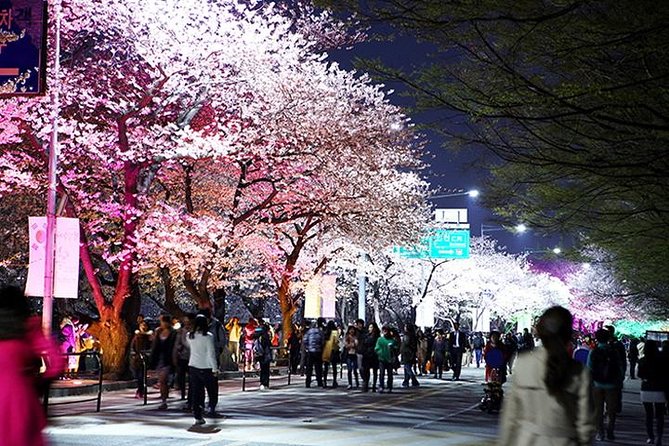
Day 2 keeps the island momentum going. It starts with Jeju Jeonong-Ro at Jeju National University, Ara Campus, where the timing is tied to cherry blossoms, noted as a window around 7 to 10 April near the university. If your trip falls in that bloom window, the first hour adds a scenic campus feel before the bigger nature stops.
Then you get a fun optical illusion stop where objects on the road roll up the hill instead of moving downwards. It is short, but it is one of those quick moments that can reset your energy before you switch back into heavier nature sightseeing.
After that, Hallasan National Park appears on the schedule. The tour describes Hallasan as a dormant volcano with basalt and a height around 1,950 meters. You do not need to be a hardcore hiker here. The goal is to experience the park setting and the geographic importance of Hallasan without turning the day into a full mountain trek.
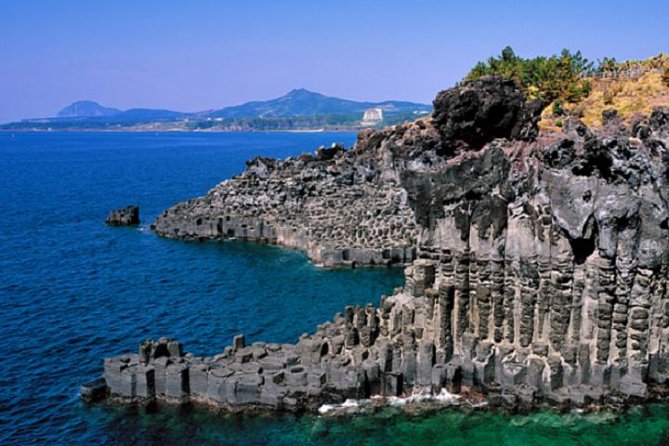
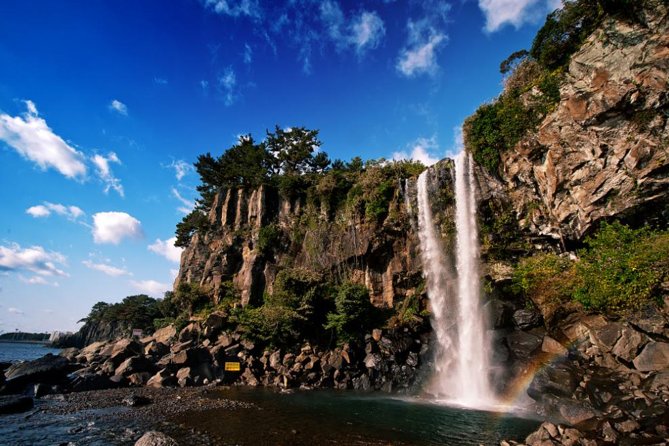
The itinerary also includes a stop associated with the black rock pillars in cube and hexagon shapes, a classic Jeju coastal feature. After that, you move to waterfalls: Cheonjiyeon Falls and Jeongbang Waterfall. Cheonjiyeon has a legend about seven fairies serving the King of Heaven, while Jeongbang is special because it drops directly into the ocean, a rarity in Asia.
A good sign of pacing is the end of the day with ARTE Museum Jeju, an art of light and video experience. After temples of water and basalt features, an indoor art break can be a relief, and it gives you something different to talk about beyond scenic photos.
Busan Day 3: Gamcheon streets, seafood markets, and the ocean temple
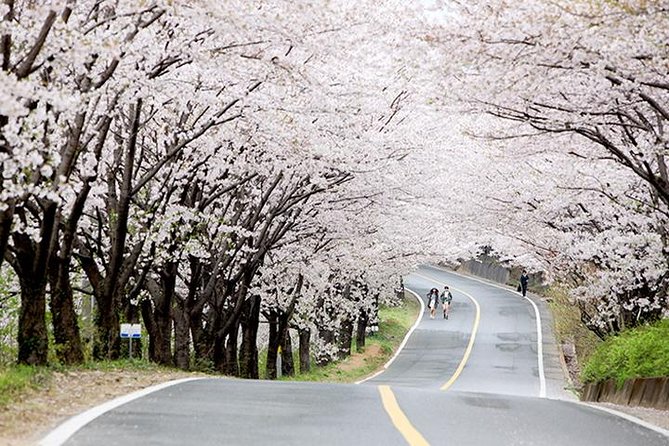
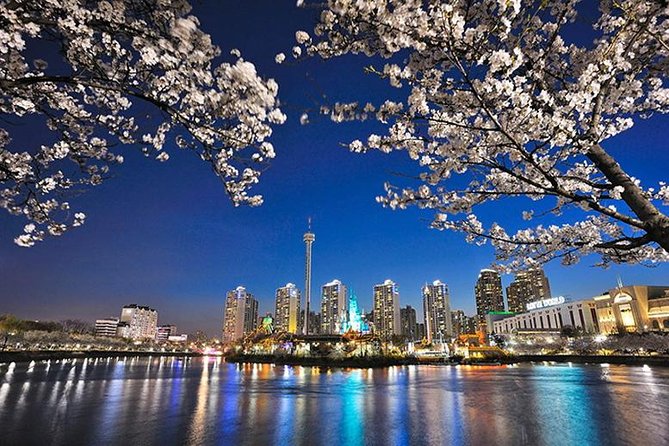
Busan starts with Haeundae Dalmaji-gil Road, a cherry blossom site beyond the more famous Haeundae Beach area. The combination matters in practice: you get sea air, a stroll-friendly road, and pine trees on a mountain slope, all in a compact time block.
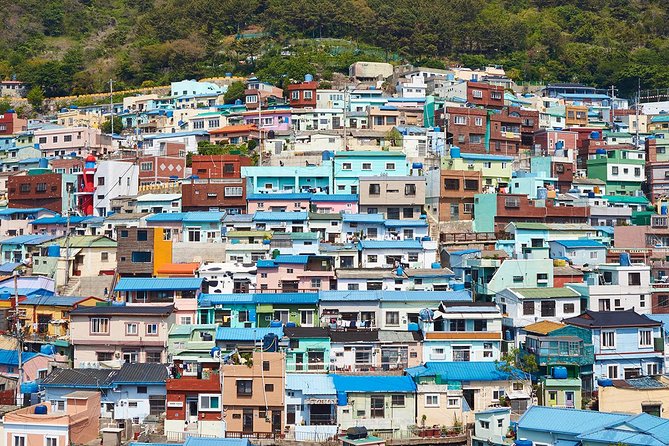
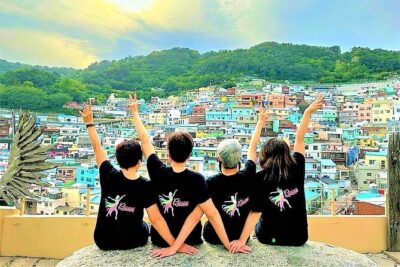
Then you head to Gamcheon Culture Village, where the tour emphasizes the staircase-style houses and the history of settlement by war refugees. This is one of those places where you can see layers of the city at once, art and memory packed into hilltop lanes. The stop time here is around 1 hour, so you will want to pace yourself, pick a few alleys to explore, and not try to cover everything.
Next is Jagalchi Market, one of Busan’s signature markets, especially for eating fresh raw fish. Even if you do not plan to go all-in on seafood, it is still worth seeing how the market is organized and how people shop and snack there. After that, you pass BIFF Square, tied to Busan International Film Festival venues and street food culture.
The itinerary then adds Gukje Market, known for new and used items that trace back to post-war refugee stall life. If you like browsing over strict shopping, this can feel more local than department-store time.
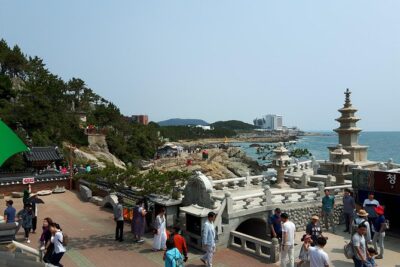
Haedong Yonggungsa comes next, called by the tour description the most beautiful temple in South Korea people say, and it is a must if you want a temple with an ocean backdrop. You end Busan with Haeundae Blue Line Park, including time for the train and coastal scenery.
Practical note: markets and temples are both photo-friendly, but they are also walking-heavy. Set aside your energy in advance, and think of this day as a city walk with several anchor points rather than a sequence of quick check-ins.
Gyeongju Day 4: Bulguksa, Seokguram, tomb parks, and a KTX jump to Seoul
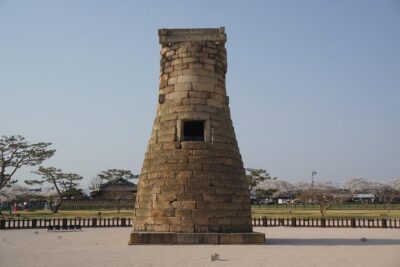
Gyeongju is built for travelers who like old Korea. The tour starts with Bulguksa Temple, described as a historic jewel of the Silla capital and UNESCO heritage. Then you move to Seokguram, a stone temple grotto preserved for over 1,200 years due to natural ventilation design. That is the kind of specific detail that makes these stops more than scenic.
After the temple complex, you take in Bomunho Lake Tourism Complex, with cherry blossom walkway notes for April. Next is Daereungwon Tomb Complex, which includes the large round hill tomb shapes and the option to enter Cheonmachong Tomb inside the complex, noted in the tour description.
Then the schedule takes a softer turn with Gyeongju Gyochon Traditional Village, described as nobleman houses you can see, followed by Donggung Palace and Wolji Pond. The night-view angle is the reason this fits late in the itinerary, because Wolji Pond and the traditional pavilion atmosphere tend to reward the evening lighting.
Finally, you take the KTX bullet train from Gyeongju Station to Seoul, described as about 2 hours. For many travelers, this is a big value point, because it removes the guesswork of train schedules and station transfers.
Tip to make the most of this day: keep your phone handy for quick navigation support. The route is tight, and if you end up arriving at stations hungry or tired, you will still want to find your next step without delay.

Seoul Day 5: Hongdae energy, Myeongdong Nanta, and a Korean cooking class
Seoul Day 5 balances youth neighborhoods with a hands-on food experience. The day starts at an Omi cooking class research institute where you cook three Korean dishes: bibimbab, traditional pancake, and soup. The exact season menu can change, but the core set is always those three categories. This is the kind of included activity that makes the tour feel less like a highlight reel and more like a skill you take home.
Next is Hongdae, known for a young street scene with shopping, food, and street performances along the road. It is free time, so it is good for browsing and soaking up everyday Seoul energy.
Then there is Myeongdong NANTA Theater, described as the most popular nonverbal show in Korea. It is listed as optional. If you want to avoid performances with spoken elements, you can ask for the option not to include it, which gives you flexibility rather than locking everyone into the same plan. If you do go, this is a short theater slot that can be a change of pace after palaces and outdoor sites.
Seoul Day 6: Palaces, Jogyesa, Bukchon lanes, and Seoul tower views
Day 6 is where Seoul feels most like a classic first-timer city. You begin at Yeouido Park, tied to spring cherry blossom festival timing, then head to Gyeongbokgung Palace. The tour highlights its position on Gwanghwamun Square and notes that it was built by the Joseon Dynasty in 1395. This stop is a grounding point for understanding why Seoul looks the way it does around palace sites and major squares.
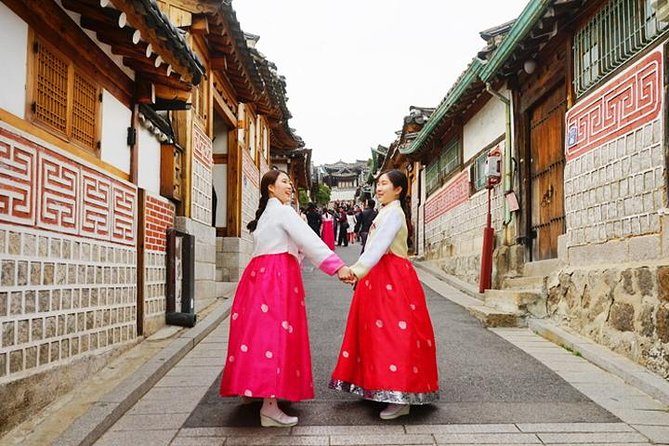
You then visit Jogyesa Temple, described as a head temple of Korean Buddhism and noted for lectures, events, and rituals through the year. After that comes Bukchon Hanok Village, where you stroll through a labyrinth of traditional houses called hanok that date back to the Joseon Dynasty.
Next is a food highlight: Kwangjang Market, with the itinerary framing it as a food tour location. The description also notes that the market was popularized by a Netflix show, which is a reminder that you are stepping into a place that is now on the global tourist map. Even so, it remains a practical way to try street foods with guidance and timing.
Later you take in N Seoul Tower for 360-degree views from nearly 480 meters above sea level. Finally, you get Myeongdong shopping street and Insadong. Insadong focuses on art and antiques, plus tea cafes, souvenir shops, traditional restaurants, and Korean traditional sweets.
Practical tip: plan your souvenir buying for later in the day. Markets and Hanok lanes can take longer than you expect, and shopping streets can be easier when you know what you already saw.
The DMZ Day 7: passport checks, Third Tunnel, Dora Observatory, and a short bridge hike
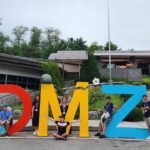
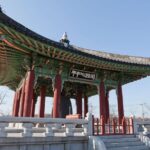
Day 7 is your DMZ day, and it includes specific checkpoints. You start at Imjingak Pyeonghoa-Nuri Park, described as the place to buy DMZ shuttle bus tickets. The tour notes that you need passports because there is an ID check point when entering the civilian control zone. That is the key practical detail for this day: have your passport ready, and keep it accessible.
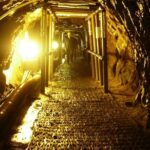
The first DMZ stop is the Third Tunnel, described as dug by North Korea after the Korean War. You can enter the actual tunnel, which tends to be the emotional anchor point for many people, because it turns history into a physical experience.
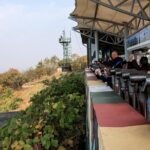
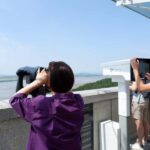
Next is Dora Observatory, positioned as one of the northern most observatories open to the public where you can see North Korea with the naked eyes. After that, the final tunnel-style stop is Tongilchonan-gil, described like a village market for souvenirs and local products, and it is located in the civilian control zone under curfew.
You end with Gamaksan Chulleong Bridge, a short hike of around 10 minutes to reach suspension bridge views tied to Korean War battlefield history. This is a softer nature finish to a heavy geopolitical day.
Bring a simple attitude for this day: expect rules, check points, and a mix of controlled viewpoints and short walking segments. It is not a beach day, so plan for quiet focus.
Price and value: what $1,988 buys you in real logistics
At $1,988 per person, this is not a budget grab-it-later deal. The value comes from what it bundles: 6 nights in 3 to 4 star hotels, domestic flight and KTX bullet train, admissions, an AC tour vehicle, English-speaking guides, and multiple meals including breakfast for four days and lunch for seven days. It also covers key experiences like a Jeju itinerary of paid sites, the Seoul cooking class, and food tour time at Gwangjang Market.
If you were trying to DIY this route, the cost problem often appears in pieces: hotel deposits across multiple regions, internal flights, train tickets, museum and palace entry fees, plus guided DMZ timing that can be harder to coordinate on your own. This tour takes those friction points off your plate, which is what you pay for.
You do still pay a personal price in energy. The schedule stays full, so you will not have tons of recovery time between destinations. If you like tight itineraries and hate planning, the package tends to feel worth it.
Group size, guides, and pacing: how to get the best out of a busy week
This is a small group capped at 15 travelers, and the tour is designed as a private tour, which the info describes as flexible. In practice, that kind of flexibility helps on days with variable crowd levels at palaces, markets, and attractions.
I also appreciate the guide track record from the experience notes you provided. People highlighted guides like Harry and Jung for Seoul, with attention to both historical context and current conversations around politics and Korean culture. Other guides named include Sang, Jiyoung, Clover, and Jones, and multiple notes emphasized how responsive the team felt.
One pacing consideration is your end-of-itinerary navigation. There was a wish mentioned about getting help into a train station and finding the right train if it was the last leg of the tour. That lines up with real travel logic: if you are ever unsure at a station, ask fast. Keep your schedule in your phone and ask your guide to clarify the exact platform or route details before you wander off.
What to know before you go: tickets, optional shows, and meals
A few practical points make this smoother. Pickup is offered, including an airport pickup at ICN in the morning on Day 1, then the plan heads to Gimpo airport for the Jeju flight. The tour also uses mobile tickets, which helps reduce paper scrambling.
Food is partially built in. Breakfast is included for four days, and lunches for seven days are listed as included. There is also a cooking class in Seoul where you make bibimbab, traditional pancake, and soup. On the Seoul side, you also get the Gwangjang Market food tour time.
The Nanta show in Myeongdong is optional. If you want no performance time or you prefer to avoid a show type, you can ask to skip it.
Dietary notes are also included: a vegetarian option is available if you advise at booking.
One more “timing” clue: the itinerary highlights seasonal cherry blossom windows in several places, including Jeju near Jeju National University and Seongsan area timing. If your dates line up with those windows, the scenery adds extra value.
Should you book this Korea small-group package?
Book it if you want a guided, high-coverage first trip that hits Jeju, Busan, Gyeongju, Seoul, and the DMZ in one shot with transportation, hotel beds, and paid admissions handled for you. I think it is especially good value if you prefer English-speaking guidance and you want included food moments like the cooking class and market stops.
Skip it or reconsider if you hate a packed schedule. This tour is built to move from site to site daily, and you should be comfortable with walking and travel transitions. Also, the booking terms are non-refundable, so only book if your dates are firm.
If you do book, your best move is simple: pack walking shoes, keep your passport secure but easy to reach for the DMZ day, and ask your guide questions early when station logistics feel unclear. With that, this route can feel like Korea hits you in all the right places, fast.
FAQ
How many days is the tour, and is it 6 nights?
The tour is 7 days (about 7D) and includes 6 nights of accommodation.
Where does the tour start and where does it end?
The tour starts with arrival at ICN in the morning and airport pickup, then the plan goes to Gimpo airport for the Jeju flight. It ends after finishing the itinerary on Day 7, after which you can go back directly or have a bit more free time in Seoul.
Is airport pickup included?
Yes. There is airport pickup described for Day 1 after arrival at ICN.
What transportation is included between cities?
The package includes a domestic flight and the KTX bullet train. It also includes an AC tour vehicle with the cost to the vehicle.
What meals are included?
Breakfast is included for four days, and lunch is included for seven days. There is also an included food tour at Gwangjang Market.
Is a cooking class included?
Yes. The cooking class is included and you cook three Korean traditional dishes: bibimbab, traditional pancake, and soup.
Is the Nanta show mandatory?
No. The Nanta theater visit is optional.
Do I need my passport for the DMZ day?
Yes. The tour notes that you need passports for the ID check point when going into the civilian control zone.
Is there a vegetarian option, and how big is the group?
A vegetarian option is available if you advise at booking. The maximum group size is 15 travelers, and the tour includes an English-speaking guide.
More Tours in Seoul
More Tour Reviews in Seoul
Not for you? Here's more nearby things to do in Seoul we have reviewed


Busan Day Trips from Seoul, compared.
 ★ 5.0Busan city tour from Seoul by KTX bullet trainFrom $41539 reviews
 ★ 4.55-Day Korea Golden route by K-shuttle Tour from Seoul Including Busan, YeosuFrom $99937 reviews
 ★ 4.53-Days 2-Nights Gyeongju UNESCO Sites & Busan City [Private Tour from Seoul]From $1,10411 reviews
 ★ 5.0Busan Day Trip from Seoul by KTX – Private Tour with Local GuideFrom $3989 reviews
 ★ 5.07 days Flexible Tour for Major Cities(Seoul,Busan,Gyeongju etc)From $2,0005 reviews
 ★ 4.5Jinhae Cherry Blossom + Busan Sunrise from SeoulFrom $1085 reviews
 ★ 4.53-Day Korea Western course by K-shuttle Tour from Seoul to BusanFrom $7494 reviews
 ★ 5.0Suncheon one day tour from Seoul, Busan or SuncheonFrom $3503 reviews
Browse the lists this tour appears in