
Reviewed · TOURS
From Seoul: 5-Day Tour of Korea with UNESCO Sites
UNESCO in five days, with Korean street life. I like the way this route pairs UNESCO stops across Gongju, Jeonju, and Gyeongju with real daily-life moments like markets and beaches. I also like that you’re not left on your own, with an English-speaking guide and entry tickets handled for key sights. The catch is pace, plus seasonal changes that can affect time at a couple places.
You start at Gwanghwamun in Seoul, then travel south and east in a smart loop, checking off fortresses, memorial grounds, temples, and a living Joseon village. It’s a plan that works well when you want a lot without spending your brain on trains, transfers, and ticket timing.
One more thing to know up front: you’ll walk. Some days include stairs, museum-like exhibits, and uneven outdoor areas, and in October Mt. Seorak can require extra walking if buses are restricted.
Key things that make this tour worth your time
- UNESCO coverage that doesn’t feel random, with major sites spread across multiple regions
- Guide-led logistics, so you spend less time figuring things out and more time looking around
- Serious history stops, from the Tomb of King Muryeong to the May 18th National Cemetery
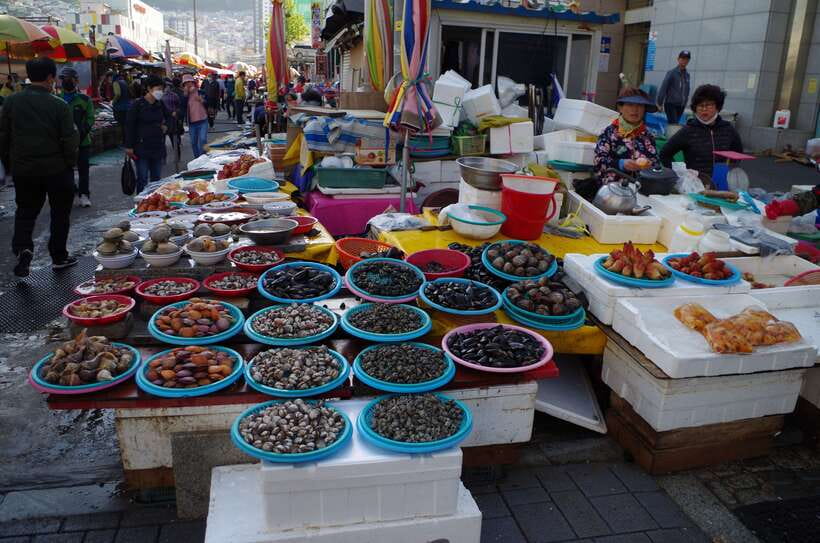
- Food and coast time, including Jagalchi Fish Market and sea views at Haeundae and Dongbaek Park
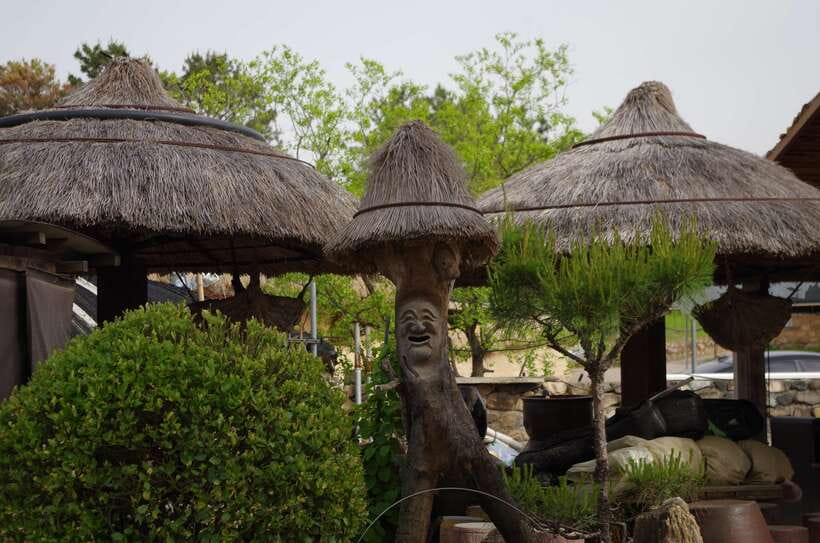
- Joseon Dynasty atmosphere, especially at Andong Hahoe Folk Village, a living museum style visit
Meeting at Gwanghwamun, then getting moving
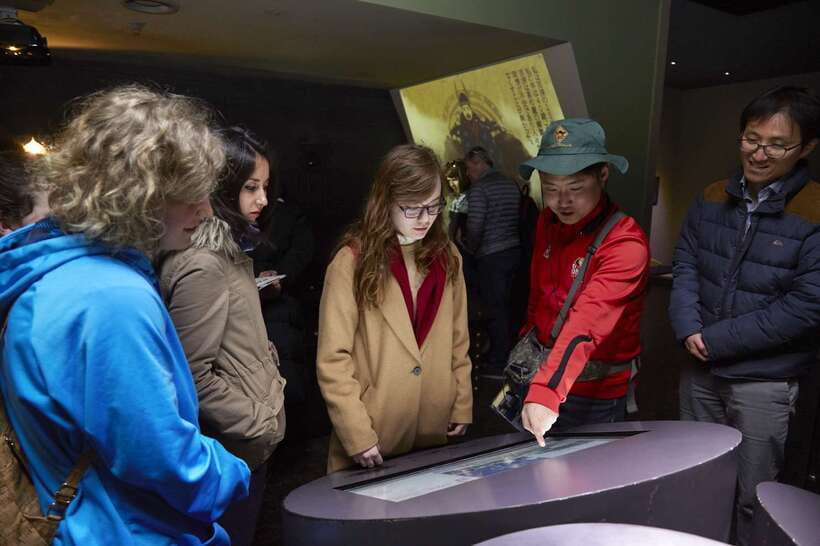
Your tour starts with a clear rendezvous: meet your guide at the Donghwa Duty Free Shop Building by Gwanghwamun Intersection. Look for the K-shuttle signboard, and use Exit 6 from Metro station Gwanghwamun.
Why this matters: getting day one right saves your whole trip. Once you’re through the meeting point, the rest runs on an air-conditioned bus plan, which helps when you’re bouncing between cities that feel far apart.
Also, plan to travel light and wear comfortable shoes. You’ll be on foot more than you might expect, and you don’t want sore feet when the best moments are outdoors.
A few more Seoul tours and experiences worth a look
Gongju and Jeonju: UNESCO tombs, fortress walls, and hanok vibes
Day one puts you into Korea’s older layers fast. You depart Seoul for Gongju and visit the Tomb of King Muryeong, a UNESCO site, followed by Gongsanseong Fortress, also UNESCO.
The Tomb of King Muryeong is the kind of place where details matter. Even if you only spend a short time, you’ll get a strong sense of how royal-era Korea built for power, protection, and legacy. Then Gongsanseong Fortress adds the physical scale, with fortress walls and viewpoints that help you picture how these places worked.
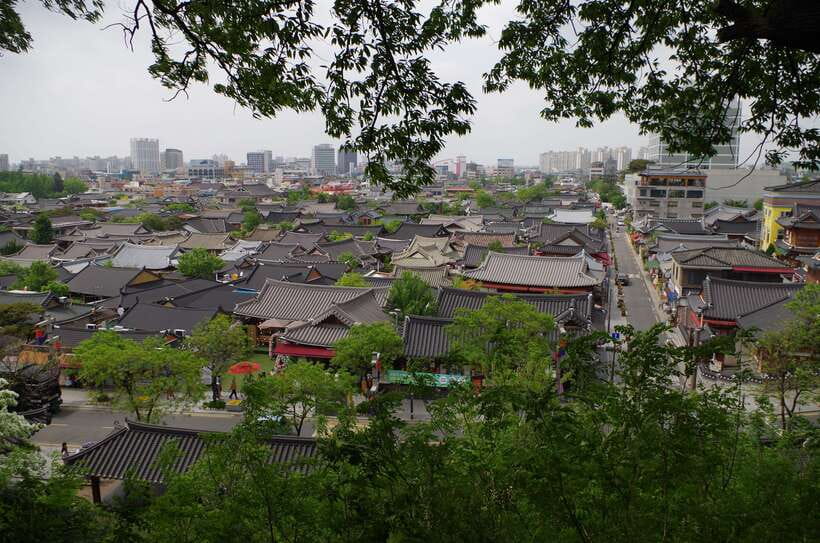
Next comes Jeonju, and the best part is that you’re not just sightseeing and leaving. You stay close to Jeonju Hanok Village at your hotel, which gives you a chance to wander in the evening when the area feels less like a checklist and more like a neighborhood.
In practical terms, this is a great day if you want a balance of grand sites and walkable culture. The one consideration is energy. After long travel days, you’ll want an early night if you’re planning to explore around your hotel.
Gwangju, Suncheon Bay Garden, and Yeosu’s Admiral Yi path
Day two shifts from royal-era Korea to modern Korea. You travel to Gwangju, the birthplace of Korea’s modern democratic movement, then visit the May 18th National Cemetery. It’s a solemn stop, and it’s included for a reason: it anchors the trip in real, lived history.
From there, you go to Suncheon Bay Garden, described as a stunning garden stop. This is a good contrast day, because after memorials and monuments you get green space and lighter pacing before the evening.
Then you head to Yeosu for the Historic Site of Admiral Yi Sun-sin’s Path. This is one of those experiences that helps you connect the dots. Admiral Yi’s story is tied to Korea’s coastal defense and maritime history, and walking the path gives you a sense of place rather than only reading dates.
One drawback to keep in mind: garden schedules can change by season, and if you’re traveling during months when hours or closures tighten, your time there might be shorter than you hoped. I’d build a little flexibility into your expectations here.
Jinjuseong Fortress, Jagalchi Fish Market, and Busan beach time
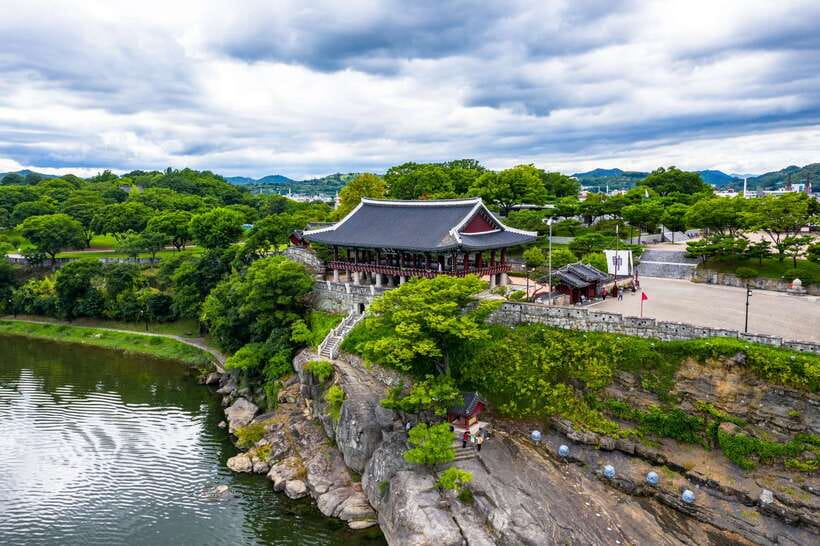
On day three you start with Jinjuseong Fortress, including the Chokseoknu edifice. The fortress is historically linked to the Japanese invasion in 1592, so again you’re looking at defense and strategy, not just pretty stones and views.
If you like history that connects to geography, you’ll appreciate this one. Fortresses were built where the land and water helped you see danger coming, and walking around gives you a better mental map than a textbook does.
Then it’s on to Busan, and the contrast is immediate. You visit Jagalchi Fish Market, described as Busan’s largest seafood market. This is one of the easiest ways to taste local life in a hurry because the market is sensory, loud, and constantly in motion.
After that, you get sea-air downtime at Haeundae Beach and Dongbaek Park. Even if you only do part of the walk, the views are the point. You’ll feel the shift from “market energy” to “coast breathing room,” which is exactly what you want after a history-heavy morning.
You finish the day in Gyeongju and check into your hotel, so the trip doesn’t just rush you through. It sets you up for day four’s UNESCO temple focus.
Gyeongju UNESCO temples and Andong Hahoe Folk Village, the Joseon living museum day
Day four is one of the best for classic Korea architecture and spiritual heritage. You start with Seokguram Grotto, a UNESCO site, then visit Bulguksa Temple, also UNESCO.
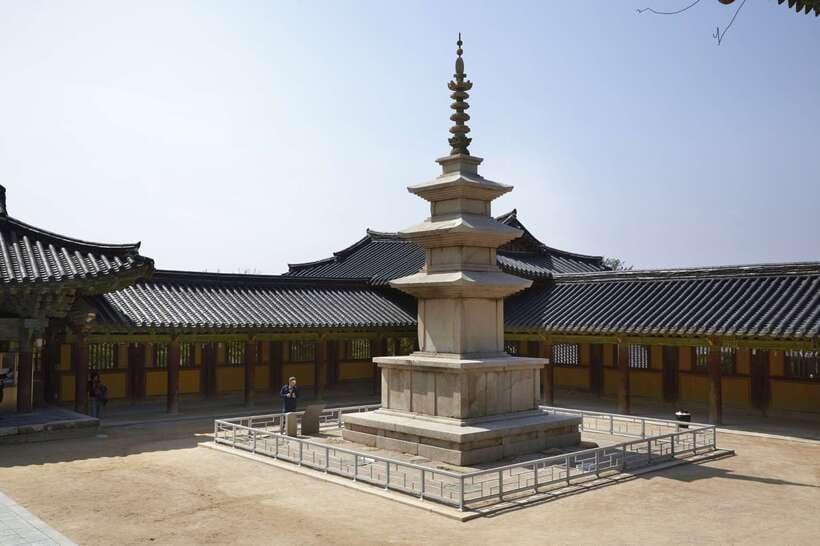
Seokguram Grotto feels special because it’s not just a temple object. It’s a place, built into a landscape of stone and atmosphere. Bulguksa Temple then adds the full temple complex feel, giving you both detail and scale. Together, they’re a strong one-two punch for understanding why Gyeongju is such a magnet for Korean cultural tourism.
Then the tour shifts to Joseon Dynasty domestic culture at Andong Hahoe Folk Village, a UNESCO site. You’re walking through a living museum style preservation of ancient housing, and it’s notable that it has been visited by Queen Elizabeth II. That little fact isn’t just trivia, it’s a sign the site holds up across generations of visitors.
Why this part is valuable: temples tell you about belief and power. Hahoe-style houses tell you about daily life, family structure, and social order. You get both sides of the story, without needing a separate day trip.
Your final stop on day four is Pyeongchang for leisure time and a hotel check-in. This matters because it gives your legs a breather before the last-day nature finish.

Mt. Seorak National Park and the cable car option for Gwongeumseong Fortress
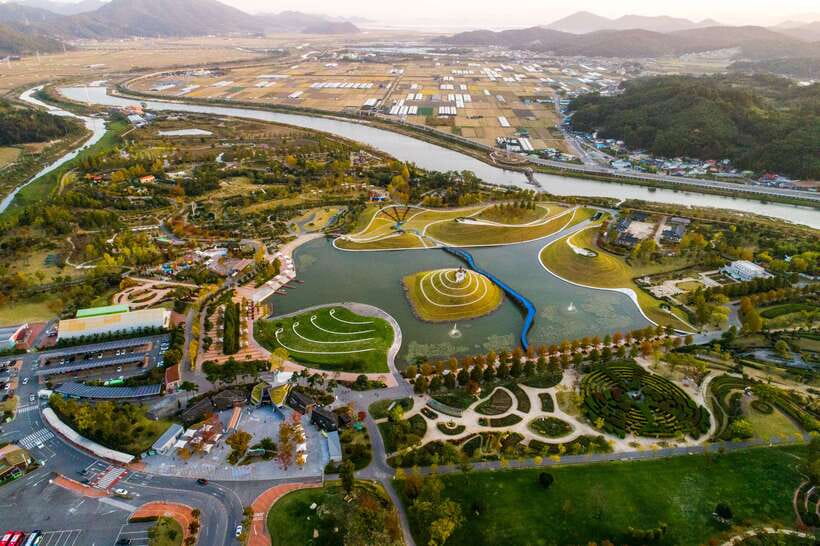
Day five is the nature payoff: Mt. Seorak National Park, a UNESCO Biosphere Preservation District. This is Korea’s best-known mountain park style trip, and the experience is built around scenery and walking routes through valleys and peaks.
A key heads-up: in October, Seoraksan could be restricted and even skipped. The tour notes that buses may be restricted and you might need to walk 3.6 km from the parking lot to the entrance. That’s a big difference in effort, so if you’re visiting in fall, plan for extra walking.
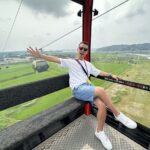
The cable car to Gwongeumseong Fortress is optional, and it’s tied to the Shinheungsa temple area in the tour plan. If the weather is clear, the fortress viewpoint is exactly the kind of payoff you hope for on a mountain day.
Finally, you transfer back to Seoul, with the tour concluding at Gwanghwamun at 17:00.
Price and value: is $999 per person a good deal?
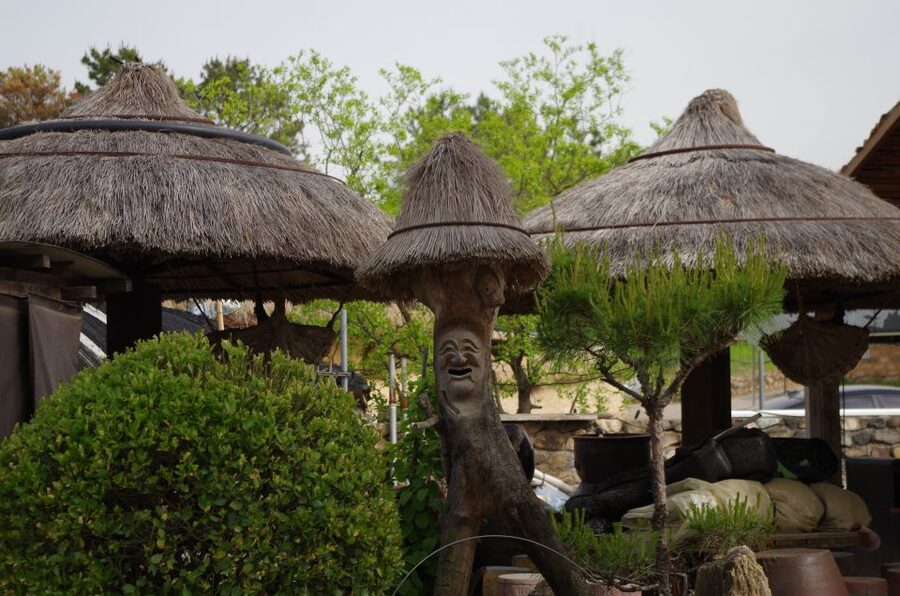
At $999 per person for 5 days and 4 nights, you’re paying for organization as much as sightseeing. This price bundles lodging, hotel breakfasts, an English-speaking guide, air-conditioned transportation, and entry tickets for selected attractions.
Where the value really shows up:
You avoid the headache of stitching together intercity logistics, especially when you’re moving from city to city like Gongju, Jeonju, Gwangju, Yeosu, Busan, Gyeongju, Andong, and then up toward Pyeongchang and Seorak. That kind of routing is where DIY plans often cost more time, and sometimes more money, once you add tickets and transport.
Is it perfect value for everyone? Not always. If you want long stops, slow meals, and lots of free time, this route may feel tight. One guest did note that adding a day can improve comfort. If you’re the type who hates rushing, consider it carefully.
Also watch the hotel category issue. Some groups reported that the hotels were good, but the assigned room category was not always the nicest, like rooms near a road or parking area. If you’re a light sleeper, ask before departure if quiet-room preferences can be accommodated.
Who this tour fits best, and who should skip it
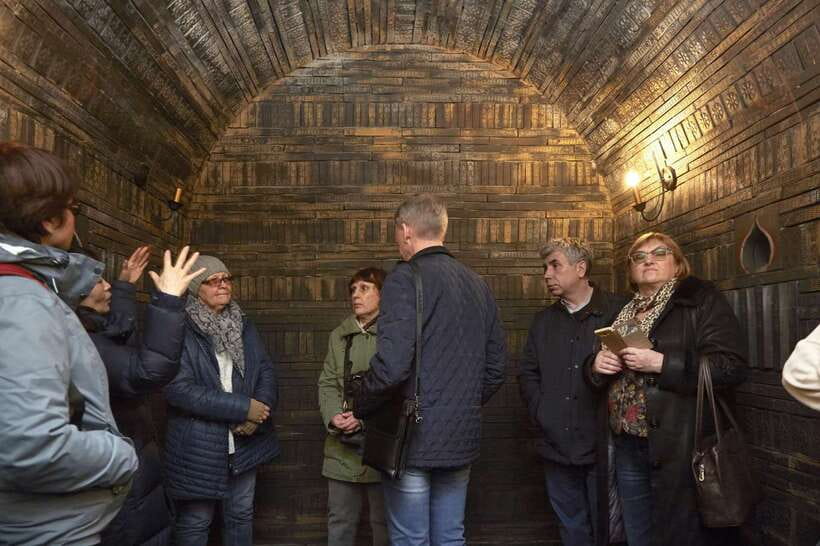
This tour fits best if you want a structured Korea sampler with major UNESCO hits and real cultural stops. It’s a strong match for first-timers who want to cover the big landmarks without building a spreadsheet of schedules.
It’s also a good choice if you care about variety. You get royal-era UNESCO sites in Gongju and Gyeongju, hanok culture in Jeonju, memorial history in Gwangju, coastal flavor in Busan and Yeosu, then a Joseon living village and a mountain nature finish.
If you’re the kind of traveler who wants deep time at one place, you might prefer a slower, single-region plan. The itinerary is efficient, which means you trade flexibility for coverage.
Finally, this is not a great plan if you strongly dislike early starts or long days. It includes multiple transfers, and Seoraksan can add a serious walking component depending on restrictions.
Should you book this 5-day UNESCO Korea tour?
If your goal is to see a lot of Korea, in an organized way, with an English-speaking guide and the key entry tickets handled, then I think this is a smart buy at $999. The best parts are the pairing of UNESCO sites across different themes, plus market and coast time that keeps the days from becoming only museums.
Before you book, check two things in your planning: your travel month, especially if you’re going in October, and your willingness to walk. If you’re fine with that, you’ll come home with a very full, well-connected picture of Korea, from memorial grounds to temples, hanok streets, and mountain air.
FAQ
Where is the meeting point in Seoul?
Meet your guide at the Donghwa Duty Free Shop Building at Gwanghwamun Intersection. Your guide will be holding a K-shuttle signboard, and the meeting point is near Exit 6 of Metro Gwanghwamun Station.
Does the tour include hotel pickup and drop-off from Seoul?
No. Hotel pickup and drop-off from Seoul are not included. The tour starts at Gwanghwamun and ends back at Gwanghwamun at 17:00.
What does the $999 per person price include?
The price includes 4 nights of hotel accommodation (twin or triple sharing), hotel breakfast, an English-speaking guide, entry tickets for selected attractions, and air-conditioned transportation.
Are lunch and dinner included?
No. Lunch and dinner are not included.
How many nights do I stay in hotels?
You stay for 4 nights, with hotel check-ins during the itinerary in Jeonju, Yeosu, Gyeongju, and Pyeongchang.
What should I bring for the trip?
Bring comfortable shoes. You’ll be walking at multiple sites, and the tour notes that some locations can involve a longer walk from parking areas.
Is Mt. Seorak always included?
It can be restricted in October and may be skipped. The tour also notes that buses may be restricted and you might need to walk 3.6 km to the entrance from the parking lot.
What is the cancellation policy?
You can cancel up to 3 days in advance for a full refund.
More 5-Day Experiences in Seoul
More Tours in Seoul
More Tour Reviews in Seoul
Not for you? Here's more nearby things to do in Seoul we have reviewed


Tours, compared.
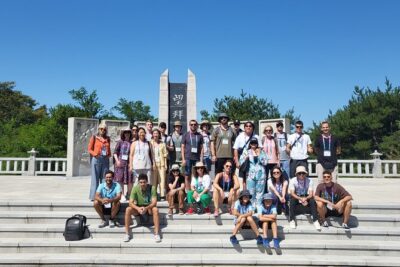 ★ 5.0Best DMZ Tour Korea from Seoul (Red Suspension Bridge Optional)From $2941,422 reviews
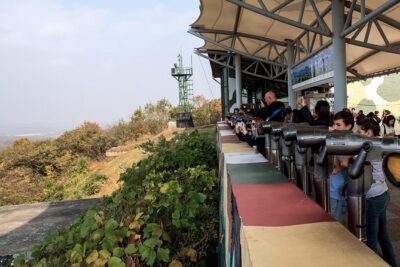 ★ 5.0DMZ Tour: 3rd Tunnel, Option(Suspension Bridge, Boat) from SeoulFrom $3521,373 reviews
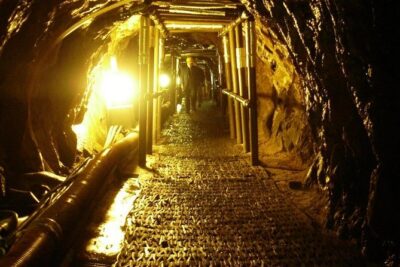 ★ 5.0DMZ tour south Korea from Seoul (NK experience hall, defector)From $2620,599 reviews
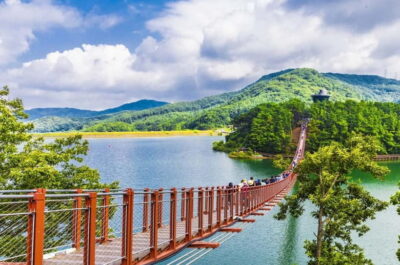 ★ 4.9DMZ Insider Tour: 3rd Tunnel, NK Defector Meet & Red BridgeFrom $5015,214 reviews
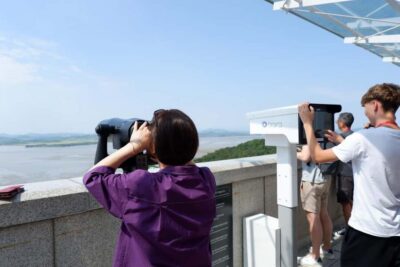 ★ 4.8DMZ Tour with Optional Suspension BridgeFrom $455,277 reviews
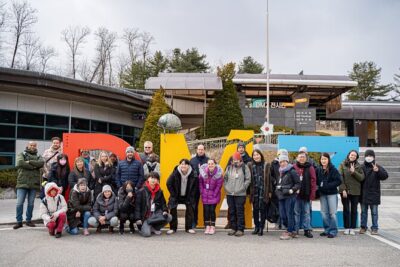 ★ 5.0Signature DMZ Tour: Exclusive Defector Talk & Suspension BridgeFrom $274,459 reviews
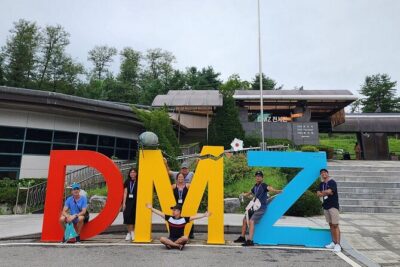 ★ 5.0Thrilling Korean DMZ 3rd Tunnel Tour from Seoul + Red Bridge RushFrom $353,097 reviews
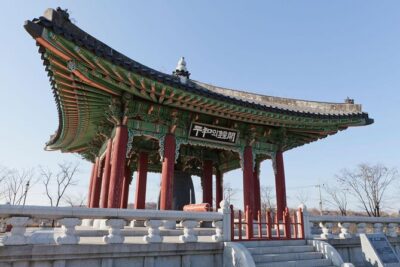 ★ 5.0DMZ Past and Present: Korean Demilitarized Zone Tour from SeoulFrom $372,481 reviews