

Reviewed · SEOUL FOOD & MARKET TOURS
Noryangjin Fish Market Dinner
Fish market dinner beats hotel seafood. This small-group Noryangjin Fish Market dinner is built around one thing: you see the market up close with Korean guide Lee, then you eat what you picked, all within about two hours. I especially like the max seven people setup, so questions are easy and you are not lost in the crowd.
One note to plan around: crab or lobster costs extra, and drinks are not included. Also, the exact seafood can shift with the daily market situation, so your menu may not be the same as someone else’s.
Key takeaways before you go

- Max seven people keeps the meal personal, not chaotic
- Korean-speaking guide Lee helps you choose seafood without a language headache
- Wholesale plus retail market context: you are shopping in one of Seoul’s major seafood hubs
- Dinner is included, but drinks are not, and crab/lobster cost extra
- Seasonal seafood changes mean your feast depends on what is best that day
Noryangjin Fish Market dinner, what you are really buying

This is not a sit-down seafood class where everyone gets the same plate. It is a market-to-table experience, run in a tight group, centered on choosing seafood right in the largest wholesale seafood area in Seoul.
Noryangjin Fisheries Wholesale market moves serious volume, about 50% of the metropolitan area’s seafood, with hundreds of tons traded every day. That matters because it shapes how the meal feels. You are not browsing a tourist shop. You are seeing where supply and quality decisions happen in real time, the kind of place where price and availability change with the day.
The price you pay, $112.55 per person, is basically paying for three things:
- Your guide’s market navigation and ordering help
- The dinner at a restaurant inside the market area
- The seafood selection (with an important limit, more on that below)
On paper, seafood sounds like it should be cheaper. In practice, you are paying for convenience and access. Without a guide, ordering raw or live seafood confidently can be stressful. With a guide, it becomes a fun, low-effort decision.
You can also read our reviews of more shopping tours in Seoul
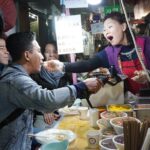
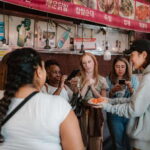

Meet at Noryangjin Station, then step into the seafood decision zone
You start at Noryangjin Station and you finish back at the meeting point. The whole thing runs about two hours, so the pacing is quick and practical.
The market tour part is about getting your bearings fast. You are walking through the seafood area where vendors display everything from common favorites to more unusual items. Your guide helps you interpret what you are seeing, and more importantly, what will taste best.
From the reviews and the tour setup, one thing is clear: your seafood is chosen based on what the market situation allows that day. Your guide does not use a fixed menu. That is a drawback if you are chasing a very specific ingredient, but it is also a strength. You get what is currently fresh and worthwhile, not what a calendar says you should eat.
If you have never ordered sashimi or seafood prepared in-house before, this is the part that makes the tour work. You do not have to figure out the translation, the cooking method, or the portion logic while hungry.
Choosing your catch with Korean guide Lee
The biggest value for me is the guide role. In the reviews, Lee is repeatedly praised for being kind, punctual, and easy to talk with, plus she knows many vendors. That last part is huge. In markets, knowledge of vendors can mean smoother ordering and better explanations about what you are buying.
Your guide helps you pick seafood, then the group moves to a restaurant within the market where your selection is prepared. You are also told up front that extra items like crab and lobster may cost more. So you can plan mentally: the included dinner is a seafood feast, but not a free-for-all on the most expensive shellfish.
You may hear Lee suggest items beyond the usual supermarket list. In past dinners, meals have included combinations such as shrimp, abalone, sea pineapple, sannakji, and even spoon worms, plus sashimi. You do not have to go adventurous. But it is reassuring to know the tour can handle variety and food curiosity, and you are not limited to one safe category.
Dinner inside the market, how the feast usually lands

The included dinner happens at a restaurant in the market, close enough that the experience stays coherent. You buy, then you eat. No long transfers, no waiting around for a separate dinner reservation somewhere else.
Because the seafood is chosen based on seasonal supply and market conditions, the exact spread can differ from day to day. That is not random. It is how wholesale markets work. When certain seafood is at its best, you tend to get better flavor and better value.
What you can count on:
- Seafood-based dishes, prepared from what you selected
- A meal that feels connected to the market tour, not like a generic restaurant stop
- Enough variety to make it feel like an event, not just a single main
From the reviews, the meals can be described as an amazing spread. People also highlight conversation during the dinner, which makes sense. The group is small, and the guide is already in discussion mode. This is a better format for connecting than a large tour where everyone eats in silence and disappears.
What is not included matters for budgeting. Drinks are not included, so you will likely add those costs at the restaurant. If you want crab or lobster, assume you will pay extra too.
The Sayuksin Park stroll after dinner, a calm counterpoint

After the meal, the tour continues with a walk to Sayuksin Park. The park shows the tombs of King Danjong’s seven loyalists. It also gives you views of the Han River.
This is a smart pairing. Fish market dinner can be intense, even if the food is great. A short walk to a scenic spot helps your body settle after eating and gives you a change of pace from the tight market corridors.
Also, the park part helps you see a different side of the area. You go from seafood trading energy to a quieter view and a historical landscape. Even if you only spend a short time there, it gives context to Seoul beyond food.
A few more Seoul tours and experiences worth a look
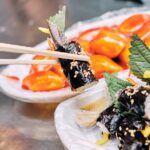
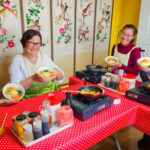



Price and value: does $112.55 make sense?

For some travelers, $112.55 for two hours sounds high. For seafood lovers, it can feel fair.
Here is the honest way to think about value:
- The dinner is included, and it is not just a small plate. The seafood is selected based on what is available and worthwhile that day.
- You are paying for a guide who helps you choose and order in a market setting.
- The group size is capped at seven, which reduces delays and confusion.
Costs you should plan for:
- Drinks are not included.
- Crab and lobster are not included, and they are explicitly additional cost.
- If you end up wanting extra seafood, your final bill may grow.
If you compare this to doing the same meal yourself, you lose time and confidence. Markets reward speed and correct ordering. A guide is often the difference between a fun meal and a stressful one.
And one practical note: this experience is often booked about 45 days in advance. That suggests demand is steady, especially for small groups.
Small-group format: why max seven matters for a market meal

Market tours can get awkward when groups are big. People fall behind. Orders take longer. Then the whole flow suffers, especially when you are translating food preferences on the fly.
Here, the tour caps at a maximum of seven travelers, which means:
- You can ask questions while you are actually standing at the vendors
- Your guide can manage the ordering process without everyone rushing
- The dinner experience stays social instead of procedural
One review also points out that even when the group was just one person, it felt like hanging out with a friend. That speaks to the friendly, not factory-line, tone of the guide approach.
So if you prefer a guide relationship rather than a group herding situation, this setup fits.
What seafood you should expect, and how adventurous you need to be

Your seafood can include everything from classic sashimi-style items to less common dishes. In the reviews connected to the tour, Lee has arranged meals with items like sannakji and spoon worms alongside more familiar seafood.
That does not mean you are forced to eat extreme foods. But it does mean the tour can handle food variety well, because your guide can explain and guide choices.
If you are adventurous, you can try things you would normally avoid due to unfamiliar preparation. If you are cautious, you can still enjoy the market dinner because the core experience is fresh seafood prepared by the market restaurant, using what your guide picks.
The safest way to approach it: tell your guide what you like and what you do not, early. With a Korean-speaking guide, that is usually smoother than doing it alone.
Practical tips to make this dinner go smoothly
A market meal has a few real-life needs. These are the habits that make the experience painless.
- Bring your questions early. Once you are at the vendors, ask what you are curious about and what is popular that day.
- Expect that seafood selection changes with the market. If you are chasing one exact ingredient, understand it might not be the best option that day.
- Budget for extras. Drinks are not included, and crab and lobster cost extra.
- Wear comfortable shoes. You are walking in and out around the market area and then toward the park.
- Keep your appetite flexible. A wholesale market decision might shift your plan from one type of seafood to another, depending on what is best that day.
Also, if you want to get value from the experience, use the guide’s strengths. Lee is known for helping with purchasing extra seafood if you want to add on. That means you are not limited to the included seafood logic.
Who this tour is best for
This works especially well if you:
- Want a food-centered Seoul experience that stays connected to the market
- Prefer a small-group format where you can talk with your guide
- Do not want to handle Korean ordering by yourself
- Like the idea of eating seasonal seafood rather than a fixed menu
It is also a good fit for couples or solo travelers who want conversation and direction. If you are traveling with a group, the tour’s small size is a plus, but remember the cost will scale per person and extras like crab/lobster can raise your total.
Should you book Noryangjin Fish Market Dinner with Honey Trail?
Book it if you want a guided, small-group seafood meal where the value is in real market access and a knowledgeable Korean-speaking guide like Lee. The combination of choosing seafood, eating in-market, and then taking a short scenic walk to Sayuksin Park is a well-paced package for a food-first night.
Skip it only if you strongly need one specific seafood item that day, or you want an alcohol-inclusive dinner with no extra purchases. Since crab/lobster and drinks are not included, your final bill can grow if you order up.
If you are the type who likes to see where food decisions happen and then eat right after, this is one of those tours that makes Seoul feel practical, not just scenic.
More Markets in Seoul
More Shopping Tours in Seoul
More Tour Reviews in Seoul



Not for you? Here's more nearby things to do in Seoul we have reviewed


Seoul Food & Market Tours, compared.
 ★ 4.9Gyeongbok Palace, Bukchon Village, and Gwangjang TourFrom $322,321 reviews
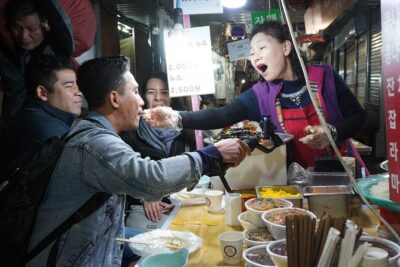 ★ 5.0Seoul Street Food Market TourFrom $731,226 reviews
★ 5.0Gyeongbok Palace, Bukchon Village, and Gwangjang TourFrom $321,044 reviews
★ 5.0Seoul Street Food Market TourFrom $731,226 reviews
★ 5.0Gyeongbok Palace, Bukchon Village, and Gwangjang TourFrom $321,044 reviews
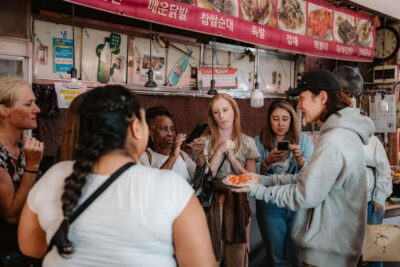 ★ 4.9Night Market Food Tour with Local GuideFrom $73943 reviews
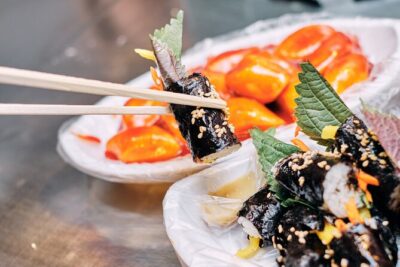 ★ 5.0Downtown Seoul Guided Food & Market Tour with 8+ Local TastingsFrom $98580 reviews
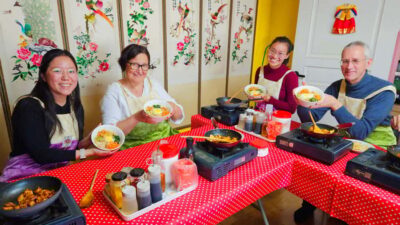 ★ 5.0Korean Cooking Class at a Local Home and Market TourFrom $98348 reviews
Small-Group Night Food Tour in Seoul with Korean BBQFrom $110304 reviews
★ 5.0Korean Cooking Class at a Local Home and Market TourFrom $98348 reviews
Small-Group Night Food Tour in Seoul with Korean BBQFrom $110304 reviews
 ★ 5.0Seoul Night Palace & Market Food Tour with VehicleFrom $79275 reviews
Browse the lists this tour appears in