
Reviewed · JEONJU & GYEONGJU DAY TRIPS FROM SEOUL
Jeonju Hanok Stay & Mt. Jiri Hiking from Seoul
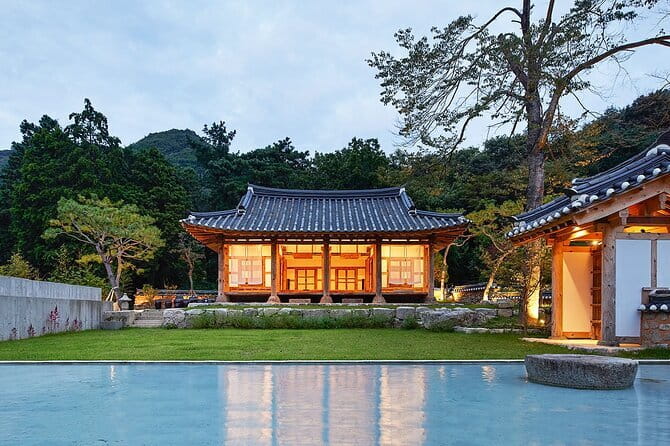
Hanok courtyards meet mountain mist. I love the Wanju Oseong Hanok Village stop tied to BTS’s 2019 Summer Package, and I also love the chance to wander Jeonju Hanok Village with its large collection of preserved hanok houses. The one catch is the Jirisan day asks for moderate physical fitness, so go in with realistic expectations for the hike and early start.
This is set up as a smooth, small-group getaway, with a maximum of 7 travelers and a licensed English guide. You start at 8:00 am near Namsan Yejang Public Parking Lot in Seoul, and you return to the same meeting point after two days, with a mobile ticket for the experience.
Key Points That Make This Tour Worth a Look
- BTS 2019 filming connection in Wanju at Oseong Hanok Village, with plenty of traditional atmosphere
- Jeonju’s scale, with about 700 hanok houses to explore on foot
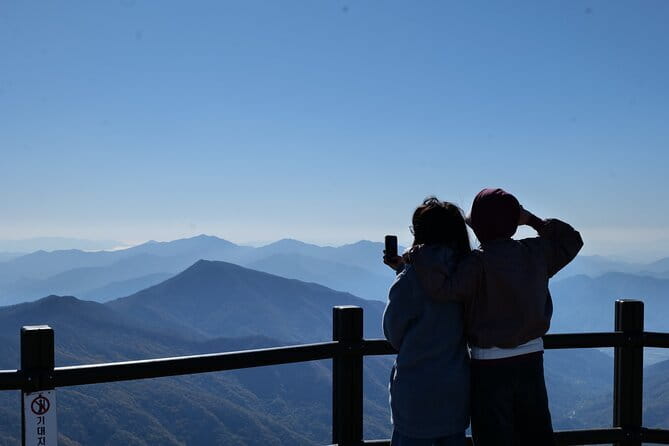
- Jirisan National Park at sunrise, paired with a meditation start on “Mother Mountain”
- Comfort-focused transport and trail extras, including a bus ride that feels relaxed, plus practical warmth outdoors
- Most logistics handled for you, with accommodation, meals, and entrance fees wrapped into the price
Day 1: Wanju Oseong Hanok Village, a traditional stop with a pop-culture wink
Your first leg takes you to Oseong Hanok Village in Wanju for about three hours, and it comes with one very specific hook. This is the place where BTS stayed in 2019 while filming their Summer Package, so you get an extra layer of curiosity as you walk the grounds and take in the traditional architecture and setting.
What I like about this stop is that it is not just about spotting a celebrity reference. The tour frames the village as both cultural and scenic, so you can treat the BTS connection as a bonus, then shift your focus to the hanok lifestyle and the pace of the countryside. If you enjoy photography, this is the kind of environment where you will naturally find angles without feeling like you are chasing a checklist.
There is also a practical rhythm here. You are on a guided schedule, but the experience still gives you time to look around rather than rushing you from doorway to doorway. For first-time visitors to South Korea outside Seoul, that balance helps a lot, because you spend less energy figuring things out on your own.
You can also read our reviews of more hiking tours in Seoul


Jeonju Hanok Village: walking among about 700 preserved houses
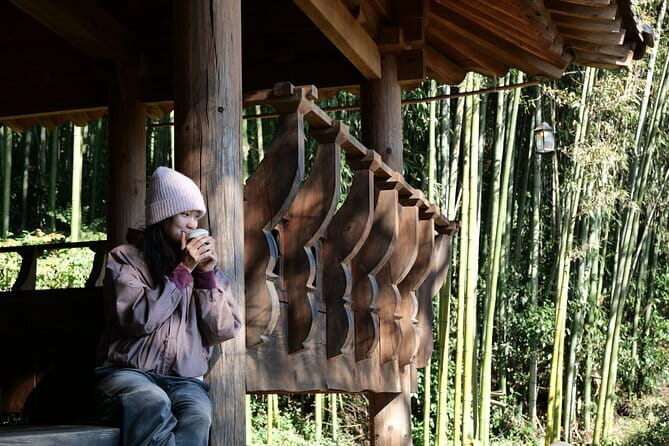
After Wanju, you head to Jeonju Hanok Village, described as the largest traditional village in Korea. Plan on roughly three hours here, and the big number matters: around 700 hanok houses are preserved, so the village feels like an entire living district rather than a single street attraction.
This stop is ideal if you like architecture and everyday culture. Hanok houses are not just “old buildings,” they are a window into how people lived, built, and organized space, with courtyard thinking and a different relationship to the street. With that many houses, you also get a sense of variety in rooflines, doorways, and how the neighborhood holds together.
One thing to keep in mind is that Jeonju is meant to be explored on foot. Even if you are not doing an intense walking day, you will still spend time moving through lanes and seeing sights at human scale. If you prefer short bursts plus breaks, you can usually manage it by using the provided structure for what to see first, then lingering when something catches your eye.
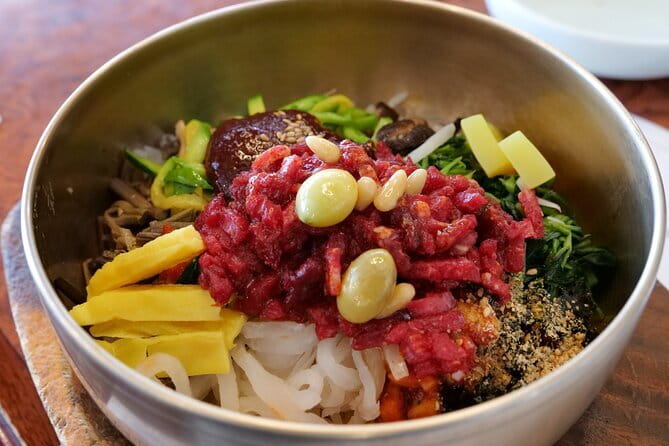
And food is part of the Jeonju story. The trip is set up around seasonal dishes, including favorites like bibimbap and grilled short ribs, served during included meals. That is a smart pairing, because you get culture in the morning and comfort in the plate later, without having to plan every meal yourself.
Day 2: Jirisan National Park, sunrise meditation on “Mother Mountain”
Day two is the reason most people sign up, Jirisan National Park. It is Korea’s first national park, and the tour leans into the spiritual and restorative side of the mountain experience. You start with a sunrise meditation, described as taking place amid mist-covered peaks, and then you move into the hiking portion of the day.
A sunrise start sounds simple until you actually have to commit to it. This tour asks you to get going early enough to catch the mood at the top, so set your expectations for an early day and prepare to bundle up. Even when the air is mild, sunrise in a mountain setting can feel cool, and layers make that difference between enjoying yourself and constantly worrying about being cold.
The tour also gives the hike a “moderate fitness” frame. That is helpful, because it signals that the day is outdoors and active, but not designed as an extreme endurance challenge. Still, you should plan for real walking and uneven ground, so good shoes matter.
What makes Jirisan feel different from a typical day trip is the way the tour starts. Meditation at sunrise is not the same as just taking photos at a viewpoint. It sets a slower tempo, so the hike can feel more grounded, and the views have more impact because you have already switched your mindset.
Ssangsanje backdrop at Gurye Sansuyu Village, a calmer hanok feeling
After the Jirisan day, you finish with Gurye Sansuyu Village for about two hours. Admission here is free, and the focus is on the setting of Ssangsanje, described as the backdrop for the Korean program Youn’s Stay.
This stop is a nice counterbalance to the busier hanok energy of Jeonju. You get a more modest hanok experience, and the tour notes that it can feel different from the flashier or more famous house settings you might hear about elsewhere. In other words, the emphasis is on atmosphere rather than spectacle, which works well as a final chapter after a hiking day.
Sansuyu Village also gives you an “end of the trip” type of pace. You are still seeing traditional surroundings, but you are not starting another physically demanding segment. If your legs are a little tired from the mountain day, this is the kind of stop that lets you recover without turning the experience into pure sitting around.
The best part of the bus ride is that it lets you rest
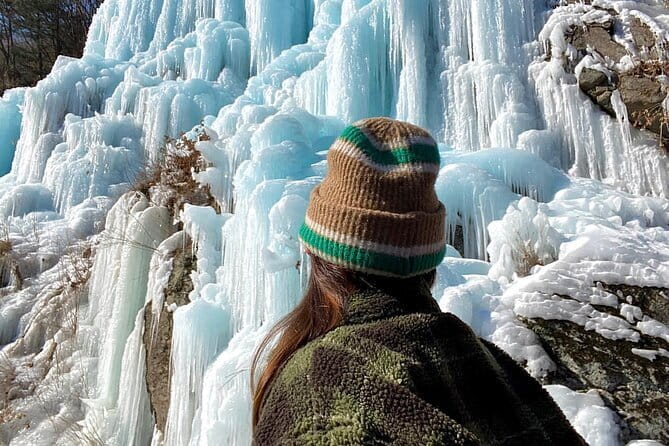
Most people underestimate how much energy long transfers can take. Here, the logistics are part of the value: you have roundtrip transfer from Seoul, and the group size stays small, with a maximum of 7 travelers.
The bus is described as comfortable, with room to stretch out and seats that recline if you want to nap. There is also mention of free Wi-Fi, plus an occasional light pop-quiz from the guide, which turns the ride from dead time into something more engaging. And if you are the type who hates being stuck on a bus while everyone else seems fine, this matters, because arriving rested makes the walking days easier.
One safety note from the tour guidance is to wear seatbelts at all times while on the vehicle. It is a small thing, but it is worth treating as standard practice, especially if the road conditions and timing are unfamiliar.

A small-group setup with a licensed English guide
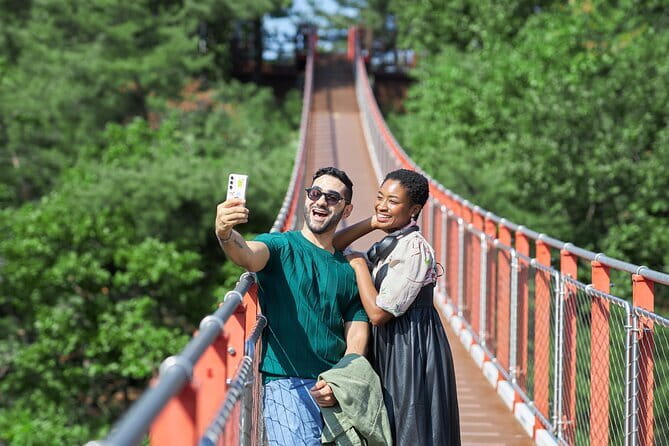
This is not a giant coach tour. It needs at least 4 participants to operate, and it caps at 7 travelers, which usually means the guide can actually interact with the group.
The tour includes a licensed English tour guide, plus travel insurance. That is a meaningful comfort factor when you are traveling in rural areas where you cannot easily ask questions or translate on the fly. Also, if you have dietary requirements, the tour asks you to indicate them when booking, which is the kind of detail that prevents awkward surprises later.
The pacing also feels intentionally balanced. Notes from the experience describe a mix of guided time and time to explore on your own, which is the best of both worlds. You get structure for the must-see elements, then you have room to slow down when something draws your attention.
Meals and accommodation: where the value of $690 really shows
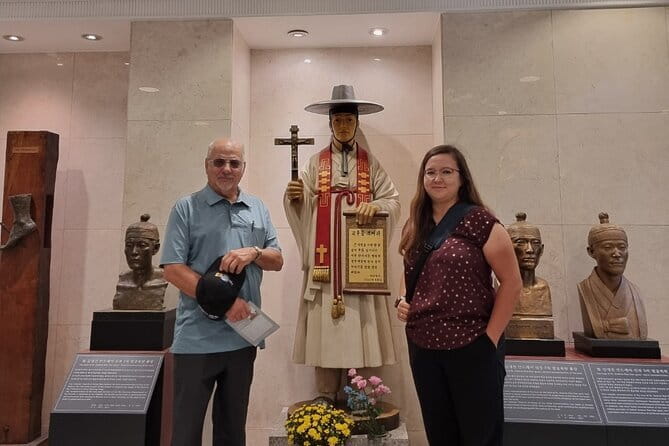
Let’s talk price, because $690 is not a “just wing it” number. For this two-day experience, the included items are the heart of the deal: accommodation, dinner, and breakfast twice, plus lunch twice. Entrance fees are included too, and you get roundtrip transfer from Seoul.
When you break it down like that, the price starts to feel less like paying for sightseeing and more like paying for a whole package. Instead of spending time arranging lodging, buying tickets, and figuring out transit between rural areas, you are paying someone to coordinate it all.
That also affects your mental load. You can show up, follow the plan, and focus on the two things you actually came for: hanok culture and mountain nature. For people who want a short Korea trip but do not want to spend every waking hour planning, this structure tends to be a relief.
One more detail that shows good planning: outdoor activities get practical attention. Notes from the experience mention staff giving hot packs during outdoor time, which sounds small, but it can make the difference when you are waiting for sunrise or moving in cool air.
What to expect in the daytime flow (and where you can slow down)
The itinerary is built around two or three hour blocks per stop, with guided segments and room to wander. Day one focuses on traditional villages in Wanju and Jeonju. Day two is a mountain morning and then a final village setting in Gurye.
You should also plan for the fact that this is “multi-scene” travel. You will likely move from villages to countryside roads, then to an outdoor morning that changes your energy levels fast. If you like travel that feels varied, this is fun. If you hate early mornings and prefer a single neighborhood per day, you might find the pace a bit full.
Still, the overall design is sensible. Rural Korea is not just one place, and the trip uses two separate hanok settings to give you a wider view of traditional life, then ends with a nature-and-culture finale.
Packing tips that match what the tour asks of you
The tour calls for moderate physical fitness, so pack like you will be walking more than you expect. Comfortable shoes are the first item, especially for uneven paths around villages and on the mountain day. If you sweat easily, bring breathable layers, then add warmth for sunrise time.
Also think about the practical “small group, long day” reality. Even with included meals, you will still want water and a small snack for energy between planned times. The tour notes drinks are not included as an extra category, so budget for what you personally prefer.
If you have dietary requirements, indicate them at booking. That is the most reliable way to avoid a rough dinner scenario when everyone else is eating comfortably.
Who this tour is best for, and who should skip it
This is a strong fit for you if you want a countryside reset from Seoul without giving up guided support. You should like traditional neighborhoods, enjoy walking, and feel curious about Korea beyond the major city highlights. The BTS connection is a nice hook for fans, but the structure is also built for people who just love hanok architecture and everyday culture.
You might skip it if you dislike early starts. Sunrise meditation and a morning mountain schedule can be tough if you want to sleep in or if mornings are not your thing. Also, if moderate fitness sounds too much, you might prefer a slower cultural day trip instead.
Final verdict: Should you book this Jeonju and Jirisan tour?
I would book it if your goal is a two-day hit of hanok culture plus a real nature day that feels restorative, not just scenic. The best argument is the value bundle: roundtrip transport, lodging, multiple meals, entrance fees, and a licensed English guide in one package for a small group.
I’d hesitate if your schedule is fragile or you are not comfortable with mountain walking. Sunrise plus hiking means you should be ready for a physical day, and you should be the type who can enjoy being out in the open even if the weather shifts.
FAQ
What time does the tour start and where is the meeting point?
The tour starts at 8:00 am. You meet at Namsan Yejang Public Parking Lot in Yejang-dong, Jung District, Seoul, and it ends back at the same meeting point.
How long is the tour?
The experience lasts 2 days (approximately).
How big is the group?
It has a maximum of 7 travelers and requires a minimum of 4 participants to operate.
Is a licensed English guide included?
Yes. A licensed English tour guide is included, along with travel insurance.
What meals are included?
Dinner is included, and you also get breakfast twice and lunch twice.
Are entrance fees included?
Yes. All entrance fees are included.
Do I need to pay extra for drinks or personal expenses?
Drinks are not included. Personal expenses such as laundry, haircut, telephone, fax, pay TV, tips, and any additional expenses are also not included.
Is the hike difficult?
The tour asks for a moderate physical fitness level. It includes a hiking experience at Jirisan National Park.
What happens if weather is bad for the mountain day?
The experience requires good weather. If it is canceled due to poor weather, you will be offered a different date or a full refund.
When should I book?
On average, it is booked about 72 days in advance. If you book within 2 days of travel, confirmation is received within 48 hours, subject to availability.
More Hiking & Trekking Tours in Seoul


More Tour Reviews in Seoul
Not for you? Here's more nearby things to do in Seoul we have reviewed


Jeonju & Gyeongju Day Trips from Seoul, compared.
 ★ 5.0Full day Private Gyeongju UNESCO Heritage Tour : a glimpse into SillaFrom $25660 reviews
 ★ 4.7Jeonju Hanok Village Full-Day Tour:Jangtaesan Autumn FoliageFrom $7445 reviews
★ 5.0Jeonju Hanok Village Full-Day Tour: Jangtaesan Autumn FoliageFrom $6016 reviews
 ★ 4.5Small Group 7D Korea package Tour with Seoul Gyeongju Busan JejuFrom $1,98813 reviews
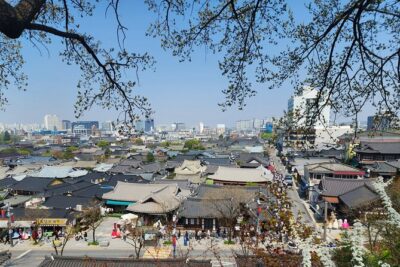 ★ 5.0Jeonju Hanok Village and Maisan Tapsa Temple Day Tour From SeoulFrom $6012 reviews
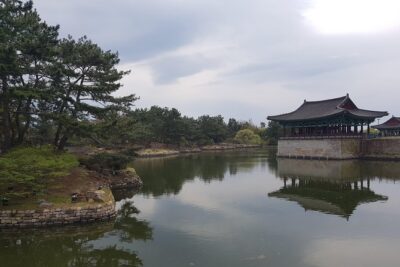 ★ 4.5Gyeongju UNESCO Sites Tour by KTX train; The Museum Without wallsFrom $47011 reviews
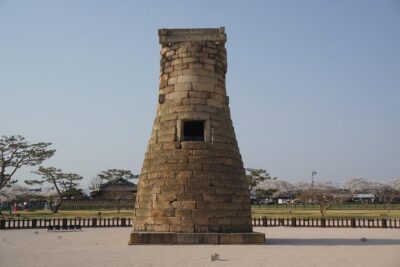 ★ 4.53-Days 2-Nights Gyeongju UNESCO Sites & Busan City [Private Tour from Seoul]From $1,10411 reviews
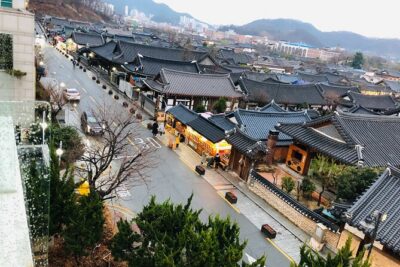 ★ 5.0Maisan Cherry Blossom and Jeonju Hanok VillageFrom $718 reviews
Browse the lists this tour appears in