
Reviewed · DMZ DAY TOURS FROM SEOUL
DMZ Tour + The War Memorial of Korea Museum
Early morning fences and real history.
This day trip to the DMZ and the War Memorial pairs forward-looking views with grounded context, so you do not just see places, you understand what you are looking at. I also like how the schedule stays structured, from Imjingak’s war reminders to the Third Tunnel, without feeling chaotic. One thing to consider: you have to carry your passport, and access can change with bad weather or military issues, so you need a flexible attitude.
My second big plus is the human factor. Guides are a standout here, and names like Bill Hwang, Kane Kim, Ann Jung, and Jae Seo come up because they keep the group on track, explain clearly in English, and make sure you know what to do before each stop. The main drawback is physical effort at the tunnel, so plan for steep, narrow sections and wear shoes you can trust.
The DMZ plus War Memorial is the right “context sandwich”
If you only do the DMZ sights, it can feel like a set of dramatic stops. If you only do the War Memorial, it can feel like museum time. This tour puts them together so the day has a rhythm: first you see the perimeter, then you get specific war-era details, and finally you zoom out and connect the story.
It also helps that you are not stuck figuring out logistics solo. You get round-trip transportation via an air-conditioned vehicle, a professional guide, and tickets handled through a mobile format. The group size is capped at 40, which keeps the experience manageable, and in practice the day often feels tight and organized rather than rushed.
The schedule also respects pacing. Most of the day is built around time in the main stops, with travel time to the border area. You should still plan for a full 8 to 9 hours, and you will want to eat something before pickup because lunch is not included.
Pickup at Myeong-dong and the early start you will feel
The tour starts at 7:00 am at Myeong-dong Station, Exit 4. You meet near the bus drop-off in the Myeongdong area, and the vehicle picks up from points close to your hotel.
This early start matters for two reasons. One, it gives you enough daylight time for Dora Observatory binocular viewing and photography rules at the DMZ facilities. Two, the border-area sites can shift depending on conditions, so starting early gives the organizers breathing room.
Practical tips I’d treat as non-negotiable:
- Bring your passport on the day. Without it, you may not be allowed to enter the DMZ.
- Wear layers and comfy shoes. DMZ sites involve walking, and the Third Tunnel involves a steep, narrow section.
- Pack a small snack plan. Lunch is not included, so you will want something to tide you over during the day.
You can also read our reviews of more museum experiences in Seoul
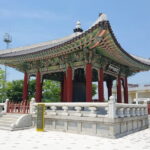

Imjingak Pyeonghwa Nuri Park: Bridge of Freedom and the “in-between” story
Your first major stop is Imjingak Pyeonghwa Nuri-Park, after about 1.5 hours of travel from central Seoul.
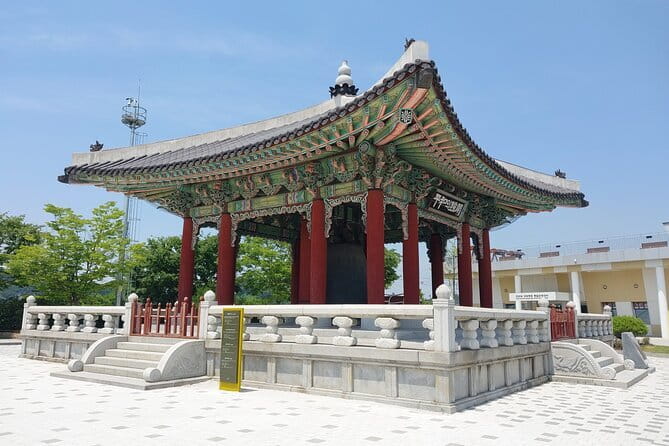
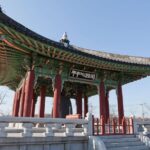
This is where the tone sets itself. You start with the Bridge of Freedom, which is a temporary bridge, not an architectural masterpiece. The point is the meaning. It is presented as a symbol tied to the Korean War’s tragedies and the lasting division of the peninsula. That symbolism can feel heavy, but it is also what makes the later DMZ sights click into place.
From there, you move through exhibits around the park area. Highlights in the planned route include:
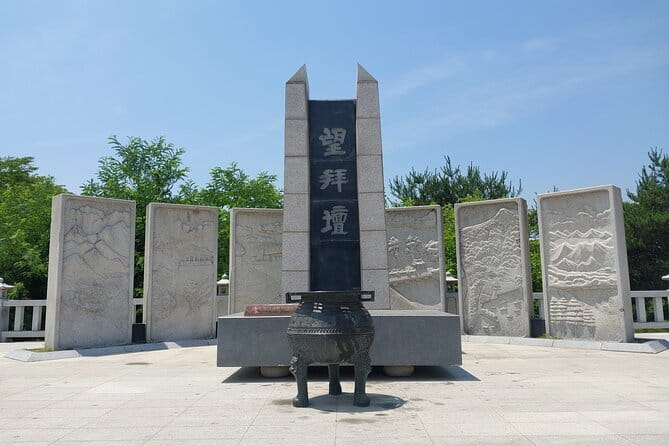
- Mangbaedan Memorial Altar
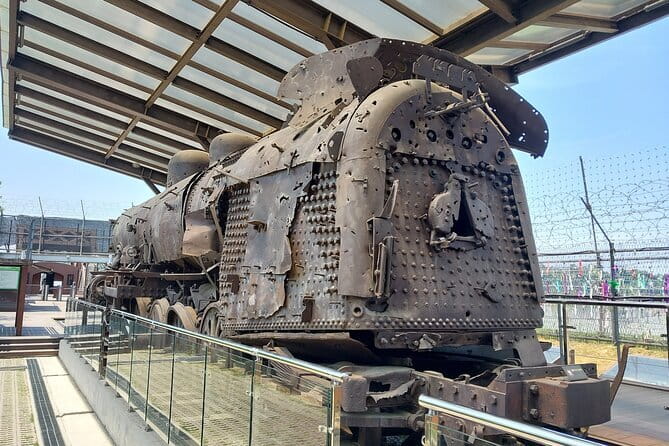
- Steam Locomotive at Jangdan station
These are not flashy stops, but they work as “context anchors.” They help you understand why the DMZ is not just a line on a map. It is a lived reality shaped by displacement, memory, and the ongoing impact of conflict.
One small consideration: this start can feel emotionally intense. If you prefer a lighter first hour, you might want to steady yourself with neutral, practical goals: observe the artifacts, take note of names and concepts your guide repeats, then let the day unfold.
DMZ exhibition hall and theater video: what to watch for
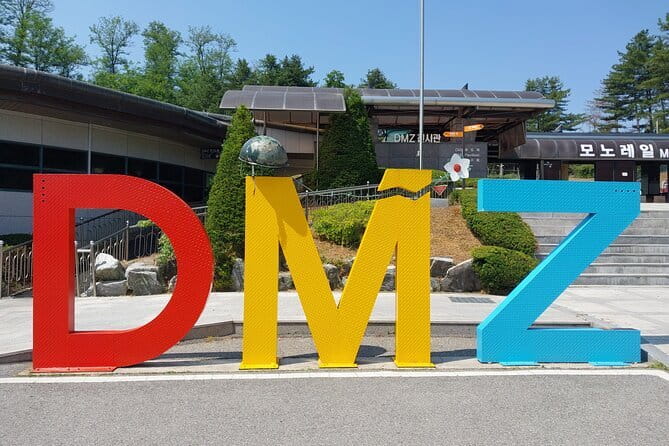
Next you visit the DMZ area itself, starting with a video clip and then the DMZ exhibition hall.
The video and exhibition hall are where you get a baseline. You are not expected to already know every term. The exhibits and relics are meant to give you general information about what the DMZ is and why it exists, including war-linked records and artifacts.
What I recommend you do here is simple: do not rush. This is the stop that helps you avoid the most common mistake, which is treating the DMZ like a sightseeing checklist. Pay attention to the big ideas and any dates or names your guide repeats, because those show up again when you look at the tunnel and the observatory later.
Photo notes also matter in the DMZ zone. Rules can be strict, and the day includes areas where photography is limited. Since you are not bringing your own “rules interpreter,” follow guide instructions carefully and keep your camera gear minimal.
Dora Observatory: binocular viewing across the DMZ
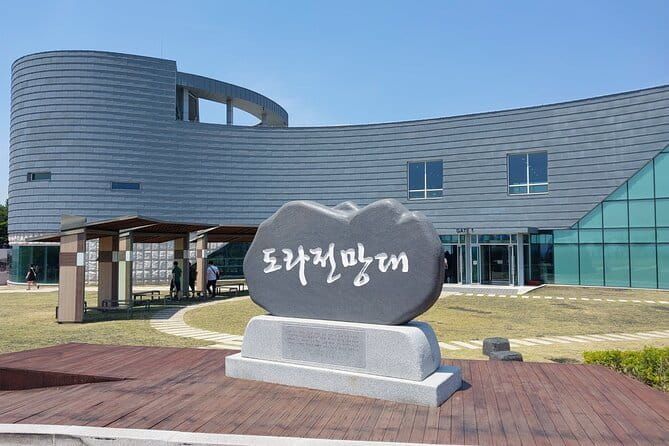
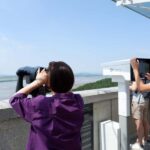
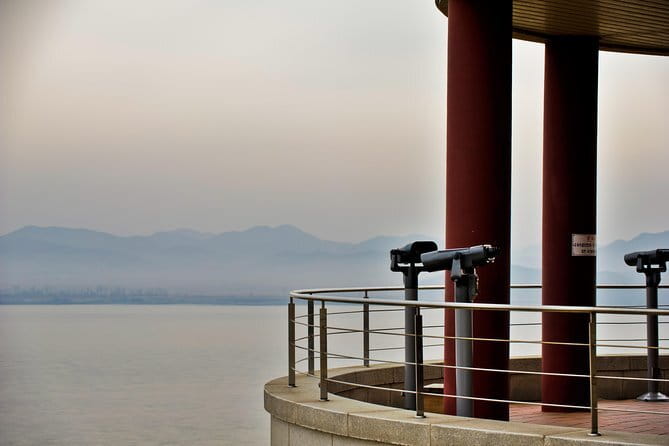
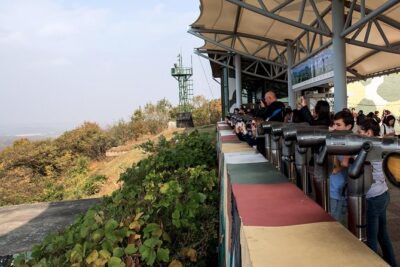
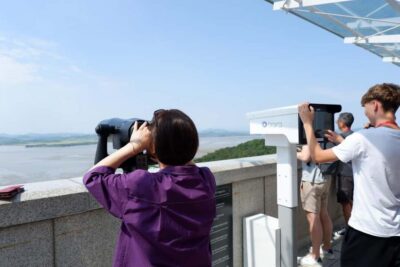
Then it is Dora Observatory, where you can look across the Demilitarized Zone.
This stop is built around viewing. You get scenic sight lines across the DMZ, including the North Korean territory, using binoculars. The value here is not just the view, it is the experience of looking from a controlled vantage point, guided by the context you just built in the exhibition hall.
Dora is also a good “mental reset.” After the exhibition and especially after the tunnel, your brain needs a moment to shift from details to perspective. Binocular viewing gives you a focused task, and that helps you feel less lost.
A practical tip: your view time will feel short compared with how long you might want to stare. If you bring questions, ask them here. Your guide can connect what you see to earlier explanations.
The Third Tunnel: steep, narrow, and worth the effort
The most physically demanding stop is the Third Infiltration Tunnel.
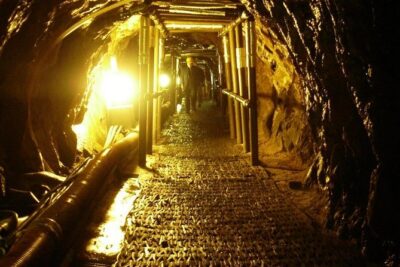
You explore a tunnel dug by North Koreans into the South. The visit is designed to show evidence tied to the idea of invasion and infiltration, not just to show a hole in the ground. You learn how the space is shaped and why its slope and construction matter.
What to expect, based on how this stop is run:
- It is steep and narrow.
- Comfortable clothes and shoes are recommended.
- The route includes sections where you may need rest breaks, and you will have to move carefully.
A big practical point from the field: you generally should expect limited photo opportunities inside the tunnel. The tunnel experience can restrict camera use, and the viewing rules around North Korea can also limit what you can photograph.
So plan for this as a sensory and educational stop, not a photo-heavy one. If you are traveling with people who get uncomfortable with tight spaces, be honest about comfort levels before you commit. Even if you are not claustrophobic, the effort level can surprise you.
Also, this is one of the places where guide leadership shows. In well-run versions of this tour, guides stay close, manage pace, and help you make the tunnel trip without feeling rushed. If you care about that kind of support, keep an eye out for guides known for close group management, like Bill Hwang or Kane Kim.



War Memorial of Korea: the museum that ties the whole day together
Last stop is the War Memorial of Korea.
This museum visit is free on the tour and runs about an hour in the scheduled plan. It is a crucial ending because it takes you from the immediacy of the DMZ back to the wider historical arc. You see records and exhibits related to Korea’s long history and the Korean War.
Why this stop works after the DMZ:
- The DMZ sights can feel like present-day boundaries.
- The museum frames what led to that reality, so the day stops being random and starts being coherent.
One note for your personal strategy: if you are the type who wants history first and sites second, you might enjoy doing some of the museum on your own at another time. The scheduled visit is limited, so you may only get a slice. But as a finish, it lands well.
Also, this stop helps you write better memories. Instead of just remembering the tunnel, you remember the themes that explain it: conflict, consequence, and how nations build meaning around survival.
Timing, group size, and how not to feel rushed
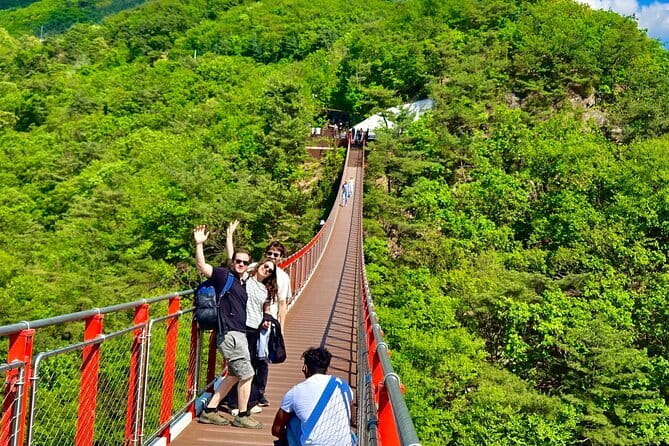
This tour runs roughly 8 to 9 hours total, and it is tightly packed by design. The benefit is you see multiple key sites in one day. The trade-off is you will not linger for long at each location.
Group size is capped at 40, and that limit affects how smoothly the day can run. In smaller groups, instructions and pacing often feel more personal. Either way, the tour is designed to keep you on schedule across five stops.
If you want the day to feel comfortable, do these three things:
- Wear the right shoes early. If your feet hurt in the morning, the tunnel becomes a bigger struggle than it needs to be.
- Bring a plan for food. Lunch is not included, so decide whether you will snack during the day and eat later.
- Keep your passport accessible. Do not make your guide stop while you search for it.
Guides are a major part of the smoothness. Several guides are highlighted for strong English, clear explanations, and time management. That matters because the DMZ environment can be rule-heavy, and you want someone translating what to do, not just talking history.
Price check: $65 is mostly about value and included admissions
The price is $65 per person for a full day, with air-conditioned transportation, parking fees, and a professional guide included. Tickets for major DMZ-related sites are included, and the War Memorial stop is free.
What makes this feel like good value is that the day is not just a “viewpoint bus ride.” You get guidance for multiple structured components: an area park with symbolic memorial stops, DMZ exhibition time with a theater video, an observatory viewing window with binocular use, and a tunnel visit with specific rules.
Is it cheap? No. But it is not overpriced for what you are getting, especially because you are paying for access, time in multiple key sites, and guided interpretation that turns them into a coherent story.
If you are comparing alternatives, treat it this way: a DIY DMZ day can be hard because you still need the same entry rules and the same time constraints. This tour removes friction and keeps you focused on the experience.
Who this DMZ and War Memorial day trip suits best
This tour is a strong fit if you:
- Want a guided route through the DMZ sights, not just photos.
- Like when a day has context, not isolated stops.
- Can handle moderate physical effort, especially the steep, narrow tunnel section.
It also helps if you appreciate clear English narration. In this tour style, strong guides tend to make complicated details understandable and keep the group moving at a pace that works for different people.
If you are traveling with someone who has mobility challenges or is very sensitive to confined spaces, the Third Tunnel can be the deciding factor. Bring that up early in your planning, and be honest about comfort.
Should you book this tour?
I think you should book this DMZ tour plus the War Memorial if you want one day that actually connects the dots: the meaning of the DMZ line, the proof points you see in the Third Tunnel, and the larger story you take home from the museum.
Book it if you value structure, a guide who can keep the day on track, and included access to multiple high-impact stops. Skip it if you cannot manage the tunnel’s steep, narrow conditions, or if you are not comfortable with rule-heavy sites where photography and viewing can be restricted and conditions can affect access.
If you go, go prepared: passport in hand, comfy shoes on, and a flexible mindset for a day shaped by the realities of the DMZ.
FAQ
What time does the tour start?
It starts at 7:00 am and meets at Myeong-dong Station, Exit 4. The tour ends back at Myeong-dong Station.
How long is the DMZ and War Memorial tour?
Plan for about 8 to 9 hours.
Is the War Memorial of Korea included, and is there an entry fee?
The War Memorial of Korea stop is included, and admission is free as part of the tour.
Do I need my passport for this tour?
Yes. You must carry your passport on the day of the tour, or you may not be allowed to enter the DMZ.
What stops are included in the day?
The tour includes Imjingak Pyeonghwa Nuri Park, the DMZ area (with a video theater and exhibition hall), Dora Observatory, the Third Tunnel, and the War Memorial of Korea.
Is lunch included in the price?
No. Lunch is not included.
What happens if the tour is affected by weather or military issues?
Access can be delayed or canceled due to unexpected military issues or bad weather in the DMZ. The cancellation policy states that if it is canceled due to poor weather, you will be offered a different date or a full refund. If you cancel for your own reasons, free cancellation is available up to 24 hours before the experience starts.
More Museum Experiences in Seoul

More Tours in Seoul
More Tour Reviews in Seoul
Not for you? Here's more nearby things to do in Seoul we have reviewed


DMZ Day Tours from Seoul, compared.
 ★ 5.0Best DMZ Tour Korea from Seoul (Red Suspension Bridge Optional)From $2941,422 reviews
 ★ 5.0DMZ Tour: 3rd Tunnel, Option(Suspension Bridge, Boat) from SeoulFrom $3521,373 reviews
 ★ 5.0DMZ tour south Korea from Seoul (NK experience hall, defector)From $2620,599 reviews
 ★ 4.9DMZ Insider Tour: 3rd Tunnel, NK Defector Meet & Red BridgeFrom $5015,214 reviews
 ★ 4.8DMZ Tour with Optional Suspension BridgeFrom $455,277 reviews
 ★ 5.0Signature DMZ Tour: Exclusive Defector Talk & Suspension BridgeFrom $274,459 reviews
 ★ 5.0Thrilling Korean DMZ 3rd Tunnel Tour from Seoul + Red Bridge RushFrom $353,097 reviews
 ★ 5.0DMZ Past and Present: Korean Demilitarized Zone Tour from SeoulFrom $372,481 reviews
Browse the lists this tour appears in