
Reviewed · SEOUL INSADONG & TRADITIONAL CRAFTS
Write a Meaningful Korean Calligraphy Scroll in Insadong
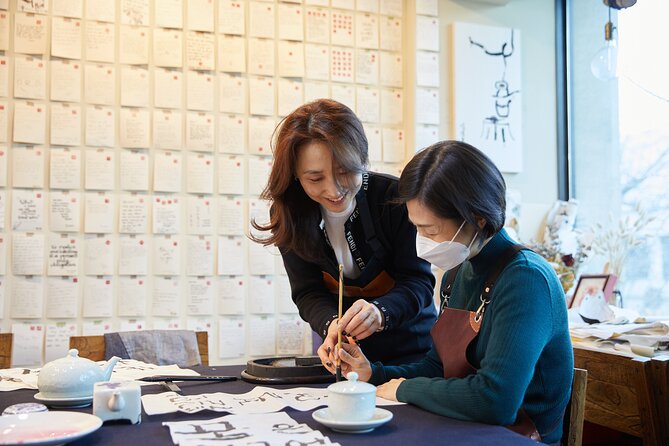
Hangul brushwork can slow your day. In Insadong, you’ll write a meaningful Korean word or phrase while a Korean artist guides you step-by-step, then you take home a handmade Hangul scroll. I love that it feels genuinely calm, not staged, and you learn how strokes connect to meaning, not just how to copy letters. One thing to plan for: it’s limited availability and only offered in Insadong, so you’ll want to lock in dates early.
You start with basic strokes and Hangul practice, then move to writing your name in two versions before creating your own personalized scroll. I especially liked the personal attention and encouragement (English support is part of the experience), but you should also know this is a focused class, so you’re not dropping in for a quick photo and leaving. Expect a thoughtful, hands-on hour and a half.
Key highlights worth knowing before you go
- Small-group, personal coaching so spacing and brush control get corrected in real time
- Hangul practice built in from basic strokes to your name, then your message
- Meaning-driven technique including how size and spacing can change with what you’re saying
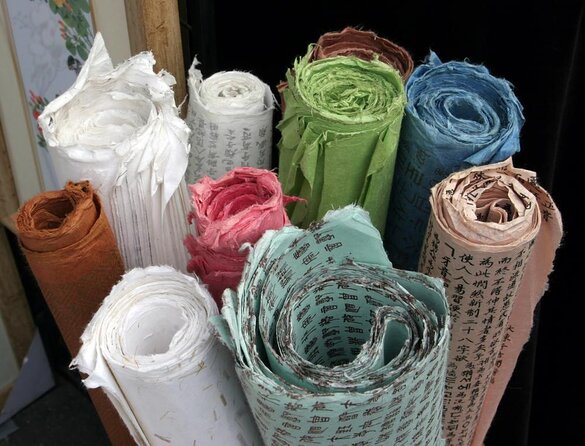
- Optional traditional seal stamp to finish your scroll with an authentic touch
- A take-home keepsake that’s truly handwritten during your session, not printed ahead of time
Why Insadong Is the Right Place for Hangul Brushwork
Insadong is built for slower travel, and this workshop fits right into that rhythm. You’re in one of Seoul’s most tradition-focused areas, where it’s easy to turn your writing class into part of a larger cultural stroll. The big win is that the class isn’t treated like a factory souvenir stop. It’s a craft session with real time spent on the brush, the ink, and the meaning behind what you write.
I also like that your end product is specific to you. You aren’t choosing from a menu of premade designs. Instead, you’re picking a meaningful Korean word or phrase, then translating that idea into Hangul form. That’s why the results feel personal enough to frame later, not just “nice for a shelf.”
One more practical point: you’ll be in a concentrated atmosphere. You can keep your attention on one thing, writing carefully, and not split your brain between directions, crowds, and logistics. If you’re planning a busy day of sightseeing, this kind of calm break is exactly what makes the trip feel balanced.
You can also read our reviews of more tours and experiences in Seoul.


Finding Tongmoongwan and settling into the studio vibe
Your session starts at 3rd fl, 55-1 Insadong-gil, Jongno District, Seoul. The workshop takes place at Tongmoongwan as your main stop, and it’s set up as a small studio experience rather than a large classroom. That matters because the pacing stays gentle. You’re guided through practice, and you have time to get comfortable before you move to your final scroll.
The experience runs about 1 hour 30 minutes, which is a sweet spot. Long enough to learn basics, make a few good attempts, and finish something you’re proud of. Short enough that you can still enjoy Insadong right afterward, maybe with a late snack or a relaxed walk back through the area.
Also, because the class is described as private for your group, you can expect less pressure than a true mixed-group workshop. That typically means you won’t feel rushed to keep up, especially if you’re not already familiar with Hangul.
And yes, there’s typically a welcoming tone. Reviews mention the tea and treats being part of the experience, which makes the room feel more like a calm creative break than a strict lesson.
The 90 minutes: what you actually do step by step
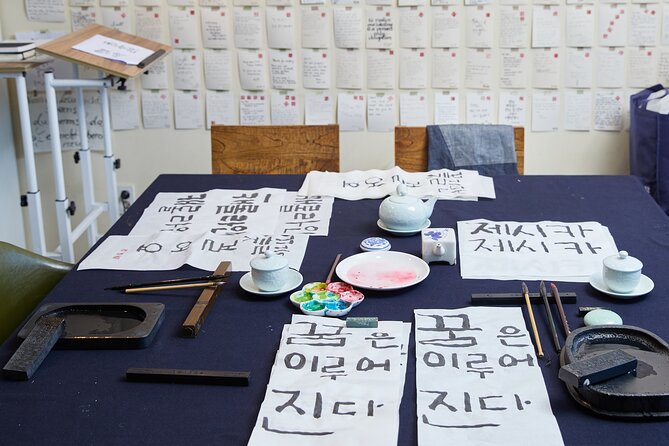
The flow is clear and structured, which helps a lot if you’re nervous about “not being good at writing.” You’ll begin with an introduction to traditional calligraphy materials, including brushes and ink, and you’ll learn mindful brush techniques. The aim is control and steadiness, not speed.
Next comes practice. You start with basic strokes and Hangul characters, so you build muscle memory before you risk committing your idea to the final scroll. After that, you practice your name in two versions. That’s a smart exercise because it forces you to think about letter structure and spacing, not just trace-and-go copying.
Then the class shifts into personalization. You choose your own meaningful Hangul message, practice it, and adjust it based on what your instructor guides you toward. One detail I really appreciate from the feedback is that the artist helps with spacing and size based on the meaning of your word or phrase. That’s the difference between decorative writing and calligraphy with intention.
Finally, you finish your scroll. A traditional stamp is provided so you can add an authentic seal-like element. It’s a small step, but it changes the feel of the finished work, and it makes your scroll look complete and intentional.
From Hangul basics to writing your name in two versions
Hangul is one of those writing systems that looks simple once you know it, and complicated until you do. This workshop gives you a way to understand it through hand movement, not lectures. You’re not just shown characters; you practice them as strokes, learning how the brush behaves.
The most useful part for me is the name-writing exercise in two versions. It nudges you out of the single “one way” habit. Even if you think of your name as one fixed form, the class teaches that there can be different calligraphy styles or arrangements. You’re practicing control, balance, and how characters sit on the page.
You also learn to think about spacing. Spacing is where calligraphy stops being copying and starts being composition. If your scroll looks too tight, it feels heavy. If it’s too loose, it looks unfinished. The instructor can guide you toward a rhythm that makes your message read well and look deliberate.
If you’re traveling with family, this also works nicely. Reviews mention families of four doing the activity, with the instructor encouraging everyone and adapting help in English when needed. That means it’s not only for language geeks or art students.
Choosing a meaningful word or phrase without overthinking it
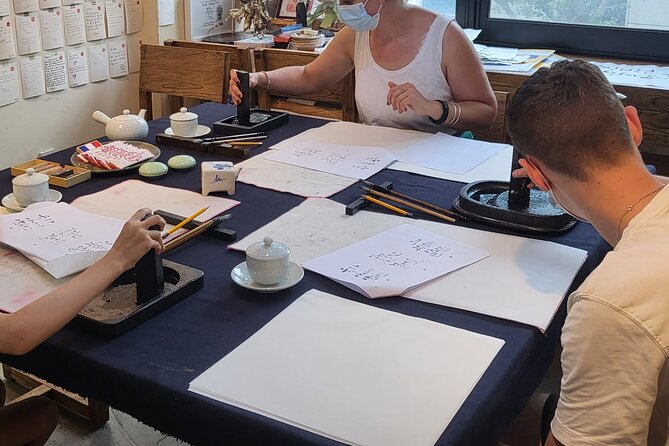
You get to pick the phrase or word you’ll write, and that personalization is the main reason this experience feels more like a memory than a commodity. The class is built around the idea that meaning guides technique. So even if you don’t speak Korean fluently, you can still choose something close to your life.
To get the most from this part, pick something short enough to fit neatly in Hangul and strong enough to feel worth keeping. A single word, a short idea, or a simple sentence you can explain later works best. The instructor helps you translate it into the calligraphy layout, including spacing and sizing.
Also, don’t panic about getting it perfect. This workshop is set up for practice. You’ll rehearse your strokes and characters before committing fully to your final scroll. That removes the common worry that you’ll ruin a one-time project.
When you see your chosen message take shape, it becomes easier to understand why brush calligraphy matters. You start to feel how each stroke affects the overall balance of the piece. And because you’re writing something meaningful, the time becomes more reflective than mechanical.
If you like crafts where you make something you can actually use (or hang), this is that kind of activity. Your scroll is a take-home object with personal context.





Finishing with a traditional stamp and taking it home
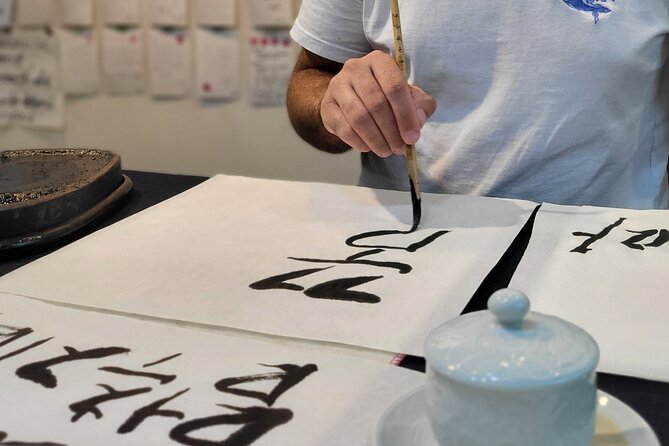
The final look is part craft, part storytelling. You write your scroll in Hangul, then you can embellish it with a traditional stamp that the instructor provides. That stamp gives you a finished, official-looking seal effect, and it helps the scroll feel complete.
Here’s the practical value: your scroll is handwritten during the session, and it’s described as handmade by the craft artist. That means you should treat it as your “real artwork” from the trip, not an imitation.
From a travel perspective, this is also a good souvenir format. It’s lightweight, easier to store than ceramics, and it avoids the problem of buying something fragile while you’re already carrying luggage. Plan to protect it when packing, but you won’t need to find extra space for a bulky item.
If you’re planning to frame it at home, keep it safe in the meantime. If you’re not planning to frame it, you can still display it upright or keep it in a roll-friendly protective sleeve. The key is to let the piece stay flat and intact after you finish.
This is also a meaningful gift idea. It’s personal, it’s local, and it’s a product of time spent together in the studio, not a generic store purchase.
Price, value, and how far ahead you should book
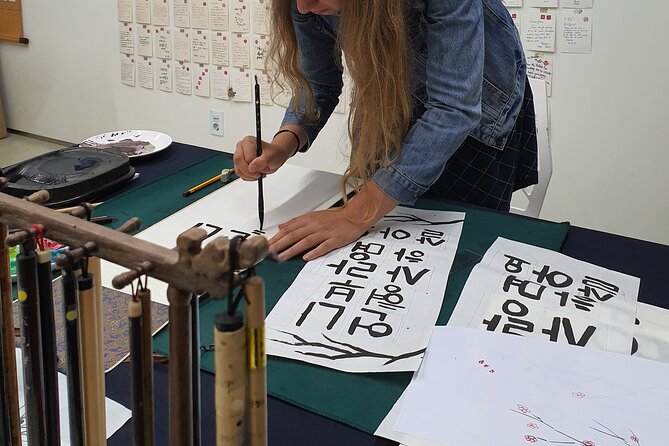
The price is $42.29 per person, for about 1 hour 30 minutes. At first glance, that may sound like a “nice to do” rather than a bargain. But the value stacks up for a few reasons.
First, you’re paying for instruction and correction, not just access to materials. The class is kept small, and it’s designed for personal attention. Second, you end up with a unique, handwritten Hangul scroll made during your session, plus an optional stamp finish. Third, reviews mention tea and treats, which adds to the overall experience beyond the craft itself.
Now the catch: availability can be limited, and the experience is only offered in Insadong. One practical clue is that it’s commonly booked about 23 days in advance on average. So if your dates are fixed, don’t wait until you’re “in the mood.” Pick a slot and reserve it.
If you’re weighing other Seoul activities, think of this as a creative break that changes the pace of your trip. You’re not grinding through sights. You’re making something you can keep, and learning the logic behind Hangul strokes along the way.
Who should book this calligraphy workshop (and who might skip it)
You should book if you want a quiet, hands-on cultural activity with a clear structure. It’s ideal for solo travelers who want a pause button, and it’s also a strong choice for couples or families who prefer doing something together rather than just observing. The class is also a good fit if you’re nervous about language barriers. The workshop includes English support, and the instructor is described as kind, patient, and encouraging.
You might skip it if you only have time for a whirlwind checklist day and dislike sitting still. This isn’t a show you watch. It’s a lesson you do with your hands, so you’ll want a day when you can give it your attention.
Also, consider how you feel about creating something rather than just buying it. If you love making crafts, you’ll likely find this satisfying. If you hate the pressure of producing a project, you may find it harder to relax, even though the studio vibe is designed to be calm.
Should you book this Insadong Hangul calligraphy scroll?
Yes, if you want a real creative souvenir. The best part is the combination of calm instruction, a guided practice pathway (strokes to names to your message), and a take-home scroll that’s truly made during your session. It’s also one of the more memorable ways to connect with Hangul because you’re not learning it as trivia, you’re learning it as movement.
If you’re going to Seoul on a tight schedule, book early due to limited availability and Insadong-only scheduling.
FAQ
Where does the calligraphy workshop meet?
The class meets at 3rd fl, 55-1 Insadong-gil, Jongno District, Seoul, South Korea.
How long is the workshop?
It runs about 1 hour 30 minutes.
Is the class private or shared?
It’s private for your group, meaning only your group participates.
What do I make during the workshop?
You create your own personalized handwritten Hangul calligraphy scroll, based on a meaningful Korean word or phrase you choose.
Can I choose my own word or phrase?
Yes. You pick a meaningful Korean word or phrase for your scroll.
Do I have to practice before writing the final scroll?
Yes, you practice first with basic strokes and Hangul characters, then you practice your name in two versions before starting your personalized scroll.
Is help available in English?
Yes. Reviews note that the class is easy to follow along in English.
Will I receive the materials I need?
The class covers traditional calligraphy materials like brushes and ink, and a traditional stamp is provided if you want to embellish your scroll.
Do I get a mobile ticket?
Yes, it uses a mobile ticket.
What is the cancellation policy?
Free cancellation is available up to 24 hours before the experience start time for a full refund.
Final call: book it or pass
Book it if you want one relaxing, meaningful activity that ends with something you can keep and display. If your schedule is hectic or you only want quick sightseeing, you may feel this workshop is too hands-on for your time. But if you can spare 90 minutes for calm creativity in Insadong, this is a strong pick.
More Tour Reviews in Seoul
Not for you? Here's more nearby things to do in Seoul we have reviewed


Seoul Insadong & Traditional Crafts, compared.
 ★ 5.0Best Seoul City Tour (Gyeongbokgung Palace,Insadong,Namsan Tower)From $581,647 reviews
 ★ 4.7Seoul Highlights: Gyeongbok Palace, Insadong & N Seoul TowerFrom $26726 reviews
 ★ 5.0Small Group Seoul Highlight Tour opt. Hanbok & Tea CeremonyFrom $89318 reviews
 ★ 4.0Korean Palace and Market Tour in Seoul Including Insadong and Gyeongbokgung PalaceFrom $89174 reviews
 ★ 5.0Carve Your Personal Korean Stone Seal with Jeongju in InsadongFrom $42134 reviews
 ★ 5.0Gwangjang market Netflix Food Walking Tour with InsadongFrom $4812 reviews
 ★ 5.0Create a Handmade Traditional Korean Notebook in InsadongFrom $3910 reviews
 ★ 4.8Layover tour to Gyeongbokgung-Folk Museum-Bukchon-InsadongFrom $2546 reviews
Browse the lists this tour appears in