
Reviewed · SEOUL FOOD & MARKET TOURS
Gwangjang market Netflix Food Walking Tour with Insadong
Street snacks beat a museum day. This Seoul food walking tour links art-heavy Insa-dong streets with the old-meets-new lanes near Ikseon-dong, then finishes at Gwangjang Market, one of the city’s oldest market areas. Along the way, you get practical history and neighborhood context so the stops feel connected, not random.
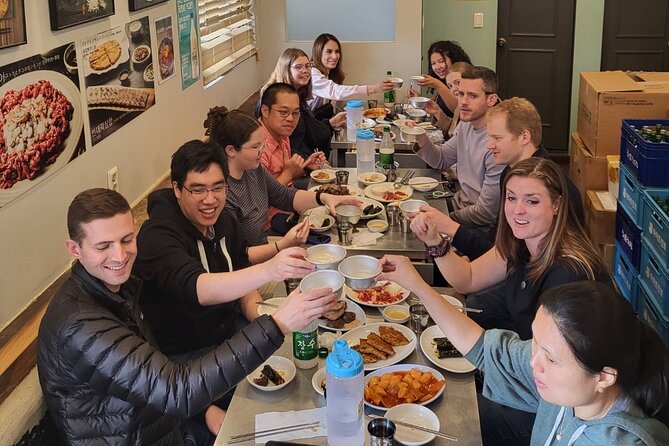
I especially like two things: the small group setup (up to 10 people), and the included 3 to 5 street-food tastings plus honey dessert, fish-cake, mung-bean pancake, and Korean rice wine. One thing to consider is that it depends on outdoor walking, so heat or rain can make the day feel longer, and you may end up a bit soggy.
Key highlights you should care about
- Small group size (maximum 10), so the pace stays human and questions are welcome
- Anguk Station start at 3:00 pm, with a smooth ending at Gwangjang Market
- Insa-dong Culture Avenue for arts, crafts, tea house vibes, and craft browsing
- Ikseon-dong Alley stories, where traditional hanok lanes meet trendy cafes
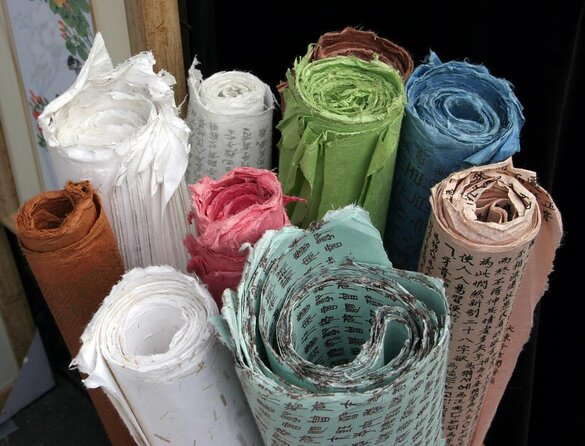
- Gwangjang Market food focus, tied to daily life and textiles as well as eating
- Included tastings (honey dessert, fish-cake, mung-bean pancake) and Korean rice wine
How this Seoul food walk actually fits your day
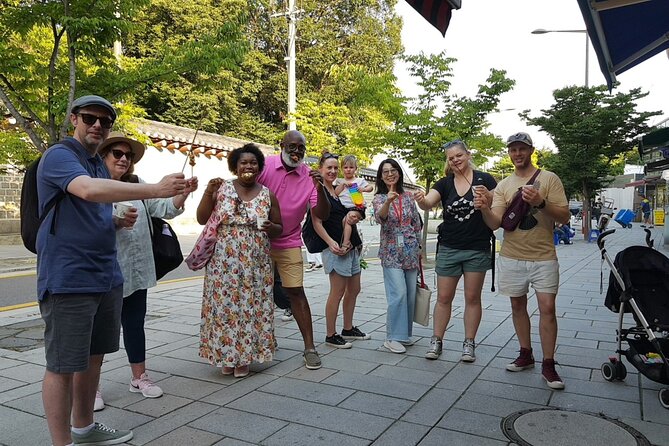
This is a 3-hour street food walk built around three areas, so you get motion through the city without feeling rushed. Starting at Anguk Station at 3:00 pm also helps. In late afternoon, you avoid the harshest part of the day and you land at the market when people are out and eating.
The route makes sense in a practical way. Insa-dong gives you cultural context first, then Ikseon-dong adds that “old street, modern hangout” contrast, and then Gwangjang Market becomes the payoff with actual local food and handmade-goods browsing. If you’re the type who likes your sightseeing to come with something to taste and compare, this format is a good match.
And because the group is capped at 10 people, you are less likely to feel herded. You can stop, look closer at shopfronts, and ask why something matters in Korean life, not just what it is. That’s the difference between a snack stop and a real neighborhood walk.
You can also read our reviews of more walking tours in Seoul


Price and value: what $48.60 buys you
At $48.60 per person for about 3 hours, the key value is that you are paying for three things at once: guided storytelling, a set block of food tastings, and an organized route through areas that can be a little confusing on your own.
Most solo market visits turn into a choose-your-own-adventure that can cost more than you expect. Here, you know the baseline. The tour includes 3 to 5 street-food tastings, plus honey dessert, fish-cake, mung-bean pancake, and Korean rice wine. That’s a decent food lineup for one afternoon, especially if you’d rather avoid guessing which stalls are worth the stop.
You are also buying the guide’s time. The best part of guided food walks is not the fact that someone shows you where to eat. It’s that someone explains the neighborhood layer by layer: why Insa-dong functions as a culture hub, how Ikseon-dong’s identity evolved, and why Gwangjang Market remains a daily-life anchor.
If you travel with someone who wants both food and context, this price tends to feel fair. If you only want food with zero explanations, you might find it better to DIY. But for most people, the guided structure is what keeps the experience coherent.
Insa-dong Culture Avenue: art, crafts, and tea-house energy
Insa-dong is the kind of Seoul neighborhood where you can get lost in small details fast, and that’s exactly why it works at the start of this tour. You’ll spend about 1 hour 30 minutes in the area with a guide, so this isn’t just a quick walk-by.
This is where you get traditional Korean arts and crafts in a very visible way. You’ll find art galleries and studios, craft shops with handmade items, and tea-house style stops that set the tone for the rest of the afternoon. If you like browsing, this stop scratches that itch. You can look at things like pottery, calligraphy-related items, and traditional-style paper goods, then ask what people actually buy and use them for.
What I like about starting here is pacing. Before you hit the market, you get cultural grounding. You learn why Insa-dong is considered a center for Korean arts, and you get a sense of how the street became a go-to destination for both locals and visitors.
The practical downside: Insa-dong is popular. That means you’ll be weaving through crowds. If you prefer wide-open space, you might feel shoulder-to-shoulder at times. Still, the guided format helps you move efficiently without missing the craft shops and gallery streets that make Insa-dong more than a shopping strip.
Ikseon-dong Alley: the old lanes behind the Instagram glow
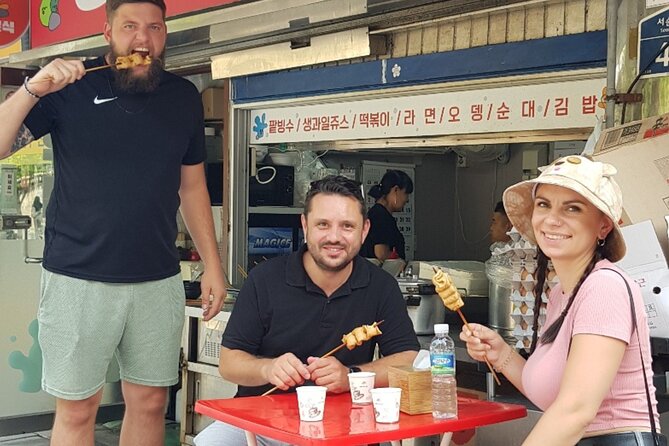
Even though the itinerary listing doesn’t give Ikseon-dong its own time block, it is part of the tour concept: you’ll visit the Ikseon-dong Alley area and hear neighborhood stories about how the past connects to today.
This stop is all about contrast. You’ll be walking narrow lanes where traditional hanok shapes the feel of the streets, but modern cafes and newer hangout spots bring a different energy. The tour’s value here is the explanation. You are not just taking photos of old walls, you’re hearing how the area’s identity shifted and why it became a go-to cultural area again.
A strong clue that this portion matters is that the tour explicitly aims to connect old and new life. You’ll also learn about how locals lived through earlier decades, including what 1990s-style local life looked like in these kinds of neighborhoods. That makes your later market stop land better, because you start noticing daily-life details instead of treating everything like a set piece.
Practical tip: narrow alleys mean you might slow down. If you get uncomfortable in tight spaces, take it easy and keep your camera accessible. The upside is that these lanes feel more human than the big commercial streets.
Gwangjang Market: a 1905-era food-and-textile neighborhood
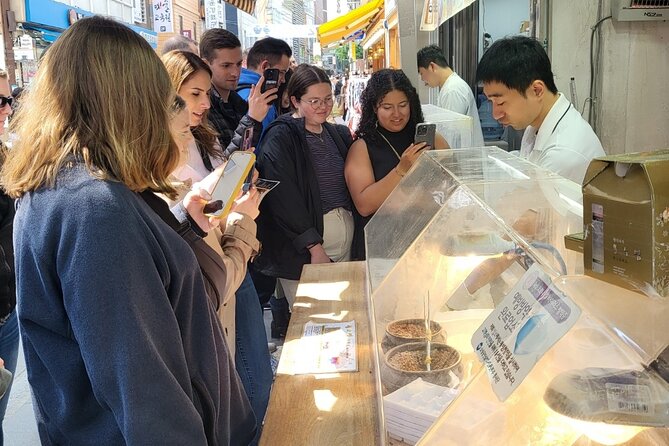
Then you reach the finale at Gwangjang Market, in Jongno-gu, an area operating since the early 1900s, with a start date of 1905. The tour is designed to get you inside what market life feels like: food stalls, textiles, and handmade goods, all in one concentrated area.
Gwangjang Market is famous for both eating and looking. Food-wise, the market has a strong reputation for Korean street foods and classics. For example, it’s known for bindaetteok, which is the mung-bean pancake you’ll have on this tour, plus other popular comfort-food flavors you’ll smell and see as you move stall to stall.
Textiles matter here too. Even if you are not buying, it helps to know that the market isn’t only about snacks. It’s also tied to the handmade goods and fabrics that historically made this place important for daily shopping and trading.
The tour’s structure makes it easier to enjoy the market without decision fatigue. You are not staring at dozens of stalls wondering what is worth it. You follow the guide’s flow, learn why certain items are iconic, and taste your included dishes.
One thing to keep in mind: markets are sensory overload by nature. If you’re sensitive to strong smells, loud voices, or busy foot traffic, it can feel intense. But you also get the payoff quickly, because the focus stays on eating and the history behind why these foods became staples.
You can also read our reviews of more food & drink experiences in Seoul


What you eat and drink: included tastings that make the walk worth it
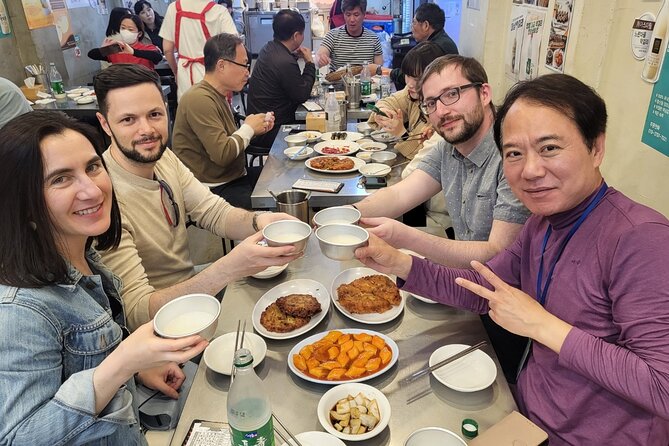
This is a food tour, so let’s talk specifics. The included list is clear, and that’s great. You’ll get 3 to 5 street food tastings, plus:
- Honey dessert
- Fish-cake
- Mung-bean pancake
- Korean rice wine
The big practical win is that you don’t need to plan meals around this. In about three hours, you cover multiple items, including both sweet and savory. That matters if you are trying to avoid eating two full restaurant meals in one day.
Also, having the guide there improves your food accuracy. Korean street food can be deceptively simple in appearance, but flavors and textures vary by stall. The tour format means you’re more likely to try the items that locals and market regulars associate with the place.
One consideration: Korean rice wine is included, which is a personal choice item for many people. If you do not drink alcohol, plan how you’ll handle that at the time. The tour data confirms it is included, but it does not say how substitutions work.
If you want to maximize value, come hungry. Not starving, but ready to snack your way through. You’ll enjoy the contrast between savory items like fish-cake and mung-bean pancake, and the sweeter honey dessert finish.
The guide factor: why Alan Han stands out in this format
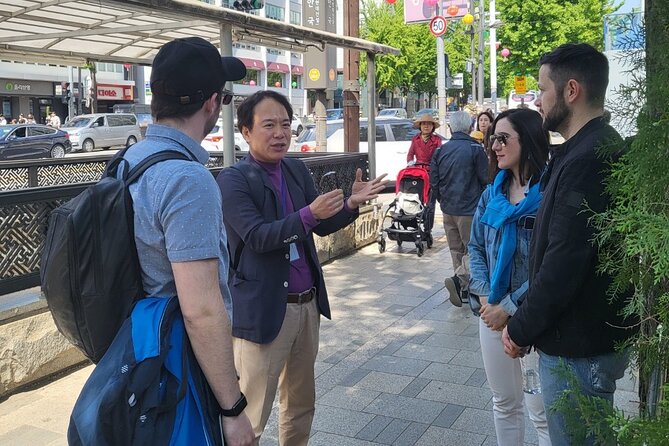
The most repeated praise points to the same core thing: the guide is patient and friendly, and explains history in a way that feels approachable. In particular, Alan Han is specifically mentioned for being personable, taking his time, and answering questions.
That matters more than people expect. In a food walk, you can quickly feel like you’re sprinting from one point to another. A good guide slows the pace just enough so you can ask what you actually care about, like why a neighborhood revived, what certain foods mean locally, or how daily life shaped the market culture.
If you want more than a script, this kind of guide interaction is a big reason to book. You get permission to ask questions, not just nod along. And on hot or rainy days, that human pacing can make the difference between a painful walk and a manageable one.
Weather, comfort, and snack-day logistics
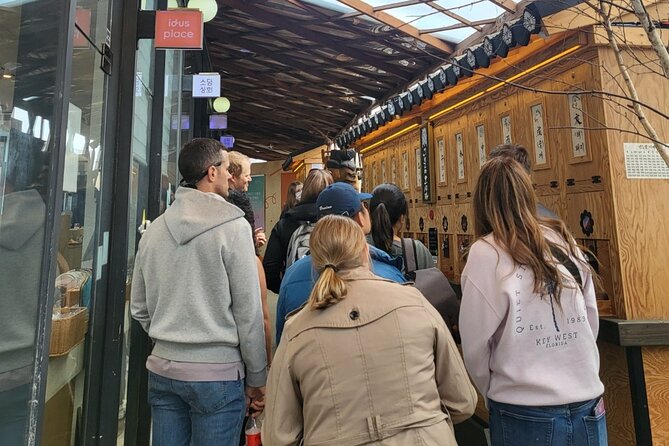
This tour depends on good weather. If conditions are poor, you’ll either be offered another date or a full refund. That’s the safety net. Still, plan for outdoor walking.
One review described a scorching hot day, with the guide doing his best despite the heat. Another mentioned an unexpected rainstorm that made things soggy but didn’t derail the experience. That tells me two things you should plan around:
- Bring a water bottle and expect some walking exposure.
- Pack for weather. A small umbrella or a light rain layer can save your mood.
Also, since it starts at 3:00 pm, you may hit late-day sun depending on the season. If you’re sensitive to heat, schedule this for a cooler month if you can.
For comfort, wear shoes you can walk in for long stretches. Market areas involve uneven surfaces and tight lanes. This isn’t a casual stroll where you can wear delicate footwear.
Who this tour is best for (and who might skip it)
This tour fits you if you want a guided food and neighborhood experience with clear inclusions. It’s especially good if you:
- Like street food and don’t want to guess which stalls are best
- Want more than a photo walk, you want the neighborhood backstory
- Prefer smaller groups and a guide who answers questions
It may not be ideal if:
- You hate crowds and narrow lanes
- You want a long, slow shopping session instead of a structured food route
- You drink no alcohol at all and strongly dislike having an alcohol item included (since Korean rice wine is part of the included list)
Also, if you’re visiting Seoul for a short time and you want to cover Insa-dong and Gwangjang Market without spending hours researching, this kind of organized loop is a practical use of your afternoon.
Should you book this Gwangjang Market and Insa-dong food walk?
I’d book it if you want a 3-hour Seoul afternoon that combines cultural context with real tastings. The value comes from the included food list, the small group size, and a guide who takes time to explain things. The stops also make sense together, Insa-dong for arts and crafts, Ikseon-dong Alley for the old-meets-new streetscape, and Gwangjang Market for iconic market foods.
If you’re choosing between this and a DIY market visit, think about what you want more: freedom or structure. This tour gives you structure plus guided context, and that’s usually what turns “we ate snacks” into a memorable neighborhood experience.
If you want my bottom-line advice: book it, but come prepared for outdoor conditions and arrive hungry enough to enjoy the included tastings.
More Walking Tours in Seoul


More Tours in Seoul
More Tour Reviews in Seoul
Not for you? Here's more nearby things to do in Seoul we have reviewed


Seoul Food & Market Tours, compared.
 ★ 4.9Gyeongbok Palace, Bukchon Village, and Gwangjang TourFrom $322,321 reviews
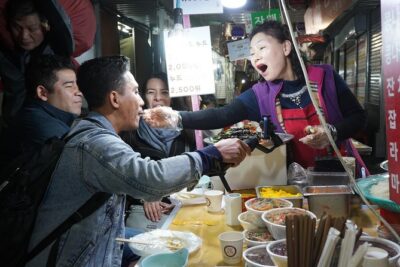 ★ 5.0Seoul Street Food Market TourFrom $731,226 reviews
★ 5.0Gyeongbok Palace, Bukchon Village, and Gwangjang TourFrom $321,044 reviews
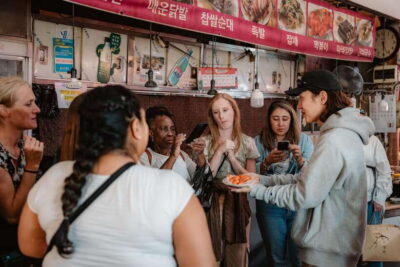 ★ 4.9Night Market Food Tour with Local GuideFrom $73943 reviews
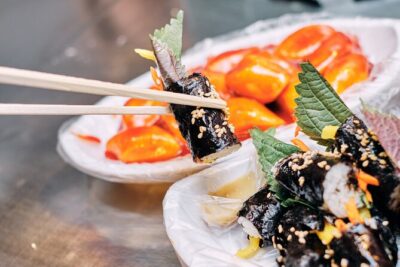 ★ 5.0Downtown Seoul Guided Food & Market Tour with 8+ Local TastingsFrom $98580 reviews
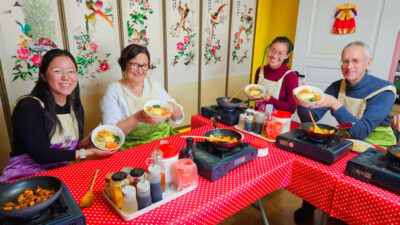 ★ 5.0Korean Cooking Class at a Local Home and Market TourFrom $98348 reviews
Small-Group Night Food Tour in Seoul with Korean BBQFrom $110304 reviews
 ★ 5.0Seoul Night Palace & Market Food Tour with VehicleFrom $79275 reviews
Browse the lists this tour appears in