
Reviewed · SEOUL PALACE & ROYAL HERITAGE TOURS
Seoul: Gyeongbokgung Palace Half day Tour
Gyeongbokgung has a way of slowing time. In this half-day tour, you get an English explanation of Joseon Dynasty life, the palace’s grand layout, and the many stone and architectural details you’d likely miss on your own. I especially liked that the guide points out how restoration kept this place meaningful after the Japanese Colonial Period, so the history feels real rather than like scenery.
Two things I love: first, the tour is built around specific palace buildings, not vague wandering, including Geunjungjeon and the queen’s quarters. Second, you can ask questions, which turns the whole visit into a useful Q&A session instead of a one-way lecture. One thing to consider, Gyeongbokgung is closed on Tuesdays, so you’ll want a backup plan for your Seoul schedule.
Key Things to Know Before You Go
- English explanations with Q&A so you can ask about the Joseon story and what you’re seeing
- Admission included for a smooth, low-fuss visit to the palace grounds
- A focused route in about 2 hours with major halls like Geunjungjeon and Sajeongjeon
- Mobile ticket which saves time at the start of your experience
- Small group limits, up to 20 travelers which usually makes questions easier
- Tuesday closure with an alternate Deoksugung night tour option instead
Why Gyeongbokgung Palace Is the One to Prioritize in Seoul
If you only have one palace stop in Seoul, make it Gyeongbokgung. It’s the representative palace of the Joseon Dynasty, built in 1394, and it’s the oldest and most important of the five palace complexes in Seoul. That matters because it gives you a clearer “first chapter” of Joseon royal life than a quick stop somewhere else.
What really improves the experience is the context about damage and restoration. Yes, parts were heavily affected during the Japanese Colonial Period, but ongoing restoration work helps preserve Gyeongbokgung’s value. On a good guided visit, you can see why those repairs are not just pretty renovations, they keep the original meaning of the palace architecture alive.
One more practical reason to go here first: the grounds are full of details. If you walk in solo without context, you can end up taking photos of buildings but not understanding why the spaces were designed the way they were. With a guide, you get the “why” alongside the “what,” which is the real payoff.
You can also read our reviews of more tours and experiences in Seoul.
Meeting Point at the National Palace Museum of Korea
Your tour starts at the National Palace Museum of Korea, 12 Hyoja-ro, Jongno District. That’s a handy starting location because it’s near public transportation, and it also sets a historical tone right away. Even if you’re not museum-focused, being near that cultural hub helps you feel like you’re in the right place for royal Seoul history.
You’ll end at 7-25 Tongui-dong, Jongno District. For planning, this matters because you may want to keep your next activity nearby, or at least leave time to get back across the area without rushing.
One small heads-up from the tour setup: you should expect to receive your meet-up place and time details by email or WhatsApp. I’d treat that as non-optional, because joining after the tour begins is not allowed for other participants in the group. Also, make sure your name and contact number are correct and usable in Korea, since the provider asks for a reachable number.
The 2-Hour Format: How Much Palace You Can Actually Absorb
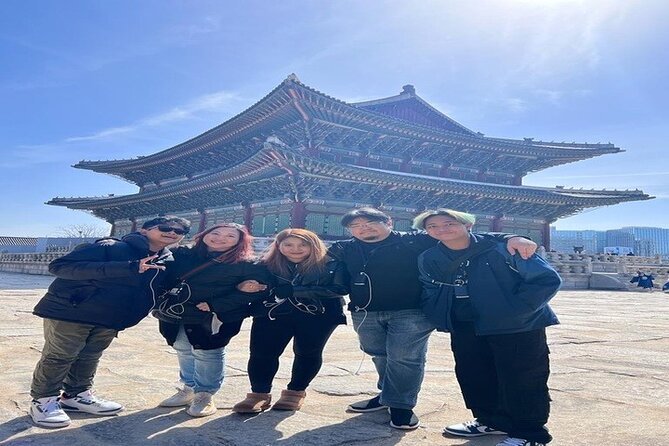
This tour runs about 2 hours, with admission included. That short duration is the whole point. Gyeongbokgung is big, and if you only have a half-day, a focused route helps you see the main buildings without burning your energy on backtracking.
You’ll move through key stops in a sequence that follows the logic of the palace layout. That sounds obvious, but it’s a huge difference from wandering. When you’re walking between buildings that the guide explains in order, you start connecting how power and daily royal life were structured.
Expect a “best of” selection rather than every corner of the grounds. If you love slow museum-style pacing, you might want extra time before or after the tour to explore on your own. But if you want real context fast, this length works well.
Stop 1, Gwanghwamun Gate: Your Palace Entrance Moment
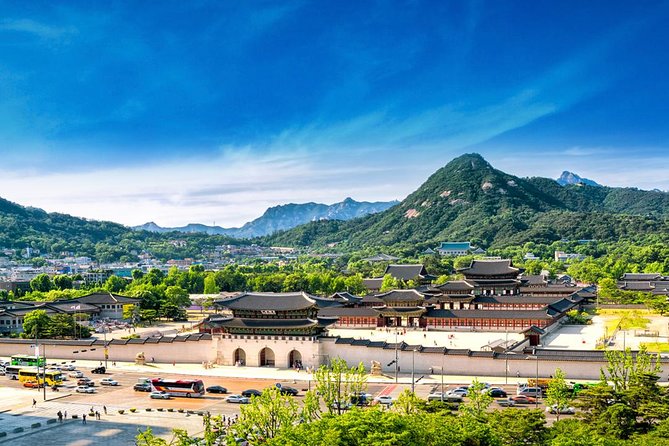
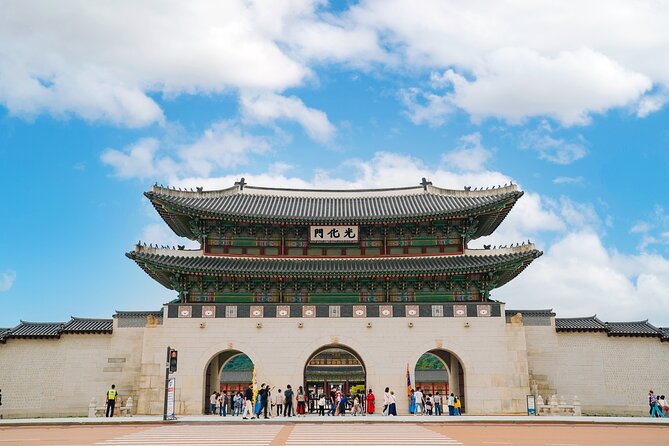
You begin at Gwanghwamun Gate, the south gate of Gyeongbokgung. Standing at a major gate like this is more than a photo break. Gates in palace complexes were designed to mark transitions, and they help you understand that you’re moving from normal city space into a space with strict rules and hierarchy.
The guide’s job here is to get you oriented quickly, so you don’t feel lost. With a spoken narrative, this gate stop becomes your starting point for the “Joseon way of thinking” about royal space.
Geunjungjeon: The Main Throne Hall Explained Simply
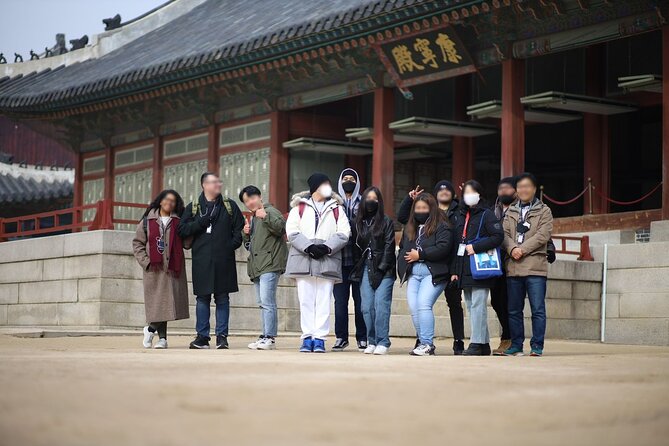
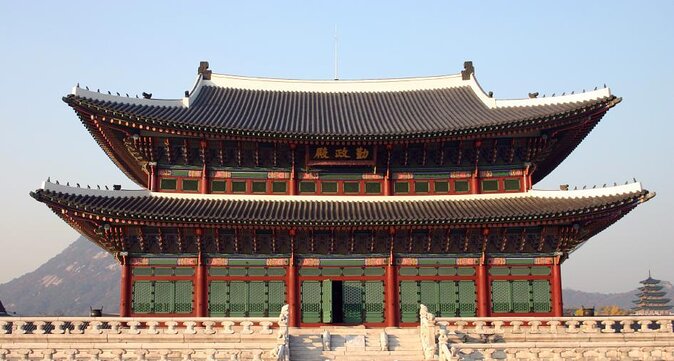
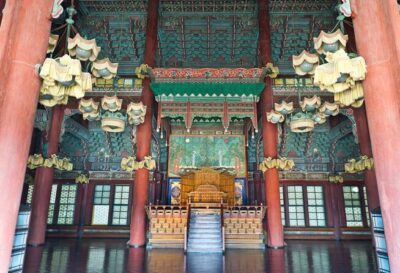
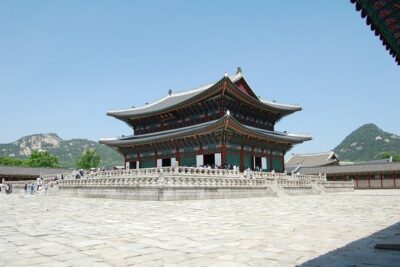
Next comes Geunjungjeon, the main throne hall. This is the heart of the palace’s political power, and it’s the kind of building where context changes everything. Without explanation, you can stare at scale and craftsmanship but miss how the space functioned.
With an English guide, you get the story behind the throne hall and how it fit into Joseon governance. The tour also highlights the beauty of the architecture, which is a polite way of saying you’ll likely notice details you’d normally skip. Think of it as learning to look, not just learning dates.
If you’re the type who likes to understand symbolism, this stop is worth your full attention. You can ask questions here too, which is useful because throne halls tend to raise the same questions, about ceremonies, hierarchy, and daily authority.



What you should do during the stop
Arrive with one question ready. Even something basic like what ceremonies happened here can turn the moment from sightseeing into learning.
Sajeongjeon: The King’s Office Space and the Daily Power Behind It
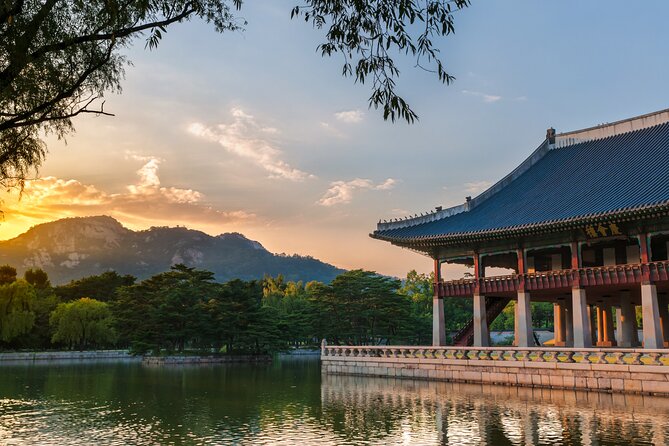
After the big throne-hall moment, you move to Sajeongjeon, the king’s office space. This is where the tour becomes more grounded. A throne hall can feel distant and ceremonial, but an office space brings you closer to how rule and administration worked day to day.
You’ll get an explanation in English that connects the building’s purpose to Joseon life. That building-to-story pairing is what makes the route feel coherent. Instead of separate attractions, the palace starts to feel like a system.
You might also find it helpful to look at the “in-between” feel of this stop. It’s not the most famous photo spot, but it’s one of the best places to ask how the palace was used beyond major events.
Gangnyeongjeon: The King’s Bed-Chamber and the Human Side
Then comes Gangnyeongjeon, the king’s bed-chamber. This stop can be surprisingly interesting because it shifts the tone from public power to private life. You’re still in palace buildings, but the guide’s storytelling makes them feel less like set dressing and more like lived spaces.
A well-run explanation helps you understand that royal life had rules even in private areas. That’s where architecture details can start to matter. When you know what a space was for, you notice the layout in a more meaningful way.
If you like history that feels like people instead of just dates, this is the stop where you might lean in.
Gyotaejeon: The Queen’s Bed-Chamber and the Palace’s Social Structure
Next is Gyotaejeon, the queen’s bed-chamber. It’s easy to remember the king-focused buildings and forget the queen’s spaces unless someone points them out. A guided tour keeps the story balanced by including this stop in the main sequence.
You’ll hear about the queen’s role in the palace setting, and the guide ties that into how the palace complex worked socially. It’s a good reminder that a palace is not only about who makes decisions, it’s also about the household structure around those decisions.
In a short 2-hour tour, getting both king and queen spaces means you leave with a fuller sense of palace life.
Gyohoiru Pavilion: An Event Hall Moment in the Middle of the Story
The tour wraps up with the Gyohoiru pavilion, an event hall. This stop helps bring everything together because it shows that palace life also included gatherings and occasions.
Guided explanation here helps you connect the dots between the earlier governance-focused buildings and the more ceremonial atmosphere of an event space. You’ll also likely notice how the pavilion setting changes the feel of the visit, compared with the enclosed halls.
If you’re thinking about what to do after the tour, this is a good moment to reset. You’ll be able to see the entire palace complex differently now, not just as buildings, but as a sequence of spaces with different purposes.
The Hidden Bonus, Animal Statues and Small Details
One of the tour’s selling points is that you learn about stories of animals found throughout the palace. Even if you are not a “details person,” these kinds of explanations tend to make the grounds more fun.
Without a guide, animal statues can feel random. With an explanation, they become part of the palace’s symbolic language and design choices. You also end up looking more carefully at what’s around you, like carved features and repeated motifs.
This is exactly the kind of value you cannot reliably “DIY” in a short time. You can certainly read signs on your own, but a spoken English explanation speeds up understanding, so you get more enjoyment per minute.
Price and Value: What $35 Buys You Here
The price is $35.00 per person for an experience of about 2 hours, with admission ticket included. For a top-tier Seoul must-see like Gyeongbokgung, what you’re really paying for is time and interpretation, not just access.
If you went solo, you’d still need to figure out which halls matter most and how to connect them to Joseon history. Here, that work is done for you in English, including the building order that helps the whole story make sense.
Also, the group size is capped at 20 travelers. That matters because a small group makes question time more realistic. And because the tour is built for explanatory guidance, you don’t feel like you’re just collecting stamps.
If you’re the type who enjoys reading, you might find the experience overlaps some of what you can learn independently. But if you want efficient, meaningful context fast, this price tends to feel fair.
Guide Quality and the Q&A Advantage
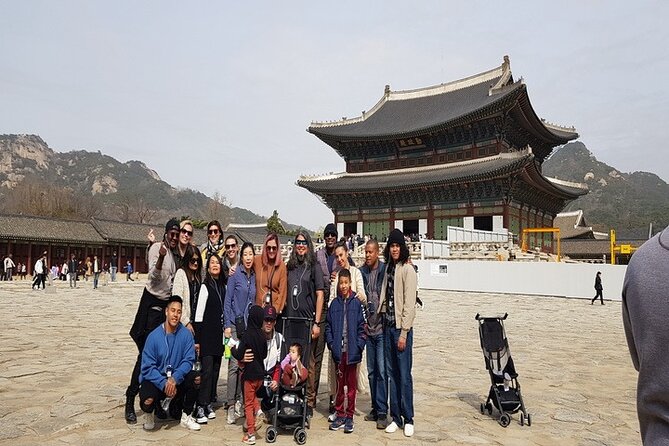
The biggest “why this tour” factor is the guide. The experience is designed for in-depth English explanation, and you can ask questions. That sounds simple, but it’s a huge difference in how much you remember later.
In particular, I liked the way Gabriela was described as kind and helpful, especially when someone ended up at the wrong meeting spot. That’s exactly the kind of reassurance you want in a large city. When things go wrong for practical reasons, a guide who stays calm and helps you find the group can save your day.
Even when you arrive correctly, the Q&A makes the visit feel personal. You can ask what certain features mean, how life worked in the Joseon period, or why specific spaces were built.
One more note: recording or filming the tour is not allowed. So plan on experiencing it with your eyes and ears first, then save your camera time for outside parts when appropriate.
Weather, Tuesdays, and How to Build a Seoul Plan That Works
The tour needs good weather. If poor weather cancels it, you’ll be offered a different date or a full refund. This is important because outdoor palace visiting can change fast with rain or wind.
Also, remember Gyeongbokgung Palace is closed on Tuesdays. The tour notes that on Tuesdays, you can book their Deoksugung night tour instead. So if your travel dates include a Tuesday, don’t wait until you’re already in Seoul to solve the schedule.
For timing, the tour confirmation and meet-up details go out via email or WhatsApp. Make sure your contact works in Korea, and double-check the meeting address so you don’t lose time at the start.
Finally, pets are not allowed, and joining after the tour begins is not allowed for other participants. If you’re traveling with a family member who might be late, plan buffer time.
Who This Half-Day Gyeongbokgung Tour Is For
This is a great fit for people who want a classic Seoul sight with real context, without turning the day into an all-day commitment. It’s also well-suited for history-minded visitors who care about how spaces worked, not just what they look like.
If you’re traveling with limited time, like you’re in Seoul for a short stopover, the 2-hour format is a smart way to get the essential Joseon palace story. If you have mobility limits, I’d still treat it carefully since this is a palace walking visit, but the materials say most travelers can participate.
It also works if you want a guided experience that stays interactive, since the tour design lets you ask questions rather than just listen.
Should You Book This Gyeongbokgung Palace Half-Day Tour?
I’d book it if you want your Gyeongbokgung visit to feel organized, explained, and time-efficient. The key reason is value for most people: admission is included, the route hits major buildings like Geunjungjeon and Sajeongjeon, and the English guidance plus Q&A helps you understand what you’re seeing.
Skip it or add extra time on your own if you prefer very slow independent exploration, or if you’re the kind of traveler who loves reading every sign word for word. This tour is focused, and that focus is part of the benefit.
If your dates fall on a Tuesday, plan ahead and use the Deoksugung night tour option instead, so you do not lose your palace-day rhythm.
FAQ
How long is the Gyeongbokgung Palace half-day tour?
The tour duration is about 2 hours.
How much does it cost, and is admission included?
It costs $35.00 per person, and the admission ticket is included.
Is the tour guide available in English?
Yes, the tour offers detailed explanations in English.
Where do I meet for the tour?
The start location is the National Palace Museum of Korea, 12 Hyoja-ro, Jongno District. The tour ends at 7-25 Tongui-dong, Jongno District.
Is filming or recording allowed during the tour?
No, recording or filming the tour is not allowed.
What happens if the tour is canceled due to weather or too few participants?
The tour requires good weather. If it is canceled due to poor weather, you will be offered a different date or a full refund. The tour also requires a minimum number of travelers, and if it is canceled because the minimum isn’t met, you will be offered a different date or experience or a full refund.
More Tours in Seoul
More Tour Reviews in Seoul
Not for you? Here's more nearby things to do in Seoul we have reviewed


Seoul Palace & Royal Heritage Tours, compared.
 ★ 4.9Gyeongbok Palace, Bukchon Village, and Gwangjang TourFrom $322,321 reviews
 ★ 5.0Best Seoul City Tour (Gyeongbokgung Palace,Insadong,Namsan Tower)From $581,647 reviews
 ★ 5.0Small-Group Royal Palace and Seoul City Tour (hotel pick-up)From $561,474 reviews
 ★ 5.0Seoul City Sightseeing Tour Including Gyeongbokgung Palace, N Seoul Tower, and Namsangol Hanok VillageFrom $801,423 reviews
★ 5.0Gyeongbok Palace, Bukchon Village, and Gwangjang TourFrom $321,044 reviews
 ★ 4.7Seoul Highlights: Gyeongbok Palace, Insadong & N Seoul TowerFrom $26726 reviews
 ★ 4.6Hanbok Rental with Gyeongbokgung Palace EntryFrom $6611 reviews
 ★ 4.5Seoul City Half Day Tour-Gyeongbok Palace Guard Changing CeremonyFrom $38357 reviews
Browse the lists this tour appears in