
Reviewed · SEOUL PALACE & ROYAL HERITAGE TOURS
Seoul: Deoksugung Palace Night Tour
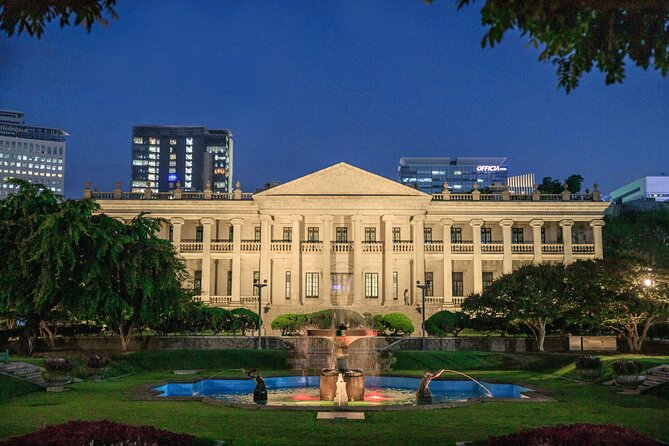
Night at Deoksugung makes Seoul feel calmer. This tour centers on Deoksugung Palace after dark, when the buildings’ mix of Korean and western-style design reads differently, and the guide ties it to the Korean Empire era. You will also pass the famous stone wall next to the palace, another reason this timing feels special.
What I like most is the focus and pace. You get a guided walkthrough through key buildings like Junghwajeon and the western-style Seokjojeon, plus you can ask questions directly. The one drawback to consider: the itinerary is mainly one palace, so if you want a multi-site palace marathon, this may feel too concentrated.
Key highlights you will actually care about
- Night lighting and quieter mood that changes how the architecture looks
- English and Chinese explanations during the walk through the palace buildings
- A guided, question-friendly format focused on history and structure, not just photos
- Key stops tied to specific meanings, like King Gojong’s Seokeodang and the king’s bed-chamber Hamnyeongjeon
- Easy location near City Hall and Gwanghwamun Station, so you are not stressing about transport
- Free palace admission included with your tour (you just bring yourself)
Deoksugung at night: the Korean Empire story in a different light
Deoksugung Palace has a reputation for being a bit of a time-portal. It is not just one style or one era, because it is the only palace that brings traditional and western-style buildings together. That matters at night, because the contrast becomes easier to see when the surfaces are lit and the crowds fade.
This is also a palace with heavy context. It is tied to the Korean Empire period, and it preserves signs of that era’s turning points, including the pain of the Japanese invasion. A good guide helps you connect those big historical beats to the real buildings standing in front of you, instead of leaving it as names in a book.
I also like the tour’s rhythm. It is designed as a night experience because it tends to be more peaceful after dusk, so you can actually hear the explanations and look closely.
You can also read our reviews of more evening experiences in Seoul

Price and what your $35 really buys
At $35.00 per person for about 2 hours, this is a fairly straightforward value play. You are not paying for admission, because the admission ticket is listed as free. So your money is mostly paying for guided interpretation of the palace architecture and history, plus the convenience of a fixed route and a guide who can answer questions.
Is it a bargain? It is not the cheapest thing in Seoul, but it is also not trying to do everything at once. The value is strongest if you care about architecture, palace layout, and the Korean Empire transition. If you mostly want pretty night photos with minimal reading, you might feel you could do it alone. But if you like understanding what you are seeing, this price can make sense fast.
Meeting by City Hall: simple start, clear end
The tour starts near City Hall, which is a big deal in Seoul. You meet in front of Exit 1 of City Hall station (Line 1 and Line 2) at 6:20pm, and the start time is listed as 6:30pm. The pickup location is also given as 362-1 Taepyeongno 2(i)-ga, Jung District.
You end at Jeonggwanheon99 on Sejong-daero, in the Jung District. That is convenient because you are still in a central area, with lots of options for dinner afterward without needing a complicated return plan.
Also note the size cap. The tour has a maximum of 20 travelers. That usually helps keep the walk manageable, and it makes the Q&A part feel more personal than it would on a huge group.
Stop-by-stop: what each Deoksugung building teaches you
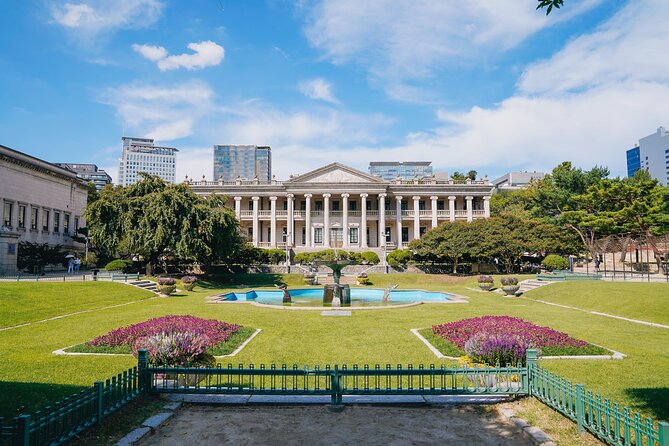
This tour focuses on Deoksugung Palace itself, so the “big win” is how the buildings connect into one clear story. Here is what each stop is doing for you.
Junghwajeon: the main throne hall you can picture
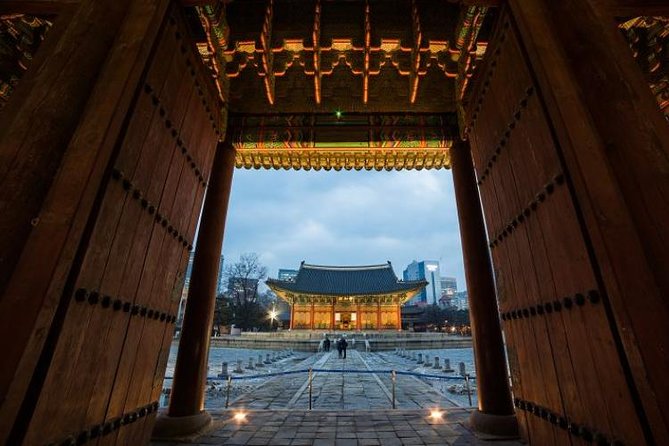
The tour begins with Junghwajeon, described as the main throne hall. This is where the palace makes its first impression as a political center, not just a pretty courtyard.
With a guide, the space clicks into place. Instead of wandering and guessing what is important, you get the roles and purpose of the hall explained. And because this is a night tour, you can often see the building’s lines more clearly as light fades around the palace grounds.
A practical tip: give yourself a moment when you arrive to slow down and let your eyes adjust. Night lighting can make proportions look a little different, and that is part of the experience.



Seokjojeon: the western-style building at the heart of the contrast
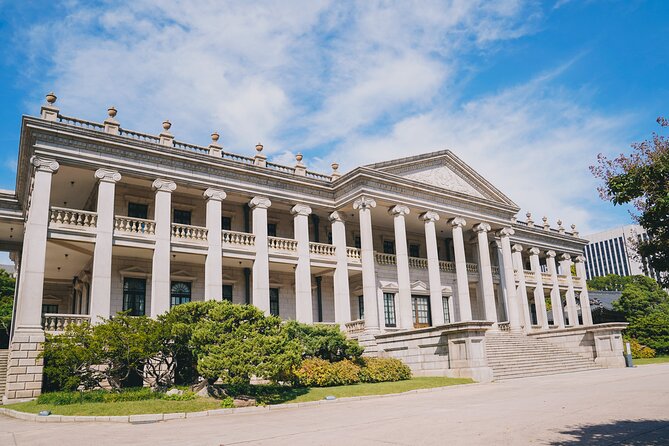
Next is Seokjojeon, the western-style building. This is one of Deoksugung’s biggest differentiators, because it is where you see the palace’s “modernizing era” influence directly in the architecture.
If you care about history, this stop is where the Korean Empire narrative becomes concrete. You are not just hearing that a shift was happening 100 years ago, you are standing in a structure that reflects that shift. This is also a smart stop for people who like comparing styles, because the contrast is easier to notice at night.
Potential drawback to keep in mind: since the itinerary is limited, you will want to pay attention here, because this is likely your strongest architecture comparison moment.
Seokeodang: King Gojong’s beloved building
The tour includes Seokeodang, described as the most beloved building by King Gojong. That name alone can sound like trivia, but it helps frame the building emotionally. Your guide can turn a “famous building” label into a story about what kind of space royal life required, and why certain rooms were prized.
This stop is a great example of how a guided tour improves your experience. Without context, Seokeodang might look like another hall. With context, it becomes part of a specific personal and historical picture.
Hamnyeongjeon: the king’s bed-chamber (yes, it matters)
Then you reach Hamnyeongjeon, described as the king’s bed-chamber. This is the most intimate stop on the route because it moves away from public authority spaces and into how life inside the palace worked.
I like that the tour does not keep everything on the grand-throne level. A palace is a whole system, and the story is not only about ceremonies. Seeing a space connected to personal living helps you balance what the palace represented politically with what it meant day-to-day.
Jungkwanhun: wrapping up at the cafeteria stop
The last stop listed is Jungkwanhun, described as the cafeteria. Think of it as your winding-down point after you have moved through the key buildings.
In this kind of tour format, the final stop is where you usually get the most out of Q&A, because you already learned the route logic and the main concepts earlier. It is also a good time to ask follow-up questions that came up while you were looking at specific buildings.
One more note from the tour design: explanations are offered in English and Chinese, and the guide is there to answer your questions. If you have even a basic interest in architecture or the Korean Empire period, this is where you can turn “interesting” into “I get it.”
What makes this guide format worth it
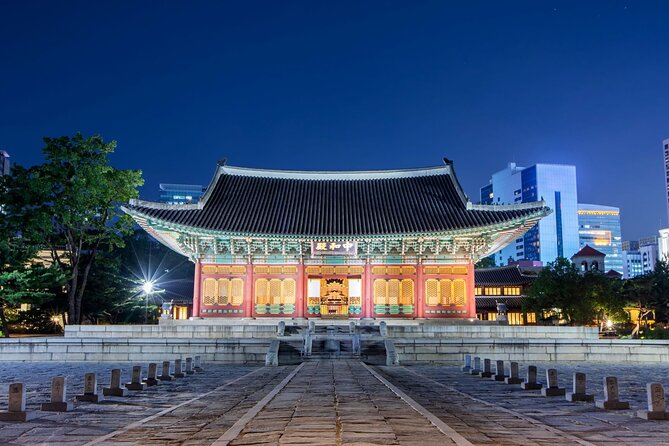
This is not a silent walk where you just read a sign and hope for the best. The tour format is built around explanations in English and Chinese, and it explicitly encourages questions to the professional guide.
That is valuable because palace architecture often looks confusing at first. You might know it is old, but you might not know why certain halls exist, why western-style structures appeared in a palace context, or how one era’s choices shaped what you see today.
There are also guide names you might hear praised in connection with this tour. Alan Han is singled out for detailed historical explanations tied to the Korean Empire and the end of Joseon, and Sr. Lee is praised for being punctual and for storytelling that kept people fascinated. Those specific mentions are a good sign of the tour’s style: history explained in a way you can actually follow.
The stone wall next to the palace: don’t rush past it
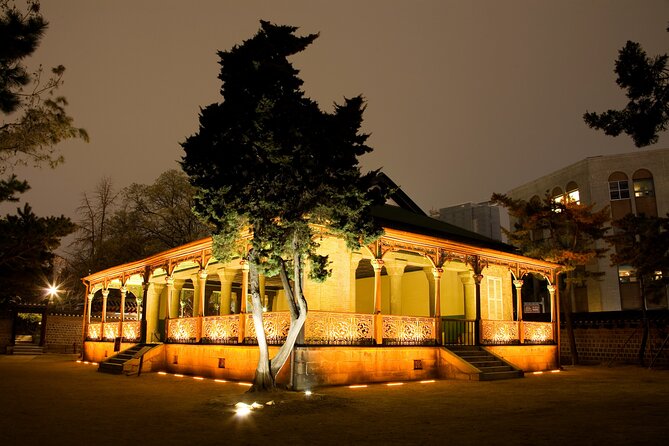
You will want to make space for one more sight beyond the main buildings. The stone wall beside Deoksugung is specifically called out as famous for its beauty, and that is real value in a night tour.
At night, walls and edges can look dramatic. The lighting can turn a simple boundary into a strong visual frame. Even if you think you came only for the halls, this is the kind of detail that makes the whole experience feel more complete.
Who should book this Deoksugung Palace Night Tour
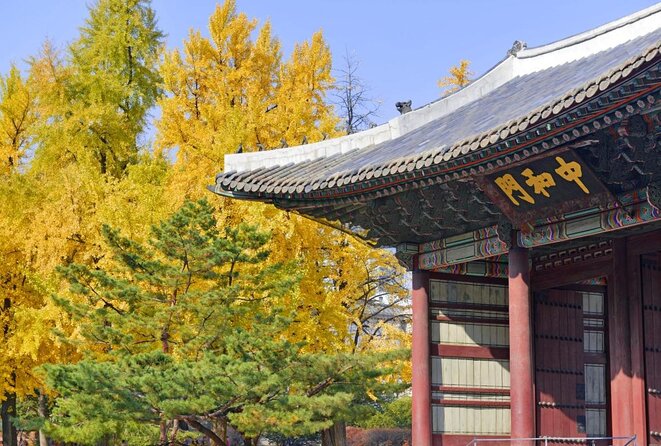
This tour is a strong match if:
- You want guided context for palace architecture, not just a self-guided browse
- You care about the Korean Empire period and how it shows up in buildings
- You prefer a calmer night pace near major transit hubs like City Hall and Gwanghwamun
- You like being able to ask questions and get direct answers in English or Chinese
It may be less ideal if:
- You want multiple palaces in one night. This one is focused on Deoksugung.
- You plan to record or film during the tour. Recording or filming is not allowed.
- You are traveling with pets. Pets are not allowed on the tour.
Also, check the weekday situation. Deoksugung Palace is closed on Mondays, and on those days you can book the Gyeongbok Palace tour instead.
Should you book this Deoksugung Palace Night Tour?
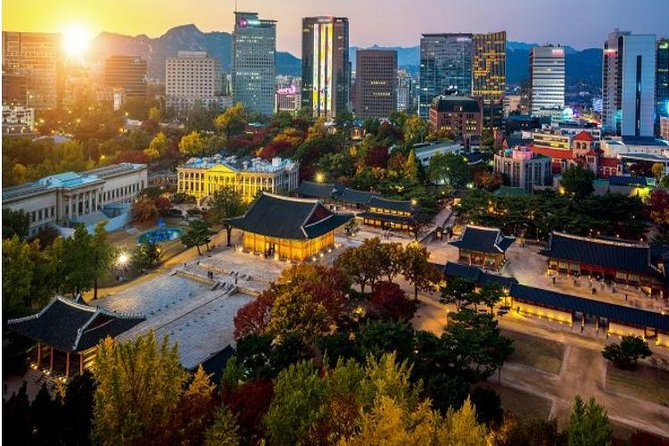
If you like architecture, enjoy history stories, and want a peaceful night walk that actually explains what you are seeing, I think this is an easy yes. The best part is that the tour pays attention to specific buildings, from the throne hall to the western-style structure to the king’s bed-chamber, and it does it with English and Chinese explanations plus an opportunity to ask questions.
Book it with the right expectations. It is a focused 2-hour Deoksugung experience, not a big multi-palace circuit. If that focus sounds good, you will likely come away feeling like you understood the place, not just visited it.
FAQ
How long is the Deoksugung Palace Night Tour?
The tour lasts about 2 hours.
How much does the Seoul Deoksugung Palace Night Tour cost?
It costs $35.00 per person.
Where do I meet for the tour?
Meet in front of Exit 1 of City Hall station (Line 1,2) at 6:20pm, with the start time listed as 6:30pm.
What is included with my ticket?
Admission ticket is free, and you will have a mobile ticket.
Is the tour available on Mondays?
Deoksugung Palace is closed on Mondays. You can book the Gyeongbok Palace tour instead.
What languages are the explanations provided in?
The tour provides explanations in English and Chinese.
How many people are in the group?
The tour has a maximum of 20 travelers. If the number of participants is under 4, the tour will be canceled.
Can I record or bring a pet?
Recording or filming is not allowed. Pets are not allowed.
What if the weather is bad or I need to cancel?
The tour requires good weather. If it is canceled due to poor weather, you will be offered a different date or a full refund. You can cancel up to 24 hours in advance for a full refund.
More Evening Experiences in Seoul


More Tours in Seoul
More Tour Reviews in Seoul
Not for you? Here's more nearby things to do in Seoul we have reviewed


Seoul Palace & Royal Heritage Tours, compared.
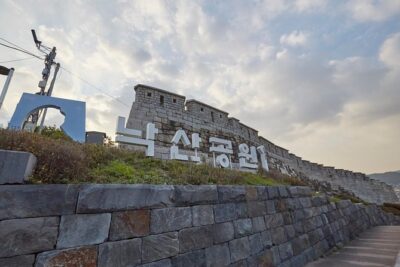 ★ 4.9Gyeongbok Palace, Bukchon Village, and Gwangjang TourFrom $322,321 reviews
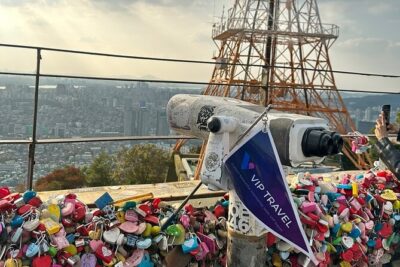 ★ 5.0Best Seoul City Tour (Gyeongbokgung Palace,Insadong,Namsan Tower)From $581,647 reviews
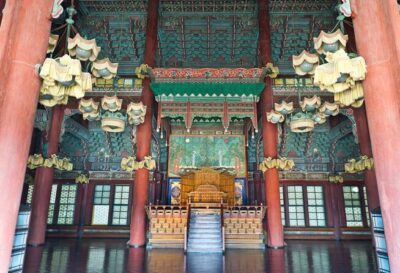 ★ 5.0Small-Group Royal Palace and Seoul City Tour (hotel pick-up)From $561,474 reviews
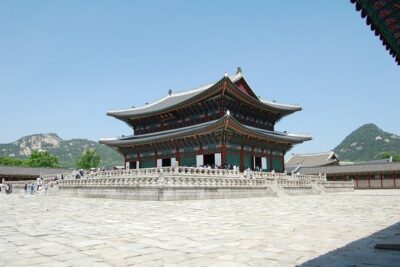 ★ 5.0Seoul City Sightseeing Tour Including Gyeongbokgung Palace, N Seoul Tower, and Namsangol Hanok VillageFrom $801,423 reviews
★ 5.0Gyeongbok Palace, Bukchon Village, and Gwangjang TourFrom $321,044 reviews
 ★ 4.7Seoul Highlights: Gyeongbok Palace, Insadong & N Seoul TowerFrom $26726 reviews
 ★ 4.6Hanbok Rental with Gyeongbokgung Palace EntryFrom $6611 reviews
 ★ 4.5Seoul City Half Day Tour-Gyeongbok Palace Guard Changing CeremonyFrom $38357 reviews
Browse the lists this tour appears in