
Reviewed · SEOUL PALACE & ROYAL HERITAGE TOURS
Seoul Cultural Tour – Kimchi Making, Gyeongbok palace with Hanbok
Hanbok, palace, and kimchi in one half-day. This Seoul cultural tour stacks big hits into about 6.5 hours, with round-trip hotel transport, formal traditions, and a 30-minute kimchi class. You also get tea time and a Joseon-era folk game, plus a route that can include a ginseng or amethyst stop.
I especially like how practical the cultural bits feel. You practice etiquette while dressed for the moment, then you learn an everyday Korean skill you can actually use later in your own kitchen.
One thing to consider is that no lunch is included, so you will likely want to plan a meal before or after, especially with a full morning start.
Key highlights worth your attention
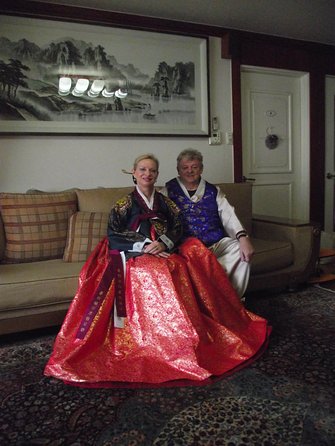
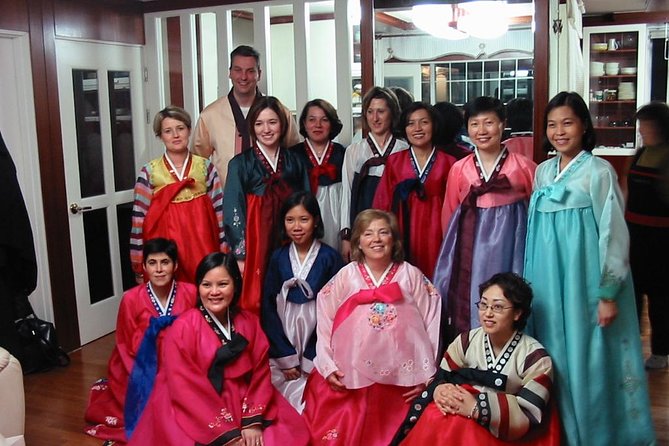
- Hanbok try-on with photo help, including choices like wedding and royal-style outfits
- Gyeongbokgung Palace stop tied to Korean formal etiquette practice
- Tea ceremony plus a traditional folk game, including yut-nori
- Hands-on kimchi making in about 30 minutes, with history and food uses
- Small group size (max 10), which can make the pacing feel personal
- Return via a ginseng center or amethyst factory, depending on the day
A half-day of tradition you can actually take home
This tour is built for people who want more than photos of Seoul. In one morning, you move through classic royal space at Gyeongbokgung Palace, then shift into hands-on culture: hanbok dressing, a tea ceremony, and a kimchi session you do with guidance.
The big value is the mix. Too many “culture” tours are mostly looking and listening. Here, you also participate, which tends to make the experience stick.
You will also notice the format is designed for comfort and flow. Hotel pickup is included, the group cap is 10 travelers, and the tour runs about 6 hours 30 minutes starting at 9:30 am.
You can also read our reviews of more historical tours in Seoul
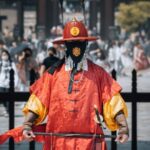
Gyeongbokgung Palace: etiquette practice in a real royal setting
At the palace stop, the point is not just to walk around. You are in hanbok, and the tour is set up so you practice formal social etiquette as you move through a famous historic space.
Why that matters: Korean formal manners are visual. When you are dressed in hanbok and guided on how to behave, you learn what the culture expects, not just what it looks like in pictures. It turns the visit from sightseeing into a lived lesson.
A practical consideration is that palace areas can involve steady walking. Wear shoes you can move in comfortably, and plan for changing from city walking to more photo time.
Insadong time: a classic Seoul channel for tradition shopping energy
The itinerary includes Insadong as a stop. Even if you treat this as a short wandering break, it is a smart complement to the palace piece.
Insadong is one of those areas where traditional Korea shows up in everyday form. So after etiquette practice and hanbok photos, you get a chance to connect the cultural lesson to the modern street scene around it.
Because the tour timing is tight, keep your expectations realistic here. This is not a free-form hours-long shopping spree, it is scheduled into the morning so you can make it to the tea and kimchi parts without rushing.
Hanbok try-on: the photo moment that doubles as a mini lesson
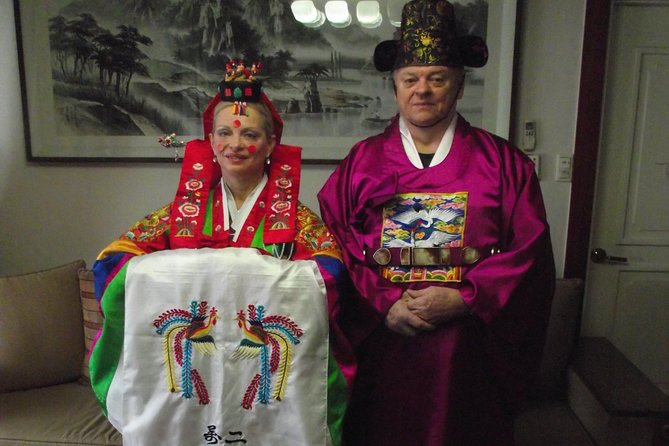
Hanbok is the star for a reason. You get to try on Korean clothing for pictures, and it is not a one-size-fits-all experience. Many outfits are available, and people report options ranging from wedding-style looks to royal attire.
In practice, that means you can pick what fits your mood. Want something elegant and photogenic? Go for wedding or formal royal-inspired pieces. Want more playful or colorful? Choose based on what you will actually enjoy wearing for the walk and photos.
This is also where the tour often feels most memorable. Guides help with the flow, and they also take lots of pictures for you, so you are not spending the day juggling your camera or phone. One guide name that comes up often in feedback is Jay, described as friendly and professional, and other names like Eva, Alice, and Mi So appear frequently for being interactive and helpful.
Tea ceremony plus Joseon-era folk games, including yut-nori
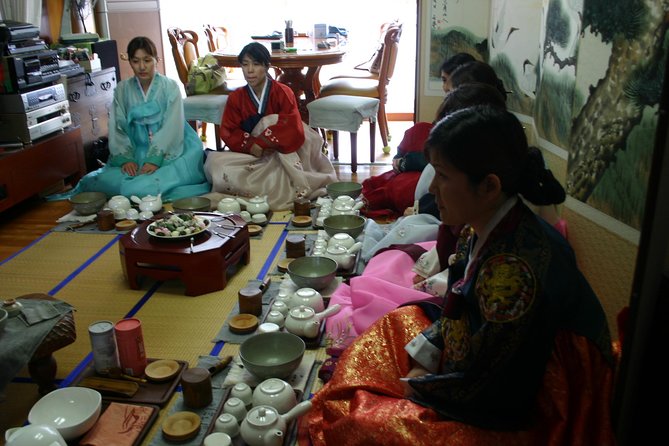
Between palace and kimchi, you get a cultural center experience that includes a tea ceremony and a traditional folk game. The folk game most commonly mentioned is yut-nori, which helps explain why this tour feels more fun than many “museum style” tours.
Here is the practical takeaway: you get seated, you learn a bit about the cultural context, then you join in. If you are worried you will just stand around waiting, the game and tea format usually prevents that.
For families, this part tends to land well because it is interactive. One family-friendly note that shows up in the tour feedback is that kids like the game portion, and that the host keeps everyone engaged even in mixed-age groups.




Kimchi making in 30 minutes: learn the process and the why
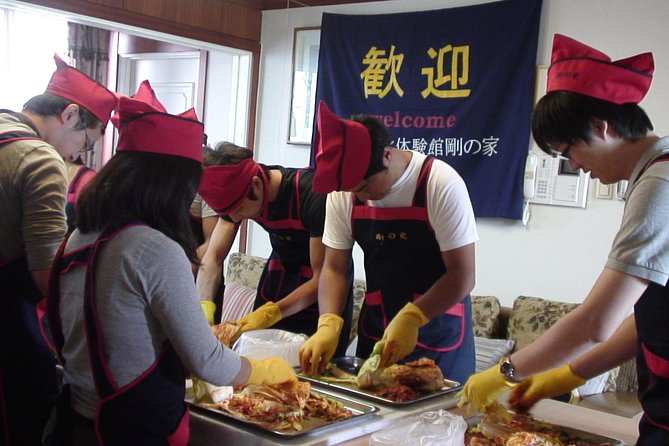
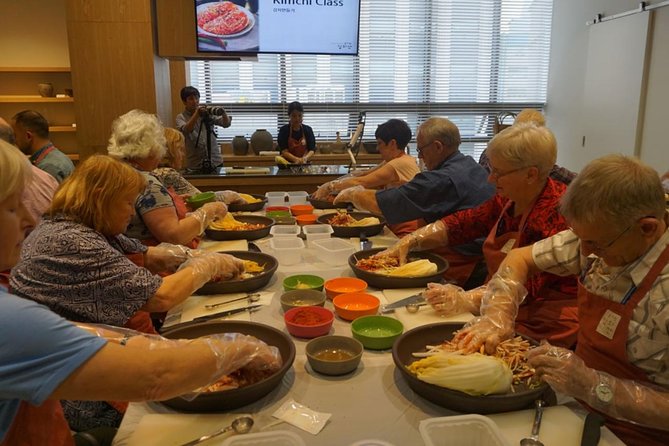
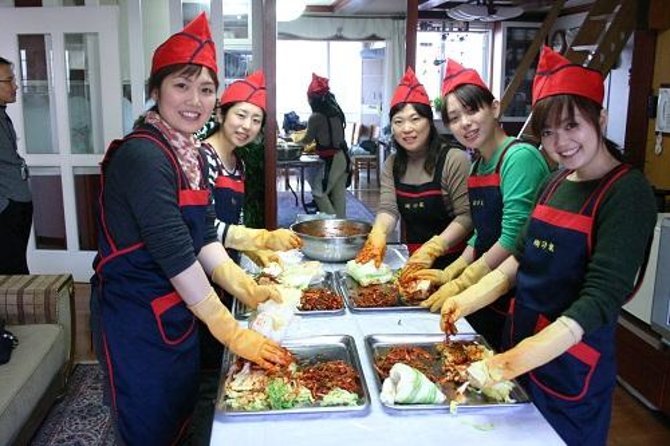
The 30-minute kimchi class is the most hands-on segment on the schedule. You do not just get an explanation, you learn how to prepare kimchi yourself with a lecture that covers the history and tradition behind it.
This part is valuable for two reasons. First, kimchi is an iconic Korean dish, so you are learning something culturally central. Second, you also get taught about how kimchi shows up in Korean meals beyond the obvious side dish, so the class connects to what you will see and taste in restaurants.
In feedback, people also describe the experience as getting your hands in the process, literally getting into that red kimchi mixture while learning what makes it unique. That matters because you leave with understanding, not just a souvenir.
One thing to note: you should plan for mess, at least a little. Wear something that can handle a brief kitchen-style moment, since you will be mixing and handling ingredients.
What the guide experience is like with English or Chinese support
Your tour includes a professional guide in English or Chinese, and that language support is a real quality factor here. When your guide can answer questions clearly, hanbok etiquette and kimchi-making history both make more sense.
Guide names come up often in feedback, including Jay, Eva, Alice, Lena, Tom, Lady K, Grace, and Mi So. The common thread is that hosts are described as friendly, interactive, and professional, with a willingness to recommend where to eat and what to do next in Seoul.
If you want a tour where you can ask “why does this matter?” and get an actual answer, this guide-supported structure is a good fit.
The return stop: ginseng center or amethyst factory
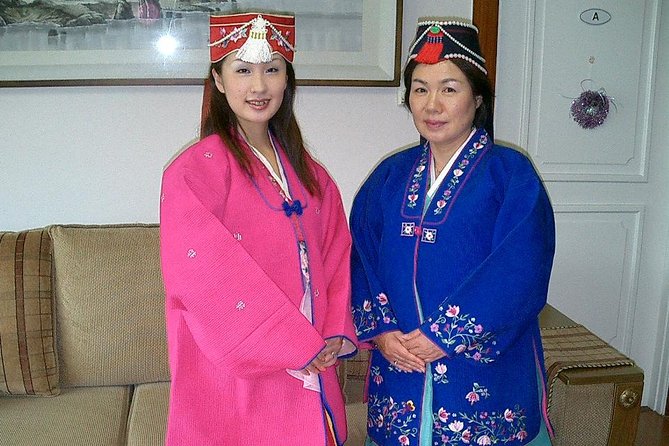
On the way back to your hotel, the tour can include an amethyst factory or a ginseng center. This is a common style for Korean cultural tours, where the route adds a product-focused educational stop.
How to think about it: if you like learning about traditional Korean health culture, the ginseng option is more aligned with that interest. If you are more curious about craft or stone-related souvenirs, the amethyst stop gives you a different angle.
Either way, it is scheduled into the return so you are not stuck figuring out transport. And because the tour starts early, having a fixed finish plan tends to reduce stress.
Price and value: how $99 holds up for a 6.5-hour plan
At $99 per person, this tour is priced like a compact, structured cultural day. For that money, you get hotel pickup, a small group format, a guide, and included fees for the kimchi-making lecture.
You are also getting a lot of separate experiences folded into one block: hanbok try-on, tea ceremony, a folk game, palace time, kimchi instruction, and a guided return route. The time factor is important, because you are not spending a full day just commuting between separate activities.
Two things that push the value higher are the small group cap (maximum 10) and the photo support. If you have ever visited Korea and realized you spent most of your time taking turns at the camera, you will understand why that matters.
The main value trade-off is simple: no lunch is included. So if you tend to skip snacks, you might feel the gap. Plan your meal timing and treat the tour as a morning experience, then eat soon after.
Who should book this tour, and who might skip it
You should book if you want a “greatest hits” cultural morning with real participation. This fits well if you care about hanbok photos, enjoy hands-on cooking skills, and want a tour guide to keep the story clear.
It is also a strong choice for couples. One report described the tour feeling special with just two people, which is the kind of small-group bonus that can happen when the group is under capacity.
You might consider skipping if you hate structured schedules. The tour packs several activities into about 6 hours 30 minutes, so there is not a lot of time to linger on your own at every stop. And because lunch is not included, you will need to manage food on your own.
My call: should you book this Seoul kimchi and hanbok tour?
I think this is a smart buy for first-timers and anyone who wants more than a palace photo and a shopping stop. The hands-on kimchi class, the hanbok etiquette practice, and the tea plus yut-nori combo are a balanced mix, with the kind of small-group size that usually makes the day feel friendly rather than rushed.
If you are planning a Seoul trip and want one morning that connects food, clothing, and heritage, this tour gives you a lot for the money. Just go in knowing it is a morning block without lunch, and bring the right expectations: you will be participating, not just observing.
FAQ
How long is the Seoul Cultural Tour?
The tour duration is approximately 6 hours 30 minutes.
What time does the tour start?
The start time is 9:30 am.
Is hotel pickup included?
Yes, hotel pickup in Seoul is included, and the tour also includes round-trip transport.
What activities are included besides kimchi making?
You can expect a hanbok try-on for photos, a tea ceremony, a traditional folk game, and visits connected to Korean tradition including Gyeongbok Palace and Insadong, plus a return route that may include an amethyst factory or a ginseng center.
Is lunch included?
No, lunch is not included.
How big is the group?
The tour has a maximum of 10 travelers.
More Historical Tours in Seoul

More Tours in Seoul

More Tour Reviews in Seoul
Not for you? Here's more nearby things to do in Seoul we have reviewed


Seoul Palace & Royal Heritage Tours, compared.
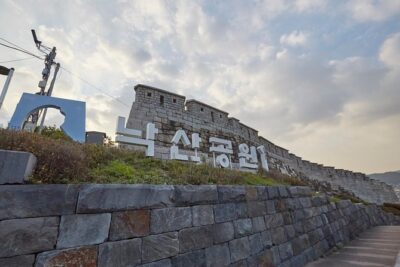 ★ 4.9Gyeongbok Palace, Bukchon Village, and Gwangjang TourFrom $322,321 reviews
 ★ 5.0Best Seoul City Tour (Gyeongbokgung Palace,Insadong,Namsan Tower)From $581,647 reviews
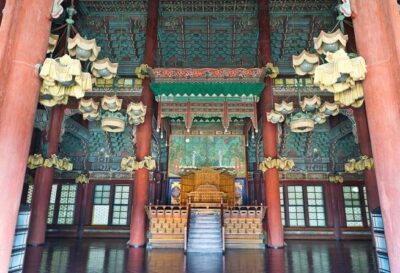 ★ 5.0Small-Group Royal Palace and Seoul City Tour (hotel pick-up)From $561,474 reviews
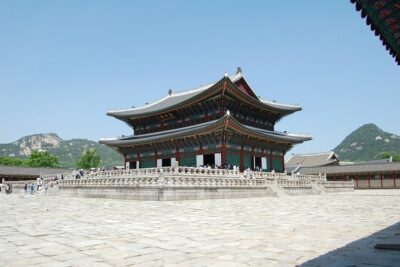 ★ 5.0Seoul City Sightseeing Tour Including Gyeongbokgung Palace, N Seoul Tower, and Namsangol Hanok VillageFrom $801,423 reviews
★ 5.0Gyeongbok Palace, Bukchon Village, and Gwangjang TourFrom $321,044 reviews
★ 5.0Seoul City Sightseeing Tour Including Gyeongbokgung Palace, N Seoul Tower, and Namsangol Hanok VillageFrom $801,423 reviews
★ 5.0Gyeongbok Palace, Bukchon Village, and Gwangjang TourFrom $321,044 reviews
 ★ 4.7Seoul Highlights: Gyeongbok Palace, Insadong & N Seoul TowerFrom $26726 reviews
 ★ 4.6Hanbok Rental with Gyeongbokgung Palace EntryFrom $6611 reviews
 ★ 4.5Seoul City Half Day Tour-Gyeongbok Palace Guard Changing CeremonyFrom $38357 reviews
Browse the lists this tour appears in