
Reviewed · SEOUL BUKCHON & HANOK TOURS
Seoul: 4-Hour Guided Tour to Palace, Bukchon, Jogyesa Temple
Seoul gets political fast, in the best way. This 4-hour private tour puts Gyeongbokgung at the center, then sends you to Bukchon Hanok Village for old houses framed by a modern city. You get a clear story of how people in Joseon Korea built their world, and how that still shapes what you see today.
What I like most is the way the guide explains the meaning behind the buildings, not just the building facts. With Paul Koo, you get Confucianism as a practical lens for the palace layout and traditional architecture, plus helpful coaching for where to stand for photos. The one catch to plan for is that palace entry fees and transportation are not included, so you may need a bit of cash and a plan for getting there and back.
Key things to look for on this tour
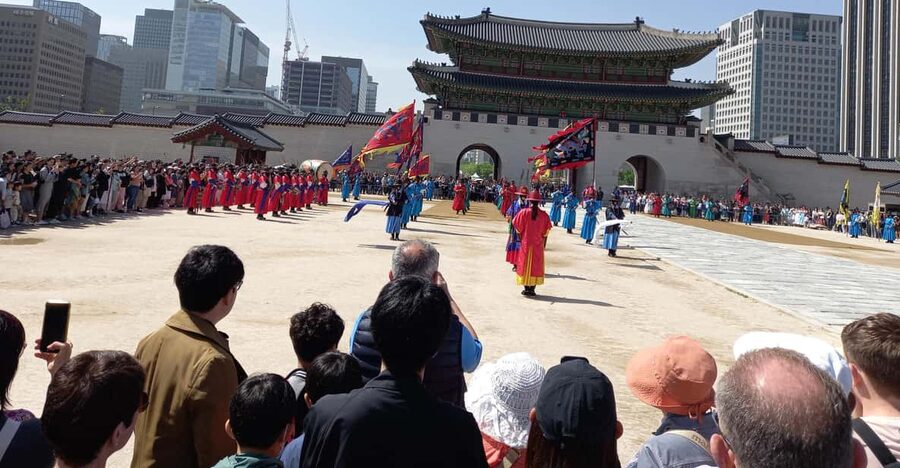
- Gyeongbokgung’s architecture explained, so the rules, gates, and layout make sense
- Bukchon views that mix hanoks and skyline, with N Seoul Tower in the background
- Jogyesa Temple context, including why it matters to Korean Buddhism
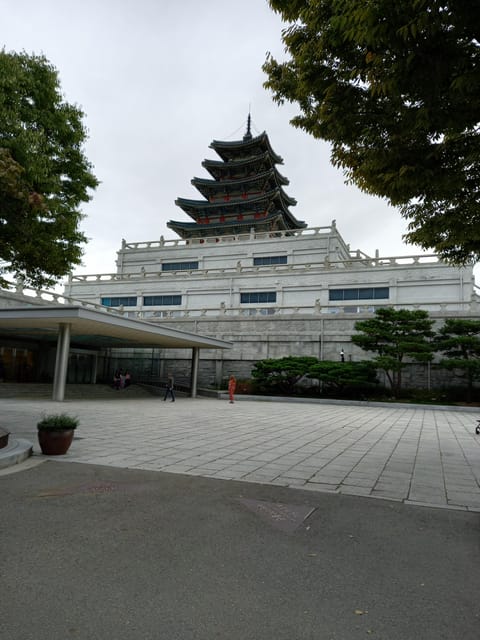
- National Folk Museum focus on everyday life, from birth to illness and aging
- Insadong time for atmosphere, right after you finish the palace area
- Paul Koo’s photo guidance, including where angles work best
Why Gyeongbokgung Palace Changes How You Read Joseon Korea
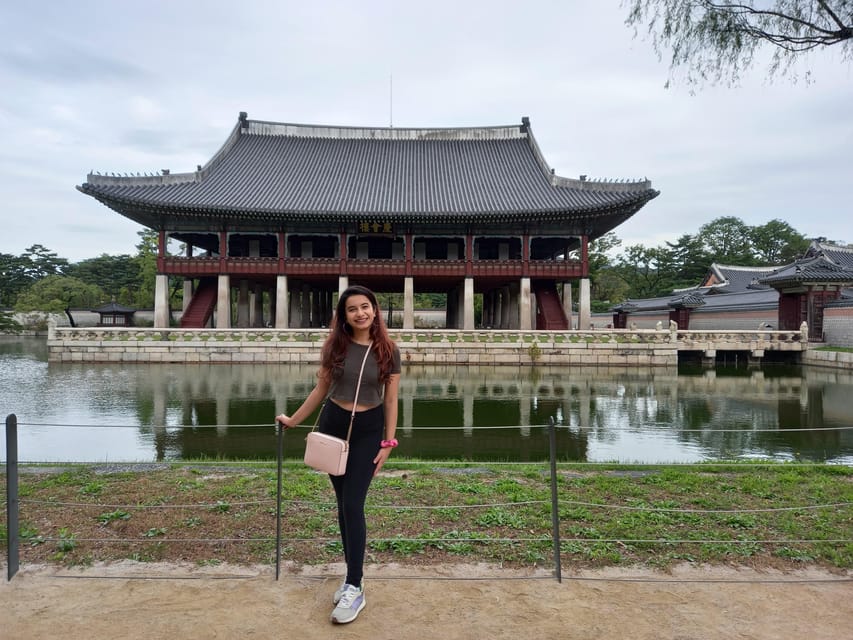
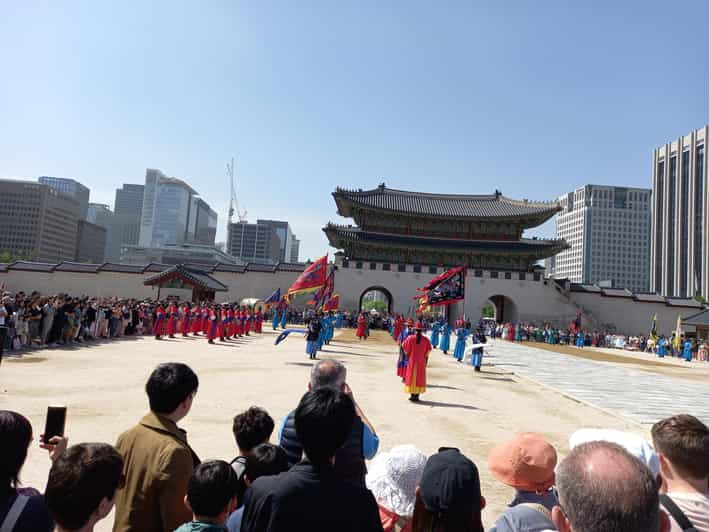
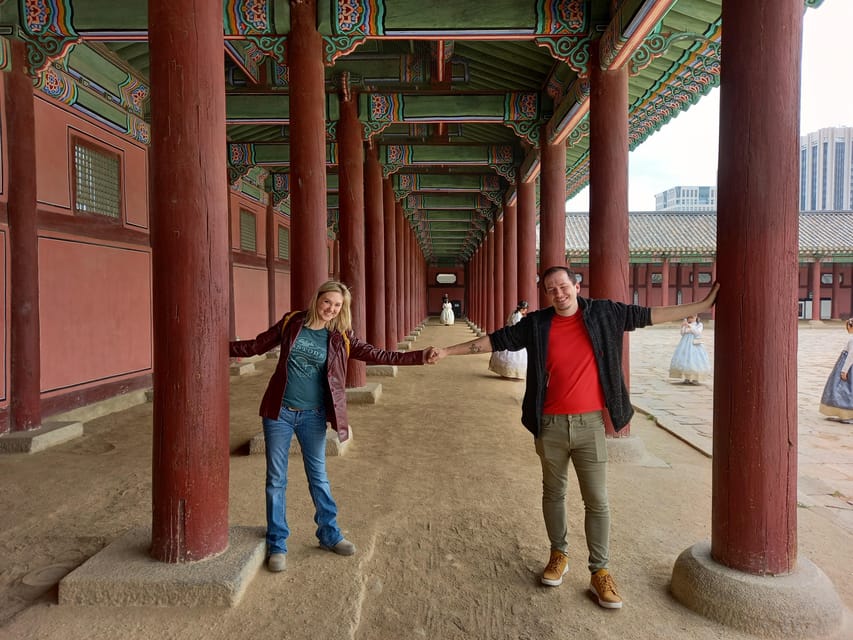
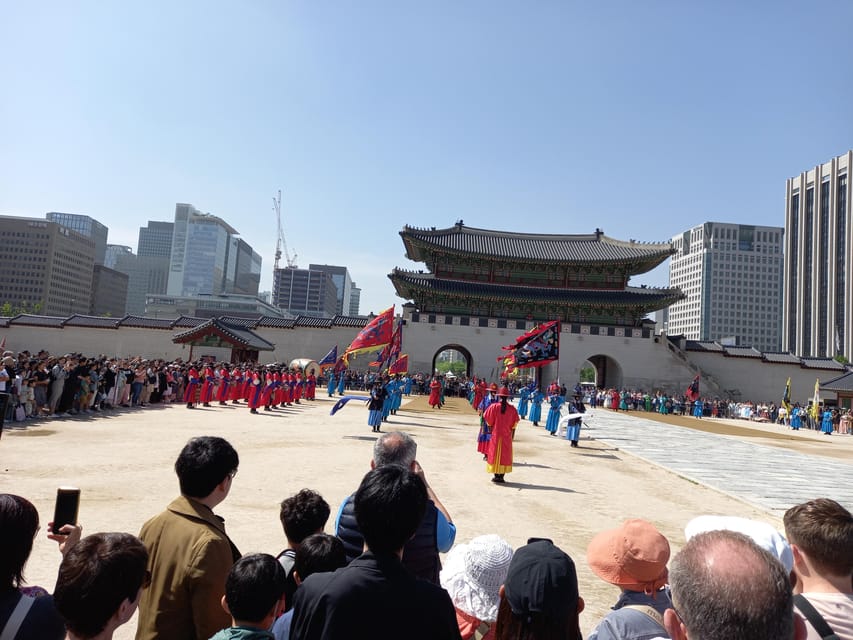
Gyeongbokgung is the kind of place that looks impressive from the outside, then rewards you even more once someone connects the dots. This tour spends about 2.33 hours here, which is enough time to slow down and actually understand what you are seeing, not just walk past it. You are also in the right mindset because the tour frames palace architecture as the expression of an era.
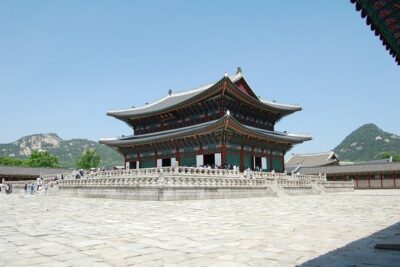
A key theme is Confucian Joseon ideology, and how it shows up in the palace design. Gyeongbokgung was built in 1395 as the main palace, and it is described as the most magnificent palace and the only palace built on flat land, using an authentic Confucian palace structure. Translation for your brain: the symmetry and the order are not decoration, they are the point.
You will also get a sense of why knowing the cultural background matters. The tour uses a simple comparison, you cannot fully appreciate Romanesque and Gothic styles without knowing the medieval European context, and the same idea applies here. Once you understand the Joseon worldview, gates, halls, and courtyards feel less random and more like a living set of rules.
You can also read our reviews of more guided tours in Seoul

Using Confucianism to Spot Meaning in the Palace Layout
This is not a tour that treats religion and philosophy like trivia. It treats them like design tools, because Joseon Korea was organized around Confucian ideas about hierarchy, rituals, and order. That is why the palace is presented as a physical map of identity, not just a pretty backdrop for photos.
Paul Koo is particularly strong on this angle, and the result is that you come away with a mental model. When you look at where people moved, and how spaces connect, it stops being only architecture and starts being story. If you like history that actually helps you interpret what stands in front of you, you will enjoy this approach.
The guide also explains Christianity as an example of how a belief system shapes art, then brings it back to Korea. So even if you are not a philosophy person, you can still follow the logic and feel the difference in interpretation. It is like getting subtitles for a movie you already started watching.
One small practical note: palaces have crowds and lines sometimes. If you want to linger in the quiet corners, you will need to manage your pace, because the tour keeps a steady rhythm to cover multiple stops in 4 hours.
Bukchon Hanok Village, the Photo-Friendly Old Meets New View
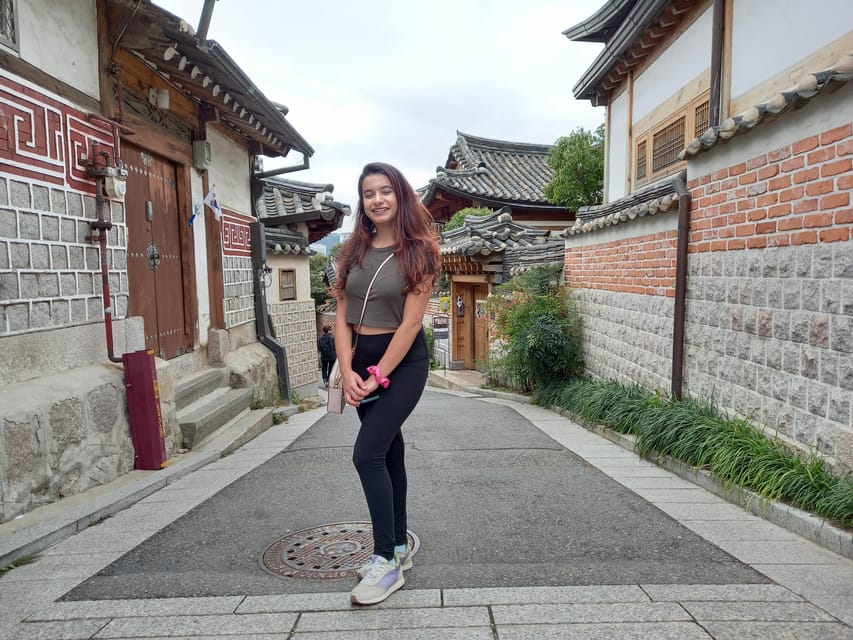
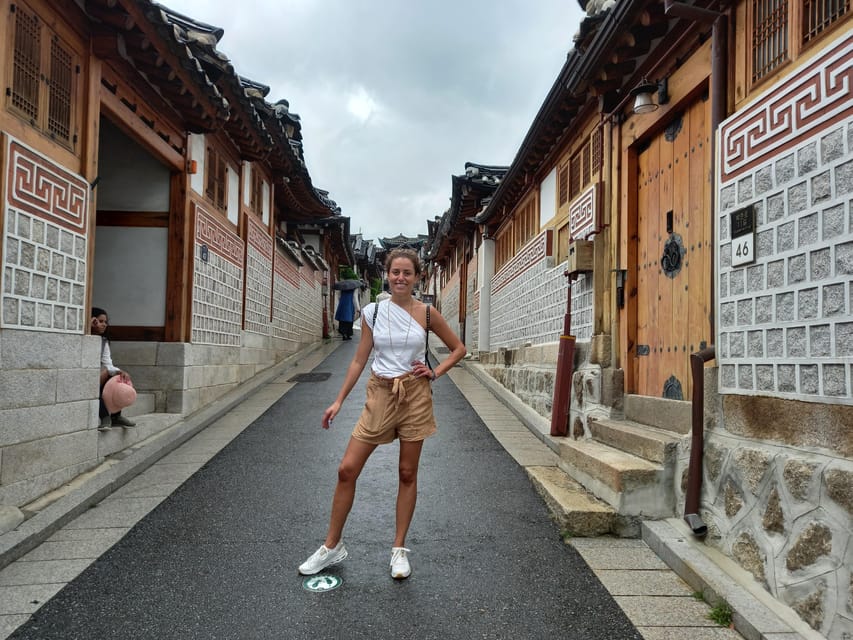
Bukchon Hanok Village is about 40 minutes on this tour, and that is the right amount for a first look. You are walking through an area known for its large cluster of around 1,000 hanoks, which is a lot of traditional houses in one concentrated zone. What makes Bukchon especially memorable is the visual mix, traditional rooftops in front and Seoul’s skyline behind, with N Seoul Tower and the city feel in view.
This is also where the tour earns its keep for people who want more than snapshots. Paul Koo gives guidance on where the angles work best, and you get a lot of picture time built into the experience. In a place like Bukchon, standing in the right spot can turn a street view into a coherent scene, with the old and new lined up instead of fighting each other.
You will likely notice that hanoks are not all identical, even though they look similar at first glance. The guided explanation helps you see the village as a preserved way of living, not just a themed street. And because the palace portion comes first, Bukchon feels connected, not like a random side stop.
The only drawback to keep in mind is time density. 40 minutes can feel quick if you fall into the picture-taking trap, especially if you are trying to photograph from several corners. Use the guide’s best photo spots first, then decide if you have energy left to wander.
Jogyesa Temple and the Religion Map of Seoul
After Gyeongbokgung and Bukchon, Jogyesa Temple fits like an important chapter, not a detour. Jogyesa is described as the headquarter temple of Korean Buddhism, built in 1926 in Insadong and located adjacent to the Gyeongbokgung area. So you are staying close geographically while switching the cultural lens from Confucian palace order to Buddhist spiritual life.
The tour also makes Jogyesa feel approachable. It is described as small, but that size detail matters because it changes how you experience temples in Seoul. Instead of a giant complex that overwhelms your senses, Jogyesa encourages closer attention to the atmosphere and the meaning behind what you see.
This section matters because it helps you understand Seoul as a city with layered identities. Confucianism informs the Joseon palace worldview, but Buddhism remains visible in daily spiritual culture. When you can connect those layers, the city makes more sense as a living place rather than a collection of attractions.
If you are the type who likes walking into a site and immediately understanding why it exists there, you will appreciate how the tour ties these ideas together. If you prefer only major landmarks, you might feel the temple stop is shorter than the palace stop, but that balance keeps the 4-hour plan realistic.
National Folk Museum of Korea, Everyday Life Instead of Just Royal Life
The National Folk Museum of Korea is where the tour shifts from elite power structures to ordinary people. You get about 30 minutes here, so you are not doing a museum marathon, but you are getting a focused dose. The museum presents common people’s life and seasonal activities, with a clear path through life stages.
What stands out in the tour framing is that you see the full cycle, from birth to growth, marriage, aging, illness and treatment, and even death. That structure is powerful because it makes Joseon culture feel human. Palaces show the big ideas, and then the Folk Museum shows what those ideas meant for real bodies living real days.
The museum also covers folk rituals and commemorational events, which helps you understand that culture was not only official ceremonies. You can look at displays and feel the logic behind why people performed rituals and how they marked life transitions. This is the kind of learning that makes photos feel less random, because you start recognizing themes that connect different places you visited that day.
A practical consideration: with only 30 minutes, you should pick a few themes you care about most when you enter. If you try to read everything, you will miss the overall story. The guide’s role here is especially valuable, since you get help selecting what matters.

Insadong After the Temples, a Quick Dose of Traditional Street Energy
Insadong is on the tour for about 30 minutes, which is just enough time to reset your senses after indoor and garden-style stops. Insadong is adjacent to the areas you already covered, so the flow of the day feels efficient. Here, the tour’s value is less about a single monument and more about context.
Insadong is often where you notice traditional crafts and everyday browsing culture in the center of Seoul. Since your earlier stops gave you meaning behind rituals, architecture, and religious identity, the street area becomes more legible. You might still buy something, or you might just enjoy the atmosphere and move with purpose.
This part is best for you if you want a little time to breathe and get your bearings. It is also a good moment to think about what you want to return to later, especially if a specific aspect of Joseon culture grabbed you.
Because the schedule is tight, don’t expect a full shopping expedition. Use the 30 minutes for one or two focused things, like a quick snack break or a browse around traditional goods, then stick to the tour pace.
Photo Spots and How to Use Paul Koo’s Stand-Where-It-Works Tips
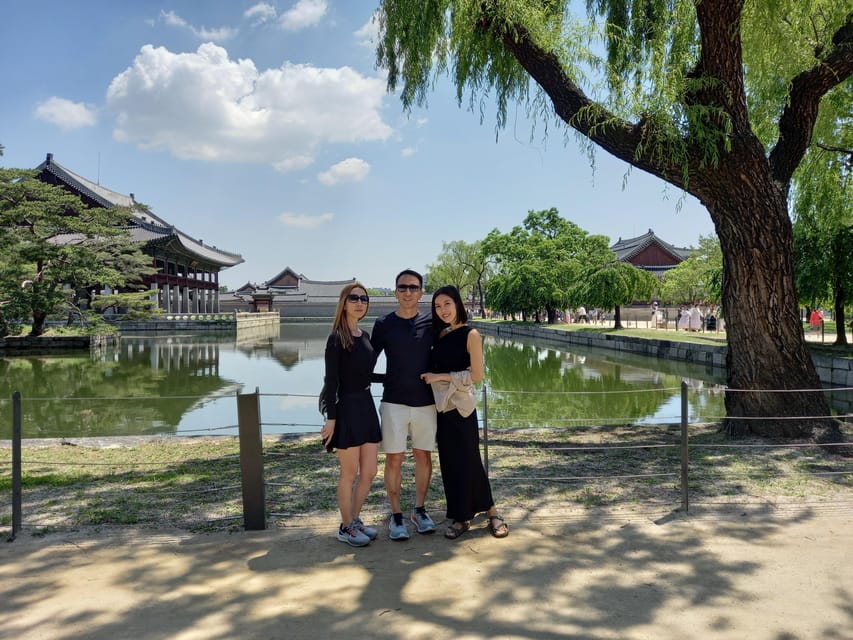
One of the strongest things in this tour is the guide’s attention to details that affect what you capture. The experience includes guidance on the best spot and best angle, and you spend enough time at key viewing points to make those tips matter. That means you are less likely to end up with a bunch of shots that look similar or cut off the most important parts of the scene.
In Bukchon especially, angles matter because you are balancing rooftops, narrow streets, and the city skyline in the same frame. If you try to photograph it on your own, you often end up with a view that feels messy. With Paul Koo’s help, the sequence feels more organized, which makes your photos look intentional.
In the palace area, the best photos usually come from understanding the space. When you know where you are in relation to gates and major halls, you can frame the right perspective without guessing. Even if you are not an advanced photographer, you still benefit from that “stand here first” coaching.
Also, the guide takes the explanations seriously and keeps them understandable. That combination is what makes your pictures more than souvenirs, they become evidence of what you learned that day.
Price and Logistics for a 4-Hour Private Group
This tour costs about $152 per group, up to 2 people, and it is a private group with English live guiding for 4 hours. The guide fee is included, which is the main value, because you are paying for someone to connect architecture, philosophy, and cultural identity for your specific stops.
What is not included matters for your budget. Palace admission fees and any N Seoul Tower admission are not included, and transportation is also not included. Food and beverage and insurance are not included either. If you are budgeting for the day, add tickets and some cash for transit, then you will feel in control instead of surprised.
Is $152 good value? For a private tour, it often is, because you are not splitting the guide with strangers and you can move at a comfortable pace. The bigger the group, the more value you usually get, but this one is priced for up to 2, so you should decide if you want a personalized pace versus saving money on a shared tour.
Also, because you have a fixed 4-hour window, the tour is best when you trust the structure. If you like your days highly flexible, you may feel the pace is firm. If you like learning in a guided sequence, the time limit becomes a benefit, since you cover the essentials without burning a whole afternoon.
Who This Tour Is Best For (and Who Might Want Something Different)
I think this tour is a great fit if you want culture with context. If you care about architecture and how belief systems show up in buildings, you will enjoy the Confucian lens and the way Gyeongbokgung is explained. It is also a good pick if you want photos that make sense because someone guides where to stand.
It is especially suitable for first-time Seoul visitors who feel overwhelmed by the sheer number of places. The stops are clustered, so you see a coherent set of themes: palace ideology, traditional village life, Buddhist headquarters context, and everyday Joseon culture.
It might be less ideal if you want lots of free time to roam on your own. With set guiding times for each stop, you will have to trade spontaneity for coverage. If you love deep museum time or long temple meditation time, you may want a different option with a longer duration.
If you are traveling as a couple, the up-to-2 structure makes the math feel cleaner. If you are solo, you might like it because the private format often means the guide can answer your questions in real time.
Should You Book This Seoul Palace, Bukchon, and Jogyesa Tour?
Book it if you want the fastest way to understand the meaning behind Seoul’s top cultural sights. Gyeongbokgung gives you the Confucian architecture story, Bukchon gives you the old-meets-new view with strong photo coaching, and Jogyesa plus the Folk Museum adds the religion and everyday-life perspective that keeps the day from feeling one-note.
Skip it or adjust your expectations if you hate paying extra for entry fees, or if you need long unstructured time to wander. Since admission and transportation are not included, plan for those small extras and you will enjoy the flow instead of thinking about logistics every five minutes.
If you want a guide who clearly explains Korean history and makes it easy to understand, this is a strong choice. Paul Koo’s focus on Confucianism, plus his practical help with storytelling and photo angles, turns a short visit into something you can actually remember.
FAQ
How long is the Seoul tour?
The tour duration is 4 hours.
What is the meeting point?
The starting location is Gwanghwamun Square. Meeting place and time can be chosen by you after booking, and you can meet at your hotel if you prefer.
Is the tour private, and what language is it in?
Yes, it is a private group tour. The live guide speaks English.
What is included in the price?
The price includes the guide fee for 4 hours with guide information.
What is not included?
Not included are palace admission fees, N Seoul Tower admission, transportation, food and beverage, and insurance.
Can I cancel for a full refund?
Yes. You can cancel up to 24 hours in advance for a full refund.
More Guided Tours in Seoul
More Tours in Seoul
More Tour Reviews in Seoul
Not for you? Here's more nearby things to do in Seoul we have reviewed


Seoul Bukchon & Hanok Tours, compared.
 ★ 4.9Gyeongbok Palace, Bukchon Village, and Gwangjang TourFrom $322,321 reviews
 ★ 5.0Seoul City Sightseeing Tour Including Gyeongbokgung Palace, N Seoul Tower, and Namsangol Hanok VillageFrom $801,423 reviews
★ 5.0Gyeongbok Palace, Bukchon Village, and Gwangjang TourFrom $321,044 reviews
 ★ 4.8Gyeongbok Palace and Bukchon Hanok Walking TourFrom $88157 reviews
 ★ 5.0Best Walking Tour to Gyeongbok Palace Bukchon Hanok VillageFrom $88138 reviews
 ★ 4.7Jeonju Hanok Village Full-Day Tour:Jangtaesan Autumn FoliageFrom $7445 reviews
 ★ 5.0Tour Seoul’s oldest district with a storyteller from BukchonFrom $3924 reviews
 ★ 4.5Seoul Morning Tour: Seoul Tower, Namsan Hanok Village, The War Memorial of KoreaFrom $6522 reviews
Browse the lists this tour appears in