
A visit to the DMZ feels real, fast. This half-day tour from Seoul packs serious history, armed-check intensity, and tight, guided access to border sights.
I really like that the tour is led by retired military officers, not generic slideshow guides. Names like Agent SJ, Agent Tiger, Captain Eddie, and Dylan come up, and the best thing they seem to do is translate what you see into plain language you can actually picture.
I also like that your best viewing spot is chosen on the day, not guessed. They use weather, visibility, and live CCTV to decide between Odusan and Dora Observatory, so you have a better shot at clear sightlines.
One consideration: the schedule is strict, and this is called half-day but runs about 6 to 7 hours once you include transit and checkpoints. If you hate structured days, you may find it a bit intense.
Key highlights you should know
- Retired military officer guides with firsthand border-era experience (SJ, Tiger, Eddie, Dylan are mentioned)
- Best-view selection (Odusan or Dora) based on weather, visibility, and live CCTV
- Third Tunnel walk through a narrow passage (about 1.95 m high and 2.1 m wide)
- Admissions included for DMZ areas, the tunnel, and the chosen observatory
- No shopping focus with a compact route and short time at each stop
Retired military officer guides like SJ, Eddie, Julie, and Dylan
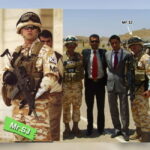
What makes this DMZ tour different is the people running it. This experience is operated by PLK Travel, and it is described as the only DMZ tour in Korea led by retired military officers. You’ll hear guide backgrounds that are tied directly to the DMZ and military operations, including details like special forces service, front-line command experience, and even tunnel expertise.
I’d bet your questions get better answers here. In the reviews, guides such as SJ (Agent SJ), Captain Eddie (Agent Eddie), Julie, and Dylan are praised for explaining terminology, sharing personal stories, and handling questions well. That matters because the DMZ is confusing unless someone turns it into a clear map in your head.
You should still come with the right mindset. This isn’t just photos and checklists. Expect the tone to be serious and the context to be constant. If you want jokes all day, you might get bursts of humor (some guides are noted for it), but the emotional weight is part of the deal.
A few more Seoul tours and experiences worth a look
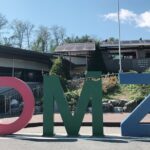
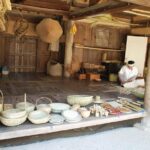
Odusan or Dora Observatory: how your clear view gets chosen
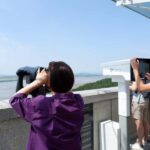
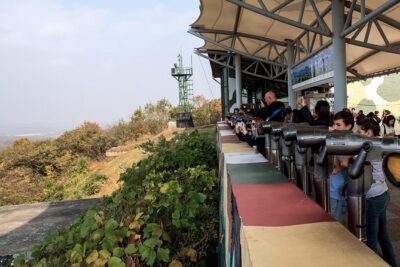
One of the most practical parts of this tour is how they handle the hardest variable: visibility. They don’t lock you into one viewpoint forever. Each morning they assess weather, visibility, and live CCTV, then choose Odusan or Dora Observatory based on which offers the clearer view into North Korea that day.
Dora Observatory is described as the northern-most point of the western front. It’s also positioned for a very specific “two landmarks in one” style view: Gaeseong Industrial Complex and Songhaksan Mountain. If you like the idea of seeing named places rather than just a blur across the border, this is the big draw.
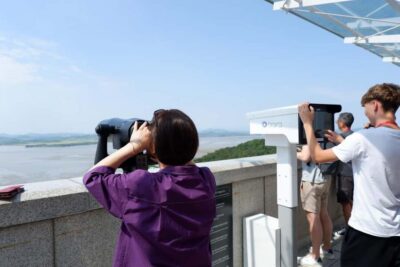
Odusan, meanwhile, is closer to the border area, described as just 2 km from North Korea. It’s often what you want if your priority is the maximum “I am looking from very close range” feeling. A review notes that visibility was good enough to spot people and bikes from the observatory, which tells you that the viewing can be surprisingly specific when the air cooperates.
Here’s the reality: the DMZ is weather-dependent. Smog or haze can shrink what you can actually see. The tour wording also notes that the schedule and details can change due to training schedules, traffic, and weather, so you should treat the observatory choice as part of the experience, not a problem to fight.
Why this half-day DMZ tour is a full 6 to 7 hours
The name says half-day, but the clock says more. The duration is listed as about 6 to 7 hours, and that includes transit time on the bus. Expect a structured day where the route matters and timing at each stop matters too, especially around the DMZ access points.
That structure is also why the tour works for many first-time Seoul visitors. You get a compact set of border-related sites without it turning into a long scavenger hunt across the city. The itinerary is designed to move from historical context into “on-site” moments, then finish with close-range viewing.
You should also plan for the checkpoint moment. Before entering the DMZ area, you do ID check procedures. That takes time, and it’s not something you can speed up. Still, the guides are repeatedly praised for handling checkpoints smoothly, which helps the whole day feel controlled instead of chaotic.
Finally, lunch is not included. If you’re the type who needs a proper meal in the middle, plan to grab something before you start. This tour is more about the sites than a full day of eating and wandering.
Bridge of Freedom, Mangbaedan, and ID checks before you enter
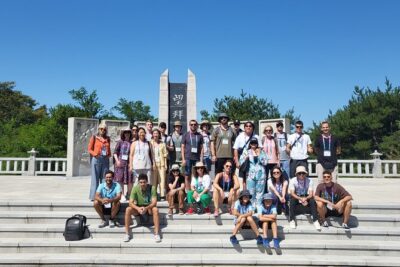
Before you reach the border area itself, the tour sets the tone with history and symbolic sites. You start with ID checks, then you look through the Bridge of Freedom and the Mangbaedan Altar area. These are tied to Korean War history and serve as an emotional warm-up before the more intense parts of the DMZ route.
The Bridge of Freedom is the kind of place that feels simple visually, but it carries weight in what you’re trying to understand. It’s not only a landmark. It’s a reminder that this border isn’t theoretical. It’s a lived reality for the people on both sides.
Mangbaedan is another stop that hits differently once you know why it exists. It’s described as a symbolic altar where separated families pay tribute to ancestors in North Korea, facing north across the DMZ. That detail is important because it shifts your attention from geopolitics to human cost.
There are a couple short stops around these symbolic areas in the route, including Mangbaedan again and the Bridge of Freedom viewpoint. Each one is brief, but together they help you understand what “division” means beyond a line on a map.
Walking the Third Tunnel: tight space, big emotions
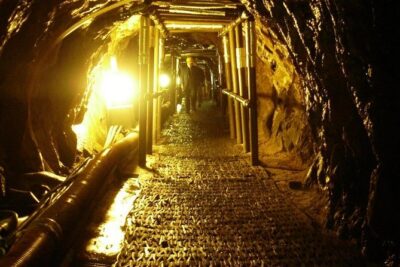
If you want one reason this tour keeps getting a top rating, it’s the Third Tunnel. This walking course takes you into the 3rd invasion tunnel, described as one of the thrilling tunnel experiences because of how physically close it puts you to the story of infiltration attempts.
The dimensions matter. The tunnel is listed as close to 1.95 meters high and 2.1 meters wide. You will feel that immediately. This isn’t a casual stroll. It’s controlled, guided walking in a tight space, and you should have at least moderate physical comfort for confined movement.
The time here is about 40 minutes, and admission tickets are included. That combination, plus the fact that the tour guide is described as an infiltration tunnel expert in the agency lineup, is a big part of why people leave with more than just a photo.
Also pay attention during the explanation. Tunnel visits are easy to turn into a “cool engineering” stop. The guides are praised for linking what you see to war strategy and the broader conflict. That’s the difference between watching something happen and understanding what it was meant to do.


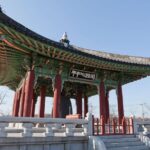


Steam Locomotive at Jangdan Station and the Bridge of Freedom stops
After the tunnel, the route brings you back to visible war markers and division symbolism. One standout stop is the steam locomotive at Jangdan Station of the Gyeongui Line. It was destroyed by U.S. forces in 1950 to block the Chinese advance while transporting UN supplies northward. Now it’s treated as a lasting symbol of war and division.
This matters because it’s not a memorial that only lives in books. It’s an object from the conflict era that you can stand near while someone walks you through why that action happened. It gives you a concrete example of how global decisions played out locally, in real time.
You also revisit the Bridge of Freedom area during the day. Even if you’ve just seen a version of the same theme earlier, the second look helps you connect it to what you experienced in between. Tunnel talk plus border viewpoints makes the whole experience feel less random.
These parts of the itinerary are short, some stops are only 5 minutes, and that can be a good thing. You avoid feeling dragged, but you still get the meaning of each site because the guide keeps them tied to the larger story.
What $45 gets you: admissions, transfer, and no shopping focus
At $45.00 per person, this tour is priced as an accessible entry point into DMZ experiences. The big value lever is what’s included: licensed professional tour guide, roundtrip transfer from Seoul, admission fees to DMZ, and admission for one observatory (Odusan or Dora).
That inclusion list is more important than it looks. DMZ days often add up once tickets and transport get separated. Here, the structure is set so you are paying for the experience itself rather than rebuilding it line by line.
The tour also keeps the route compact and explicitly skips shopping. That’s a practical win. Shopping stops are common in half-day tours because they fill time and add commissions. When your time is instead directed to a small number of high-impact sites, you tend to remember more and feel less tired.
One more detail for groups: for groups of 10 or more, free hotel pick-up is included. Even if you are traveling solo or as a small group, it signals they are organizing this day around logistics, not around forcing everyone to arrive on their own.
A small tradeoff: lunch is not included. If you want a full-day food plan, you’ll need to handle that outside the tour.
The practical side: passports, schedule shifts, and moderate fitness
There are a few non-negotiables with this tour style. You need a current valid passport on the day of travel. The ID check happens before you enter the DMZ area, so don’t treat this as optional paperwork.
You also need moderate physical fitness. That doesn’t automatically mean athletic training, but the Third Tunnel’s tight dimensions tell you the movement will be constrained. If you’re dealing with mobility issues or strong discomfort in enclosed spaces, you should think carefully before booking.
Weather matters too. The tour requires good weather, and if it’s canceled due to poor weather, you’ll be offered a different date or a full refund. There’s also flexibility built in for real-world timing problems, like unexpected traffic and military training schedule changes. In other words, the border region is not a theme park.
Finally, the tour uses a mobile ticket and is described as private in the sense that only your group participates. Near public transportation is noted as well, which can help if you’re coordinating with the departure point on your own.
Who should book this Seoul DMZ tour with PLK Travel?
Book it if you want a DMZ day that feels tightly guided and meaning-focused. This tour seems best for first-timers to Seoul who also want a serious context lesson, not just sightseeing. It also suits people who ask lots of questions. Multiple reviews praise guides like SJ, Eddie, Julie, and Dylan for answering questions and keeping the bus ride engaging.
You might want to skip it if your ideal travel day is slow and flexible. The schedule is strict, the stops are time-managed, and your total day is closer to 6 to 7 hours than “half-day” implies. Also, since lunch isn’t included, you’ll want to plan food so you don’t end up stressed halfway through.
For a history lover, this is a strong fit because the route moves through war relics, symbolic family memorials, tunnel reality, and then one selected observatory. For the person who just wants a quick look at North Korea, the tunnel and ID checkpoint might feel like “extra work,” but the payoff is the understanding you carry home.
Should you book this tour or look for alternatives?
If you’re choosing between DMZ tours and you care about guide quality, I think this one is worth serious consideration. The strongest pattern in the feedback is the leadership by retired military officers and the way they connect each stop to real-world conflict details. That turns the day from a photo mission into a clearer story.
If you book, go in expecting a structured day with real checkpoint procedures and some physical constraint in the tunnel. Come prepared with a passport, expect weather to affect viewing, and plan food since lunch is not included.
If your main goal is to see as much as possible in the shortest time, this still makes sense because it’s compact and avoids shopping stops. In short: if you want a DMZ experience that prioritizes meaning, not shopping time, and you can handle a tight tunnel walk, book it.
FAQ
How long is the DMZ tour?
The tour is listed as 6 to 7 hours approximately, including travel time on the bus.
How much does it cost?
It costs $45.00 per person.
Is lunch included?
No. Lunch is not included.
Which observatory will I visit, Odusan or Dora?
You will visit one observatory to see North Korea, either Odusan or Dora Observatory. The tour chooses based on weather, visibility, and live CCTV on the morning of your visit.
What are the main stops during the tour?
Stops include DMZ with ID check and historical sites, the Third Tunnel, a chosen observatory (Odusan or Dora), Mangbaedan, a steam locomotive at Jangdan Station, and Bridge of Freedom.
Is admission included for the DMZ sites and tunnel?
Yes. Admission fees to the DMZ and admission tickets for the Third Tunnel and the chosen observatory are included.
Do I need a passport?
Yes. A current valid passport is required on the day of travel.
Is the tour physically demanding?
The tour lists a moderate physical fitness level. You will walk into the Third Tunnel, which has tight dimensions.
Is hotel pick-up included?
Free hotel pick-up is included for groups of 10 or more.
What if the weather is bad?
The experience requires good weather. If it is canceled due to poor weather, you will be offered a different date or a full refund.
More Half-Day in Seoul
More Tours in Seoul
More Tour Reviews in Seoul
Not for you? Here's more nearby things to do in Seoul we have reviewed


DMZ Day Tours from Seoul, compared.
 ★ 5.0Best DMZ Tour Korea from Seoul (Red Suspension Bridge Optional)From $2941,422 reviews
 ★ 5.0DMZ Tour: 3rd Tunnel, Option(Suspension Bridge, Boat) from SeoulFrom $3521,373 reviews
 ★ 5.0DMZ tour south Korea from Seoul (NK experience hall, defector)From $2620,599 reviews
 ★ 4.9DMZ Insider Tour: 3rd Tunnel, NK Defector Meet & Red BridgeFrom $5015,214 reviews
 ★ 4.8DMZ Tour with Optional Suspension BridgeFrom $455,277 reviews
 ★ 5.0Signature DMZ Tour: Exclusive Defector Talk & Suspension BridgeFrom $274,459 reviews
 ★ 5.0Thrilling Korean DMZ 3rd Tunnel Tour from Seoul + Red Bridge RushFrom $353,097 reviews
 ★ 5.0DMZ Past and Present: Korean Demilitarized Zone Tour from SeoulFrom $372,481 reviews
Browse the lists this tour appears in