
Reviewed · SEORAKSAN & SOKCHO DAY TRIPS FROM SEOUL
Autumn Foliage-Mt. Seorak, Sokcho Fish Market, Sokcho Beach
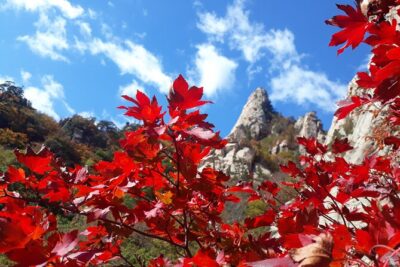
One day, two Korean classics, lots of color. I like the Seoraksan autumn scenery with real walking or hiking options, and I also like the easy payoff at Sokcho with fish market street food and a beach stop that actually feels like a break. The main drawback is weather, on a rainy day the schedule can feel a bit tight and you will spend less time lingering.
This tour runs from Seoul with a group that stays small enough to move, but big enough to be efficient, up to 100 people. You get round-trip transfers and an English-speaking guide, plus a mobile ticket, and you will need proper footwear because Seoraksan includes an intermediate-level walk.
Key things to know before you go
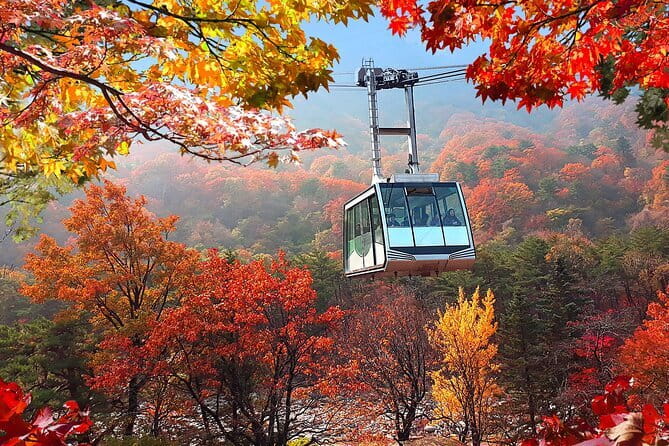
- Seoraksan options are flexible, you can walk, hike, or take the cable car if you chose that add-on
- Sokcho Fish Market is built for sampling, with street food and seafood so you can snack instead of committing to one meal
- Guide service can make or break a long day, and guides like Kangwon and David Oh are praised for being attentive and practical
- Timing is designed to beat crowds, so you have a better shot at calm views before it gets busy
- Rain changes the vibe, the itinerary still works, but you may move faster between stops
From Seoul to Seoraksan and Sokcho in one full day
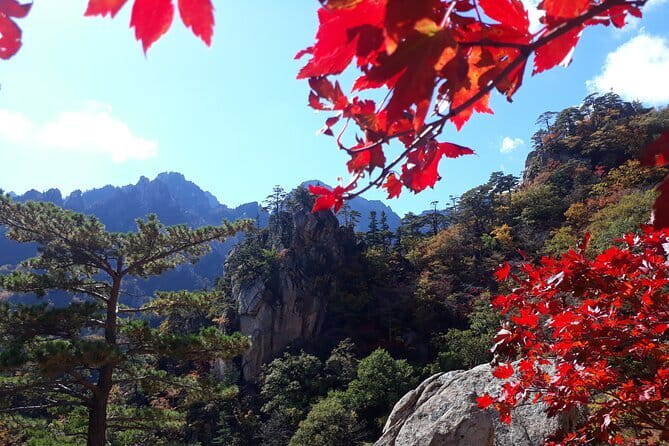
If you only have a day and you want the most classic Korean fall combo, this is the kind of plan that makes sense. You start inland at Seoraksan National Park, then shift to the coast for Sokcho Fish Market and Sokcho Beach. It is a long day, around 12 to 13 hours, but the route is efficient.
What I like about this itinerary is the logic. Seoraksan is where you go for fall color, and it is also where you can control how strenuous you want things to be. Then Sokcho gives you a different kind of reward: salty air, seafood snacks, and a beach area that feels like a reset after time on your feet.
You can also read our reviews of more shopping tours in Seoul


The real value of a $68 price tag and what is included
For $68 per person, the best value is not one single ticket. It is the package of transport, people, and time. You get round-trip transfers plus an English-speaking staff member, which matters on a day trip where most of the fun depends on getting to the right spots at the right times.
Here is what is included that can save you money or hassle:
- Round-trip transfers from central Seoul meet-up points
- English-speaking staff
- Cable car ticket at Seoraksan only if you chose the option that includes it
- All admission tickets listed for stops are free
Not included is also important. Meals and beverages are on you, and you may want to budget for snacks at the fish market. If you chose the cable car option, you are covered for that ride when it is operating, but the optional extra ticket is not automatically included unless your booking says so.
In practice, this is the kind of tour you book when you want comfort and guidance, not when you want total freedom to roam at your own pace.
Meet-ups in Seoul: Hongik Univ and Myeongdong, and why your start matters
The tour meets at two convenient points in Seoul: Hongik Univ. Station Exit 8 and Myeongdong Station Exit 4. The day plan may start from either, depending on the route that matches your group setup, and you should arrive at least 5 to 10 minutes early.
Why I think this detail matters: the day has multiple long transit segments and a limited amount of time for each stop. If you miss the departure window, you lose time you cannot get back, and late arrivals or no-shows cannot be refunded.
Also note a small end-of-day surprise. Your group does not return to Hongik Univ Station at the end. You will be dropped at one of two Seoul locations, either Dongdaemun History & Culture Park Station or Myeongdong Station. If you plan to go back to areas near Hongik Univ, you will likely want to use subway line 2 from Dongdaemun to reach your next connection.
The ride to Seoraksan: comfortable timing, not sightseeing-by-accident
The first leg from Seoul to Seoraksan takes about 2 hours and 25 minutes, and that time is part of the deal. You get delivered to the start of your mountain time without having to figure out public transit with luggage and fall crowds.
One detail I appreciate is the idea of timing. The schedule is designed so you arrive early enough that you are not starting your hike in the heaviest crowd wave. That is not just pleasant, it also helps you move through viewpoints and temple areas with less stop-and-go frustration.
Bring layers. Even in early autumn, the air can feel different once you start moving uphill, and the weather can change fast in the mountains.
Seoraksan National Park: the fall color payoff and your hiking control
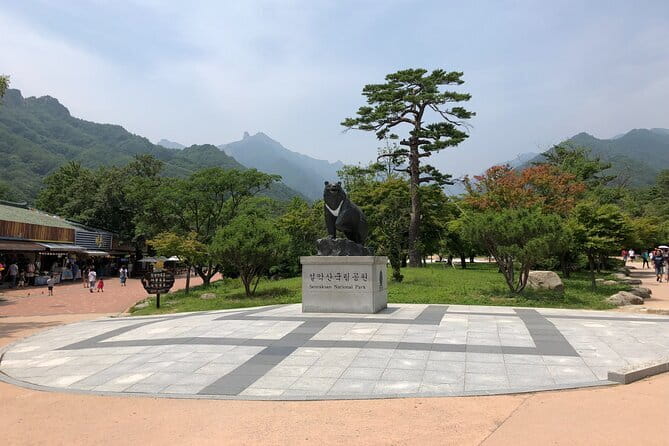
Seoraksan is the big headline, and it is where your day’s memories are made. You get about 5 hours here, and you can choose how active you want to be. You can walk, hike, or ride the cable car if you chose the option.
A few practical notes before you commit your energy:
- The tour includes an intermediate-level hiking requirement, so comfortable shoes are not optional
- Cable car use is only available if you purchased the option, and it could be refunded in cash by the guide if the cable car is not operating
- Even if you take the cable car, you will still do walking around temple and viewpoint areas
This is also one place where the guide really matters. On a good day, a strong guide helps you pick the right routes for the conditions, and helps you plan your time so you do not burn it all in one area.
From the feedback I have seen, guides like Kangwon are described as attentive and focused on helping people make good choices. That matters when you have limited hours and changing weather.
A few more Seoul tours and experiences worth a look





Shinheungsa Temple and the big Buddha statue: culture in the middle of the hike
Seoraksan is not only about views. You also get cultural anchors: a big Buddha statue and Shinheungsa Temple. These stops break up the physical challenge and give your day a sense of place beyond scenery.
If you are thinking, how much will I care about a temple stop on a day trip? My take is that this kind of stop is worth it, because it adds variety to the day. You go from mountain walking into a quieter, more human-paced area where you can slow down, take photos, and reset.
It is also a good strategy for timing. When crowds or weather slow you down, these built-in destinations give you structure. You are not guessing where to go next.
Sokcho Tourist Fish Market: snack your way through seafood country
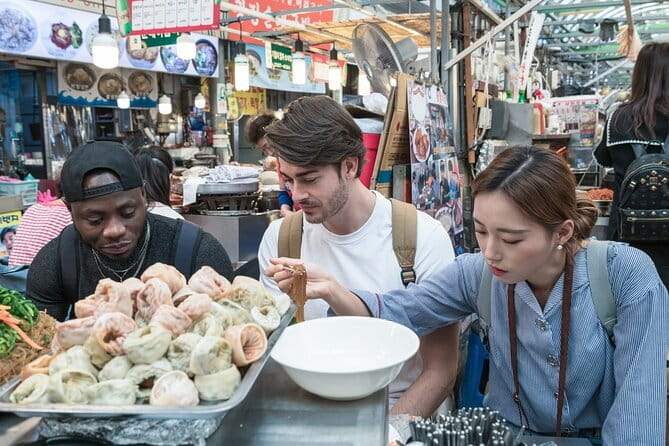
After the mountain, you head to Sokcho Tourist and Fishery Market, with about 1 hour and 15 minutes on site. This is not set up as a formal sit-down meal, it is set up for tasting. You can try street food, eat seafood, and browse what looks good without having to commit to one long meal.
I like this stop because it changes your pace. Seoraksan demands effort. The fish market asks for curiosity. You can eat something hot and simple, then walk off the calories and keep exploring.
The best guide moments here are practical ones. David Oh, for example, is praised for giving helpful suggestions about what to try in the market. That kind of input saves you from standing there hungry, reading menus you do not fully understand, and buying the first thing that looks familiar.
If you want to make the most of the time you have, set yourself a snack plan. Pick one hot street item and one seafood or seafood-style dish. Then leave room for a drink if you need it.
Sokcho Beach: a short sea-air reset before heading back to Seoul
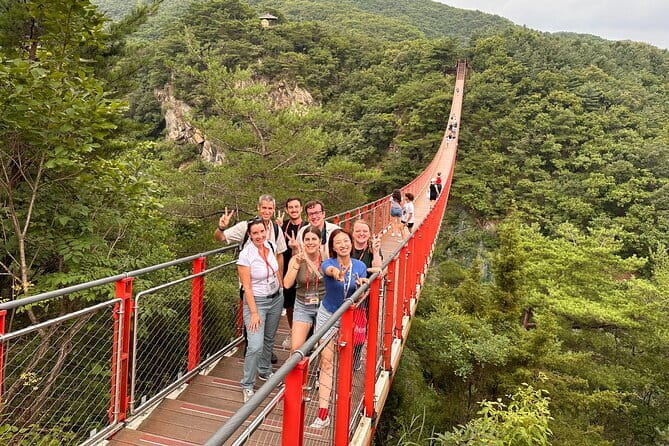
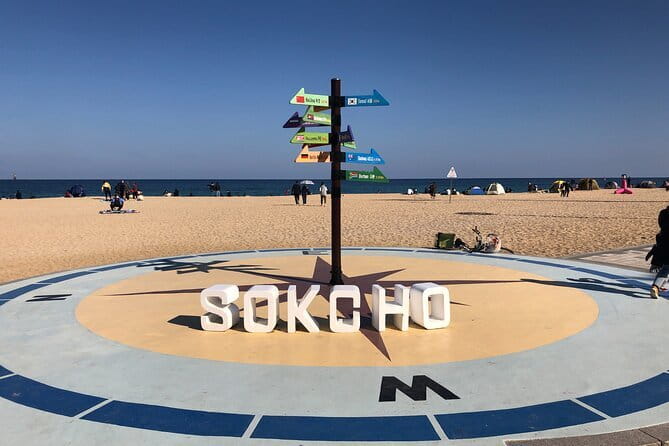
Next comes Sokcho Beach, with about 30 minutes. It is shorter than the other stops, but that is part of the design. You get a nature break and some sea air without turning the day into a slow beach day.
The beach area includes a park, flower path, and a pine forest trail. Even with limited time, you can walk enough to feel the change from mountain air to coastal air, and to get a few photos that look different from your Seoraksan shots.
If the weather is calm, this is a pleasant end cap. If it is rainy, expect the beach portion to feel more like a quick outdoor walk than a relaxing linger.
Rain and long-day logistics: how the experience really feels
This tour runs on good weather. If conditions are poor, the operator may offer a different date or a refund. That does not erase the reality of an outdoor mountain day, but it gives you a safety net.
Still, rain can change how the day feels even if the tour runs. One account described an intense rainy day and added a faster, more rushed pace between locations. I do not think that means the tour is poorly planned. It usually means time slips when you are moving between indoor and outdoor spaces, and when everyone slows down because they want to stay dry.
My practical advice is simple:
- Bring a compact rain layer, not just an umbrella
- Wear shoes that can handle wet ground
- Keep your expectations flexible, the goal is to hit the highlights, not to linger at every viewpoint
Group size, guide attention, and how to get the most from a 12-13 hour day
With a maximum of 100 travelers, you are not stuck with a tiny group, but you are also not in a mass tour situation that makes it impossible to hear your guide. The transfer vehicles are adjusted based on participant numbers, which helps keep the ride efficient.
The standout theme in the feedback is guide quality. People praised attentive service, clear explanations, and helpful routing advice. When you are short on time, this is not a small detail. A good guide helps you avoid dead ends, gives you context so the stops feel meaningful, and keeps the group moving at a workable pace.
Also remember that the day is long. You will do a lot of sitting on the van, then standing and walking in bursts. That means you should plan your clothing and snack strategy like you would for a long hike day, not like a casual museum afternoon.
Who should book this Seoraksan and Sokcho day trip
This tour fits best if you want:
- A fall foliage-focused day without planning transit or route timing yourself
- The Seoraksan highlights plus a coastal experience in one go
- An English-speaking guide to help you decide where to spend your limited time
- A structured itinerary that is easier than DIY in a place that can get crowded
It may be less ideal if you:
- Want a slow, leisurely trip where every stop is unhurried
- Are expecting a fully flexible schedule with no group movement
- Have mobility limits that make intermediate-level hiking uncomfortable, since Seoraksan requires proper footwear and includes walking time
If you are a first-timer in Korea who wants iconic stops in one day, this is a strong match. If you already know Korea well and want total freedom, you might prefer building your own route.
Should you book it? My take on the decision
I would book this if your top priority is maximizing autumn color and getting to Sokcho for real food and sea air without doing logistics math. The biggest reasons are the combination of guided transfers, practical guidance at the mountain and market, and the way the schedule is set up so you are not arriving to Seoraksan too late.
I would hesitate only if you are very sensitive to weather changes. Rain happens, and in a rainy day your time at each stop can feel tighter, especially when you are moving outdoors.
One last pointer: plan for the end drop-off. If you want to return to areas near Hongik Univ, take the note seriously and plan your subway connection from Dongdaemun Station. It is a small thing that can save you stress on a long day.
FAQ
How long is the tour from Seoul to Seoraksan and Sokcho?
The tour runs about 12 to 13 hours total, including travel time between stops.
Where do I meet the tour in Seoul?
You meet at one of two locations: Hongik Univ. Station Exit 8 or Myeongdong Station Exit 4.
What will I do at Seoraksan National Park?
You’ll enjoy fall scenery and have free time to walk or hike, and you may also take a cable car if you chose an option that includes it.
Is the cable car included?
The cable car ticket at Seoraksan is included only if you selected an option that includes it. If the cable car is not operated, the ticket fee is refunded in cash by the guide.
What happens at the Sokcho stops?
You visit the Sokcho Tourist Fish Market for street food and seafood, then you go to Sokcho Beach for a short nature break.
Where will I be dropped off when the tour returns to Seoul?
You can choose a drop-off at either Dongdaemun History & Culture Park Station or Myeongdong Station. The tour does not return to Hongik Univ. Station at the end.
What should I wear for Seoraksan?
You need proper footwear, because Seoraksan involves an intermediate level of hiking and walking.
More Markets in Seoul
More Shopping Tours in Seoul
More Tour Reviews in Seoul


Not for you? Here's more nearby things to do in Seoul we have reviewed


Seoraksan & Sokcho Day Trips from Seoul, compared.
 ★ 5.0Mt. Seorak+Nami Island+Garden of Morning Calm Day Trip from SeoulFrom $95959 reviews
 ★ 4.8Mt.Seorak, Nami Island & Korean Garden, No ShoppingFrom $95614 reviews
 ★ 4.7Gangwon-do Day Trip with Alpaca World & Nami IslandFrom $64581 reviews
 ★ 4.7Mt Seorak + Naksansa Temple or Nami Island Group TourFrom $68422 reviews
 ★ 5.0Full-Day Tour in Mt. Seorak & Nami (+Rail Bike Option)From $85186 reviews
 ★ 4.5Mount Seorak and Naksansa Temple One Day Tour from SeoulFrom $71167 reviews
 ★ 5.0[Premium Private Tour] Mt Seorak & East Sea or Nami island from SeoulFrom $25867 reviews
 ★ 4.5Mount Seorak and Nami Island One Day Tour from SeoulFrom $8048 reviews
Browse the lists this tour appears in