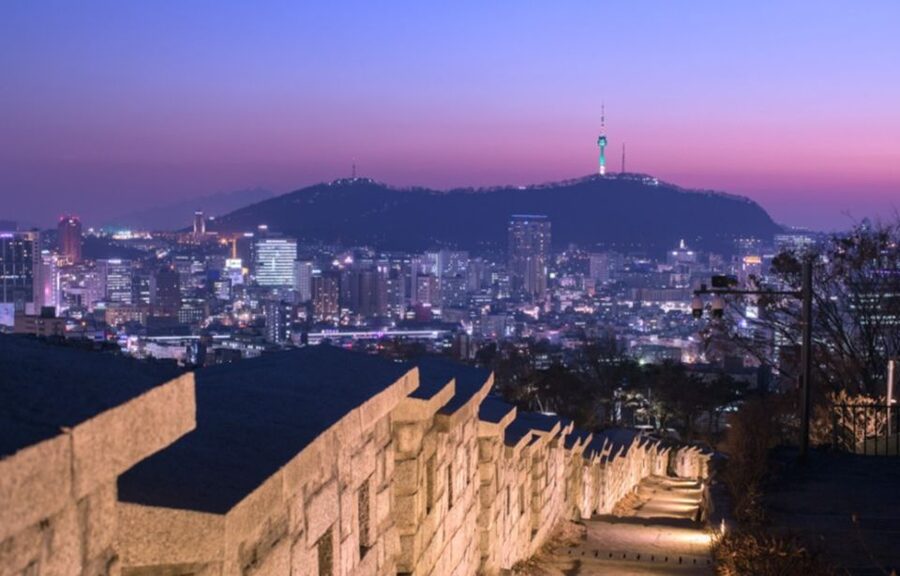
Discover Round Korea in 7days: All-Inclusive Experience

Reviewed · SEOUL

Discover Round Korea in 7days: All-Inclusive Experience

5.0 · 157 reviews From $1,970 Operated by Hanatour ITC (하나투어 아이티씨) · Bookable on Viator
Book on Viator →

A packed route, minus the hassle. This 7-day Korea trip is built to keep things smooth while you bounce between UNESCO sites, markets, temples, and big outdoor scenery. The program is intentionally low-stress, with no shopping and a focus on real places and real culture.

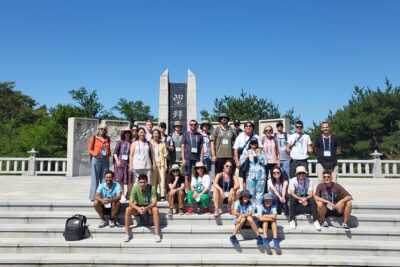
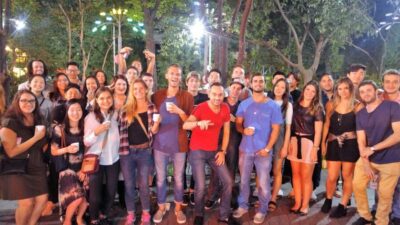
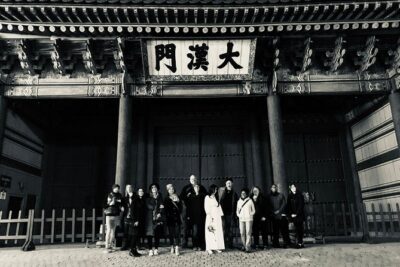
I particularly like that it is set up as a true all-in plan, with your guide handling the moves and the logistics, plus a stack of entrance fees already included. The vibe from the guide is a major highlight too, and one guest specifically praised guide Jay for being friendly, fun, and caring with a group of 16. The main thing to consider is pace: the days are full, and the tour asks for moderate physical fitness, plus there’s at least one wellness-facility stop that’s scheduled as part of the official itinerary.

Key things to know before you go

Discover Round Korea in 7days: All-Inclusive Experience - Key things to know before you go

  • All entrance fees included so you do not spend energy scanning ticket lines all day
  • No shopping stops, so the time goes toward sites, food, and scenery
  • Small group cap (35), which helps the whole day feel more organized
  • English-speaking guide with a track record of attentive service (including praise for Jay)
  • Nature and culture mix from tea fields and wetlands to royal tombs and mountain valleys

What Makes This “All-Inclusive” Korea Route Actually Worth It

If you like the idea of seeing a lot of Korea without turning your trip into a spreadsheet, this format makes sense. You get an organized flow across Seoul’s region and beyond, then you spend your time at stops rather than figuring out how to link them.

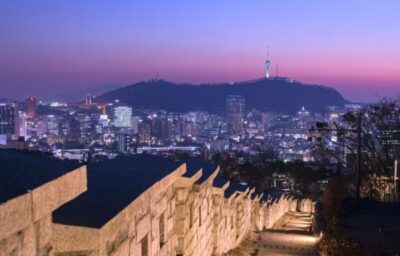
The biggest win for me is the way the day structure supports a relaxed mindset. Entrance fees, an air-conditioned vehicle, and guided visits are already bundled, so you can spend your attention on what you came for: the fortress views, the temple calm, the market buzz, and the mountain scale.

One more thing that matters: the tour is capped at 35 travelers. That does not make it a private tour, but it does usually mean less chaos at sites and fewer people to manage per day.

You can also read our reviews of more tours and experiences in Seoul.

Price and What You Really Get for $1,970

Discover Round Korea in 7days: All-Inclusive Experience - Price and What You Really Get for $1,970
At $1,970 per person, you are paying for the parts that usually balloon fast when you DIY: hotels for six nights, a guide, transportation, meals, and paid admissions. The tour includes 6 nights in twin or double rooms, an English-speaking guide (or driver-guide), and an A/C vehicle that varies by group size. It also includes a welcome kit.

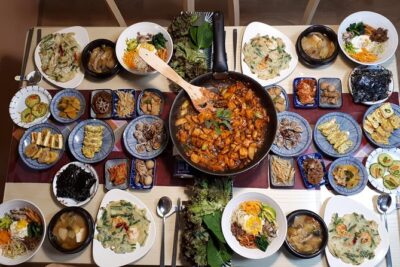
Meals are also included: 7 lunches, 6 breakfasts, and 6 dinners. Even if you like eating on your own, having most meals handled can be a real value move. It reduces decision fatigue, and it can help you stay on schedule without running from one place to another.

Then there is the museum and site time. This route leans hard into major cultural stops, including UNESCO listings and national heritage areas. When a tour includes admissions across that kind of mix, your day tends to feel more complete and less interrupted.

Seoul Start Point: AMID Hotel and an 8:00 AM Kickoff

Discover Round Korea in 7days: All-Inclusive Experience - Seoul Start Point: AMID Hotel and an 8:00 AM Kickoff
You start at AMID Hotel Seoul, located at 38 Insadong 5-gil in Jongno District. The tour begins at 8:00 am, and it ends back at the same meeting point.

This matters because it affects your hotel choice and your morning routine. If you want the simplest start, staying near the meeting point is smart. The tour even recommends Amid Hotel Seoul, which is a helpful hint that an easy first morning is part of their planning.

Also note the “mobile ticket” feature. You can expect less paper handling and smoother check-in at certain stops, which is one of those small things that adds up on a tight week.

Group Size, Guide Style, and Pace (What That Feels Like)

Discover Round Korea in 7days: All-Inclusive Experience - Group Size, Guide Style, and Pace (What That Feels Like)
This trip runs with a maximum of 35 travelers, and you have an English-speaking guide. That combination is good for practical questions, quick orientation at each site, and explanations that help you connect the dots between places.

Your pace is steady but not slow. The schedule includes multiple stops per day and several museums or heritage sites with set time windows. That is part of the trade-off for an all-in plan. If you like lots of variety and can handle long travel days, you will likely enjoy it. If you prefer unstructured days, you might feel the rhythm more than you expect.

Fitness-wise, the guidance is moderate physical fitness. That does not mean extreme hikes, but you should be comfortable with walking, stairs, and uneven ground at heritage locations and in outdoor areas.

Day 1 in Gongju: Fortress Views, King Muryeong, and a Museum Win

Discover Round Korea in 7days: All-Inclusive Experience - Day 1 in Gongju: Fortress Views, King Muryeong, and a Museum Win
Day 1 sets the tone with history you can see, touch, and read about without needing extra planning.

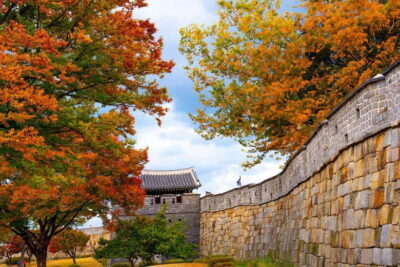
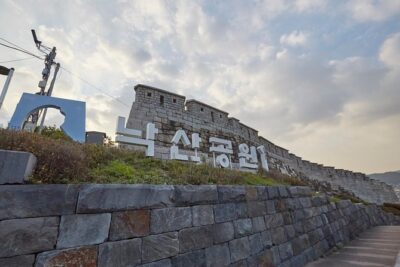
Gongju Gongsanseong Fortress (UNESCO World Heritage Site since 2015) is a hillside fortress. The charm here is the setting: you get a strong sense of how defenses and power sit in the terrain. Fortress visits are often less about one building and more about the panoramic context.

Next comes Songsan-ri Tombs and the Royal Tomb of King Muryeong. The key detail is the brick-built burial style, which stands out compared to what you might expect from other burial sites. You also get artifacts tied to the royal burial practices, which helps the story feel grounded rather than abstract.

Then you finish at Gongju National Museum, which houses around 10,000 cultural artifacts. This kind of museum stop acts like glue. When you move from tomb to artifacts to context, it helps you understand what you saw earlier and why it mattered.

If you are worried about a “museum overload” feeling, this day is actually well paced. You get a fortress, then a burial site, then the museum to connect the two.

Day 2 in Jeonju: Hanok Calm, Hanbok Fun, and Temple Tea

Discover Round Korea in 7days: All-Inclusive Experience - Day 2 in Jeonju: Hanok Calm, Hanbok Fun, and Temple Tea
Jeonju Hanok Village is the star of Day 2, but the best part is how it is structured.

You begin around the village with Gyeonggijeon Shrine, in the middle of the hanok area. The shrine includes a portrait of King Tae-jo, the founder of the Joseon Dynasty, and the setting inside a traditional village gives it a more lived-in feel than a standalone stop.

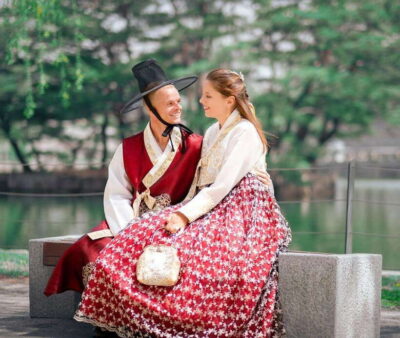
Then you do Hanboknam Hanok Village for a Hanbok experience. Hanbok time is not just for photos, it is also a quick way to slow down. The clothing changes how you move and how you notice details.

After that, you revisit Gyeonggijeon Shrine again in the flow of the day, then you travel to Baekyangsa Temple. The unique hook here is the chance to join a tea conversation with a Buddhist monk. Even if you do not understand every word, the pace and setting are the point. Tea time at a temple is one of the few cultural experiences that is naturally quiet and respectful.

A possible consideration for Day 2 is timing and energy. Jeonju’s hanok streets invite walking, and you will likely do a good amount of strolling. Wear comfortable shoes. Your feet will thank you.

Day 3: Boseong Tea Fields and Suncheon Bay Wetlands

Discover Round Korea in 7days: All-Inclusive Experience - Day 3: Boseong Tea Fields and Suncheon Bay Wetlands
Day 3 is nature-forward, with two very different types of scenery.

First, Boseong Green Tea Plantation (Daehan Dawon). This is described as the largest green tea field in Korea, and you walk through terraced rows of tea bushes. The views change with your position, and the best part is that tea fields give you a calmer kind of landscape time, not just a photo stop.

Then, after lunch, you head to Suncheon Bay Wetland Reserve. This coastal marshland is listed as one of the world’s top five wetlands and is home to more than 250 species. Wetlands can be tricky in photos, because they are subtle and atmospheric. In person, the variety is easier to notice, and the bird-and-water mix gives the area a living feel.

This day is a nice counterbalance if your first two days feel dense with heritage. It breaks things up with open air and slower movement.

Day 4 in Busan: UN Remembrance, Jagalchi Energy, and a Cable Car Ride

Discover Round Korea in 7days: All-Inclusive Experience - Day 4 in Busan: UN Remembrance, Jagalchi Energy, and a Cable Car Ride
Busan on Day 4 has range, and it is handled in a smart order.

You start at UN Memorial Cemetery, a solemn site dedicated to UN soldiers who lost their lives during the Korean War. The graves are arranged by nation, and the total count is noted as about 2,300 graves. If you like meaning in your travel, this is one of those stops that gives you context before you go back into the lively city.

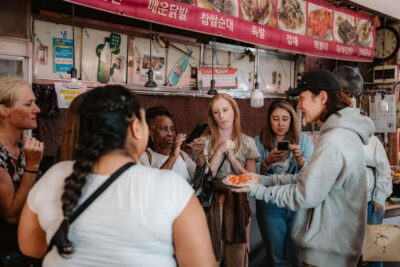
Next, you hit Jagalchi Market, Busan’s iconic fish market. This is the opposite mood: bright, noisy, and full of daily life. If you want a real “standing in the middle of local rhythms” moment, this is it.

Then you finish with Songdo Cable Car, roughly 1.6 km across the coastline. The key value here is the viewpoint. From above, you get a clean read of the coast and the built environment around it.

The main thing to consider with Day 4 is that it mixes heavy emotion and fast energy. Plan for it mentally. It can feel like whiplash if you skip breakfast or rush through stops.

Day 5: APEC House to Silla Icons in Gyeongju

Day 5 moves you from Busan to Gyeongju, Korea’s ancient capital for about a thousand years.

You begin at Nurimaru APEC House on Dongbaekseom Island. It is the 2005 APEC Summit venue, and you explore a modern glass-walled conference hall. Even if you are not into politics, the building is useful as a contrast. You go from maritime Korea to a landmark tied to modern global gatherings.

Then you go to Bulguksa Temple, a UNESCO World Heritage Site. Temple visits here are about scale and craftsmanship. You learn more when you slow down and let the guide connect what you’re seeing with its historical importance.

Next is Daereungwon Tomb Complex, known for royal burial mounds and precious relics, including elaborate gold crowns. Tomb complexes can be dry if you only view them like stone. With a guide, you usually get more story behind what you’re looking at.

After that, you spend time at Gyeongju National Museum, which highlights Silla-era masterpieces, including the iconic golden crowns. The museum is one of the best “return on time” stops on this route because you see the artifacts in context right after the tombs.

Finally, you close with Cheomseongdae Observatory, described as a beloved Gyeongju symbol. It is a classic structure for thinking about how people once used astronomy to understand seasons and the night sky.

This is a long day, so if you are prone to getting tired on museum-heavy itineraries, take small breaks when you can.

Day 6: Dessert-Making at Momyeongjae and Andong Hahoe Folk Village

Day 6 has one of the most fun, hands-on elements on the entire trip.

You start at Momyeongjae, at the Korean Traditional Culture Center, for an immersive Korean traditional dessert-making experience. The value here is not just taste. Making something yourself helps you remember the trip in a different way than a photo ever will. Even if you consider yourself a poor cook, a guided class is often easier than you expect.

Then you head to Andong Hahoe Folk Village, a UNESCO World Heritage Site. The village is described as one of Korea’s best-preserved traditional villages, with more than 600 years of history. The big idea is that it remains a living cultural landscape rather than a staged set.

If you like traditional villages, this stop feels more meaningful than quick photo moments. It also helps the week feel balanced: you started with ancient power and tombs, then you visited natural spaces, and now you are back to everyday historical living patterns.

The practical consideration: traditional village walking can be slower and sometimes uneven. Comfortable shoes matter again.

Day 7 in Seoraksan: Jujeongol Valley and Mountain Views

Your final day shifts to one of the biggest “wow” settings on the route.

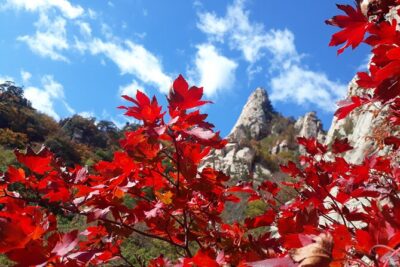
You make your way to Seoraksan National Park, and specifically Jujeongol Valley. The description emphasizes dramatic rock formations, soaring peaks, and crystal-clear streams. This is the type of nature stop that refreshes your sense of scale after days of built heritage.

The stop is listed as free admission and lasts about 2 hours. That time window is usually enough to enjoy the scenery and get a few real views without exhausting your energy right before the end.

Because this is an outdoor nature area, weather affects everything. The tour notes that the experience requires good weather, so keep that in mind if you book around rainy or stormy seasons.

What You Will Miss Without Shopping Stops

This tour is explicitly designed with no shopping. For some people, that is a blessing. You spend fewer hours going into stores you did not ask for, and you protect time for sites and meals.

For others, it means you will not have a built-in time slot for buying souvenirs. If you like shopping, plan to do it on your own at the start or end of the trip in Seoul, where you have more flexibility.

Practical Tips I’d Use on This Route

  • Pack for mixed weather and walking. You move between temples, markets, museums, and a national park.
  • Bring layers for outdoor parts. Even in Korea, temperature can shift through the day.
  • Plan for a full week rhythm. This is not a “spread out and wander” itinerary.
  • Use your guide time well. If you ask questions at museums and UNESCO sites, you get more out of each stop.
  • If you have a long day ahead, eat the included meal. Staying fueled helps you enjoy the heritage and nature without frustration.

Should You Book Discover Round Korea in 7 Days?

I think this is a strong pick if you want value you can feel, an itinerary that covers a lot of ground without making you manage every detail, and a guide-led experience that prioritizes heritage, food, and scenery over shopping.

Book it if you match the pace: you are okay with full days, comfortable walking, and you want a mix of history and outdoor views, from Gongju fortifications to Seoraksan mountain scenery. Skip it if you want long empty hours, lots of solo wandering time, or a mostly food-and-shopping itinerary.

Given the high overall rating and the specific praise for guide Jay being attentive and caring, this tour looks built for people who want their trip to run on rails while still feeling guided and human.

FAQ

Where does the tour start, and what time?

The tour starts at AMID Hotel Seoul, 38 Insadong 5-gil, Jongno District, Seoul, South Korea. The start time is 8:00 am.

How long is the tour, and where does it end?

The tour lasts about 7 days. It ends back at the same meeting point (AMID Hotel Seoul).

What’s included in the tour price?

The price includes all entrance fees during the tour, an air-conditioned vehicle, 6 nights of accommodation in twin or double rooms, an English-speaking guide (or driver-guide), and meals (7 lunches, 6 breakfasts, 6 dinners). A special welcome kit is also included.

Are there shopping stops in the program?

No. The program is described as having no shopping.

What level of physical fitness do I need?

The tour requests a moderate physical fitness level, since the schedule includes walking and outdoor sightseeing.

What is the maximum group size?

The maximum group size is 35 travelers.

When can I cancel for a full refund?

You can cancel up to 6 days in advance for a full refund. For a full refund, you must cancel at least 6 full days before the experience’s start time.