365-day DMZ Special Tour including Monday & Public Holiday

Reviewed · DMZ DAY TOURS FROM SEOUL

365-day DMZ Special Tour including Monday & Public Holiday

5.0 · 198 reviews From $59 Operated by Seoul N Tour · Bookable on Viator
Book on Viator →

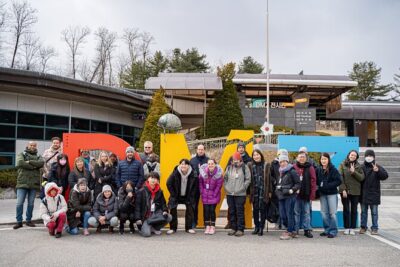
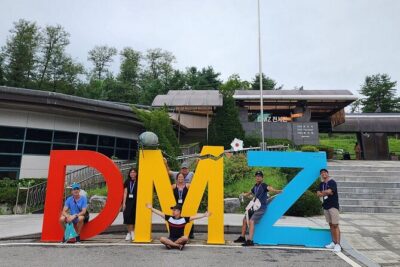
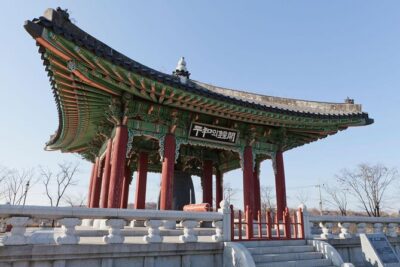
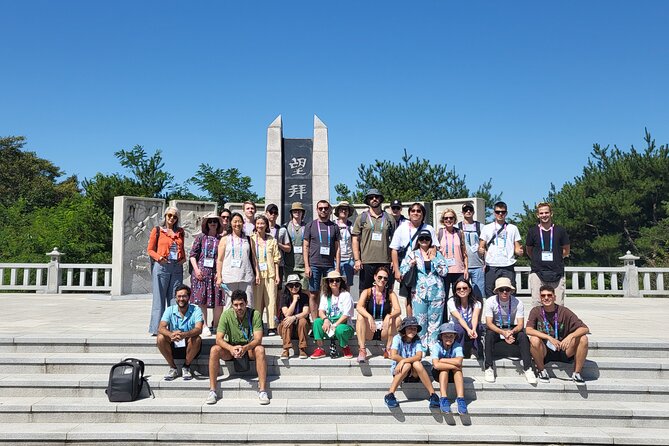
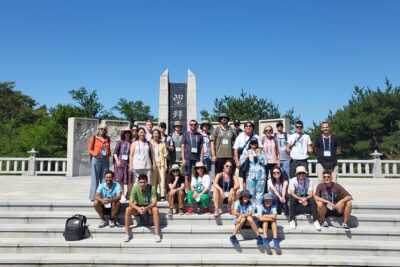
Seeing the Korean DMZ in person makes the war feel less like a chapter and more like a wall you can photograph. This 9-hour tour runs from central Seoul with pickup, a guide in English, and hands-on stops like Imjingak’s Freedom Bridge area and the big tunnel and observatory viewpoints.

I love two things most. First, the guide style, often with standout personalities like Sookhee and Young, who keep the day moving and explain what you are looking at. Second, you get a real mix of places, not just one “DMZ photo stop,” including wartime memorials and the border-looking observatory sites.

One consideration: timing is tight at each stop, and some parts are physically demanding. Add in the real-world risk of security changes, and you should go in with flexible expectations for what is open that day.

Key things I’d circle on your plan

365-day DMZ Special Tour including Monday & Public Holiday - Key things I’d circle on your plan

  • Pickup from Seoul subway areas and a drop-off back near City Hall, so you do not have to fight transit and schedules alone
  • Two different itineraries: Monday and holidays use a different route than Tuesday through Sunday
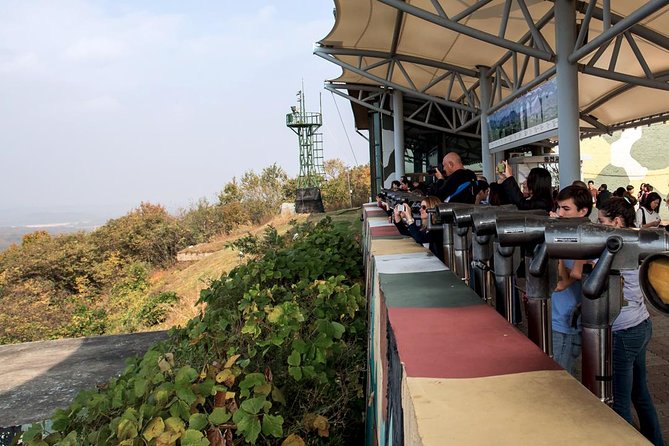
  • Border viewpoints from observatories such as Dora (and the Doha viewpoint mention), so you can actually see across the line
  • Imjingak Pyeonghoa-Nuri Park plus the North Korea Experience Hall for context before you go deeper
  • Third Tunnel and Dorasan area stops on Tue to Sun, which can be tiring but are among the most memorable sights
  • Backup options if the DMZ or specific sites close due to weather or restrictions

A full-day DMZ tour that starts with context, not just photos

365-day DMZ Special Tour including Monday & Public Holiday - A full-day DMZ tour that starts with context, not just photos
The DMZ is only about an hour from Seoul, but doing it well without your own car is the hard part. This tour solves that with early pickup from Seoul subway locations, comfortable group transport, and a guide who keeps the story connected as you move between sites.

The value is that you do not just get landmarks. You get the “why” behind them. You start around Imjingak, a place shaped by refugees and division. Then you move outward to wartime remnants and memorials, and finally to observatory stops meant for border views. That flow matters because the DMZ can feel like random points on a map if you show up cold.

Also, the tone tends to be practical. Guides like Sookhee, Young, and Roy (all names that come up in guide praise) are praised for being organized and often funny. That does not erase the heavy subject, but it makes the day easier to digest. You will still feel the weight of it, because that is the point. The good news is you will understand more by the time you leave.

You can also read our reviews of more tours and experiences in Seoul.

Timing, pickup, group size, and what the $59 actually buys

365-day DMZ Special Tour including Monday & Public Holiday - Timing, pickup, group size, and what the $59 actually buys
This is a full-day outing, about 9 hours, ending around 3:30pm back in the City Hall area. The route uses pickup from limited slots at Seoul subway stations, and the tour starts near City Hall Station. It also uses a mobile ticket, which helps on tour day.

Price is $59 per person. That is not a premium-price “big bus only” experience. You are paying for the guide, the transportation, and key paid admissions where needed. The Third Tunnel admission is included, and many other stops are free admissions. Lunch is not included, and that is worth planning for, especially if you go on a Monday when options can be limited.

Group size is capped at 40 travelers, and there is a minimum of 5 participants. In practice, that means you get a manageable crowd, and a guide can still keep everyone on schedule. Still, do not expect private attention at every photo moment. You will move as a group, and you should be ready for a quick pace.

One small but important tip: the tour departs in time from each meeting point, so be there about 10 minutes early. This is one of those tours where being late can ripple through the whole day.

Monday and public holidays: gondola, observatories, Gloucester Hill, and Heroes bridge

The Monday route has a different feel because the Third Tunnel is not on the usual schedule. Instead, you focus more on the Imjingak area, a gondola ride, and major memorial and viewpoint stops.

On Mondays and public holidays, you start at Imjingak Peace Nuri Park, then go to the DMZ Peace Gondola. The gondola portion is a big deal for a lot of people because it changes the physical experience of the day. Instead of only walking and hiking up and down, you get a more relaxed way to take in the river area and the division-focused setting.

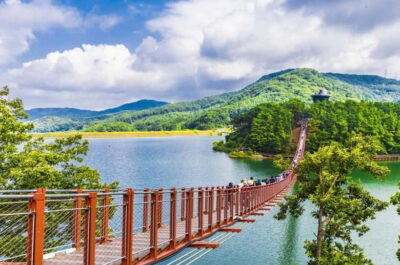
Next come viewpoint and memorial stops, typically including Jangsan Natural Observatory or Odusan Unification Observatory, then Gloucester Hill Memorial Park, and finally the Heroes Suspension Bridge (also referred to as a Gamaksan heroes bridge in the tour notes). This sequence matters because it mixes perspective with symbolism. Observatories help you “place” what you are hearing, and the memorials ground the story in specific wartime sites.

If weather or security shuts parts of the route, you may get replacements like visiting the War Memorial of Korea or swapping which observatory stop you do. That is how the day protects the core goals: context, views, and meaningful stops.

Practical Monday tip from real tour experience: pack a snack plan. One guest advice that fits the pattern of Mondays is that lunch options can be limited, so having something simple with you can save stress.

Tuesday to Sunday: Imjingak, the Third Tunnel, Dorasan views, and Unification Village

365-day DMZ Special Tour including Monday & Public Holiday - Tuesday to Sunday: Imjingak, the Third Tunnel, Dorasan views, and Unification Village
From Tuesday through Sunday, the tour leans into the mechanical and dramatic side of the DMZ, especially the Third Infiltration Tunnel.

You begin at Imjingak Peace Nuri Park and usually stop at the North Korea Experience Hall. That hour matters because it gives you a structured way to think about what you are about to see. It is also a good break from the early drive and helps set expectations before you hit the most intense sites.

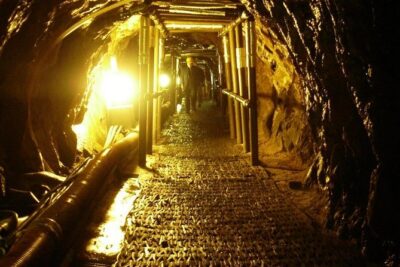
Then comes the star: the Third Tunnel, visited Tuesday to Sunday. This tunnel was discovered in 1978 and was built with the aim of invading South Korea. It runs 1,635 meters in length, and it is physically demanding enough that the tour flags heart conditions and pregnancy as reasons to avoid it. If you are sensitive to cramped spaces or exertion, this is the part to evaluate most carefully.

After the tunnel, you shift to the Dorasan Peace Park area for a theater or exhibition stop, and then you reach the viewpoint part of the day with Dora Observatory. That is where the day transitions from “history you learn” to “seeing the border in front of your eyes.” The tour description also references a Doha Observatory viewpoint for looking across the border into North Korea. In the context of your day, you are aiming for the observatory time so you can get that visual reference.

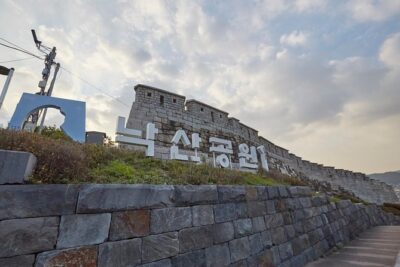
The finish on Tue to Sun includes the Unification Village area (Tongilchon Village). This sits within the Civilian Control Zone, not shown on most maps, and it is treated as a special glimpse into life in that controlled border area. You may also see references to what is grown there, like Jangdan soybeans, which is a reminder that this is not only trenches and concrete. It is also the everyday human scale of a divided place.

Where you get the border view: Dora (and the Doha viewpoint mention)

365-day DMZ Special Tour including Monday & Public Holiday - Where you get the border view: Dora (and the Doha viewpoint mention)
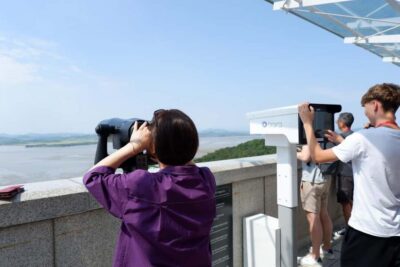
If you care about seeing something across the border, put your energy into the observatory stops. The tour highlights both Dora Observatory and a Doha Observatory mention in the description.

Either way, the key idea is the same: you are going up to a viewpoint on the border side and looking toward North Korea. That works best when visibility is good. If it is foggy or the day is gray, you might not get the crisp visual you hoped for. The tour does include videos and other learning materials to keep the experience meaningful even when sightlines are limited.

This is also why weather planning matters. The DMZ is a real military zone, and security conditions can affect what is accessible. If observatories or specific memorials close due to weather like rain or snow, you are rerouted to other sites such as Odusan Unification Observatory or the War Memorial of Korea. It is not the same as an ideal clear day, but it keeps you from losing the entire core of the trip.

My practical suggestion: dress for cold mornings and prepared-for-cold afternoons. Even if Seoul feels mild, the DMZ region can feel colder when you are standing outdoors for viewpoints and memorial stops.

Wartime memorials and tunnel sites: powerful, but pace is fast

365-day DMZ Special Tour including Monday & Public Holiday - Wartime memorials and tunnel sites: powerful, but pace is fast
The DMZ day can feel emotionally heavy. You are looking at division that has lasted for generations. The tour handles this by mixing memorials and viewpoints with guided explanation, so you are not just staring at monuments and trying to guess the story.

Two kinds of stops tend to hit hardest.

First are the tunnel and infiltration sites. The Third Tunnel is physically demanding and is the tour’s clearest “you must be ready” moment. Short periods of walking plus exertion inside a confined structure can be tough. If you have medical limits, follow the tour warning. Do not tough it out for pride.

Second are the memorial and suspension bridge stops. On Mondays and holidays, Gloucester Hill Memorial Park and the Heroes Suspension Bridge are framed as tied to specific wartime context, including a British Army Gloucester Hill connection. The bridge stop is also flagged as physically demanding in the tour notes, and closures can happen with poor weather.

The honest tradeoff: time at each location can be limited. Several tour experiences describe limited time per stop and quick transitions. That means you should not plan to linger for long solo photo sessions. Go in knowing this is a structured day, not a slow museum crawl.

Backup plans when the DMZ changes the rules

365-day DMZ Special Tour including Monday & Public Holiday - Backup plans when the DMZ changes the rules
This tour is built around a place that can change access quickly. The DMZ is a military zone, and security restrictions can close sites suddenly. The tour notes make it clear that the itinerary can be adjusted without prior notice, and refunds are not provided if the DMZ is suddenly closed. That sounds scary, but it is also reality when you travel to sensitive areas.

What you can count on is the tour’s habit of swapping to close alternatives when access fails. For example, if Gloster Hill Memorial Park and the Heroes Suspension Bridge close due to weather or restrictions, you might visit Odusan Unification Observatory or the War Memorial of Korea instead.

If it is Monday and the Third Tunnel is not available, the tour uses the Monday route, including the gondola and observatories. That flexibility is one of the reasons this option works well for people who can only travel on Mondays or public holidays when many other DMZ attractions are closed.

Who this tour suits best, and who should think twice

365-day DMZ Special Tour including Monday & Public Holiday - Who this tour suits best, and who should think twice
This is a good fit if you want structure. You do not have to plan transit, you get a guide who connects the sights, and you cover the major themes: refugees and division at Imjingak, tunnel wartime realities, observatory border viewing, and memorial symbolism.

It also works well if you like “learn while you move.” The pace is quick, but the day is designed to keep you learning, not just sightseeing.

You should think twice if any of the following apply:

  • You cannot handle physical exertion or confined spaces, since the Third Tunnel and bridge areas are flagged as demanding
  • You are sensitive to cold outdoor standing, since viewpoint and memorial stops rely on weather
  • You want a slow, unhurried experience with long stop times

If you go, do it with a realistic mindset. The goal is to see the DMZ’s main points and understand them, not to spend all day at one viewpoint.

Should you book this 365-Day DMZ Special Tour?

I think this tour is worth booking if you value a guided day that saves you from DMZ logistics headaches. At $59, you get transport from Seoul, an English-speaking guide, included admission for the Third Tunnel, and many free sites. The alternative Monday and holiday routing makes it especially useful when many other DMZ options are limited.

Book it if you like clear, story-based touring with a guide who keeps the mood manageable. The fact that guides like Sookhee and Young are repeatedly praised for being organized and entertaining is a strong signal that you will not feel lost at the stops.

Skip it only if you know you cannot handle the physically demanding parts, or if you are the type who needs guaranteed access to every single site. The DMZ can change in a hurry, and you have to accept that the tour will adjust on the ground.

If you want the DMZ done in one solid, practical day, this is one of the easier ways to make it happen.

FAQ

How long is the 365-day DMZ Special Tour?

The tour runs about 9 hours, with the return drop-off around 3:30pm.

Where do I meet, and where do I get dropped off?

Pickup is from limited options at Seoul subway stations. The tour starts at City Hall Station and ends back around City Hall Station.

Is lunch included?

No. Lunch is not included, and food and drinks are also not included.

What’s included in the ticket price?

You get a professional English-speaking guide and pickup. The Third Tunnel admission is included, while many other stops list free admission.

Does the itinerary differ on Mondays and public holidays?

Yes. On Mondays and national holidays, the route focuses on Imjingak Peace Nuri Park, the DMZ Peace Gondola, then Jangsan Natural Observatory or Odusan Unification Observatory, followed by Gloster Hill Memorial Park and the Heroes Suspension Bridge.

Is the Third Tunnel visited every day?

No. The Third Tunnel is listed for Tuesday to Sunday visits. For Mondays and national holidays, the itinerary uses alternate stops.

Where do you get a chance to look across the border toward North Korea?

You get border viewing from the observatory stops listed in the tour, including Doha Observatory/Doha mention and Dora Observatory on the route.

How big is the group?

The tour has a maximum of 40 travelers, and it requires at least 5 participants to operate.

Does it run every single day of the year?

No. It does not operate on regular safety inspection days, listed as the first Monday of March, June, September, and December.

What happens if the DMZ closes or weather affects access?

If weather is poor, you will be offered a different date or a full refund. If the DMZ is suddenly closed or security restrictions happen, the itinerary may be adjusted without prior notice, and refunds are not provided in those cases.