Reviewed · DMZ DAY TOURS FROM SEOUL
DMZ Tour, 2nd Tunnel & UNESCO Suspension Bridge Tour from Seoul
A bunker tunnel 3.5 km long changes your perspective fast. This Seoul DMZ day trip pairs a close look at the 2nd Tunnel with a scenic break at the Hantangang Sky Bridge, and you get clear context from your professional English-speaking guide, often praised as Leo.
I especially like that the itinerary mixes heavy geopolitics with outdoor time, including a cliffside walk area and nearby viewpoints. One possible drawback is the pace, it runs 11 to 13 hours and needs a moderate fitness level, plus it depends on good weather.
Key Highlights I Think You Should Know

- 500m of the 2nd Tunnel is open to explore, with a documented depth and scale that makes it feel real fast
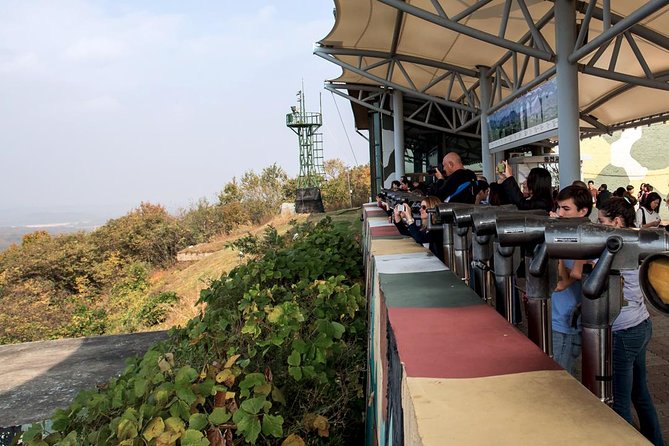
- DMZ viewpoint stops include the Cheorwon Peace Observatory and Woljeong-ri station area
- Hantangang Sky Bridge connects pop culture to place, with Crash Landing on You noted for the bridge
- Bidulginang Waterfalls are a quick palate cleanser, named for doves that nested in a cave behind the falls
- Leo as a guide is repeatedly singled out for being friendly and informative
- A small adventure inside a long day, the structure keeps moving but still gives short breaks
DMZ Day Trip Basics From Myeong-dong Station
This tour is built for a full, packed day, starting at 7:00 am from Myeong-dong Station and ending back at Myeong-dong. Expect a total duration of 11 to 13 hours, with round-trip driving time by vehicle around 4 to 5 hours included in that total. You’re also capped at a group size of up to 80 people, and there are group discounts, which helps value if you’re traveling with friends.
The basics are simple: you get hotel pick-up, a clean air-conditioned vehicle, and a professional English-speaking guide. There’s no shopping stop built in, and lunch is not included, so plan to handle food on your own or follow the guide’s suggestions during the day.
One more practical note: this experience runs only when conditions are right. It requires good weather, and the provider can offer a different date or a full refund if it’s canceled for weather. It also needs a minimum of 2 people to operate, so booking early helps if you’re traveling solo.
You can also read our reviews of more tours and experiences in Seoul.
Why the 2nd Tunnel Visit Feels So Immediate

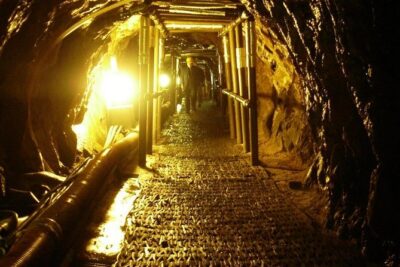
The 2nd Tunnel is the main event, and it’s hard to treat it like a museum piece because the facts are so specific. The tunnel was discovered in the DMZ area about 13 km north of Cheorwon on March 19, 1975, and it’s described as being built to allow infiltration at a scale that includes troops and even heavier equipment. The tunnel runs roughly 3.5 km long and sits 50 to 160 meters underground.
Here’s what you can actually experience: you’re able to explore about 500 meters of the tunnel. That access limit matters. You still get the feeling of depth and confinement, without turning the stop into a long endurance test. The tunnel’s key dimensions are also stated, an arch of rocks with about 2.1 m width and 2 m height. In plain terms, you’ll want to move carefully and watch your footing in a space that’s not designed for comfort.
What really makes this stop more than just “go inside a tunnel” is the geology story around it. You’ll hear that the granites were formed about 110 million years ago, later covered by basalt lava flow, and then eroded. That combination is part of why you can notice uneven natural features and a sense that the tunnel sits within a living, changing environment rather than only a man-made corridor.
You’ll also get to connect that tunnel visit to the surface views around the DMZ. The route includes areas where you can look toward South Korean guard posts and general out posts, and toward North Korean positions named Naktagoji and Kim Il-sung goji. Even if you don’t love military history, those named landmarks help your brain map what you’re seeing.
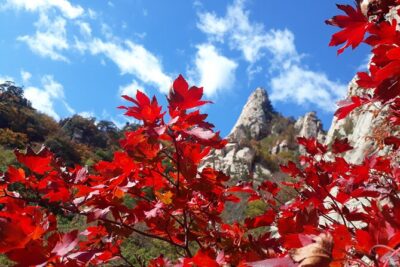
And if the tunnel itself is the intensity, the outer walk is the reset. The information provided for this area mentions a cliffside path around 30 to 40 meters high and columnar jointing, tied to a UNESCO Global Geopark area with stated dimensions (3.6 km length and 1.5 m width in the provided description). Even without perfect geology knowledge, it helps to have those cues, because you start noticing shapes and structure instead of just walking through scenery.
Korean Workers’ Party Headquarters, a Short Stop With Big Context

Before the tunnel, the tour stops at the Korean Workers’ Party Headquarters. The origins here are described as unclear, with records indicating it was built in early 1946, before the Workers’ Party of North Korea was officially established. The stop is about 30 minutes, and admission is free for this segment.
Why include something like this? Because the DMZ isn’t just a border line. It’s tied to decisions made early in the post-war period, and brief stops like this help you understand that this region is shaped by institutions, not only geography. If you’re the type who likes a quick orientation before the main site, you’ll probably appreciate this pacing.
The downside is also obvious: it’s short. If you’re hoping for a slow, in-depth museum-style visit, this isn’t that day. But as a lead-in to the tunnel and observatory, it helps set the tone.
Cheorwon Peace Observatory, Built for Watching and Learning

Next up is the Cheorwon Peace Observatory, a stop about 1 hour with admission included. It’s described as a three-story facility plus a basement, opened in November 2007. The first floor is an exhibition hall, and the second floor is an observatory.
The key value here is that you’re not just looking at distant fences and thinking, now what. The observatory format nudges you to slow down and focus. The provided description says you can observe the ecosystem and areas related to fortress structures in the region. In other words, you get a chance to connect human conflict with the land itself, and the building layout makes that easier.
A practical consideration: observatory spaces often involve waiting for your turn or keeping your eyes on the guide. If you’re someone who likes quiet solo looking time, you might feel the group rhythm. Still, the structure of the stop tends to make it clearer than trying to figure out viewpoints on your own.
Woljeongri Station and the Iron Triangle Battlefield Stop

The next stop is Woljeongri Station, also connected to the Iron Triangle Battlefield. It’s described as the last stop before reaching the DMZ. You’ll have about 30 minutes, and admission is free.
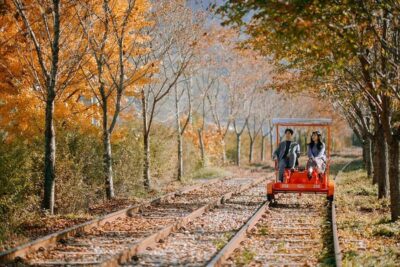
The details that make this worth it are simple but vivid. There’s a sign that reads The iron horse wants to run again, and the site includes remains of a train that was used for frequent trips, shown with that dramatic sign message. That combination of a literal remnant plus a symbolic message is a good reminder that infrastructure shaped movement and strategy here.
Is it heavy? Yes. But it’s also brief. For a long day, this is a good length, enough time to see and understand, not enough time to burn out.
Hantangang Sky Bridge, a Short Scenic Break With a Pop-Culture Link

After the DMZ area stops, the tour shifts tone with a stop focused on scenery: Hantangang Tour and the Sky Bridge. This segment runs about 30 minutes, and admission is free.
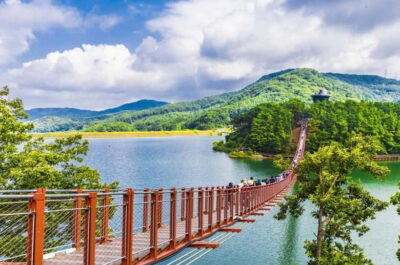
The bridge is identified as the suspension bridge featured in the drama Crash Landing on You, and you also get views tied to Hantangang Geopark. Even if you are not a drama fan, this stop gives you a breather from intense borders and fortifications. Think of it as a change of pace: short time outside, framed views, and a chance to take photos without feeling like you’re rushing through history.
The tradeoff is time. Thirty minutes is quick, so don’t expect a long walk along the entire area. Go in ready to work fast: get your bearings, capture a few angles, and enjoy the air while you can.
Bidulginang Waterfalls for a Quick Reset

The final stop is Bidulginang Waterfalls, around 20 minutes, admission free. The provided explanation for the name is one of those small details that makes a short stop better. Bidulginang is said to come from a Korean word meaning nest, inspired by the idea of hundreds of white doves that once nested in a cave behind the waterfall.
That story matters because it turns a quick photo stop into something you can actually picture. You’re standing near water, but now you also imagine past wildlife behavior and the cave setting behind it. For a day that starts with tunnels and ends with waterfalls, this little myth plus nature contrast is a smart way to close the loop.
Price and Value: Is $87 Fair for This Seoul DMZ Route?

At $87 per person, this is priced for a full-day guided route rather than a cheap self-guided day. On the value side, you get a lot bundled together: hotel pick-up, air-conditioned vehicle, and a professional English-speaking guide. You also have taxes, fees, and handling charges included, which prevents the usual budget-trip surprise fees.
The biggest value question is whether you’re getting access. You are: admission is included for the 2nd Tunnel and the Cheorwon Peace Observatory, and you’re still stopping at other sites where admission is listed as free. That matters because DMZ-adjacent experiences often stack multiple ticket costs if you book separately.
Where the value becomes personal is in how you handle the long day. With an 11 to 13 hour schedule and a moderate fitness requirement, this is best when you want a structured day and don’t mind moving from stop to stop. If you only want one major attraction, this might feel like too much. But if you want the full arc from tunnel to viewpoints to bridge and waterfalls, the price starts looking more reasonable.
Your Guide Matters, and Leo’s Name Comes Up for a Reason
The strongest theme in the feedback you provided is about the guide experience. Leo is repeatedly praised as the difference-maker, described as fantastic, friendly, and informative. That lines up with what makes a DMZ day work: you need context, and you need someone who can keep the group organized and calm in busy, sensitive environments.
One review also mentions Leo taking the group to a local restaurant for lunch, described as one of the best Korean meals of the trip. Even though lunch is not included in the tour price, this detail is useful for you. It suggests that you should be ready to ask the guide what option makes sense for timing and taste, especially if you don’t want to guess your way through food while everyone else is moving.
If you’re picky about language accuracy or want a guide who can explain what you’re seeing instead of just moving you along, focus on the guide experience. In this kind of day, that’s where the tour stops being only sightseeing and starts feeling like a coherent story.
What to Pack and How to Pace Yourself
This tour calls for moderate physical fitness. That’s not a throwaway line. The schedule includes a tunnel segment where you’ll be inside a structure with limited height, plus an outdoor area tied to cliffside paths mentioned around 30 to 40 meters high. Even if walking is not long, it can feel steep or uneven depending on conditions.
Here’s how to make it easier on yourself, based on what’s described:
- Wear comfortable shoes with grip, since you might be walking outdoors and on uneven ground
- Bring a light layer, because you can go from indoor spaces to outdoor viewing quickly
- Plan to hydrate, especially because the day is long and the tour is weather-dependent
- Keep your daypack small and easy to manage, since you’re moving between multiple stops
Also, the tour requires good weather. If you book and it becomes a weather problem, the provider should offer a different date or a full refund. That’s not just a policy line. It’s a practical reminder to bring patience, because schedules can shift to protect the experience.
Should You Book This DMZ and Suspension Bridge Tour?
I’d recommend booking if you want a single, organized day that covers the DMZ story at multiple scales: underground passage, observatory viewing, a battlefield-themed station stop, and then a scenic reset with the Hantangang Sky Bridge and Bidulginang Waterfalls. The 2nd Tunnel access to about 500 meters plus viewpoint stops makes it more than a one-note border tour.
I would hesitate if you’re not comfortable with long, structured days or if you prefer to travel at your own pace without a tight sequence of stops. The schedule is full, and the physical requirements are listed as moderate for a reason. If you need lots of downtime, this route may feel like too much.
If you do book, lean into what makes it work: go in ready to learn, listen carefully to the guide (Leo is a strong signal here), and treat the tunnel and observatory segments as your main priority. Then let the bridge and waterfalls do their job as recovery stops before the ride back to Myeong-dong.
FAQ
What time does the tour start, and where do I meet it?
The tour starts at 7:00 am at Myeong-dong Station in Seoul, South Korea.
How long is the tour?
The total duration is 11 to 13 hours, including round-trip travel time by vehicle.
Is hotel pick-up included?
Yes. Hotel pick-up is included, and the tour starts and ends at Myeong-dong Station.
What does the price include?
The price includes a professional English-speaking guide, hotel pick-up, all taxes, fees, and handling charges, and an air-conditioned vehicle. Admission tickets are included for the 2nd Tunnel and Cheorwon Peace Observatory.
Is lunch included?
No. Lunch is not included.
How much of the 2nd Tunnel can you explore?
You can explore 500 meters of the 2nd Tunnel.
Is shopping included on this tour?
No. No shopping is included.
Is the tour physically demanding?
The tour requires moderate physical fitness.
What happens if the weather is bad?
This experience requires good weather. If it’s canceled due to poor weather, you’ll be offered a different date or a full refund.
What is the cancellation policy?
You can cancel for a full refund up to 24 hours before the experience’s start time. If you cancel less than 24 hours before, the amount paid is not refunded.
More Tours in Seoul
More Tour Reviews in Seoul
Not for you? Here's more nearby things to do in Seoul we have reviewed
DMZ Day Tours from Seoul, compared.
★ 5.0Best DMZ Tour Korea from Seoul (Red Suspension Bridge Optional)From $2941,422 reviews
★ 5.0DMZ Tour: 3rd Tunnel, Option(Suspension Bridge, Boat) from SeoulFrom $3521,373 reviews
★ 5.0DMZ tour south Korea from Seoul (NK experience hall, defector)From $2620,599 reviews
★ 4.9DMZ Insider Tour: 3rd Tunnel, NK Defector Meet & Red BridgeFrom $5015,214 reviews
★ 4.8DMZ Tour with Optional Suspension BridgeFrom $455,277 reviews
★ 5.0Signature DMZ Tour: Exclusive Defector Talk & Suspension BridgeFrom $274,459 reviews
★ 5.0Thrilling Korean DMZ 3rd Tunnel Tour from Seoul + Red Bridge RushFrom $353,097 reviews
★ 5.0DMZ Past and Present: Korean Demilitarized Zone Tour from SeoulFrom $372,481 reviews
Browse the lists this tour appears in