
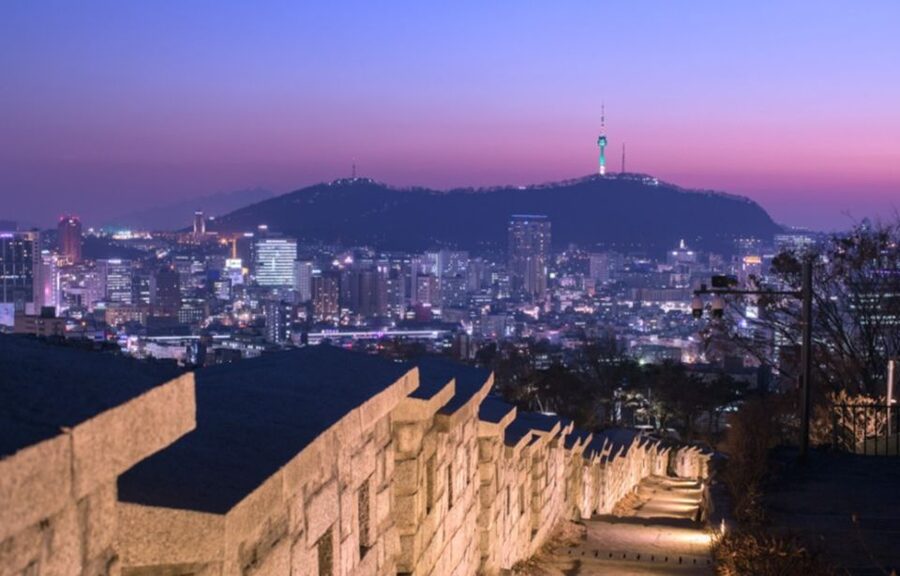
Palace stone, market steam, city lights.
Royal courtyards, Gwangjang tastings, moonlit wall walks and the long day north to the DMZ — what each booking includes, what it costs and where it fits.
Seven Seoul bookings that carry a trip.
Start with a palace-and-market day, add one evening on foot, then choose the day trip that matches your pace. These are the strongest openings in the current catalogue.
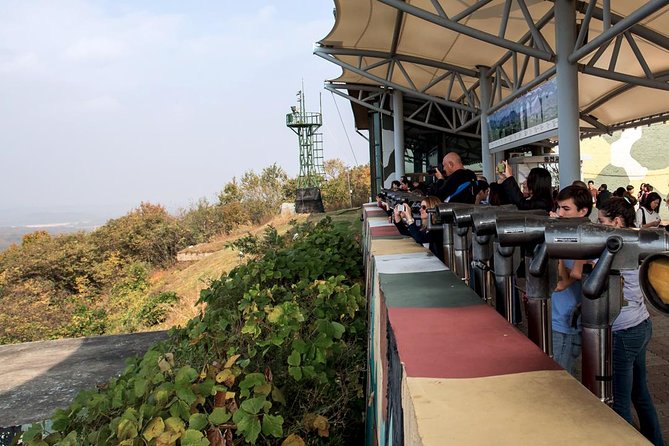
DMZ Tour: 3rd Tunnel, Option(Suspension Bridge, Boat) from Seoul
DMZ Seoul tour to the 3rd Tunnel and Dora Observatory, with optional suspension bridges or an Imjin River boat ride, plus easy transfers.
From $35 per person
Read the review →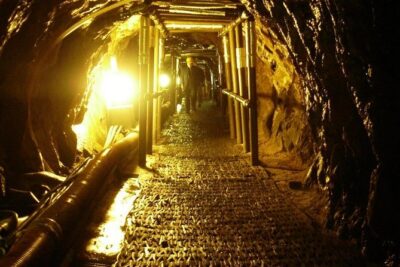 ★ 5.0Strong first pickDMZ tour south Korea from Seoul (NK experience hall, defector)From $2620,599 reviews
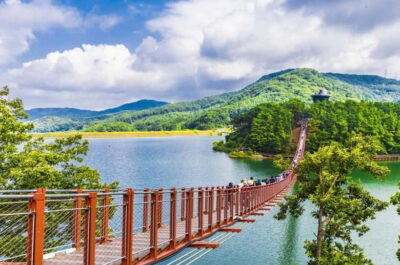 ★ 4.9Books out earlyDMZ Insider Tour: 3rd Tunnel, NK Defector Meet & Red BridgeFrom $5015,214 reviews
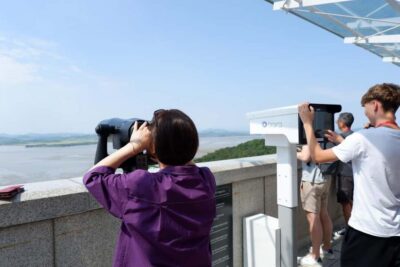 ★ 4.8Crowd favouriteDMZ Tour with Optional Suspension BridgeFrom $455,277 reviews
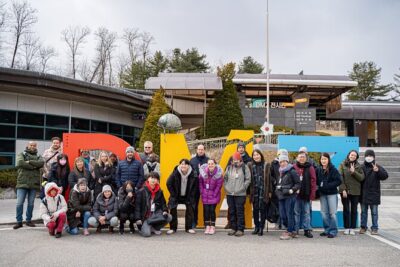 ★ 5.0Worth the detourSignature DMZ Tour: Exclusive Defector Talk & Suspension BridgeFrom $274,459 reviews
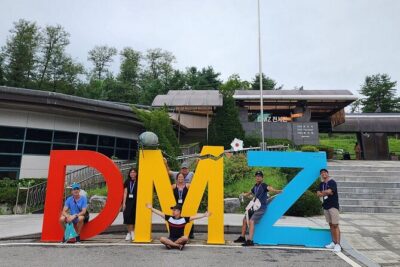 ★ 5.0Easy winThrilling Korean DMZ 3rd Tunnel Tour from Seoul + Red Bridge RushFrom $353,097 reviews
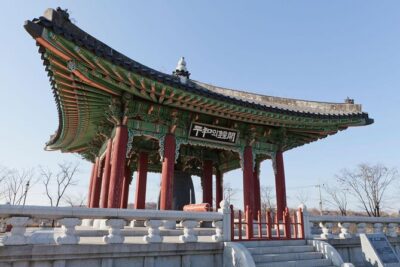 ★ 5.0Traveller favouriteDMZ Past and Present: Korean Demilitarized Zone Tour from SeoulFrom $372,481 reviews
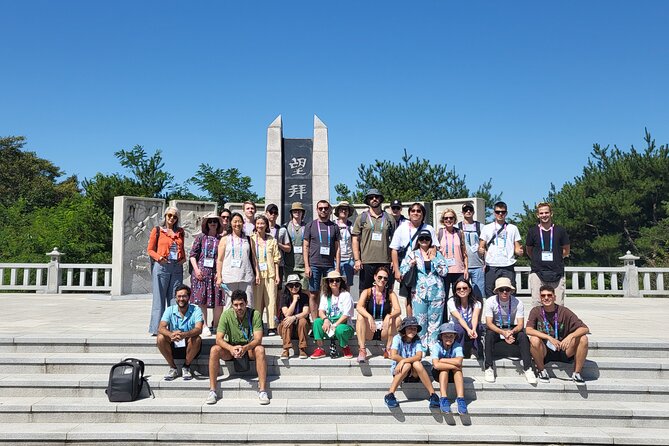
The DMZ day needs one good decision.
The third tunnel, Dora Observatory and the suspension bridge appear in different combinations. Compare departure time, shopping stops and the optional extras before choosing the cheapest headline.
Which first big day fits your trip?
Border history, a garden escape or fortress walls: the right choice depends on what you want from the hours beyond central Seoul.
 History and border
The DMZ day
from $29 · 41,422 reviews
A structured early departure for the third tunnel, observatory and border landscape. Pick this when context matters more than scenery and check each itinerary for shopping stops.
Compare DMZ routes →
History and border
The DMZ day
from $29 · 41,422 reviews
A structured early departure for the third tunnel, observatory and border landscape. Pick this when context matters more than scenery and check each itinerary for shopping stops.
Compare DMZ routes →
 Gardens and rail bikes
The Nami day
from $95 · 959 reviews
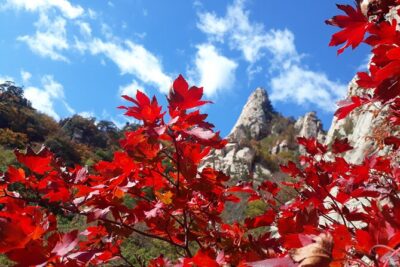
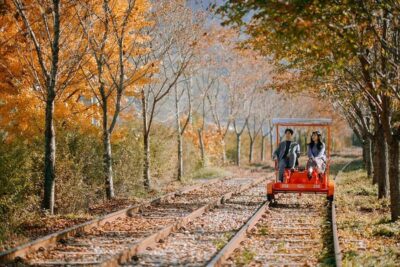
Tree-lined paths, the Garden of Morning Calm and optional rail-bike time. It is the softer full day, with the best colour in spring and autumn.
Compare Nami Island days →
Gardens and rail bikes
The Nami day
from $95 · 959 reviews
Tree-lined paths, the Garden of Morning Calm and optional rail-bike time. It is the softer full day, with the best colour in spring and autumn.
Compare Nami Island days →
 Fortress and old Korea
The Suwon day
10 - 11 hours · from $74 · 214 reviews
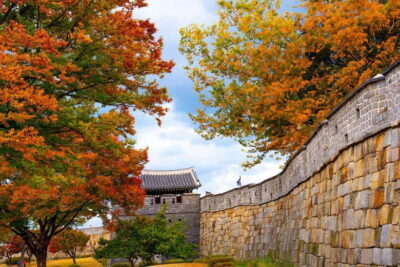
Hwaseong walls, a folk village and, on some routes, Starfield Library or Gwangmyeong Cave. Choose it for architecture and a less regimented pace.
Compare Suwon routes →
Fortress and old Korea
The Suwon day
10 - 11 hours · from $74 · 214 reviews
Hwaseong walls, a folk village and, on some routes, Starfield Library or Gwangmyeong Cave. Choose it for architecture and a less regimented pace.
Compare Suwon routes →
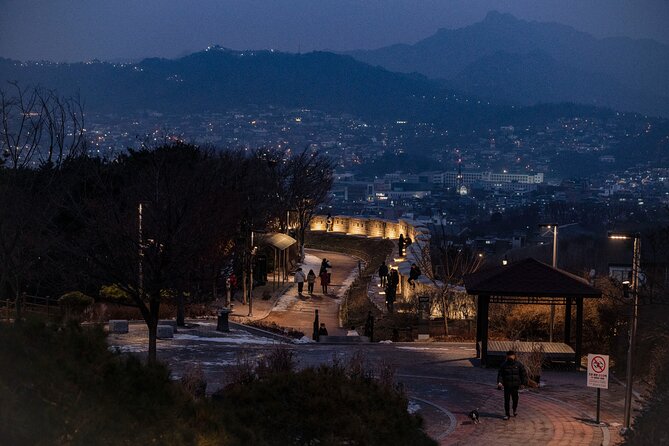
Seoul changes when the ridges go dark.
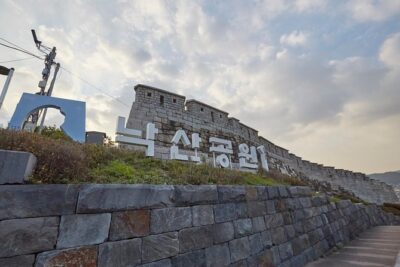
Palace gates glow, Naksan’s wall opens onto the city and Gwangjang keeps serving. A guided night works best when the route joins those pieces instead of racing between photo stops.
Let the market set the pace.
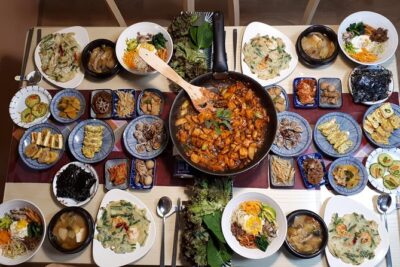
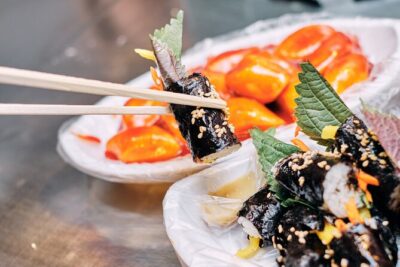
Gwangjang is louder and more useful with someone who knows which stalls to stop at. Compare tasting count, group size and whether the route adds a cooking lesson.
K-Pop, studios and Gangnam.
The strongest modern-Seoul tours explain the industry and the neighbourhood instead of stopping at a sign. Compare rehearsal access, filming locations and how much of the day is spent in transit.

Read the city from its courtyards.
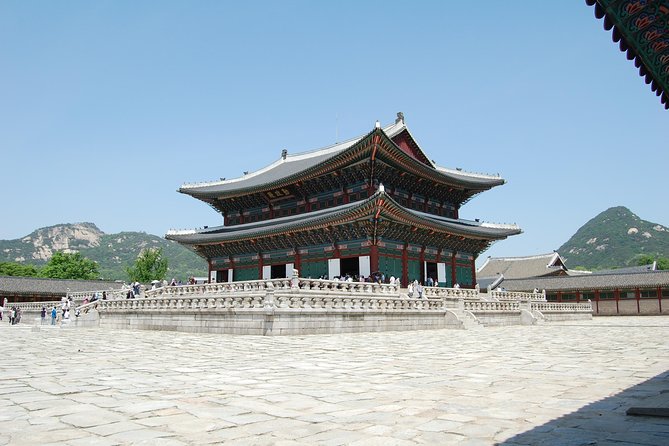
Gyeongbokgung, Bukchon and the market form a natural day, but the order matters. Early palace entry avoids the biggest groups; the best walks reach the hanok lanes before lunch.
Pick a Seoul rhythm, not just a pin.
Palaces and hanok lanes reward an early start. Markets carry lunch. Gangnam and Namsan make more sense later, while the wall and river belong to dusk.

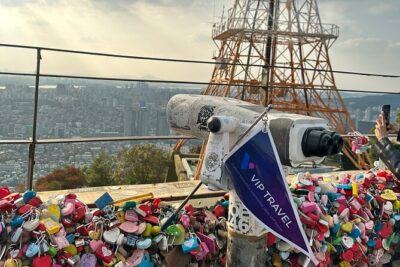
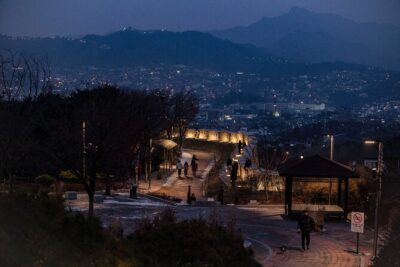
Know what you’re after?
Choose the shape of the day first; every option behind it is already reviewed, ranked and priced.
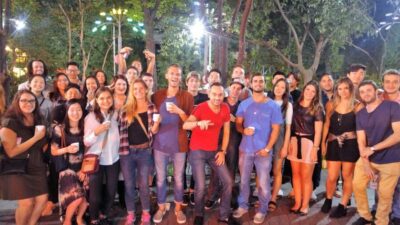

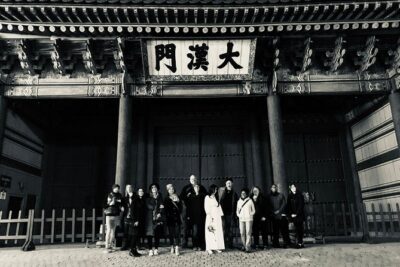

The roads beyond Seoul earn a full day.
Border viewpoints, island gardens, fortress walls and mountain trails all begin in the city. Compare the travel time as carefully as the headline stops.
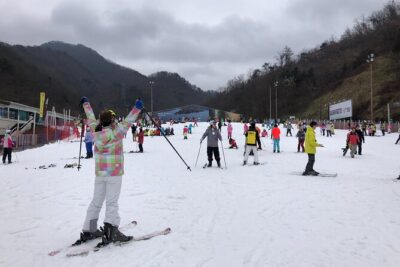
Three days, done right.
Three days are enough to understand the shape of Seoul: royal history, the living city and one deliberate journey beyond it.
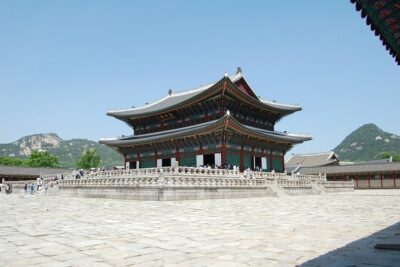 Day 1
Palace to market
Gyeongbokgung near opening, Bukchon before lunch, then Gwangjang when the market is fully awake.
Plan day one →
Day 1
Palace to market
Gyeongbokgung near opening, Bukchon before lunch, then Gwangjang when the market is fully awake.
Plan day one →
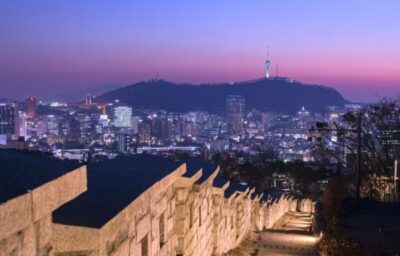 Day 2
The modern city day
A city-highlights route through central Seoul, Gangnam later on, then the wall or Namsan as the lights come on.
Plan day two →
Day 3
The road north
Leave early for the DMZ, compare the exact route and keep the evening free for a slow return to the city.
Plan the DMZ day →
Day 2
The modern city day
A city-highlights route through central Seoul, Gangnam later on, then the wall or Namsan as the lights come on.
Plan day two →
Day 3
The road north
Leave early for the DMZ, compare the exact route and keep the evening free for a slow return to the city.
Plan the DMZ day →
Fresh ways to read the city.
 ★ 5.0Full Day Private Seoul Tour for foodiesFrom $5503 reviews
 ★ 4.5Alpaca World with Gangchon Rail Park One Day TourFrom $863 reviews
 ★ 5.0Private Tour : Royal Palace & Traditional Villages wearing HanbokFrom $3003 reviews
 ★ 5.0DMZ, Eunpyeong village and Jinkwansa Temple Private TourFrom $2023 reviews
 ★ 5.0Gangnam Tour(Inc. Dinner & Drink) _ The past and present of KoreaFrom $2793 reviews
 ★ 5.0Gyeongbokgung Palace & Bukchon Village Walking TourFrom $623 reviews
 ★ 5.0Nami Island + Ski TourFrom $1003 reviews
 ★ 4.5Private Day Trip to Danyang and Chungju Lake from SeoulFrom $2443 reviews