Reviewed · DMZ DAY TOURS FROM SEOUL
Private DMZ Tour (No Shopping): 3rd Tunnel & Suspension Bridge
That first DMZ checkpoint day can feel intense. This private tour keeps it controlled, comfortable, and focused on the big sites like the Third Tunnel and Dora Observatory. I also like the way your guide can steer the day, even when weather changes what you can see, and the constant theme is peace versus division. One possible drawback to plan for: DMZ entry is regulated and can mean following a set bus schedule, even if your ride to the area is private.
I like how the itinerary starts with Imjingak Park and the early context you need before the tunnel, so the whole day feels like it makes sense. You get air-conditioned private transport and a guide who can answer questions as you go, which is a lot less stressful than racing through crowded group stops. My other consideration is physical pace: there’s a short uphill walk if you choose the Gamaksan Chulleong Bridge option, so bring sensible shoes.
Here’s the practical truth: you’re trading a normal Seoul day for an intense historical day with strict ID rules. You’ll need a current passport, and you’ll provide passport details at booking, since security checks drive the schedule. If weather is poor, the bridge part may change or be skipped, so I’d mentally budget for plan B.
Key things that make this DMZ day stand out

- Private car pickup with a pro driving tour guide, so you’re not stuck waiting around with strangers
- Third Infiltration Tunnel plus Dora Observatory, the two stops that usually define a DMZ visit
- No shopping stops, which keeps the day from feeling like a sales trip in disguise
- Your choice of suspension bridge option, Majang Lake or Gamaksan Chulleong Bridge
- Guide flexibility if crowds, timing, or weather throws a curveball
- Smart-casual dress + moderate fitness, because you’ll do some walking and standing
Private transport, real comfort, and the no-shopping vibe

This is a full-day DMZ experience built around a simple idea: reduce friction. You get pickup offered, ride in an air-conditioned vehicle, and spend the day with your own guide instead of being one voice in a big herd. At $198 per person for a private tour, the value is mainly in the stress reduction, plus the ability to ask questions without waiting for a group microphone.
The tour is listed as private, but you still have to play by DMZ rules. One detail to keep in mind is that DMZ access is controlled, so the entry process can involve aligning to a bus schedule once you’re inside the secured system. That does not undo the private feel of your day, but it can affect how “alone” you feel at the exact moment you enter restricted zones.
If you want a day that feels respectful and organized, this works well. Several guides who lead these tours are known for being very structured with timing, and they often try to get you into the main sites early when possible. That matters because the DMZ isn’t just a museum visit, it’s a timed security and viewing process.
You can also read our reviews of more private tours in Seoul
Getting oriented at Imjingak Park: the stops that set the tone

Before you even think about the tunnel, you start with orientation at Imjingak Park. The day begins with ID checks once you move into the DMZ area, and right before that, you’ll review key landmarks in a quick sequence.
You’ll spend about 30 minutes at this first DMZ-focused stop area, and it includes three standout sights:
- Bridge of Freedom (the iconic symbol tied to the idea of crossings and division)
- Mangbaedan Altar (linked to ancestral rites held by North Korean refugees in the South)
- A destroyed steam locomotive from the Korean War era (a stark visual reminder of what conflict did here)
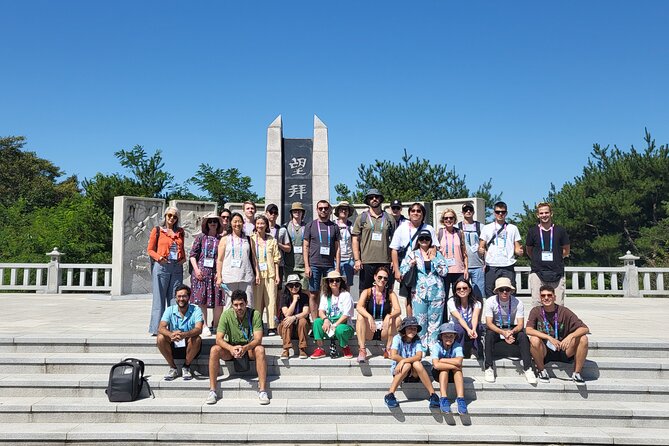
Then there’s a dedicated short stop at Mangbaedan, about 15 minutes, where you can learn how ancestral rites are observed. Even if you don’t understand every cultural detail on your first pass, the point lands fast: this place isn’t abstract history. It’s tied to real families and real memory.
Why this beginning is valuable: the DMZ can otherwise feel like a set of viewing platforms. These first stops add emotional and historical context so later scenes, especially the tunnel and Dora Observatory, feel connected instead of random.
Third Infiltration Tunnel: the “how” of the DMZ, not just the “what”
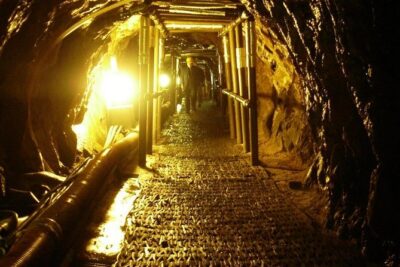
The Third Tunnel is one of the core reasons most people book a DMZ tour. It’s located about 12 km from Munsan and 52 km from Seoul, and it was discovered on October 17, 1978. You’ll have around 40 minutes here, and admission is listed as free.
What makes this stop hit harder than you might expect is the engineering story and the human implications. The Third Tunnel refers to one of the tunnels dug by North Korea southward under the DMZ. You’re not just looking at a bunker. You’re stepping into the idea that conflict was planned to move under the ground, close to where civilians lived.
Practical tips you’ll thank yourself for:
- Wear shoes you’re comfortable standing and walking in, because DMZ days often involve waiting and uneven surfaces around checkpoints and access points.
- Dress smart casual, but think “comfort first.” You’ll likely spend time standing near viewing areas and getting through controlled movements.
- If the weather is rough, the emotional intensity can rise quickly. Build in patience for slow moments and keep your questions ready for your guide.
You should also remember that photo rules can be strict in DMZ areas. Even if you’re used to shooting constantly on trips, plan for limited photos and focus on learning what you’re seeing.
Dora Observatory: the clear-day payoff (and why timing matters)

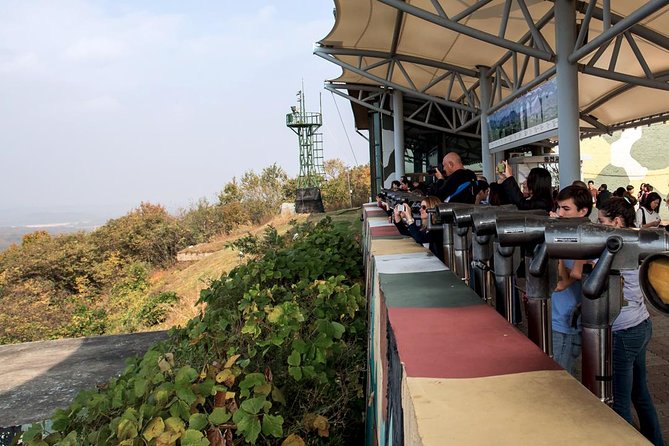
After the tunnel, you head to Dora Observatory, the northernmost observatory on the west side of South Korea. It sits atop Mt. Dora and opened in January 1987. Your visit is about 20 minutes, and admission is free.
On clear days, you can see key locations in the North, including the Gaeseong Industrial Complex and Mt. Songak in Gaeseong. That clear-day detail matters because it changes how meaningful Dora Observatory feels. When visibility is good, you’re looking at named places, not just a gray horizon.
Why Dora Observatory works even with limited time:
- It’s a structured viewing point, so your guide can connect what you see to the larger political geography.
- It turns the DMZ from a story about the past into a story about the present.
- It gives you a final “sight” before you head toward the outdoor bridge options.
Also, this tour includes a stop connected to wishing for reunification and peace, transforming the division symbol of Imjingak into a theme of reconciliation. It’s brief, but it gives a note of meaning that fits the rest of the day.
Majang Lake or Gamaksan Chulleong Bridge: your outdoor choice

This tour gives you a real fork in the road after Dora and the DMZ portion. You choose between two suspension bridge options, based on what you want and what conditions allow.
You can also read our reviews of more shopping tours in Seoul
Option 2: Majang Lake suspension bridge (about 40 minutes)
Majang Lake is tied to Korean War fighting, where allied forces fought a fierce battle and many soldiers sacrificed their lives. The stop is listed at about 40 minutes, and it’s free.
This option tends to feel more grounded and somber. You’re thinking about people and loss while also getting a scenic walking viewpoint. If you’re the kind of traveler who likes your memorial sites to connect to terrain and movement, Majang Lake fits.
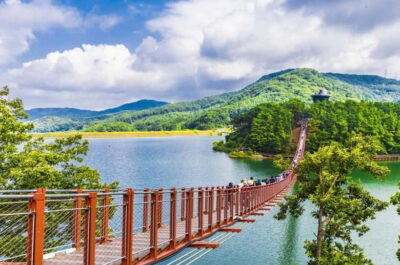
Option 1: Gamaksan Chulleong Bridge (about 1 hour total, includes a short uphill)
Gamaksan Chulleong Bridge includes a short hiking component. You’ll do about 15 minutes of walking up as part of the course before reaching the bridge. The bridge is described as one of the longest suspension bridges in Korea, with a 150 meter length, and it’s tied to battle history during the Korean War.
Expect this option to be a bit more active than Majang Lake. You’ll want comfortable, grippy shoes, and if you’re traveling with anyone who struggles with hills or long standing, this is where you should think ahead.
Weather reality check
One reason DMZ tours can feel unpredictable is that bridge sections are outdoors. If it’s rainy, windy, or otherwise poor, the bridge segment may be shortened or swapped. This operator’s guide flexibility seems to be a big part of why many people end up happy with the day anyway.
How the 8 to 9 hour schedule plays out in real life

The duration is listed as 8 to 9 hours. In practice, that means you’ll experience a full arc: early context, controlled checkpoints, a tunnel visit, an observatory stop, and then a final outdoor bridge segment if conditions allow.
Here’s the rhythm that helps you mentally prepare:
- You start with briefing and context around Imjingak Park.
- You go through ID checks before进入 DMZ access.
- You spend meaningful time at the Third Tunnel and Dora Observatory**.
- You finish outdoors at a bridge option that either matches your energy level or gets adjusted for weather.
The tour uses a mobile ticket, and it includes professional guide support, plus private transportation in an air-conditioned vehicle. Lunch is not included, so plan for a meal that fits into the timing. Some guides may recommend local spots, but you should treat lunch as your responsibility based on what the tour schedule allows.
If you’re trying to avoid fatigue, pacing is everything. A DMZ day involves lots of walking, waiting, and standing in a compressed timeline. If you’re easily tired, consider bringing a small water bottle, wearing layered clothing, and planning for an early start.
Guides matter here, and the style is very personal

This is the part that most affects your experience. The guides associated with this tour are repeatedly described as attentive, organized, and focused on making the day make sense.
Names you might come across include Tiger, Marie, Won, and Alfonso. Each of them is highlighted for strong communication and practical planning. For example, Marie is known for planning around busy conditions and making smart timing decisions, such as suggesting an earlier pickup to help you reach the DMZ entry area sooner. Tiger is described with standout military background tied to patrolling the area, plus a style that mixes storytelling with first-hand perspective. Won is described as using every moment to educate about both history and how things work today. Alfonso is described as excited to share his knowledge and offering a smooth, informative pace.
One detail I really like in this kind of tour setup: the best guides are not just dumping facts. They’re also managing your comfort. Even on days with less-than-perfect weather, the goal is usually to keep the day moving and adjust your outdoor segment rather than leaving you disappointed.
Price and value: what $198 buys you on a controlled-security day

At $198 per person, this is not a cheap day trip. But DMZ access is expensive to operate, and private handling adds cost: private pickup, a private guide, and air-conditioned transport for a full day. The best value is for travelers who want:
- Less stress than a large group
- More time asking questions
- A guide who can adapt when timing and weather shift
There is a minimum of 2 people per booking, and group discounts may apply. That’s good news if you’re traveling with a friend or family member. If you’re a solo traveler, you’ll need to check how the minimum is handled at booking since it’s explicitly required.
Also, remember that the DMZ is not a place where you can easily self-tour. You’re paying for the trained local guidance that helps you understand controlled viewing and historical context. If you care about meaning, not just ticking off photos, the price starts to look more reasonable.
Who this DMZ tour fits best
This tour is a strong match for you if:
- You want a private day with a guide who can answer questions freely
- You care about the Third Tunnel and Dora Observatory as central stops
- You’d rather skip shopping stops and keep the day focused
- You can handle long standing and some walking
- You travel with the mindset that DMZ access has rules and you will follow them calmly
It might be less ideal if:
- You’re looking for a totally effortless day with minimal walking
- You get thrown by outdoor weather changes, especially for the bridge portion
- You’re expecting a DMZ entry process that is fully isolated from any shared logistics. Even with private transport, DMZ access works through controlled systems.
Still, guides can make a huge difference. If you’re choosing between tour styles, prioritize the guide quality and their planning habits.
Should you book this Private DMZ tour?
Book it if you want the DMZ day done with privacy, comfort, and focus. The combination of Imjingak Park context, the Third Tunnel, and Dora Observatory, plus a bridge option like Majang Lake or Gamaksan Chulleong Bridge, gives you a full, coherent experience. At $198, the biggest value is not the photo opportunities. It’s the guided understanding and the way your guide can manage the day when conditions change.
Skip or compare alternatives if you want maximum physical ease, or if you’re sensitive to outdoor disruptions. Also, if you feel strongly about avoiding any shared logistics at the DMZ entry stage, ask upfront how the entry process is handled in your specific case.
FAQ
Do I need a passport for this DMZ tour?
Yes. You need a current valid passport on the day of travel, and you must provide passport name, number, expiry, and country at booking.
What is the duration of the tour?
It runs about 8 to 9 hours.
Is lunch included?
No. Lunch is not included.
What does the tour include?
It includes a private tour, a professional driving tour guide, an air-conditioned vehicle, and private transportation.
What are the main stops during the day?
You visit the DMZ area with Imjingak Park stops, Mangbaedan, the Third Tunnel, Dora Observatory, and then either Gamaksan Chulleong Bridge or Majang Lake.
Is there an outdoor walking component?
Yes, if you choose Gamaksan Chulleong Bridge, it includes a short hiking course with about 15 minutes of walking up.
What should I wear or bring?
The dress code is smart casual, and you should have a moderate physical fitness level. A valid passport is required.
Can the itinerary change?
Yes. The schedule and details can change due to unexpected situations like military training schedule changes and weather.
More Private Tours in Seoul
More Tours in Seoul
More Tour Reviews in Seoul
Not for you? Here's more nearby things to do in Seoul we have reviewed
DMZ Day Tours from Seoul, compared.
★ 5.0Best DMZ Tour Korea from Seoul (Red Suspension Bridge Optional)From $2941,422 reviews
★ 5.0DMZ Tour: 3rd Tunnel, Option(Suspension Bridge, Boat) from SeoulFrom $3521,373 reviews
★ 5.0DMZ tour south Korea from Seoul (NK experience hall, defector)From $2620,599 reviews
★ 4.9DMZ Insider Tour: 3rd Tunnel, NK Defector Meet & Red BridgeFrom $5015,214 reviews
★ 4.8DMZ Tour with Optional Suspension BridgeFrom $455,277 reviews
★ 5.0Signature DMZ Tour: Exclusive Defector Talk & Suspension BridgeFrom $274,459 reviews
★ 5.0Thrilling Korean DMZ 3rd Tunnel Tour from Seoul + Red Bridge RushFrom $353,097 reviews
★ 5.0DMZ Past and Present: Korean Demilitarized Zone Tour from SeoulFrom $372,481 reviews
Browse the lists this tour appears in