Bukhansan National Park: The Summit Course

Reviewed · SEOUL

Bukhansan National Park: The Summit Course

5.0 · 53 reviews From $64 Operated by Sam LEE · Bookable on Viator
Book on Viator →

Bukhansan turns a morning walk into a real climb. This course takes you to Seoul’s highest peak, and you can feel the seasons switch on and off along the trail. I like how it’s built around a faster route to the top, and how the small group keeps things calm and controlled with Koa and Sam guiding.

I also love that the effort is clearly spelled out before you go: a steep push with big elevation gain, then a short rope-aided section on Baekun-dae. It is not a casual stroll, but it is very doable if you have moderate fitness.

One drawback to plan for: this is not for people with knee issues, and the rope section includes steep angles where some folks would rather pause or skip the more exposed portion.

Key things to know before you go

Bukhansan National Park: The Summit Course - Key things to know before you go

  • Faster summit route: you aim for about 4 hours to reach the peak, instead of the usual 6-hour pace
  • Big climb in a short distance: roughly 600 meters of elevation gain across about 2.1 km on the ascent
  • Rope-assisted Baekun-dae: a 25 to 45 degree incline with ropes for help
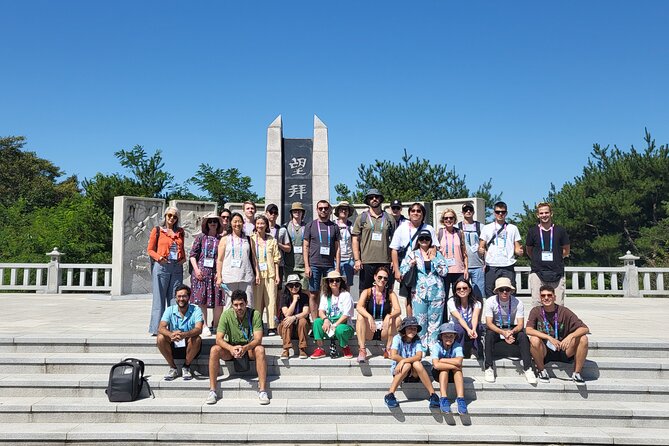
  • Small group vibe (max 20): easier pacing, more attention, fewer crowds around your group
  • Hiking poles are optional: you can rent them only if you tell the team in advance
  • Tofu lunch option: post-hike meal at a tofu-focused place, vegan/vegetarian friendly

Why Bukhansan’s 836m summit feels like Seoul’s real edge

Bukhansan National Park: The Summit Course - Why Bukhansan’s 836m summit feels like Seoul’s real edge
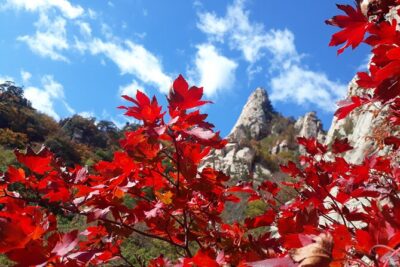
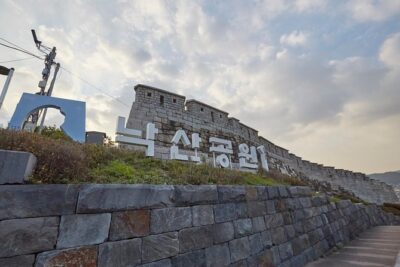
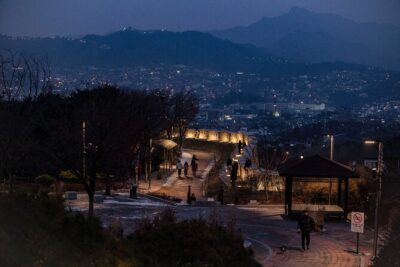
This hike is popular for a reason. Bukhansan National Park sits right on the boundary of Seoul, so you get a sharp contrast: city life below, and mountain weather and footing under your shoes. The summit you’re chasing is Baekun-dae, at 836 m (2,743 ft), Seoul’s highest peak. That number matters, but what you feel is the vertical rhythm of the trail.

I like that this course doesn’t pretend the mountain is gentle. You’re told what to expect: a steep ascent, a rope-aided challenge near the top, and then time to enjoy the views you earned. And the guide team, Koa and Sam, is part of the reason it works. They keep the group together, emphasize safety, and adjust pacing so you’re not sprinting up out of frustration or slowing so much that the day feels rushed.

If you want nature near Seoul without spending an entire day on logistics, this hits the sweet spot. It is also a smart choice for people who only have one or two mornings to hike. The timing, the focused route, and the clear difficulty level help you commit with confidence.

You can also read our reviews of more tours and experiences in Seoul.

The 8:00 am start and the simple plan to save your time

Bukhansan National Park: The Summit Course - The 8:00 am start and the simple plan to save your time
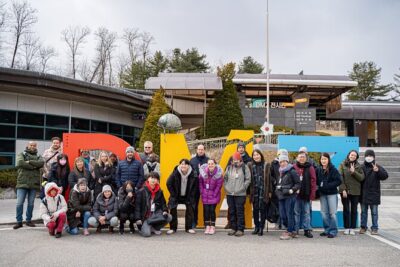
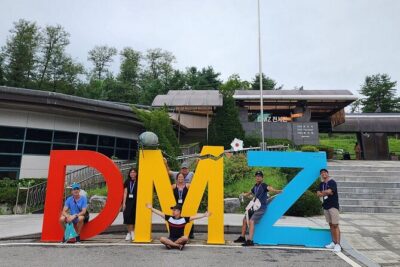
The meeting point is Bukhansan UiSeoul and the start time is 8:00 am. That early departure matters. Bukhansan can get crowded, and a morning start gives you more daylight and often more comfortable hiking temperatures.

What makes this course feel efficient is the route choice. With research, the team plans a “simplest route” approach that aims for about 4 hours to the summit, rather than the more typical 6 hours. You still get to the top, but you spend less time on backtracking or wandering along longer alternatives. In practical terms, that means you are more likely to finish before fatigue turns your footing sloppy.

The tour time is listed as about 4 hours 30 minutes, and it ends back at the original meeting point. So you are not wondering where the handoff happens. If you like your hikes with a clear beginning and end, this structure helps.

Also, you get a mobile ticket, which is convenient on travel days when you are juggling transport, coffee, and hydration. It is one less thing to print or search for.

Steep ascent: 600 meters up in about 2.1 km

Bukhansan National Park: The Summit Course - Steep ascent: 600 meters up in about 2.1 km
Here is the part you should take seriously in your planning. The ascending section includes an elevation change of about 600 meters within roughly 2.1 km (1.3 miles). That is steep. The hike team notes that this normally takes around 100 to 120 minutes, which is a useful benchmark for your expectations.

Think of it like going up-and-down about 200 floors of stairs, because your legs feel it that way. This is why the experience is described as requiring moderate physical fitness. If you hike occasionally, climb stairs without pain, and can keep a steady pace for a couple of hours, you should be fine. If you rarely walk uphill, you’ll likely feel it by the halfway mark.

The good news is pacing. A guided group hike is not just about getting to the summit. It is about managing effort so you don’t spike your heart rate early. In the same breath, the route being shorter than the usual options means you are not losing the whole morning to wandering. You get a concentrated workout, but it is a controlled one.

I’d also treat this as a gear and comfort check. Wear shoes with real grip. Bring water. If you have gloves or a light layer for changing mountain air, pack it. Since Bukhansan is right next to Seoul, weather can shift fast, and you’ll feel it while you’re working hard.

Baekun-dae ropes section: help for steep angles, plus an easy out

Bukhansan National Park: The Summit Course - Baekun-dae ropes section: help for steep angles, plus an easy out
Near the highlight, Baekun-dae peak, the course includes a steep climbing stretch aided by ropes. You’re looking at about a 25 to 45 degree angle climb, with rope support used along the way.

This is not a technical mountaineering event. It is more like a “hands-on” hike segment where the rope is insurance, not decoration. The team notes that this part takes around 20 to 30 minutes, and you’re always using the ropes for assistance.

If you have a fear of heights, the course gives you a way to manage it. You can avoid this portion by taking a break, so you are not forced to push through panic. That flexibility is important. The mountain is demanding enough without turning fear into an unsafe moment.

What you should do is plan mentally for the ropes segment before you arrive at it. Expect to move slower, keep your center of gravity steady, and use the rope as designed. Don’t rush just because people around you look confident. Even with a guide, rope sections are where tired decision-making happens.

If your knees are sensitive, pay extra attention to how you handle footing in this stretch. The course is not recommended for knee issues in general, but any steep climbing can be rough if your joints hate downhill steps afterward.

Views that come quickly, when you pace right

Bukhansan National Park: The Summit Course - Views that come quickly, when you pace right
The top is worth it. The main theme from the course experience is simple: you earn the view, and you reach it faster than you might expect because the route is efficient. Once you’re on the summit path, you stop thinking about timing and start thinking about what you can see.

The best part is how quickly the summit feels accessible once you settle into the climb. Because the ascent is steep but targeted, you spend less time on “long slog” sections that drain motivation. Several people mention that once you have hiking shape, the peak arrives in a surprisingly short amount of time compared to their expectations.

In a small group, the views also feel less chaotic. With a maximum of 20 travelers, you are not dealing with a constant wall of people brushing past you every time you want a photo or a minute to breathe.

I’d suggest you take a few minutes at the top without multitasking. Eat a snack slowly, sip water, and check how your legs feel for the descent. People often focus on reaching the summit. The real win is getting down safely while your balance is still working well.

Safety and guidance with Koa and Sam

Bukhansan National Park: The Summit Course - Safety and guidance with Koa and Sam
This is the part that turns “a good hike” into “a confident hike.” The experience is organized around safety first, which shows up in how the guide team manages the pace and keeps everyone together. Koa and Sam are named directly, and the feedback about their approach is consistent: they keep the group moving in a way that supports everyone, especially on challenging parts.

A key detail is flexibility. The group size and structure allow the guides to slow down or regroup if someone needs it. That matters on steep climbs, because one person moving too fast or too slowly can throw off the whole flow. When the guide is actively balancing that, you get a hike that feels well run rather than rushed.

Also, the course is not sold as a solo experience. It’s a guided path with a plan. That makes a difference on Bukhansan, where trails can be confusing if you’re relying on your own sense of direction or trying to match a map while wind and fatigue hit.

If you’re newer to hiking in Korea, this is especially helpful. The ropes section and the steep grade are where training wheels matter. You’re not just walking, you’re being coached on how to handle the terrain.

Optional tofu lunch: an easy payoff after the climb

Bukhansan National Park: The Summit Course - Optional tofu lunch: an easy payoff after the climb
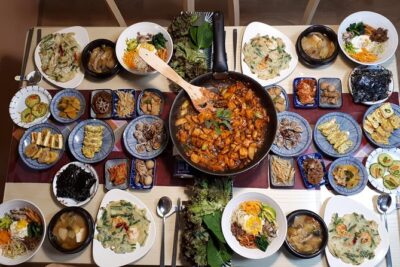
After the hike, there is an optional lunch. It’s paid by individuals and runs about 9,000 to 15,000 KRW. This is a tofu-focused place, and the team mentions they make everything from scratch. They also include meat options, while being vegan or vegetarian friendly.

I like this kind of add-on for one reason. It gives you a clean finish to the day. You do the hard part outside, then you come back down and eat something warm and filling without trying to figure out what’s close by.

If you are vegan or vegetarian, tofu restaurants can be a relief because you can relax and choose from a clear menu. If you eat meat too, the place still works because there are meat dishes alongside tofu options.

Just go in with realistic expectations: lunch is optional, not included in the price. If you’re hungry and tired, having it planned in advance reduces decision fatigue when your legs are done.

Price and value: what $64.89 really buys you

Bukhansan National Park: The Summit Course - Price and value: what $64.89 really buys you
The price is $64.89 per person, and the tour notes that it’s often booked about 14 days in advance. That booking pattern usually means people want the early slot and the fast route, especially during popular seasons.

Is $64.89 a lot for a half-day hike? It can be, but value comes from the parts that are hard to DIY safely. You are paying for:

  • a plan that aims to cut the summit time down from about 6 hours to about 4 hours
  • a guide team that manages pacing and safety, including rope-assisted terrain
  • small-group handling, with a max of 20 people
  • optional support items like hiking poles available through advance notice

Also, your time has value. If you’re in Seoul for a limited stay, shaving two hours off the hike time can change what else you can do later that day. This course is designed for that kind of schedule.

You should factor in the optional lunch cost if you plan to eat. And if you need poles, ask in advance so you can rent them. The tour is clear that poles can only be rented out if you inform the team beforehand.

Who should book this and who should skip it

This hike fits best if you:

  • have moderate fitness and can handle a steep uphill effort
  • like structured hiking with a guide and clear pacing
  • want Seoul’s highest peak without spending a full day on the trail
  • are comfortable using ropes for short, steeper sections

It is not recommended if you have knee issues. The combination of steep climbing, rope segments, and the downhill afterward can be rough on joints.

If you have a fear of heights, you’re not automatically barred, because the course notes you can avoid that rope segment by having a break. But be honest with yourself about how you react to exposed angles. The option to pause is helpful, yet it still means you should be cautious about pushing your comfort limits.

If you are going in winter or shoulder season, remember that conditions can change fast in the mountains. The course requires good weather, and you should think twice if conditions look slick or windy when you arrive.

Should you book the Bukhansan Summit Course?

If you want a real workout, not a casual stroll, and you want Seoul’s highest peak with a safety-minded guide team, I think this is a strong book. The fastest-route approach is the headline benefit, and it is paired with a clear explanation of effort and terrain, including the rope-assisted Baekun-dae section.

Book it if you can handle steep uphill walking for about two hours or so and you’re ready for a concentrated half-day plan. Consider skipping it if knees are a concern, because the course does not recommend it for that.

If you do book, come early, wear grippy shoes, carry water, and plan your lunch decision in advance. And if you think you might feel nervous near rope sections, tell the guide and use the break option rather than powering through.

Ultimately, this is a hike that respects your time and your safety, while still delivering the payoff: top-of-the-mountain views and the feeling that you truly left the city behind for a few hours.

FAQ

Where does the Bukhansan summit tour start?

It starts at Bukhansan UiSeoul, South Korea. The tour ends back at the same meeting point after the hike.

What time does the hike begin and how long is it?

The start time is 8:00 am. The duration is about 4 hours 30 minutes.

How difficult is the ascent?

The ascent includes about 600 meters of elevation gain within 2.1 km, and it typically takes around 100 to 120 minutes for that climb segment. The course is recommended for people with moderate physical fitness.

Is this tour suitable if I have knee problems?

No. It is not recommended for people with knee issues.

Do I need hiking poles, and can I rent them?

Hiking poles can be rented out, but only if you inform the team in advance. Poles are described as not really necessary unless you have bad knees.

Is lunch included, and what kind of food is it?

Lunch is optional, paid by individuals, and costs about 9,000 to 15,000 KRW. The meal is at a place specializing in tofu dishes and is described as vegan or vegetarian friendly, with meat options also available.