Seoul: DMZ Guided Tour with Suspension Bridge and Gondola

Reviewed · DMZ DAY TOURS FROM SEOUL

Seoul: DMZ Guided Tour with Suspension Bridge and Gondola

4.9 · 553 reviews 7 - 9 hours From $48 Operated by Korea Time Tour · Bookable on GetYourGuide
Book on GetYourGuide →

The DMZ hits you fast. In one long day, you’ll head north from Seoul, stand at the edge of a still-divided peninsula, and look into North Korea from places built for watching history happen. I especially liked how the day balances emotion with facts, and how the guides keep you moving without making it feel rushed, with folks like Roy and Patrick setting the tone early.

Two parts I really loved were the Dora Observatory view into North Korea and the 3rd Tunnel experience, where the scale of the passage makes the stakes feel real. You get guided context at the stops that matter, plus time to take pictures and ask questions along the way, even when weather or crowds force adjustments.

One thing to consider first: this is a packed day with walking, inclines, and a tunnel section that can be claustrophobic for some people. If you have heart issues, low fitness, or strong claustrophobia, plan carefully, and bring your passport since entry rules are strict at the DMZ.

Key takeaways before you go

Seoul: DMZ Guided Tour with Suspension Bridge and Gondola - Key takeaways before you go

  • Dora Observatory gives you one of the most direct sightlines into North Korea from the South.
  • The 3rd Tunnel of Aggression is steep and physical, but it’s also the most powerful “how could they do this?” stop.
  • Imjingak + Peace Gondola can bring you closer to North Korea than most DMZ sightseeing offers, with a self-guided gondola segment.
  • Gamaksan Suspension Bridge is a scenic breather, plus a real workout for your legs right before the historical parts.
  • If you’re choosing add-ons, you can only do one between the gondola and the North Korean defector session.

A DMZ day that stays humane, even when it’s intense

Seoul: DMZ Guided Tour with Suspension Bridge and Gondola - A DMZ day that stays humane, even when it’s intense
The DMZ is not a normal sightseeing day. It’s a place designed for control, surveillance, and separation, and your brain knows it the moment you start seeing the checkpoints and military-minded rules. That’s why I like this tour format: it gives you clear structure, a professional English guide, and enough time at each stop to actually absorb what you’re seeing.

The price also surprised me in a good way. At $48 per person for a 7 to 9 hour outing, you’re paying for transport from Seoul, DMZ entry access, and a guide who helps translate what you’re looking at into something you can hold in your head later. Food and drinks are not included, so you’ll want to budget for meals on your own. But compared with the total distance and special access involved, it feels like strong value.

One more practical plus: many guides on this route are known for keeping the day organized. I saw names like Roy, Patrick, Sean Kim, and Ki repeatedly in the guide feedback, and the pattern is consistent: energetic explanations, safe driving, and real effort to keep your schedule working even when the DMZ throws curveballs.

You can also read our reviews of more guided tours in Seoul

Getting from Seoul to the border: start early, move efficiently

Seoul: DMZ Guided Tour with Suspension Bridge and Gondola - Getting from Seoul to the border: start early, move efficiently
The day starts with pickup in Seoul. Depending on what you book, you’ll either meet at a set spot like Myeongdong or Hongdae, or go with hotel pickup and drop-off (the private option). It’s an early start because you’re committing to a full itinerary across Gyeonggi Province, and the DMZ timing is not flexible in the way casual tourism is.

You should build your day around being on time. Even small delays can cascade because the van segments are part of what makes the schedule work. The tour plan is timed enough that you can’t treat this like an optional, slow morning.

Also, remember what you’re doing here: you’re traveling to a UN-managed region with potential last-minute changes due to weather or political situations. If anything shifts, the tour company should contact you in advance with a reschedule or refund option.

Gamaksan Suspension Bridge: your scenic reset before the heavier stops

Seoul: DMZ Guided Tour with Suspension Bridge and Gondola - Gamaksan Suspension Bridge: your scenic reset before the heavier stops
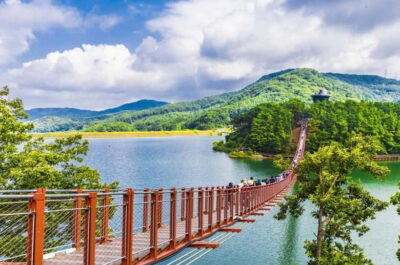
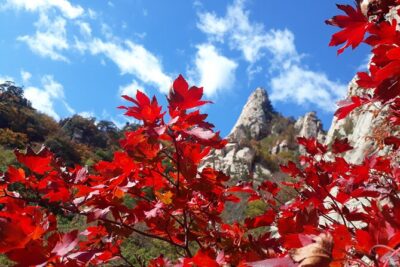
Gamaksan Suspension Bridge is the first land break in the day. It’s a 150m swinging suspension bridge, and it’s exactly what you want early on. Your legs get a workout, you get mountain scenery in whatever season you visit, and your brain gets a chance to switch gears before you hit the border sites.

This stop is short, about 30 minutes. That means you should wear comfy shoes and move with purpose. Don’t spend too long at the “should I take one more photo” stage, because the rest of the day is where the meaning builds.

If you’re nervous about heights, this is the moment to know your comfort level. The bridge isn’t described as extreme, but it is a swinging suspension bridge. Treat it like a light test run, not a casual stroll.

Imjingak and the Peace Gondola: closer viewing without the ticket pain

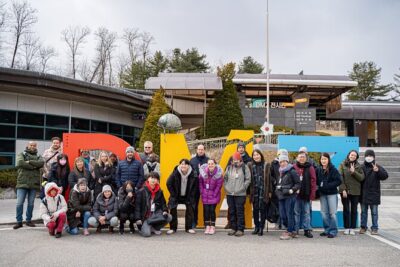
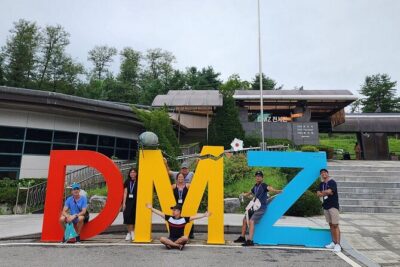
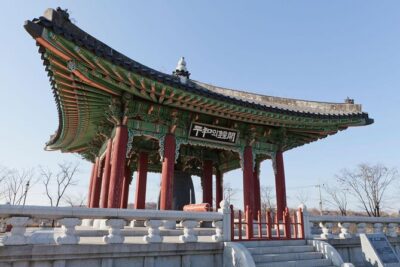
After the bridge, you’ll head to Imjingak, where you get about an hour. This is a key emotional waypoint. It’s a place people connect to the war and the division, and it helps set the tone before you move into the more technical military history stops.

Then comes the optional big upgrade: the Peace Gondola over the Imjingang River. If you choose the gondola option, you’ll do about an hour with the gondola self-guided. The gondola is a practical choice because it gives you a more direct, comfortable line of sight than lots of DMZ viewing points, and it keeps you off your feet for a bit.

Two rules matter a lot here:

  • The gondola is unavailable on Mondays.
  • Between the gondola and the North Korean defector session, you can only do one.

So pick based on what you value more. If you want visuals and a closer look at North Korea, choose the gondola. If you want a human story, choose the defector session (when available).

Visitor center and guided access: where the facts click

Seoul: DMZ Guided Tour with Suspension Bridge and Gondola - Visitor center and guided access: where the facts click
Next you’ll hit the visitor center for about 30 minutes. This is one of those stops that might feel like “waiting” at first, but I think it’s essential. It helps you understand what you’re about to see, and it makes the tunnel and observatory make sense instead of just looking like props from a documentary.

A good guide is the difference here. With the best guides I’ve seen on this route, you don’t just get dates. You get explanations tied to what the buildings and viewing areas are designed for. Guides like Roy and Patrick were singled out for energy and clear pacing, and that matters because you’re about to do some of the most time sensitive stops on the day.

The 3rd Tunnel of Aggression: big scale, real claustrophobia risk

Seoul: DMZ Guided Tour with Suspension Bridge and Gondola - The 3rd Tunnel of Aggression: big scale, real claustrophobia risk
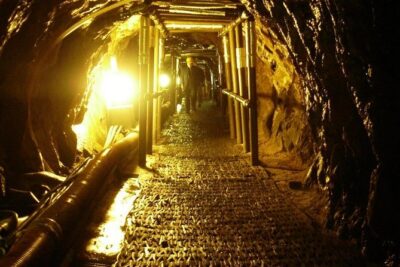
The 3rd Tunnel of Aggression is where the tour turns from history lesson into physical experience. You’ll spend about an hour on this stop with a guided visit.

A few facts help you understand why people remember it. The tunnel is 1,635m long, about 2m wide, and about 2m high. That’s not a casual walkway. It’s a designed passage that authorities say could move huge numbers of soldiers per hour, which is exactly why it’s called out as a major threat. In other words, this is not just a ruin. It’s evidence of planning on a massive scale.

The big caution is the body factor:

  • The 3rd tunnel requires intermediate-level hiking.
  • It can be steep.
  • If you have claustrophobia, or heart problems, you may need to stay outside.

If you’re debating whether to go in, be honest with yourself. Reviews and tour guidance repeatedly stress that people who are uncomfortable in tight spaces should consider staying out. It’s not a toughness contest. You’ll still get plenty of meaning from being there and seeing the context from outside.

Practical tip: bring comfortable shoes and treat this like a mini hike day, not a museum visit.

Dora Observatory: seeing North Korea from the South

Seoul: DMZ Guided Tour with Suspension Bridge and Gondola - Dora Observatory: seeing North Korea from the South
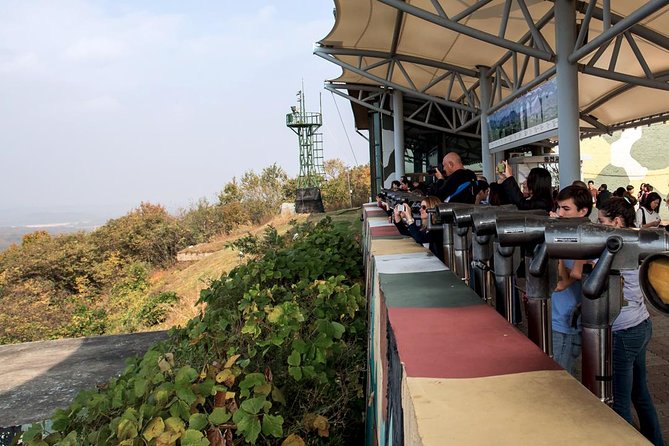
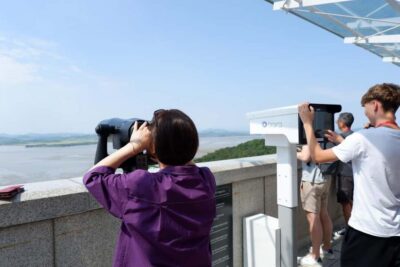
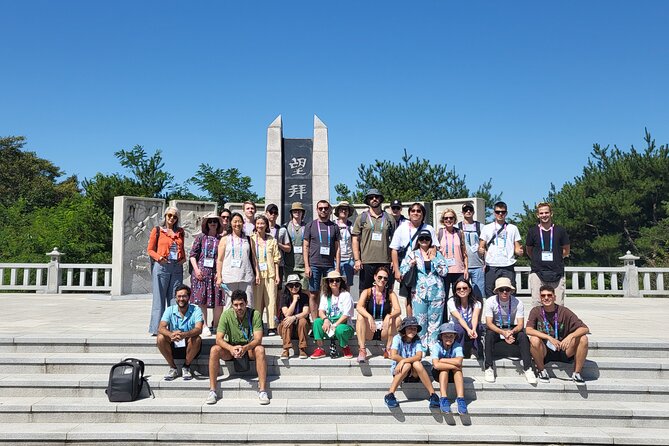
Then you’re at Dora Observatory for about 50 minutes. This is the stop most people come for: a viewpoint built to let you gaze across the border into North Korea on a clear day.

Even if you’ve read everything about the peninsula, this view changes the way you think about it. You’re not imagining it anymore. You’re looking at the other side through carefully controlled viewing arrangements, which makes every detail feel more pointed.

One of the strongest reasons this stop works is the way it connects to the human story of division. You’ll get guided explanations of what you can and cannot see, and you’ll learn how the observatory fits into the broader picture of conflict, monitoring, and deterrence.

Also, I love that some guides help with viewing tools, like binoculars, so solo photographers and small groups can get a better look. That kind of small support turns the observatory from a quick glance into an actual viewing session.

Imjingang River gondola vs defector session: choose what you want to carry home

Seoul: DMZ Guided Tour with Suspension Bridge and Gondola - Imjingang River gondola vs defector session: choose what you want to carry home
By this point, you’ve got a full day’s worth of contrast: scenic bridge, emotional Imjingak, technical history, and the direct view at Dora. Now you’ll finish the “people side” of the DMZ story depending on which add-on you picked earlier.

If you chose the North Korean defector session (available except Mondays), you’ll get a direct personal narrative element. That’s different from the tunnel and observatory because it forces you to think about what division means for ordinary lives, not just strategies and structures.

If you chose the gondola, you’ll leave earlier with a more visual connection. You might feel like the day answered a different question, the one about geography and distance and visibility.

Either way, you should go in knowing you can only do one. If you’re stuck between the two, I suggest this rule of thumb:

  • Choose gondola if you want a closer look and more visual time.
  • Choose the defector session if you want human stakes and firsthand interpretation.

Unification Village: shopping with a purpose

Seoul: DMZ Guided Tour with Suspension Bridge and Gondola - Unification Village: shopping with a purpose
Next is Unification Village for about 40 minutes, plus shopping time. This stop can sound like a tourist trap until you think about what it’s doing. It’s a curated idea of what reunification might look like, packaged for a visitor. Even if you don’t buy anything, you’re watching the story of hope become a physical place.

You’ll have time to browse and pick up souvenirs. Some guides also help with shopping advice based on what you might want, including what makes sense to bring home and what’s not worth the extra space in your bag.

Keep your expectations realistic. Think of this as your final checkpoint for the emotional arc of the day, not as a market you can thoroughly explore.

How this tour handles Mondays and changing access

This tour has a Monday variant. On Mondays, the gondola is unavailable, and the North Korean defector session is also unavailable. The plan shifts to different DMZ components, including the 2nd tunnel, Peace Observatory, and the northern most train station in the DMZ.

Even on non-Mondays, access can change based on weather or political reasons. That’s why this kind of tour is set up with contingency options, including rescheduling or a refund when things don’t proceed as planned.

For your planning, that means you should:

  • Check the day you’re booking.
  • Be flexible about which stop you get if conditions require changes.
  • Keep an eye on instructions about passports and meeting time.

Guides make or break the day, and the pacing is the point

One pattern I keep noticing in the guide feedback is how much the best guides do to protect your time. People talk about feeling safe in the van, seeing everything planned, and getting enough time at key points rather than sprinting from one location to the next.

Names that came up include Roy, Patrick, Sean Kim, Ki, Andrew, and April. Common themes across those guides:

  • clear English explanations that match what you’re looking at
  • enough photo time at places like the observatory
  • humor or lightness that makes the subject easier to process without turning it into a joke
  • practical problem solving, like helping people keep the day on schedule when shops or crowds change the reality on the ground

That matters because the DMZ day is already heavy. If your guide is only reciting facts, you’ll feel lost. If your guide adds structure and pacing, the experience becomes something you can actually learn from.

Price, value, and what you should budget extra

At $48 for a 7 to 9 hour DMZ day, you’re getting a lot of “hard to self-organize” components bundled together:

  • transfers from Seoul
  • professional English guidance
  • DMZ entry access
  • optional additions like the gondola or suspension bridge, depending on what you choose
  • the defector session only if you book the right option, and only when available

What’s not included is food and drinks. That’s important because the day is long and your energy will drop if you rely on snacks you don’t actually like. Plan to buy lunch and drinks on your own during the stops.

Also budget for passport logistics. You need a passport for everyone in your group, including infants, and it must have at least 6 months of validity. If it doesn’t, you won’t be allowed to join.

Who should book this tour, and who should rethink it

This is a great fit if:

  • you want a structured DMZ day with the main landmarks included
  • you’re comfortable walking for hours and climbing inclines
  • you want time at Dora Observatory for a proper North Korea viewing session
  • you like guided explanations and photo opportunities built into the schedule

It’s a tougher fit if:

  • you have claustrophobia or strong anxiety about tight spaces, because the 3rd tunnel is a real physical experience
  • you have heart problems or low fitness, since the tunnel segment requires intermediate-level hiking
  • you only want gentle sightseeing. This day has movement, slopes, and controlled sites.

If you’re unsure about the tunnel, you can stay outside and still complete the tour. But don’t make that decision at the last minute. Decide beforehand so you can pace yourself.

Should you book this Seoul DMZ guided tour?

Yes, if you’re ready for a long, serious day that’s also well organized. The mix of Dora Observatory, the 3rd Tunnel, and optional Imjingak gondola creates a full picture, not just a quick border peek. I also think the guide quality is a major reason this tour earns strong ratings, with guides like Roy, Patrick, and Sean Kim repeatedly praised for pacing and clear explanations.

Hold off if you’re not comfortable with enclosed spaces or you’re worried about the steep tunnel hiking. Also double-check the day you book if you want the gondola or the defector session, because both are unavailable on Mondays and you can only pick one add-on anyway.

If you want one “do it right” DMZ experience from Seoul, this is a solid choice. Just go in with the right shoes, a valid passport, and realistic expectations for a full day at the frontier of two Koreas.

FAQ

How long is the Seoul DMZ guided tour?

The duration is listed as 7 to 9 hours, depending on the starting time and conditions on the day.

What is the price for this tour?

The price is $48 per person.

Where do pickups happen?

Pickup options vary by booking type. The tour can have convenient meeting points in areas like Myeongdong or Hongdae, or it can include hotel pickup and drop-off for the private option.

Is the tour only on certain days?

The basic itinerary runs for customers except for Mondays. On Mondays, the visit changes to different DMZ sites, and some add-ons are not available.

Is the gondola ride included?

The gondola is an optional add-on. It is available except for Mondays. When you add it, the gondola time is self-guided for about an hour.

Can I do both the gondola and the defector session?

No. Between the gondola and the North Korean defector session, you can only do one. The defector session is available except for Mondays.

What stops are included in the standard flow?

The tour includes several major DMZ-area stops: Gamaksan Suspension Bridge, Imjingak, a visitor center, the 3rd Tunnel of Aggression, Dora Observatory, and Unification Village.

Do I need a passport?

Yes. You need passports for everyone in your group, including infants, with validity of 6 months or longer.

What should I bring or wear?

Bring your passport and wear comfortable shoes. The 3rd tunnel segment requires an intermediate level of hiking, with steep sections, so plan footwear accordingly.

Is food included?

Food and drinks are not included, so you’ll need to plan on buying meals during the day.