
Reviewed · SEOUL
Traditional Gourmet
Food, history, and hanok streets in three hours. On this Traditional Gourmet tour, I like the way you start in Bukchon Hanok Village and the focus on personalized food recommendations that help you order with confidence.
Lunch is served in a traditional house setting, with coffee or tea included, and the guide stories bring it all to life. Guides such as Veronica get praise for being easy to understand and genuinely friendly, but the trade-off is a fair amount of walking on stone and uneven lanes.
This is a 3-hour foot tour with a small group size (up to 12) that starts and ends at Anguk-dong, Jongno District. It runs in all weather, so wear shoes you trust and bring a layer.
Key things that make this Seoul food tour work
- Bukchon first, then food: you get the hanok neighborhood context before you eat.
- Free-access cultural stops: the featured hanok sites on the walk are listed with free admission.
- A real sit-down lunch: the included meal is prepared in a Traditional Korean House called Hanok.
- Guide-led ordering help: you’ll get recommendations that reduce the Korean language stress.
- Tea as a proper stop: coffee or tea is included, not just an afterthought.
- Small group pacing: up to 12 people, so it feels easier to ask questions.
Price and what you actually get for $120
At $120 per person for about 3 hours, this is not a budget snack crawl. But the value is in what is included: a professional guide, a traditional sit-down lunch in a Hanok house, and coffee or tea.
You also get built-in structure. With only a few stops and walking time between them, you are not guessing your way through Seoul’s food scene. The whole point is to help you eat well, even if you do not read Korean.
One practical note: transportation is not included, and there is no hotel pickup. You will need to make it to the meeting point by yourself: 164-6 Anguk-dong, Jongno District. The good news is that it is near public transportation.
You can also read our reviews of more tours and experiences in Seoul.

Anguk-dong start: the quickest way to get oriented
The tour begins at 1:00 pm and ends back at the same meeting point. That matters more than it sounds. In Seoul, neighborhoods can feel like separate worlds, and ending where you started reduces stress if you have a second reservation later.
Because it is a walking tour with moderate fitness expectations, you should plan on staying fairly active the whole time. Comfortable shoes are strongly recommended, and the itinerary is designed for foot travel through traditional streets.
Also, the tour is capped at 12 people. That is a sweet spot for a food tour. You can ask about dishes, spice level, etiquette, or what to try next, without feeling lost in a huge herd.
Bukchon Hanok Village: tasting Seoul’s old-world setting first
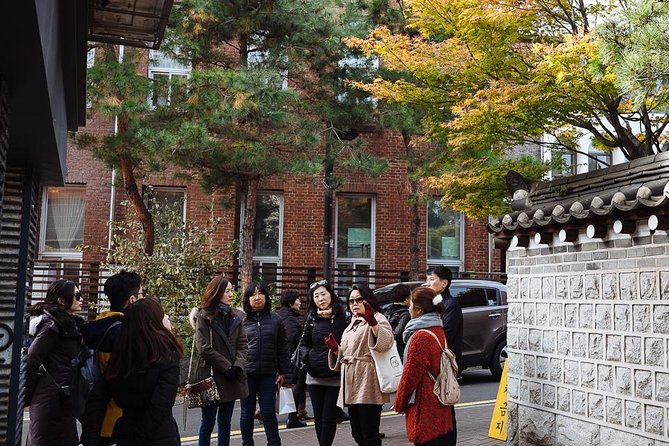
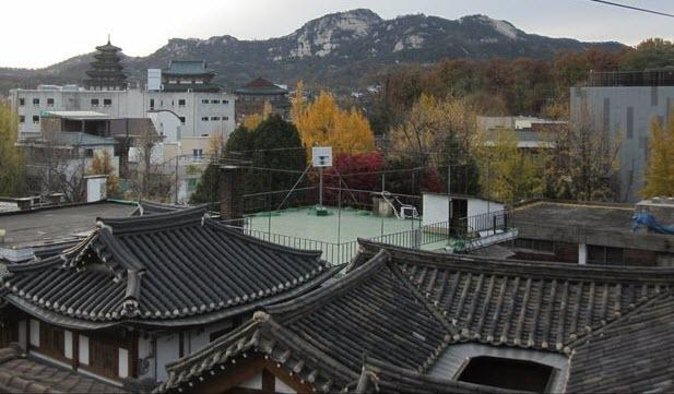
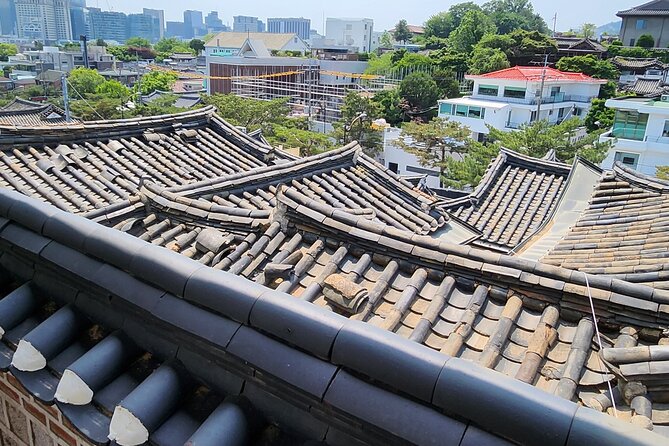
Stop one is Bukchon Hanok Village, one of Seoul’s best-known areas for preserved traditional houses. You will spend about 1 hour 30 minutes here on foot, and you will see a mix of old residences plus workshops and shops.
Why I like this as the opening move is simple: you get the neighborhood mood before food becomes the focus. Korean cuisine is not just about what is on a plate. It is tied to place, family traditions, and the way daily life is structured.
Practical tip: wear shoes with grip. Bukchon’s walking lanes can be uneven, and you will be moving at a steady pace. If you need slow breaks, mention it early to your guide so they can pace the group.
You should also expect plenty of photo opportunities, but keep your eyes on the sidewalk. It is easy to trip when you are distracted by beautiful gates, roofs, and the tight alley views.
House of Baek Inje: hanok design details that shape daily life
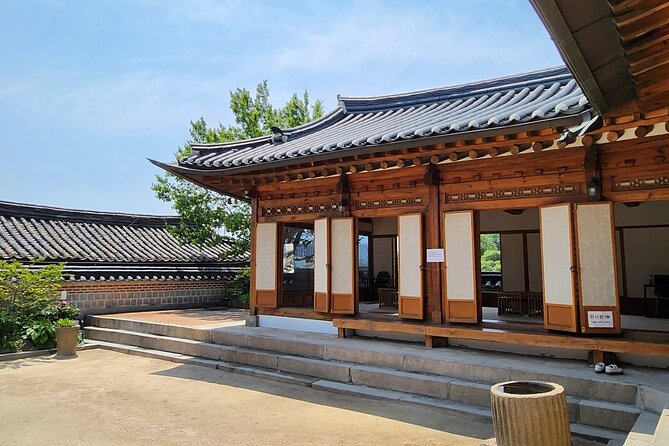
Next is House of Baek Inje, a hanok building built around 1900. This stop is shorter, about 30 minutes, but it is a good one because it explains what makes a hanok more than just a pretty facade.
The building is described as having preservation value and using the best technology of its time. It was also known as the home of a powerful family when it was first used.
Here is why that matters for a food tour: when you understand how homes were built and how people lived, food habits make more sense. Food traditions develop within real daily routines, cooking spaces, and storage realities.
If you like history, this stop gives you something concrete to latch onto. If you do not, it still helps you see the logic behind the setting where lunch is served later.
Admission is listed as free, so you are not paying extra to enjoy the cultural side of the day.
Yun Bo-seon birthplace stop: a rare, larger hanok in Seoul
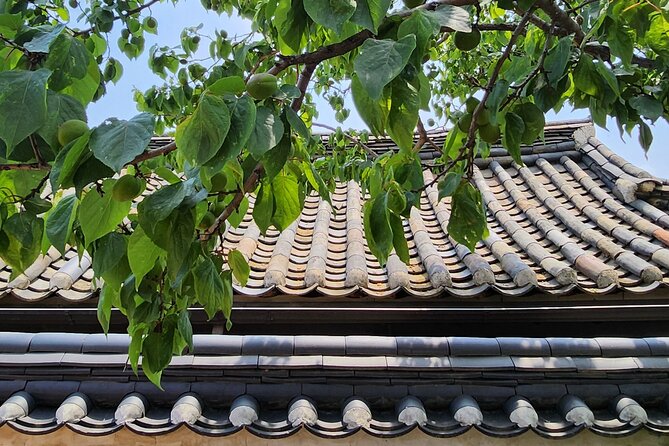
The third stop is the birthplace of Korea’s second president, Yun Bo-seon. It is famous as a well-built hanok mansion that is rare in Seoul and also unusually large.
This is also where the tour’s tone shifts from general neighborhood storytelling to something more specific. You hear about the person, then you see the architecture scale and layout that made the home stand out.
The description notes that Yun’s granddaughter-in-law currently lives there, and the house is maintained. That detail alone adds a different feel compared to purely museum-like sites. You are not only looking at a past artifact. You are looking at something still connected to family life.
Again, admission is listed as free. In a short 3-hour window, this kind of stop adds real texture without turning the day into a museum marathon.




Lunch in a Traditional Korean House (Hanok): the meal is the point
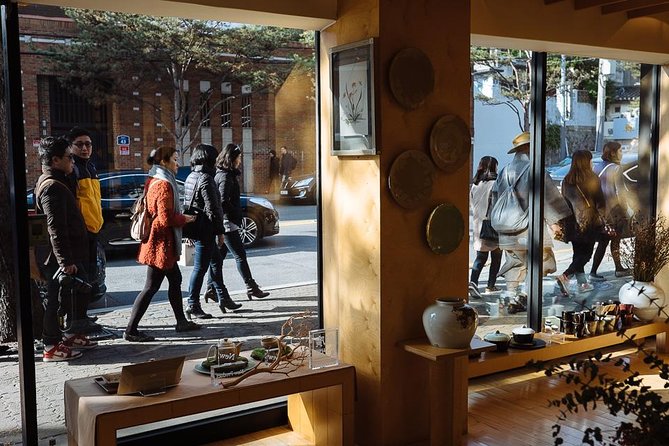
Lunch is included, and it is served in a Traditional Korean House called Hanok. This is the core value of the tour. You are not just sampling random items from carts. You get an authentic, sit-down meal that is prepared as traditional Korean dishes.
From the reviews connected to this experience, there is also an extra level of surprise for many people: the sit-down lunch can be served in a Michelin restaurant setting, which is not what most first-time visitors expect from a short neighborhood walk. Either way, the structure stays the same. You get a proper meal, not a handful of bites.
You also get coffee and/or tea after lunch. That stop is useful for two reasons:
- It slows you down so you can actually enjoy what you ate.
- It gives the guide space to talk about food culture and eating etiquette while you are relaxed.
What to expect: this is not a one-course experience. The lunch is described as an array of dishes in multiple parts. Pace yourself. If you are tempted to order extra drinks, remember alcohol is not included, though it is available to purchase.
Vegetarian travelers also have an option. A vegetarian option is available, but you need to advise the provider at booking.
The street dessert moment: how Seoul sweet cravings fit in
After the sit-down lunch, you may have time to walk for a street-food dessert that is made fresh. This shows up in the experience descriptions and is a favorite detail people mention because it connects the formal meal to Seoul’s casual food rhythm.
I like this because it gives you range. A hanok lunch teaches you about tradition and technique. A quick street dessert teaches you how everyday cravings work here, fast and flavorful.
You will still want to manage expectations: it depends on timing and group flow, so do not plan your schedule around it being guaranteed. But it is a smart and often-used way to close the meal story.
Why the language barrier matters less on this tour

A big selling point is overcoming the language barrier. With Korean not being easy for most first-time visitors, food tours can easily become a guessing game. You might see something you want, but you may not know how to order or what to ask.
On this tour, the guide provides personalized recommendations. That means you are not just receiving facts, you are getting help translating food choices into something you will actually enjoy.
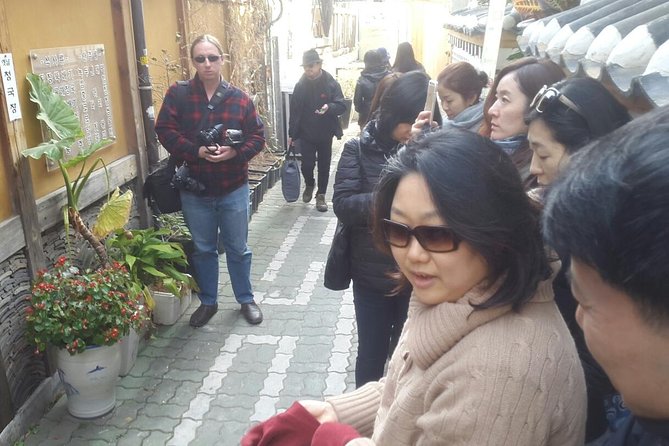
Guides for this experience may be multi-lingual, and the overall vibe is designed for first-time visitors who want practical guidance, not a lecture. In particular, the reviews praise guides like Veronica for being easy to understand and for sharing real cultural context, including eating etiquette.
If you are the kind of traveler who wants to repeat what you learned later, this is a great style. Your questions turn into concrete next steps for your remaining days in Seoul.
Walking pace, weather, and group size realities
The tour runs in all weather conditions. That does not mean it becomes comfortable in the rain, it means you should plan for movement no matter what. Dress appropriately and bring what you need for wind or drizzle.
Walking time is part of the package. The itinerary is structured, but you will still cover ground between stops. The good part is that you get to see the area up close. The trade-off is that you cannot treat this like a sit-and-sip tour.
Group size is capped at 12, which helps a lot. It is large enough to meet people, small enough that the guide can stay engaged.
Who should book this (and who should skip it)
This tour is a strong fit if:
- you want a first-time introduction to Seoul’s food scene
- you prefer a guide-led plan instead of wandering hungry and confused
- you enjoy hanok neighborhoods and want the setting behind the cuisine
- you value included meals and want less decision fatigue
You might skip it if:
- you hate walking or have trouble with moderate physical activity
- you want a purely free-form street-food crawl with no sit-down meal structure
- you are extremely budget-focused and plan to cover food on your own
If you have only a few hours in Seoul, this is a good way to get oriented fast, because it combines hanok context with an included traditional lunch.
Should you book Traditional Gourmet?
I think you should book this if you want a low-stress path into Korean food culture. The biggest wins are the included hanok lunch and the guide help that makes ordering and understanding much easier.
It is also a nice option when you want to see a part of Seoul that first-time visitors often treat as scenery only. Here, the neighborhood is not wallpaper. It is part of the food story.
If the idea of uneven lanes and steady walking sounds annoying, plan for comfy shoes and a slower travel day afterward. Otherwise, this is a well-shaped 3-hour experience with real value baked in.
FAQ
How long is the Traditional Gourmet tour in Seoul?
It lasts about 3 hours.
What is included in the $120 price?
The price includes a professional guide, lunch in a Traditional Korean House called Hanok, and coffee and/or tea.
Is lunch vegetarian-friendly?
A vegetarian option is available. You need to advise the provider at the time of booking.
Are there admission fees for the stops?
The tour’s listed stops include free admission tickets.
Do I get hotel pickup or transportation to the locations?
No. Transportation to and from attractions is not included, and there is no hotel pickup or drop-off.
Can I cancel and get a full refund?
Yes. Free cancellation is available up to 24 hours in advance of the experience start time for a full refund.


