
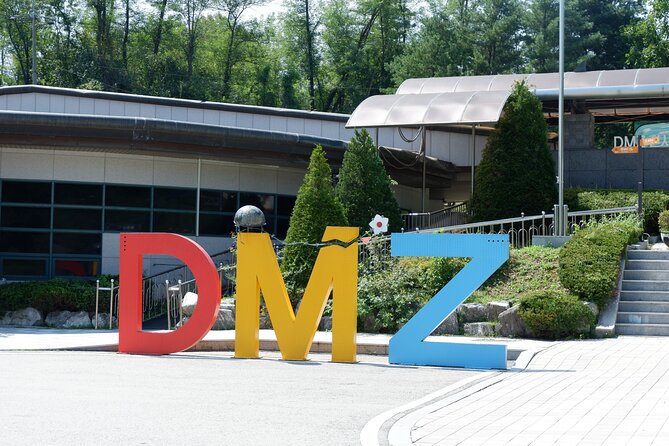
Reviewed · DMZ DAY TOURS FROM SEOUL
South Korea Demilitarized Zone, DMZ Tour from Seoul
Cold facts, close up, from Seoul.
This DMZ day trip turns big headlines into places you can stand in, with an early start plus air-conditioned comfort. You’ll go to Imjingak Park, the DMZ exhibition area, the Third Tunnel, and Dora Observatory, all in a tight 7.5-hour loop designed to beat the later crowd wave.
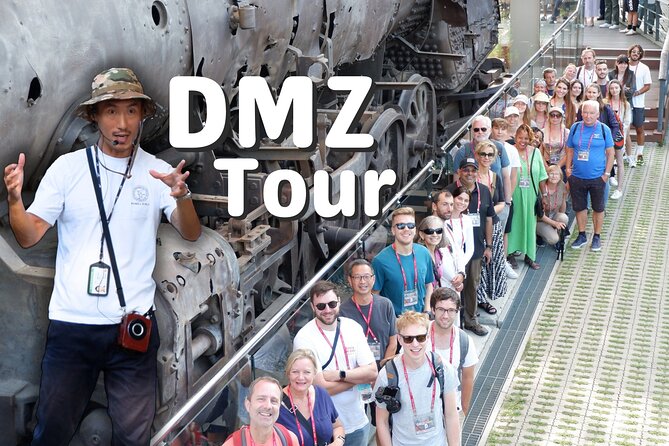
Two things I really like: the itinerary hits the main DMZ stops without wasting time on shopping, and the guides often bring the history to life with clear, funny, high-energy explanations. If your guide is someone like Winnie or Kenny (names you’ll hear again and again in feedback), you get both the serious context and the human stories without it turning into a lecture.
One drawback to plan around: this is not a guaranteed visit to the JSA (Joint Security Area). Access and timing can also change because the DMZ is run by the military, so be ready for possible schedule adjustments.
Key Highlights You’ll Feel in the Moment
- Early start to dodge the worst crowding, so photos and visits feel less rushed
- Four major sites in one morning-to-afternoon loop, with included admission fees
- Third Tunnel access, where you walk through one of the most famous Cold War shock points
- Dora Observatory views over North Korea sites like Gaeseong and Kim Il-Sung Statue
- No mandatory shopping stops, keeping your time focused on history
Why Start So Early for the DMZ?
This tour is built around an early departure, which matters more than you’d think. With the morning schedule, you’re more likely to enjoy each stop without the afternoon crush, and you also get a calmer flow through security checks and indoor exhibits.
Expect a full travel block from Seoul that still feels structured. You’ll move between stops by air-conditioned vehicle, and the day is timed so you’re not stuck waiting around with nothing to do.
Also, this tour can run with a large group cap (up to 500 people), so the early timing is a real quality lever. Even with bigger numbers, the stop plan helps keep momentum.
You can also read our reviews of more tours and experiences in Seoul.
Before You Go: Passport, Footwear, and Realistic Expectations
Bring a current, valid passport. You’ll need it for the on-site passport check by soldiers during the DMZ portion, and without it the day falls apart.
Wear smart shoes. The operator strongly recommends you refrain from flip-flops, slippers, or heels, which is practical advice when you’re walking on uneven ground and moving between multiple locations in a single day.
Pack for a long morning. Lunch is not included, and the day is long enough that you’ll probably want water and a light snack if you personally need one to stay comfortable.
Finally, keep your expectations flexible. The DMZ is operated by the military, and the trip may be canceled without prior notice, or parts of the itinerary may change due to military training, government orders, road conditions, or weather.
Imjingak Pyeonghoa-Nuri Park: The Korea War Backdrop You Can Walk
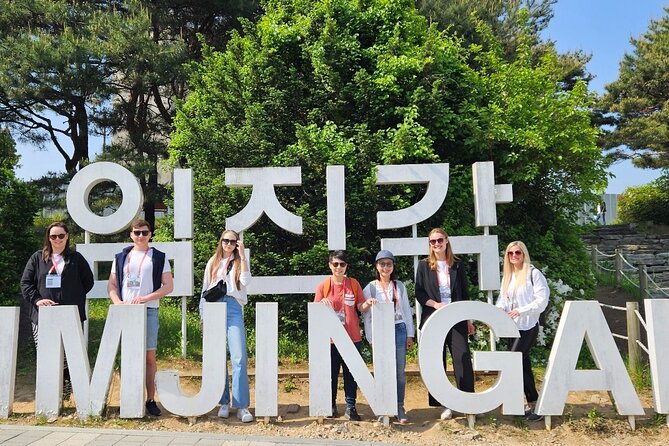
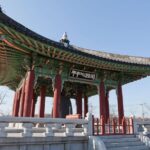
Your first major stop is Imjingak Pyeonghoa-Nuri Park, about 7 km from the Military Demarcation Line. The park was built in 1972 with the hope that unification would someday be possible, so even before you reach the DMZ area itself, you’re already in the emotional context.
You’ll spend about an hour here. That time window is enough for guided explanation and for you to absorb the meaning without turning into a half-day wandering session.
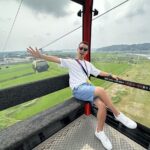
In this area, you might also encounter features that people often remember, like views tied to the Peace Park theme, and sometimes an optional gondola ride depending on what’s operating that day. If you’re the type who likes to see both the big symbolism and the physical structures, this first stop does that job.
The main benefit of starting here: it sets the “why” before you hit the most intense places later. You’ll get the names, the timeline, and the sense of division so the tunnel and observatory feel grounded instead of random.
DMZ Exhibition Hall: A Passport Check and a Reset Button
The next stop is the DMZ exhibition portion, and it’s quick but important. After a short passport check by soldiers, you’ll enter a DMZ exhibition hall where you watch a short video and view exhibits.
Plan for about 30 minutes. That’s enough to understand the tragic history of Korea’s division, without dragging the day out.
This is also the moment where the day’s tone shifts. The hall works like a mental gear change: you stop thinking about this as a Seoul day trip and start seeing it as a lived reality with ongoing consequences.
If you’re someone who needs a bit of structure, this stop helps. It’s a guided “setup” that makes the later sightlines from Dora Observatory more understandable.
Third Tunnel: Walking Through a Cold War Challenge
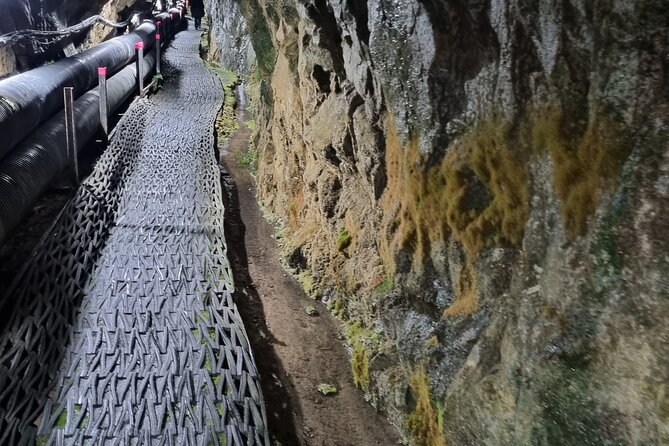
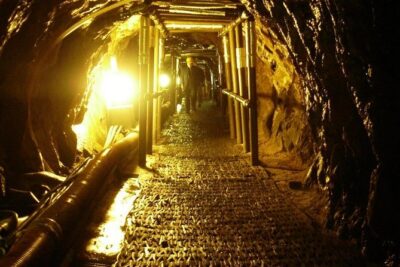
The Third Tunnel is the headline stop for a lot of people. South Korea discovered it in 1978, and it stretches 1,635 m in length, about 2 m wide and 2 m high.
You’ll have about 40 minutes here. That usually feels just right because the tunnel experience is physical, not just visual, and you need time for both the walk and the explanation.
The scale matters. With a tunnel this narrow and low, you’ll feel how claustrophobic it is even if you’re moving at a normal pace. Reviews also mention a downhill walk into the tunnel area and that you may need to crouch at the far end if you’re taller, with a hard hat provided.
One practical note: the downhill can turn into a workout on the way back. Even if you’re not athletic, you should be comfortable walking and bending.
Why this stop is so powerful: it turns strategy into architecture. The tunnel is not an abstract idea. It’s a physical reminder of how intense the North-South standoff has been.
You’ll also hear estimates tied to the tunnel’s purpose, including the idea that roughly 30,000 soldiers could have moved through it. Hearing the number while you’re inside makes it stick.



Dora Observatory: North Korea Views and the Reality of Photo Rules
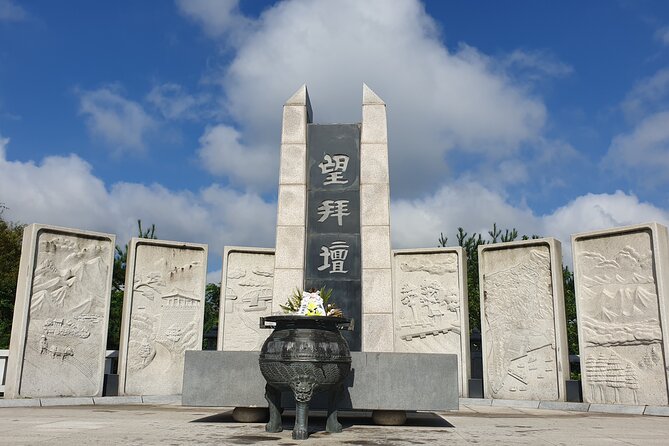
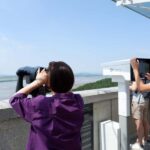
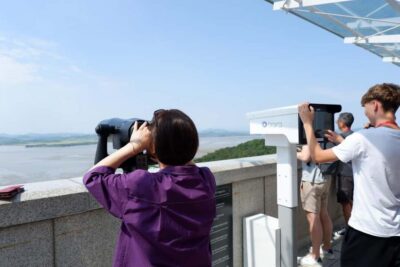
Dora Observatory is where the trip becomes visual. From the observatory, you can overlook North Korea and key locations, including Gaeseong, Songaksan, the Kim Il-Sung Statue, and the Cooperation Farm called Geumamgol.
You get about 30 minutes here. That short window is enough to take in the sightlines and understand what you’re looking at, without lingering until fatigue sets in.
This is also where you should expect potential photo limitations. One key tip from feedback: restrictions can change on the day, and you might not be able to take photos of North Korea. If that happens, your guide may share previously captured images showing the views you can see from the observatory that day.
If photos are important to you, still go with the mindset that you’re here to see the places and understand the geography. A good guide will help you locate what matters, even if the camera rules are strict.
A Day Without Shopping Stops, With Tight Pacing
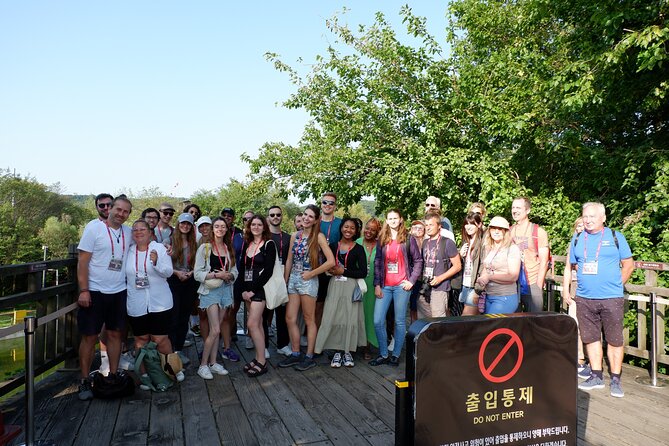
This tour does not include an obligatory shopping stop. That’s a big deal in a day like this, because a shopping detour doesn’t just steal time. It steals focus.
Instead, you stay on the history track. You’ll be guided at each stop with included admission fees, and the schedule is paced so you spend your hours where the meaning is.
Inside the vehicle, you may also get short video and fact-style explanations on a large TV. People often remember this as a helpful way to keep the day from feeling like you’re only stopping and starting.
One more thing to understand: schedules can change. If access numbers are reduced, the operator may switch to an alternative plan. One example mentioned includes spots like Art Space BEAT 131, Odusan Unification Observatory, and the War memorial of Korea, plus a dismissal at City Hall or Myeongdong. That kind of flexibility can help you still come home with a strong day, even when DMZ access shifts.
Also, you will not do the Joint Security Area. If JSA is your must-see, you’ll need a different tour option.
Guides Who Turn a Sobering Day Into a Remembered One
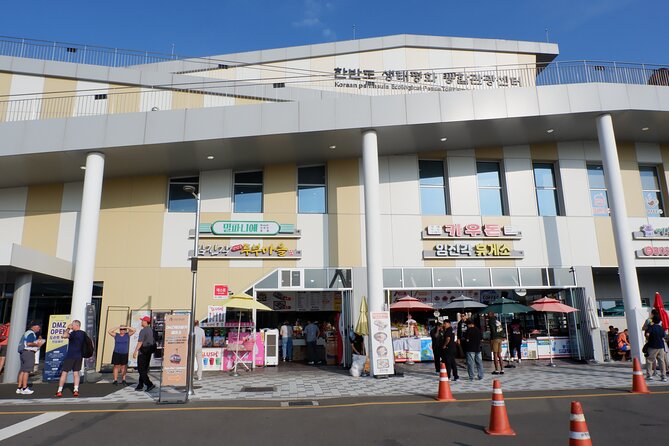
The biggest repeated pattern in feedback is how much the guide matters. Guides like Winnie and Kenny are frequently praised for mixing serious context with an upbeat delivery, and for keeping the group moving smoothly.
You’ll see praise for guides who explain history during the drive, make the information engaging, and keep things organized so you don’t feel lost in the day’s intensity. Some guides are also noted as funny and quick with responses, which can help you absorb heavy material without feeling crushed by it.
Safety shows up too. Drivers are praised for safe driving, which is important because you’re spending a lot of time on the road and doing this early in the day when everyone is still waking up.
One smart tip you can take from how guides handle the day: listen for what your guide is saying about the sights. The observatory and exhibition hall are technical enough that having someone point things out makes your time feel twice as valuable.
Value Math: Why $30 Can Be a Pretty Good Deal
Price is listed at about $30 per person, and for many people, that feels shockingly low for a full day out of Seoul. Here’s why the value can work in your favor.
Your ticket includes air-conditioned transportation plus admission fees at the planned stops, along with a professional guide. That means you’re paying for the core “logistics plus access” bundle, not just a bus ride.
What you should still budget for: food. Lunch is not included, and you might want snacks and water for a long day. If souvenirs are tempting, some stops also offer opportunities to buy refreshments and items on-site, depending on what’s open and what’s allowed.
If you’re the kind of traveler who wants multiple high-impact sights in one day and you don’t want a slow, shop-heavy schedule, this route can be a solid use of time. If you’re seeking a super leisurely pace or a lunch included package, you may feel the lack of those extras more.
Who This DMZ Tour Fits Best
This is a great match for history buffs, for people short on time, and for anyone who wants a guided plan rather than guessing your way through the DMZ area.
You’ll likely enjoy it if you can do modest physical activity. The tour asks for moderate physical fitness, and the Third Tunnel walk is the part most likely to test you. Comfortable shoes matter, and being able to bend and move through tight spaces helps.
It also works for mixed ages, since feedback includes groups ranging from younger visitors to older ones, with guides noted as accommodating. That doesn’t mean it’s effortless, but it suggests the day is structured enough that different people can make it through.
If you specifically want the Joint Security Area, plan ahead because it’s not part of this tour.
Should You Book This DMZ Tour from Seoul?
Book it if you want the core DMZ highlights with a clear morning schedule, guided explanations at every stop, and no forced shopping detours. The early start is a real quality feature, and the guide factor is often the difference between seeing places and understanding them.
Don’t book it if your priority is the JSA, or if you need lunch fully handled and a slower pace. Also, go in knowing the military can change access and timing, so the day is “conditions-based,” not a perfectly guaranteed script.
My practical checklist before you go: bring your passport, wear non-flashy practical shoes, pack water and a snack plan, and mentally accept that photos and access can change. If you show up ready to listen and walk, you’ll come away with a day that feels specific, not just symbolic.
FAQ
Do I need a passport for this DMZ tour?
Yes. A current valid passport is required on the day of travel, and you will go through a passport check by soldiers during the DMZ portion.
What is included in the tour price?
The price includes air-conditioned transportation, admission fees, a professional tour guide, and transportation between stops.
Is hotel pickup and drop-off included?
No. Hotel pickup and drop-off are not included. Pick-up is arranged based on your selected designated meeting point.
Is lunch included?
No. Lunch is not included.
Does this tour include the Joint Security Area (JSA)?
No. The Joint Security Area is not included.
Are there shopping centers or shopping stops during the tour?
No. This tour does not stop at any shopping centers.
How long is the experience?
The duration is about 7 hours 30 minutes.
What should I wear or avoid wearing?
The operator strongly recommends you refrain from wearing flip-flops, slippers, or shoes with heels.
Can the tour be canceled due to weather or military conditions?
Yes. Because the DMZ is operated by the military, the trip may be canceled without prior notice. If the experience is canceled due to poor weather, you’ll be offered a different date or a full refund. If canceled due to other military-related circumstances, refunds may not be granted, and the itinerary can change.
More Tours in Seoul
More Tour Reviews in Seoul
Not for you? Here's more nearby things to do in Seoul we have reviewed


DMZ Day Tours from Seoul, compared.
 ★ 5.0Best DMZ Tour Korea from Seoul (Red Suspension Bridge Optional)From $2941,422 reviews
 ★ 5.0DMZ Tour: 3rd Tunnel, Option(Suspension Bridge, Boat) from SeoulFrom $3521,373 reviews
 ★ 5.0DMZ tour south Korea from Seoul (NK experience hall, defector)From $2620,599 reviews
 ★ 4.9DMZ Insider Tour: 3rd Tunnel, NK Defector Meet & Red BridgeFrom $5015,214 reviews
 ★ 4.8DMZ Tour with Optional Suspension BridgeFrom $455,277 reviews
 ★ 5.0Signature DMZ Tour: Exclusive Defector Talk & Suspension BridgeFrom $274,459 reviews
 ★ 5.0Thrilling Korean DMZ 3rd Tunnel Tour from Seoul + Red Bridge RushFrom $353,097 reviews
 ★ 5.0DMZ Past and Present: Korean Demilitarized Zone Tour from SeoulFrom $372,481 reviews
Browse the lists this tour appears in