
Reviewed · DMZ DAY TOURS FROM SEOUL
Small-Group DMZ Tour w/ North Korea Experience Hall & Susp.Bridge
The DMZ hits you fast. I like how this tour mixes big, emotional Cold War sites with practical stops that help you understand what you are seeing. Tunnel 3 gives you a rare, hands-on moment underground, and Dora Observatory lets you focus the view on North Korea across the border. One thing to plan for, though, is that the day has real walking, including stairs and climbs, plus a narrow tunnel section.
You get a small-group experience, capped at 16 people, with a guide who keeps the context clear. You also get a tight set of stops in one day, with admission fees handled and transport included, so you are not piecing logistics together. The tradeoff is a full schedule, so you will feel the pace.
Key highlights worth putting on your radar
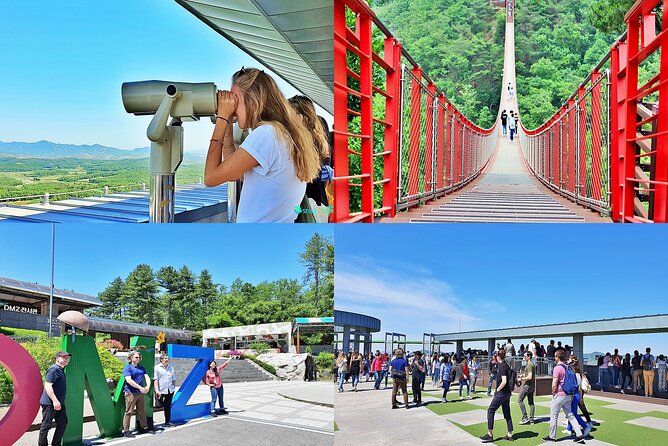
- Tunnel 3, on foot: walk into the 3rd infiltration tunnel to see the real geometry up close, not just photos.
- Dora Observatory telescopes: use the observatory setup to look toward North Korea’s propaganda village across the border on clear days.
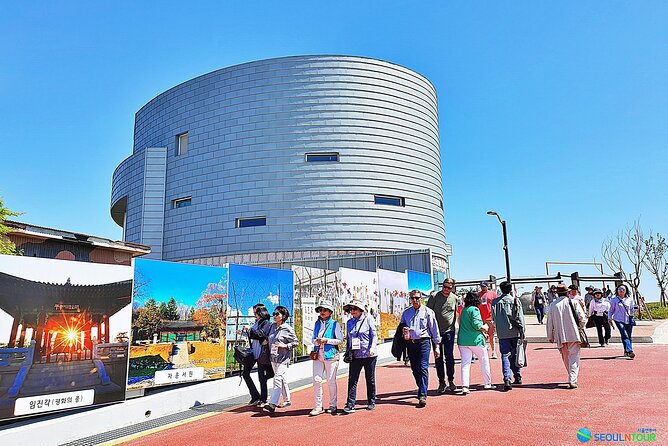
- North Korea Experience Hall: a dedicated stop that adds explanation beyond the usual monuments.
- Imjingak Park landmarks: Freedom Bridge, old steam trains, and memorials that frame the Korean War refugee story.
- Gloucester-area memorials and views: Gloucester Hill Memorial plus the Gloucester Heroes Suspension Bridge for a dramatic finale.
- Built-in reroutes: when Tunnel 3 or Dora Observatory are closed, the tour swaps in other DMZ sites so your day is not wasted.
DMZ tour from Seoul: what you are really signing up for
A DMZ day tour from Seoul is not a casual sightseeing loop. It is a concentrated encounter with one of the world’s most heavily armed borders, plus the stories that built it. This particular tour is designed for first-time visitors who want the “what happened, why it matters, and what you can still see today” angle, without adding extra hunting and ticketing on your own.
At $65 per person for about 9 hours, the value is mostly in how much is bundled: transportation, professional guide time, and entrance fees. You are also getting a full set of major DMZ components in a single day, including the tunnel and the observatory stop that many one-day plans try to skip because they are logistically tricky.
The small-group size matters too. When you are standing in sensitive places, asking questions and hearing explanations clearly is a lot easier in a group that stays under 16.
You can also read our reviews of more tours and experiences in Seoul.
Morning pickup and the ride to Imjingak Park
The day starts at City Hall Station in Seoul, with pickup at a meeting point near public transportation. You return to City Hall Station near 4:50 pm, so mentally treat this as a full-day outing.
After pickup, you travel by climate-controlled coach to Imjingak Park. That coach ride is a real comfort on both hot and cold days, because your body will need energy for the walking later. Also, you are starting in the right place. Imjingak Park is where many DMZ tours begin because it sets the human story first, not the machinery of conflict.
Imjingak Park: Freedom Bridge, steam trains, and refugee memory
Imjingak Park (also listed with Imjingak Pyeonghoa-Nuri Park) is the emotional opening act. You will see symbolic monuments like the Freedom Bridge and memorial elements, and you will hear context from your guide about Korean War refugees and what these landmarks represent today.
One practical bonus: this stop gives you a moment to stretch your legs and get oriented before the tighter, more intense portions of the route. The duration is about 1 hour 30 minutes here, and since it is a lighter-feeling segment compared to tunnel time, it helps the rest of the day feel more manageable.
North Korea Experience Hall: curiosity with actual context
Next comes the North Korea Experience Hall, a shorter stop but one that adds depth. The idea is simple: you are not just staring at a border and hoping the pieces make sense. This hall is there to satisfy curiosity in a more educational way, so you can connect the monuments and viewpoints later to how North Korea is presented and understood.
This is the kind of stop where a good guide really helps. If your guide is animated and clear, the hall reads like a strong primer. If your guide is harder to follow, you may feel like you are rushing through it. The good news is the group is small, so you can ask quick questions when something lands fuzzy.
The core DMZ spine: Third Infiltration Tunnel

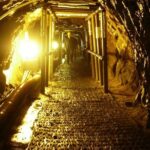
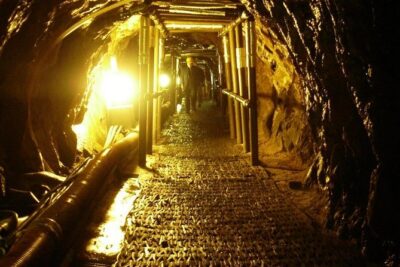
The schedule then moves toward the highlight most people remember: the 3rd Infiltration Tunnel. It was built by North Korea in the 1970s as a military strategy, and you get to see it up close.
Here is what to expect physically. You will disembark and follow your guide into the tunnel section on foot. You should plan for narrow walking space and stair-like climbs or descents as you move through. In real-world terms, I strongly suggest preparing for steep, tiring legs. One past visitor specifically advised to prepare for a climb around 400 meters unaided, plus both uphill and downhill work around tunnel and bridge areas.
Wear comfortable shoes with grip. This is not the day for soft soles or footwear that slips on uneven surfaces.

DMZ Exhibition Hall: old weapons, film, and the “why” behind the sights
After the tunnel, you head to the DMZ Exhibition Hall. This stop is about turning your tunnel photos into understanding. You can expect displays of old weapons and a film that lays out the history of Korea.
The value here is pacing and meaning. After walking in Tunnel 3, your brain is already engaged. The exhibition hall gives you the narrative backbone, so the tunnel becomes more than a dramatic prop.
If you like history with structure, this is where the day clicks. If you only want “views and thrills,” you might still find it worthwhile because it explains what you are looking at and why it is significant.
Dora Observatory: telescopes aimed toward North Korea
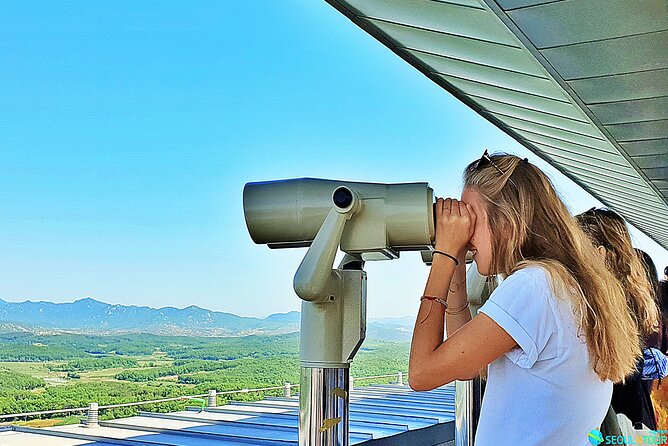
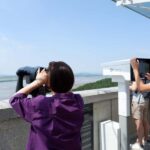
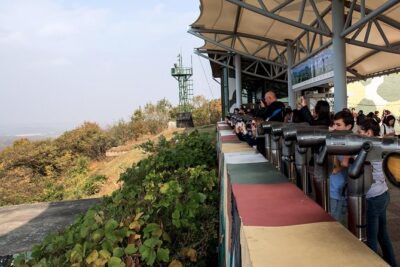
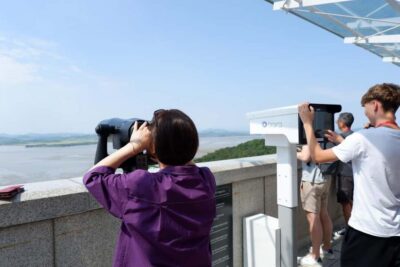
Then comes Dora Observatory on Mt. Dora, the part many first-timers describe as unforgettable. You look at North Korea through telescopes trained on North Korea’s propaganda village across the border.
On clear days, the viewing experience can be sharper, and you may even be able to spot the flagpole at Kijŏng-dong, listed as the southernmost village in North Korea from the observatory perspective. Your guide will use that setup to point out what you are seeing and what it means in terms of division.
This is also a moment where your guide’s skill matters. Some guides are especially good at turning what you see into simple explanations. People have praised guides like BK, Young, and Roy for making the day feel like a real history lesson, not just a bus route.
One practical tip: dress for weather. Observatories can feel colder or windier than street-level Seoul.
Passing Unification Village: the human wish for reunification
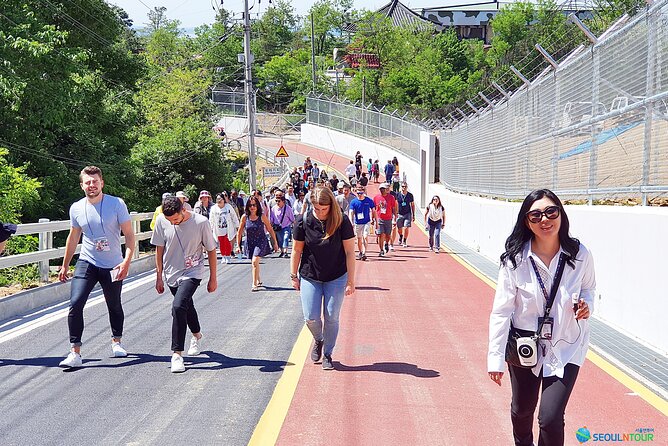
On the way back, you pass Unification Village and hear from your guide how people wish for reunification of the two Koreas.
This is not the kind of stop where you chase souvenirs. It is more of a reflective pause that connects the day’s events to the stakes for ordinary people, not just military strategy.
Gloucester Hill Memorial and the Gloucester Heroes Suspension Bridge finale
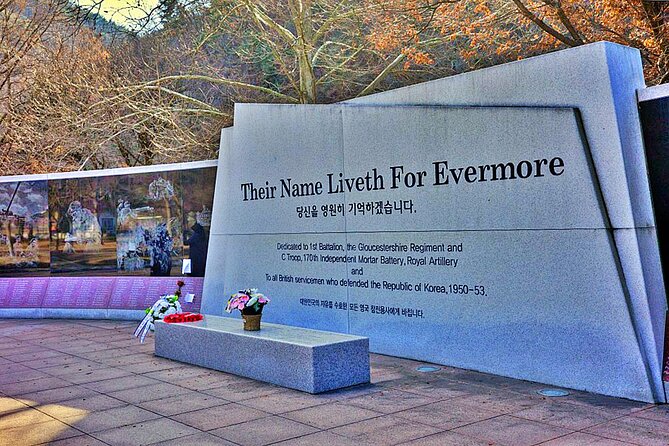
After returning toward Imjingak Park, you continue to Gloucester Hill Memorial, described as an important battlefield area during the Korean War. This stop keeps the focus on the cost of the conflict, which matters after you have been looking at division from above and behind telescopes.
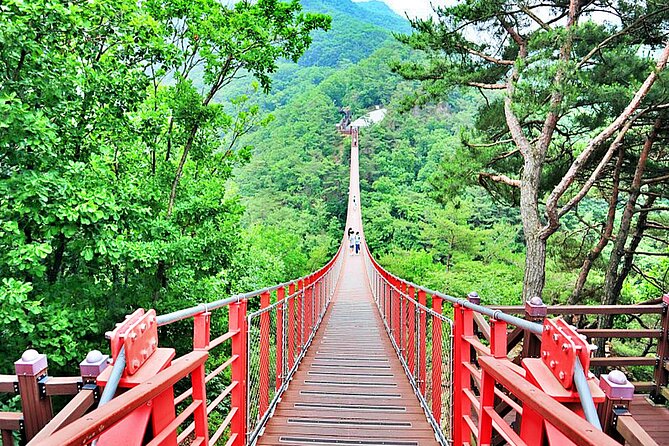
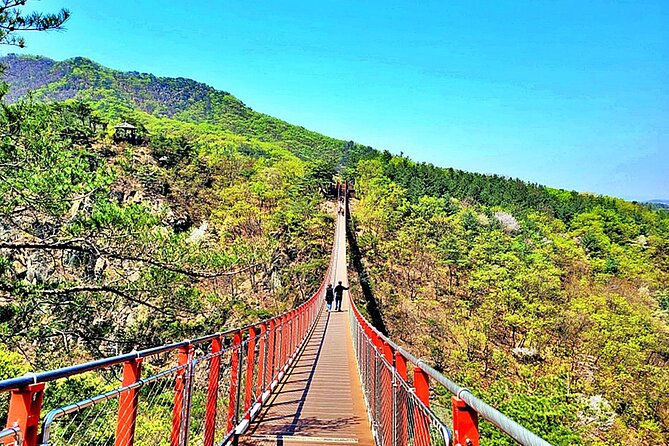
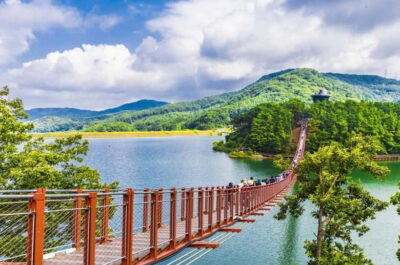
Finally, you visit the Gamaksan Chulleong Bridge, which is also called the Gloucester Heroes Suspension Bridge. It opened in 2016 and is described as the longest mountain suspension bridge in South Korea, with a “walking above the clouds” feel.
Plan for the ending to be physical. One review advice thread was blunt: treat the suspension bridge as something only comfortable walkers should take on, since the bridge and surrounding paths involve descents and climbs that can challenge some people. That lines up with the overall message for this tour: it is not a sit-and-ride DMZ day.
Also, if you have time and the conditions allow it, there may be points of interest after crossing the bridge, like a waterfall and a temple mentioned in feedback.
When Tunnel 3 or Dora Observatory are closed: the tour’s backup plan
This is a real point to know before you go, because DMZ access can change due to military operations or weather. The tour runs year-round, but on Mondays, public holidays, or days when Tunnel 3 and Dora Observatory are closed, you switch to a special course.
That special course includes stops such as:
- North Korea Experience Center
- Imjingak Pyeonghwa-Nuri Park
- DMZ Peace Gondola
- Gloster Hill Memorial Park
- Suspension Bridge
If access to the suspension bridge or Gloucester Memorial is restricted, the itinerary can be adjusted to include alternatives such as Odusan Unification Observatory or the War Memorial of Korea. In heavy rain, snow, or security control situations, the suspension bridge can close, and you might visit Odusan Unification Observatory or Majang Lake Suspension Bridge instead.
Bottom line: you should not treat the bridge and Tunnel 3 as guaranteed. But you can treat the day as structured. The tour is designed so you still visit multiple DMZ sites even when one component becomes unavailable.
Price and value: why $65 can make sense here
$65 feels like a lot until you price out what you are actually getting. This tour includes pickup, a professional guide, entrance fees, and transportation. You are also getting multiple named DMZ sites that are not always easy to combine on your own.
This is also why the small-group cap matters for value. If you were paying the same price in a larger bus setup, it would be harder to ask questions and get explanations that match what you are looking at. In past days, guides have been singled out by name, including Sookhee, Seokhee, Lua, April, Juni, and Mr Young, which is often a sign that the guiding style is a major part of what makes the day work.
Who should book this DMZ + suspension bridge tour
I’d target this tour if:
- You are visiting Seoul and want a full DMZ day without hopping between multiple booking sites.
- You want a mix of monuments and “viewing tools,” meaning telescopes at Dora Observatory plus the walk into Tunnel 3.
- You like guided context, not just standing at photo spots.
It might not fit you as well if:
- You do not handle stairs and steep walking well. The tunnel walk and bridge approach are part of the core experience, and the day can feel strenuous.
- You need a very relaxed pace. The schedule is packed, and while many guides manage timing well, at least one past visitor flagged that it can feel rushed.
If you fall in the middle, bring patience and plan your body first: water, comfortable shoes, and pacing breaks if your guide allows them.
Should you book this tour?
Yes, if you want one day that gives you the clearest picture of the Korean War legacy and modern division, with Tunnel 3 and Dora Observatory as the anchors. The price is fair because entrance fees and transport are included, and the small-group size helps the explanations land.
I’d think twice if you have mobility limits. The day includes a narrow tunnel section, climbs and descents, and a suspension bridge that some people find physically demanding. If you are unsure, choose good footwear, come prepared for a workout, and be ready for weather and access rules that may swap parts of the route.
If your goal is meaningful context and a memorable view, this is the kind of DMZ tour that tends to leave people thinking about the human cost long after the photos fade.
FAQ
How long is the DMZ and Suspension Bridge tour from Seoul?
The tour runs about 9 hours, and it ends around 4:50 pm, returning to City Hall Station.
Where do I meet, and where does the tour end?
You meet at City Hall Station in Seoul. The tour ends back at City Hall Station.
Do I need a passport for this tour?
Yes. A current valid passport is required on the day of travel. You do not need to send a passport copy in advance.
What is included in the price?
Pickup, a professional guide, and all fees and taxes are included. Transportation is also included as part of the day.
Is lunch included?
No. Lunch is not included, and drinks are also not included.
What happens if the 3rd Tunnel or Dora Observatory are closed?
On Mondays, public holidays, or days when the 3rd Infiltration Tunnel and Dora Observatory are closed due to military or weather conditions, the tour uses a special course that includes other DMZ sites like the North Korea Experience Center, Imjingak Pyeonghwa-Nuri Park, and the DMZ Peace Gondola, plus memorial and the suspension bridge.
Is the suspension bridge visit always guaranteed?
No. If access is restricted due to military operations, weather, or security control, the itinerary can be adjusted and you may visit alternatives such as Odusan Unification Observatory or Majang Lake Suspension Bridge.
More Tours in Seoul
More Tour Reviews in Seoul
Not for you? Here's more nearby things to do in Seoul we have reviewed


DMZ Day Tours from Seoul, compared.
 ★ 5.0Best DMZ Tour Korea from Seoul (Red Suspension Bridge Optional)From $2941,422 reviews
 ★ 5.0DMZ Tour: 3rd Tunnel, Option(Suspension Bridge, Boat) from SeoulFrom $3521,373 reviews
 ★ 5.0DMZ tour south Korea from Seoul (NK experience hall, defector)From $2620,599 reviews
 ★ 4.9DMZ Insider Tour: 3rd Tunnel, NK Defector Meet & Red BridgeFrom $5015,214 reviews
 ★ 4.8DMZ Tour with Optional Suspension BridgeFrom $455,277 reviews
 ★ 5.0Signature DMZ Tour: Exclusive Defector Talk & Suspension BridgeFrom $274,459 reviews
 ★ 5.0Thrilling Korean DMZ 3rd Tunnel Tour from Seoul + Red Bridge RushFrom $353,097 reviews
 ★ 5.0DMZ Past and Present: Korean Demilitarized Zone Tour from SeoulFrom $372,481 reviews
Browse the lists this tour appears in