
Reviewed · DMZ DAY TOURS FROM SEOUL
[Small Group] Aegibong and DMZ Closest Views of North Korea
Your passport opens a different Korea. This small-group day combines DMZ history with rare clear North Korea views, and it is easy to follow from start to finish, thanks to tight timing. One thing to plan for, it is a long, full schedule with ID checks and a lunch break that is not included.
I also like the human factor. In the feedback I read, guides such as Eunice, Mimi, Sophia, and Jung were praised for clear explanations and warm, steady pacing, and the tour timing is managed so you are not stuck in the chaos of the biggest bus groups.
Key Highlights You Will Feel Immediately
- Small-group flow and smart timing help the day move smoothly rather than fight crowds
- Imjingak Pyeonghwa Nuri Park sets the emotional and political context before you go closer
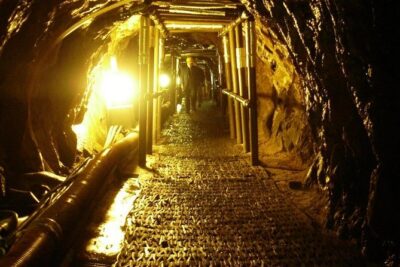
- 3rd Infiltration Tunnel gives Cold War-era scale and purpose in a very tangible way
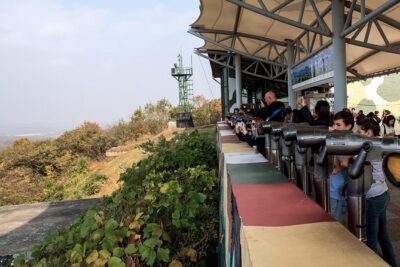
- Dora Observatory lets you look toward Panmunjeom and Daeseong-dong from a prime vantage point
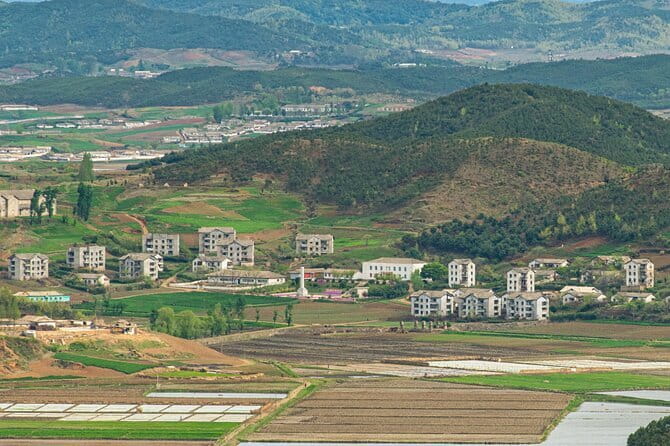
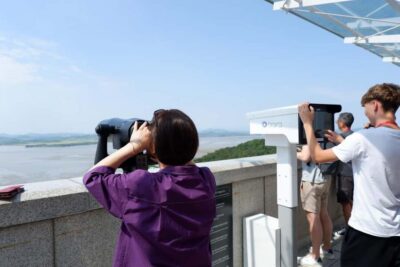
- Aegibong Peace Eco Park is the closest viewing area, with clear, unobstructed looks toward villages and farmland
- Jogang Observatory at Aegibong is where the border-view payoff happens, even if you keep expectations grounded
Your Passport Opens the Day: DMZ Basics From Seoul
This is not a casual sightseeing loop. The DMZ is a restricted zone tied to security rules, so your day starts with structure and paperwork, then turns into something more focused and intense than a typical Seoul outing.
The core idea is simple: you get the major checkpoints and viewpoints in one 8 to 9 hour day, plus an English-speaking guide in an air-conditioned vehicle. It is priced at $120 per person, which sounds steep until you factor in that admissions are included and you are using a guided, permitted route rather than trying to assemble it yourself.
You can also read our reviews of more tours and experiences in Seoul.
Price and Logistics: What the $120 Covers (and What It Does Not)
At $120 per person, you are paying for more than transportation. Your ticket includes admissions listed on the itinerary, private transportation, and an English guide. In other words, you are buying time, permission, and interpretation.
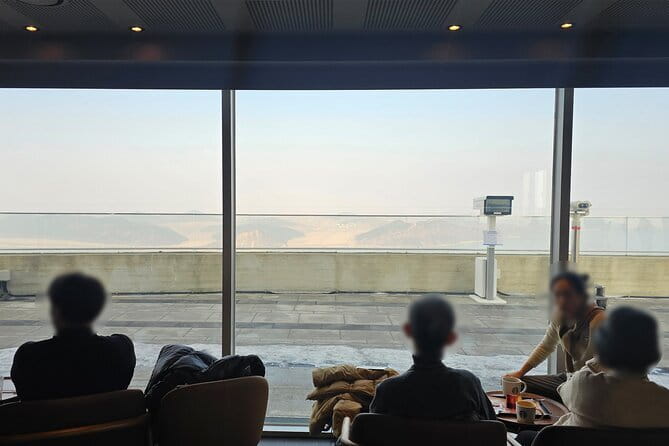
What is not included is also important for planning. Lunch is not included, and coffee or tea is not included either, even though there is a Starbucks stop inside the Aegibong Peace Ecopark area. You can treat that as a break and a chance to sit down, but bring or plan for your own meals and drinks.
This tour also uses a mobile ticket, and pickup is offered. The maximum group size is 40, which usually means you get more elbow room than large bus tours, and your guide can keep an eye on timing.
Imjingak Pyeonghwa Nuri Park: Memorials That Set the Tone

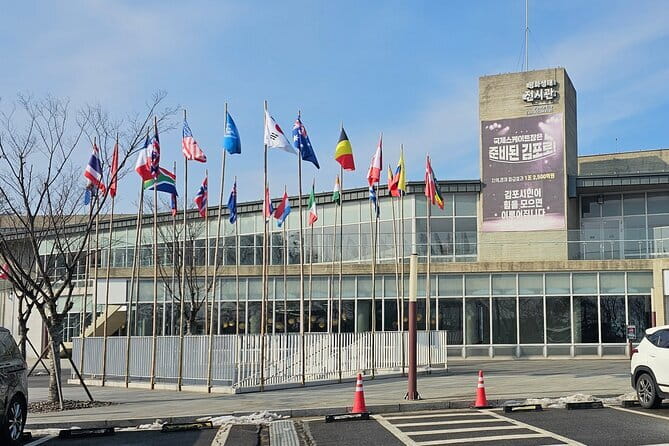
You start at Imjingak Pyeonghwa Nuri Park, and that is a smart opening. Before you look outward toward North Korea, you get the human and historical frame at Imjingak, a complex with several spaces and monuments tied to unification and security.
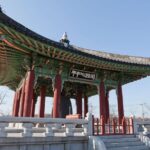
Expect to spend about 2 hours here. This is where Imjingak Pavilion, the North Korea Center, Unification Park, and the memorial sites come into play. If you want the day to make sense, this is the part to pay attention to, even if you are eager to get to the viewpoints right away.
Pyeonghwa Nuri Park within Imjingak is also the place where events take place, so depending on the day you might notice a busier atmosphere. Either way, it is designed to connect the Korean War era to the ongoing hope for reunification, without turning it into just another photo stop.
ID Check and the Unification Bridge: Where the Day Becomes Real
After you arrive, you will do an ID check. Bring your passport, because this tour explicitly asks for it. You cross the Unification Bridge only after the ID check, and you are entering a restricted area where rules and timing matter.
This is not the time to be casual. Wear shoes you can stand in for a while, keep your passport easy to find, and follow the guide’s instructions immediately. The value of a guide here is not just explanation, it is also keeping the process moving and helping you avoid small mistakes that can cost time.
Even if you have visited museums before, this part changes the mood. You are not just learning about the DMZ on a screen, you are moving through the system that governs access to it.
DMZ Theater and Exhibition Hall: The Context Piece You Should Not Skip
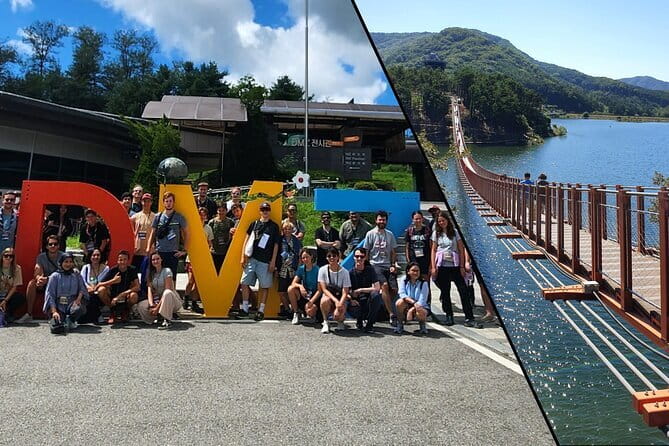
You also visit the DMZ Theater & Exhibition Hall. This is the spot that ties together the Korean War, armistice agreements, and peace-building efforts in a structured way.
I like this stop because it slows the day down just enough for your brain to organize what you are seeing later. Without it, the tunnel and observatories can feel like separate attractions. With it, they start to connect into one story: what happened, what stopped, and what remains unresolved.
Since your schedule is packed, this is one of those moments where it helps to sit forward and listen. Take in the basics, then you will get more out of the view stops.


The Third Tunnel: Cold War Engineering, Not Just a Sight
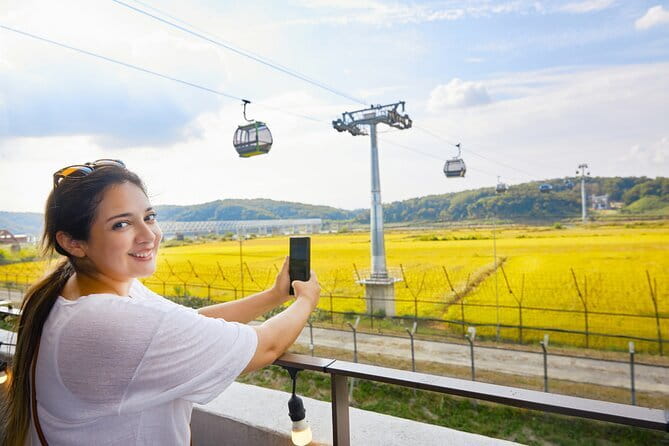
The 3rd Infiltration Tunnel is a big highlight, and not only because it is famous. It was built by North Korea for the purpose of invading South Korea and was discovered in 1978. It is also described as the closest of the known tunnels to Seoul, about 52 km away.
You will spend about 1.5 hours at the tunnel stop. The physical reality matters here. You are descending into a passageway tied to an actual invasion concept, and that gives the armistice story a darker, more practical edge.
A key consideration: the tour asks for moderate physical fitness. You will descend into the tunnel, so wear comfortable clothing and expect that you will be moving at a pace set by the site and the group.
If you remember only one part of the day that feels concrete, make it this one. Many people leave the DMZ saying the tunnel was the most memorable, not because it is fun, but because it is specific.
Dora Observatory: Panmunjeom and Daeseong-dong From a Close Viewing Point
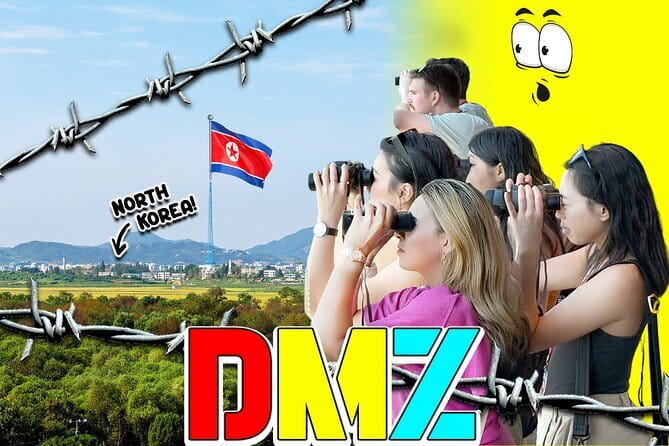
Next comes Dora Observatory, which is described as the closest DMZ observatory to Panmunjeom. From here, you can see not only Panmunjeom, but also the village of Daeseong-dong within the DMZ, plus mountains and farmlands in the surrounding view.
You get about 1 hour here, which is enough time to look, take notes if you like, and reframe what you saw earlier. The observatory feels different from the tunnel. The tunnel shows intent and engineering. Dora shows geography and distance, and it helps you understand why these viewpoints are guarded and controlled.
Practical tip: bring patience and avoid rushing your photos. Use your time to scan the view, then ask your guide what you are looking at. Guides named Eunice, Mimi, Sophia, and Jung were often praised for explaining things clearly, and this is exactly where that skill helps you see more in a limited time window.
Aegibong Peace Eco Park: Closest Point Views Without the Chaos
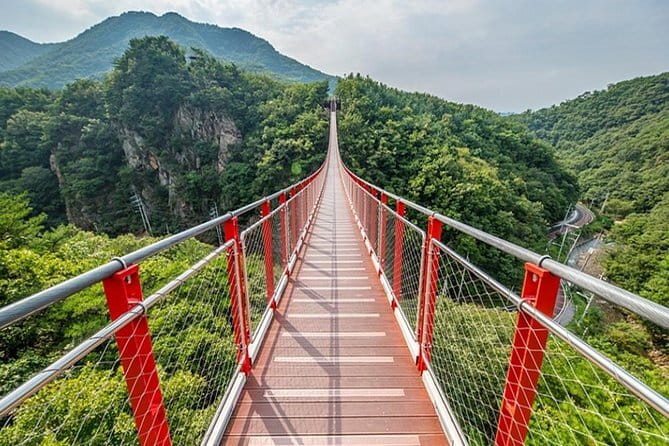
After the DMZ stops, the tour shifts from hard security to an area focused on peace symbolism and scenery. You head to Aegibong Peace Eco Park in Gimpo, and this is where you get what many people book the day for, the closest views of North Korea from South Korea.
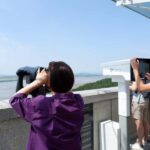
The park is known for clear, unobstructed views of North Korean villages, farmlands, and daily life. You will spend about 1 hour at Aegibong Peace Eco Park, and there are nature areas and walking paths as well.
This stop changes the emotional tone. Instead of tense history, you get something calmer and more open, while still dealing with the fact that you are looking at a place you cannot enter. That contrast is part of what makes the visit powerful.
Keep expectations grounded. You are not seeing individuals up close like a movie. But you can still appreciate the scale and the everyday land use, which is what makes the view feel more real than just a distant silhouette.
Jogang Observatory and the Starbucks Aegibong Stop: A View Break That Makes Sense
Your next stop is connected to Jogang Observatory, located in the Aegibong Peace Ecopark area. This is the point that provides a close-up style view of North Korea, with villages and farmlands in the frame.
You will also have a Starbucks stop at Aegibong Peace Ecopark. The itinerary lists it as its own stop, and the tour includes admission fees, but coffee or tea is not included. So treat Starbucks here as a convenience and a chance to rest your legs, not as part of the tour value package.
I like this pairing because your eyes and mind need a break after the tunnel and observatory time. Sit down if you need to, drink something you bought yourself, then return to the view with fresh attention.
Time-wise, your tour is designed to finish in the afternoon. You are expected to reach Aegibong around 15:00, and then the tour drop-off back in Seoul is estimated around 16:00 in Myeongdong.
Guide Quality and Small-Group Timing That Makes the Day Work
The biggest quality signal in the feedback is the guide. People repeatedly praised guides for being kind, personable, and clear, with good historical context tied to what you are actually seeing. Names like Eunice, Mimi, Sophia, and Jung came up often, and that matters because the DMZ day can feel like a series of stops unless your guide connects them.
Another praised point is timing. One of the strengths of a small group is that you are less likely to get stuck waiting in the same bottlenecks as big bus tours. In the feedback I read, the small group timing was described as intentionally planned so the group is positioned just before larger tour arrivals. That is not a small detail. It changes the feel of the whole day from rushed to manageable.
Also, with a maximum of 40 people and private transportation, you usually get a more controlled pace than the typical mass tour approach. You still must follow site rules, but your guide can help you make the best use of the short time windows.
What to Pack, How to Dress, and Who This Tour Fits
This tour is built for a wide range of people, but it is not “sit and cruise” tourism. You should expect walking, standing, and descending into the third infiltration tunnel. Moderate physical fitness is requested, so plan your body for that.
Wear comfortable shoes you can trust. Bring a layer, because DMZ day weather can shift, and observatory viewing means you may be standing and looking for extended moments. If you get cold easily, pack accordingly.
For your day plan, also assume no lunch is included. If you want to keep the flow, eat something before pickup or bring a snack for the long stretch. You will finish in the afternoon, so you can also plan a proper Seoul meal after you are dropped off in Myeongdong.
This is a great fit if you want:
- A guided route that handles ID checks and admissions for you
- A full-scope DMZ day with history plus viewpoints
- A small-group feel that reduces downtime and waiting
Should You Book This DMZ and Aegibong Small-Group Tour?
If you want one day that covers the DMZ’s key emotional and physical landmarks, this is a solid choice. The price makes more sense when you remember admissions and an English guide are included, and the day is structured so you see Imjingak, the tunnel, Dora Observatory, and the closest Aegibong views without coordinating multiple tickets.
I would book if you are comfortable with a full day, bring your passport, and you are ready for moderate physical activity. You should also book if clear views and interpretive context matter to you, because the guide role here is what turns the stops into one coherent experience.
Skip it only if you cannot handle long time at controlled sites or if you need a fully catered meal plan. It is a history and viewing day, not a leisurely picnic outing.
If you can manage those basics, you will leave with a more grounded sense of the Korean Peninsula, not just photos, and a closer look at North Korea that is as much about distance and rules as it is about what you can see.
FAQ
How long is the Aegibong and DMZ closest views tour?
The tour runs about 8 to 9 hours.
Do I need to bring my passport?
Yes. The tour includes an ID check and you should bring your passport.
What is included in the $120 per person price?
Admission fees listed on the itinerary, air-conditioned vehicle, private transportation, and an English guide.
Is lunch included?
No. Lunch is not included.
Where do you start and where do you get dropped off?
You start at Imjingak Pyeonghwa Nuri Park. The tour drop-off is in Myeongdong, Seoul.
Is coffee or tea included?
No. Coffee and tea are not included.
Does the tour depend on weather?
Yes. It requires good weather, and if it is canceled due to poor weather you are offered another date or a full refund.
What is the maximum group size?
The tour has a maximum of 40 travelers.
Is there free cancellation?
Yes. You can cancel up to 24 hours in advance for a full refund. If you cancel less than 24 hours before the start time, the amount paid is not refunded.
More Tour Reviews in Seoul
Not for you? Here's more nearby things to do in Seoul we have reviewed


DMZ Day Tours from Seoul, compared.
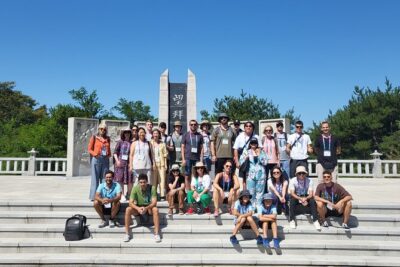 ★ 5.0Best DMZ Tour Korea from Seoul (Red Suspension Bridge Optional)From $2941,422 reviews
 ★ 5.0DMZ Tour: 3rd Tunnel, Option(Suspension Bridge, Boat) from SeoulFrom $3521,373 reviews
 ★ 5.0DMZ tour south Korea from Seoul (NK experience hall, defector)From $2620,599 reviews
 ★ 4.9DMZ Insider Tour: 3rd Tunnel, NK Defector Meet & Red BridgeFrom $5015,214 reviews
 ★ 4.8DMZ Tour with Optional Suspension BridgeFrom $455,277 reviews
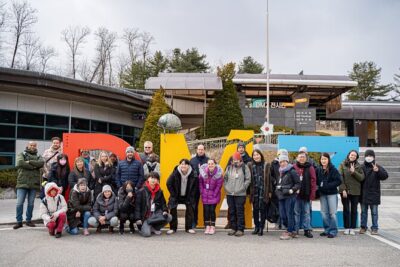 ★ 5.0Signature DMZ Tour: Exclusive Defector Talk & Suspension BridgeFrom $274,459 reviews
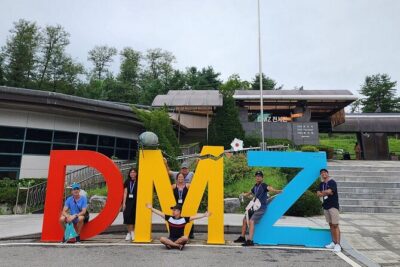 ★ 5.0Thrilling Korean DMZ 3rd Tunnel Tour from Seoul + Red Bridge RushFrom $353,097 reviews
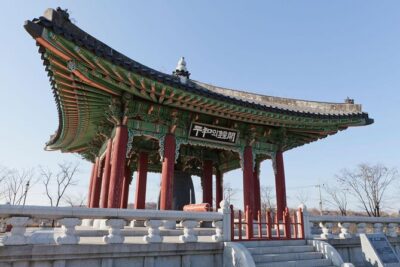 ★ 5.0DMZ Past and Present: Korean Demilitarized Zone Tour from SeoulFrom $372,481 reviews
Browse the lists this tour appears in