
Reviewed · DMZ DAY TOURS FROM SEOUL
Seoul: Paju DMZ Private Tour with Former US Military Base
This is one of those days that sticks. You’ll see the Korean DMZ through the lens of former US base remains, a real infiltration tunnel, and telescopes aimed north, all tied together by a bilingual guide. I especially like the chance to descend into the Third Infiltration Tunnel and the fact that hotel pickup and drop-off removes the headache of getting in and out.
I also like how the day balances emotion and facts. You start at Imjingak, then move to Camp Greaves, and finally end at Dora Observatory where you can look into North Korea through dedicated optics on clear days. One thing to keep in mind: this is a long, packed day, and the tunnel walk is cramped, dim, and not stroller or wheelchair accessible.
If you want a structured DMZ experience with minimal waiting and clear explanations, this is a strong way to do it. A bunch of guides have been praised for being friendly, thorough, and willing to answer questions, including John, Jenny, Jonathan, Julie, Chuck Park, Cecilia, Nammin, and Stella. Just plan for tight spaces, bring your passport, and expect the schedule to shift with weather and traffic.
Key points
- Hotel pickup and drop-off in central Seoul keeps the day calm and efficient
- Third Infiltration Tunnel descent brings history down to a physical level
- Former US Camp Greaves connects Cold War ruins to today’s peace messaging
- Dora Observatory telescopes let you peer north on clear days
- Imjingak Park reflection gives context for what the DMZ means beyond sightseeing
- Small private-group pacing can feel more personal than big bus tours
From Seoul with a real guide, not a scramble
The biggest value here starts before you even reach the border. You get morning hotel pickup in central Seoul, then round-trip transportation back in the evening with multiple possible drop-off points (Dongdaemun History and Culture Park Station Exit 10, Hongik Univ. Station Exit 3, or Lotte Department Store Main Store). That matters because DMZ-area logistics can be the difference between a relaxed day and a stressful one.
Once you’re moving, the guide work is a key part of the experience. Recent tour narratives highlight guides like John and Jenny for their history explanations, and Jonathan and Julie for organized storytelling and lots of Q and A. Chuck Park is noted for keeping things moving without losing the meaning, and Nammin or Stella are remembered for mixing clarity with a warm, human attitude.
Two practical notes you should plan for right away. First, you need your passport (and a valid ID for all guests on tour day, including children) because incorrect details can lead to denial into the DMZ area. Second, the whole day is subject to traffic and weather, so build in a little flexibility.
You can also read our reviews of more private tours in Seoul
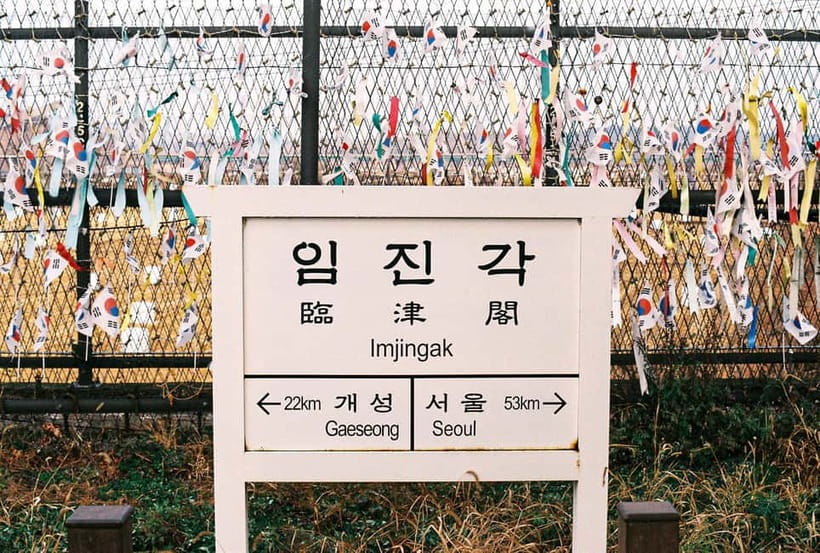
Imjingak Park: where the divide becomes personal
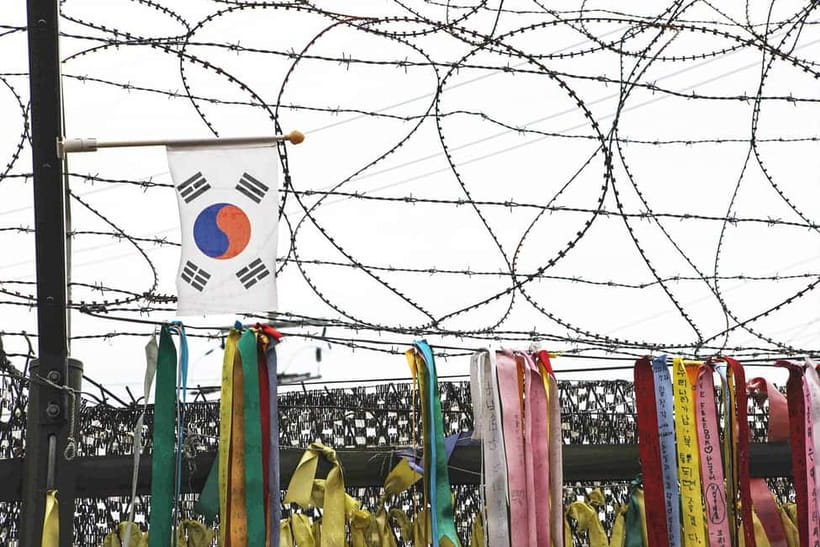
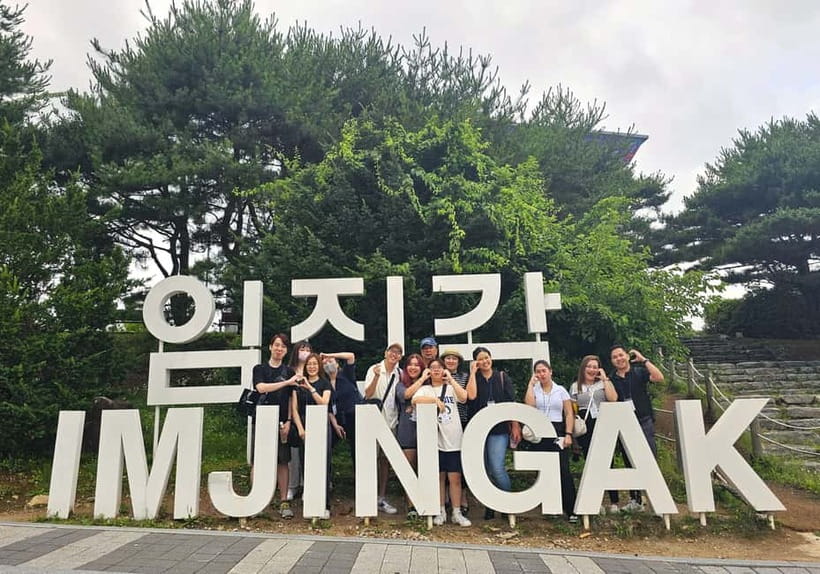
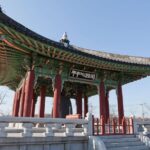
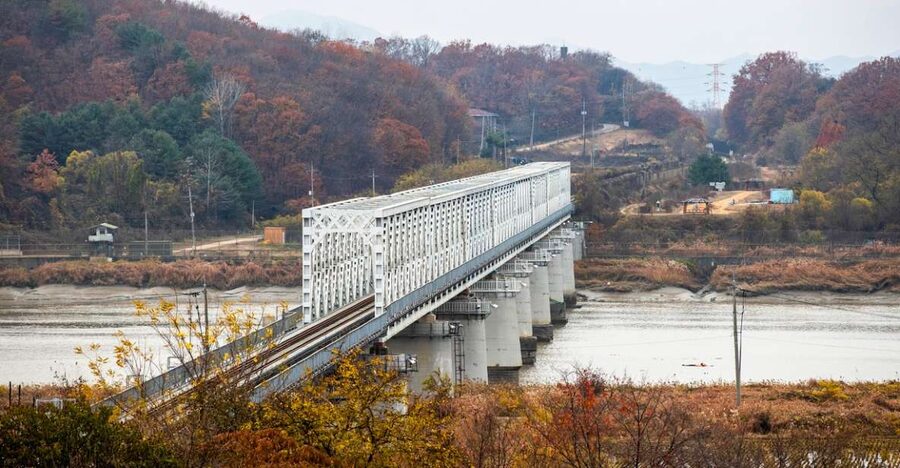
Your morning drive brings you to Imjingak, a peace and memory space tied to the Korean War’s cease-fire reality. This is not about flashy attractions. It’s about context. From Imjingak, you can overlook the Imjin River and the border area’s historical surroundings, which helps you understand why people treat this line as more than a line on a map.
The mood here tends to be reflective, and it earns its place on a DMZ day. It’s the moment where the tour shifts from “where is the border” to “what does the border do to real lives.” If you like history that comes with feeling, this stop is a strong anchor.
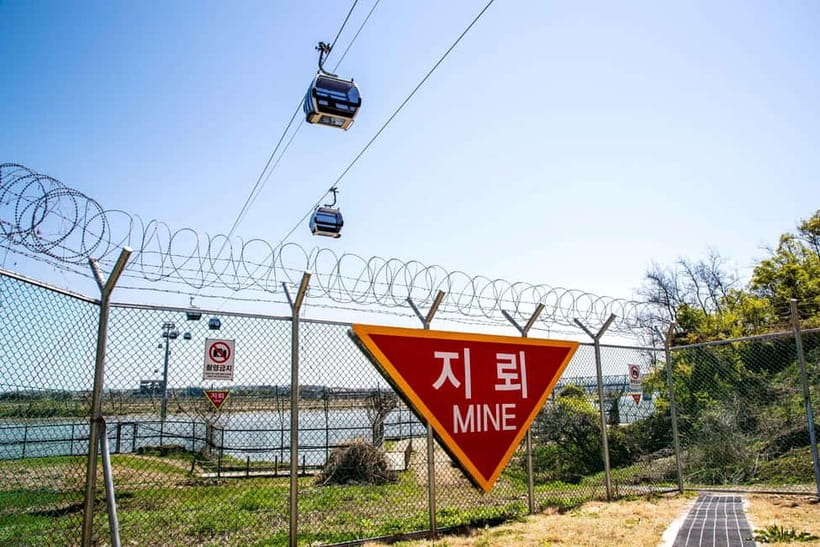
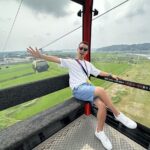
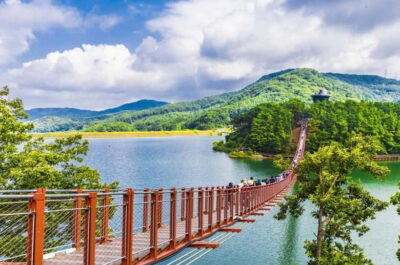
There’s also optional fun if you want one more sensory moment. You can add a Peace Gondola ride across the Imjin River for an extra fee (not included in the base tour price). It’s a good way to break up the emotional weight with a simple, scenic crossing, assuming that’s operating on your day.
Timing is fairly generous on paper, with about 40 minutes at Imjingak plus free time around the area. That free time matters because you’ll likely want a slow walk, photos, and a bit of decompression before you head into the more operational side of DMZ sites.
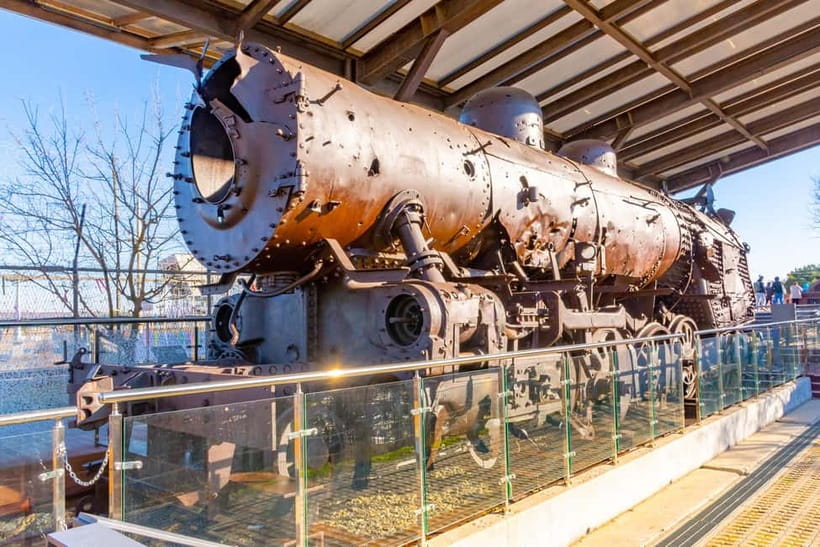
Camp Greaves: Cold War relics, now repurposed
Next comes Camp Greaves, a former U.S. military base that served during the Korean War era. What makes this stop different from a museum-style visit is the mix of leftover structures and hands-on peace-culture programming. You’ll see remnants like old barracks and military facilities, with photo time built in so you can actually capture what you’re looking at.
Camp Greaves also has a modern cultural layer. It has been used as a filming location for popular Korean dramas, which makes it easier to connect what you’re seeing to how South Korea repurposes difficult past spaces into storytelling. Even if you’re not a drama fan, it helps explain why the site can feel approachable without losing its seriousness.
You’ll have around 70 minutes here, including sightseeing and a dedicated photo stop. That’s usually enough time to read, look around, and still stay on schedule for the day’s heavier moments. The one drawback I’d flag is psychological, not logistical: once you start seeing the base layout and the purpose behind the structures, it can feel very real very fast. That’s part of the point, but if you’re sensitive to military settings, keep that in mind.
The Third Infiltration Tunnel: claustrophobia with a helmet
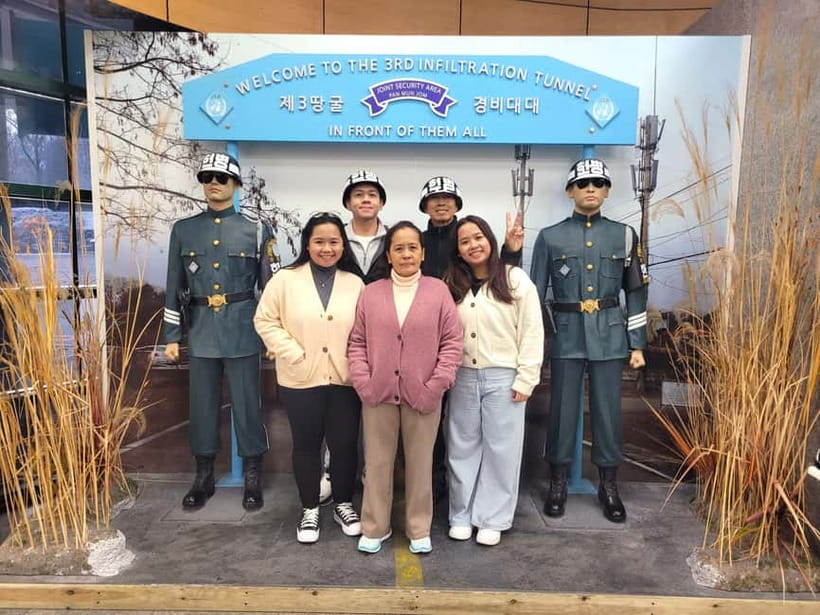
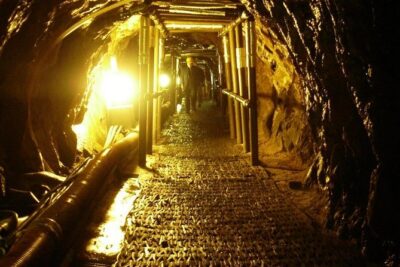
This is the signature stop for a reason: you don’t just watch history, you physically go into it. The Third Infiltration Tunnel was discovered in the 1970s and was dug by North Korea during the Cold War period. It’s over 1.6 km long, and you’ll descend into it using safety gear, including a helmet, before you start walking.
Inside, the conditions are exactly what you’d expect from an infiltration passage. It’s cramped and dimly lit, and your movement will be slower than you want. The benefit is that the tunnel turns abstract geopolitics into a bodily experience. You feel why secrecy, stress, and limited space were so central to how these tunnels were used.
The big practical takeaway: you should wear shoes that you can move confidently in, and you should expect the pace to feel tight. This is not a stop for anyone counting on wide pathways or a stroller-friendly route. If you’re prone to claustrophobia, consider whether this is manageable for you, because even with a guide’s help, the tunnel environment does not change.
You’ll spend about two hours on this segment, including visiting and walking. That time buffer matters, because you’ll likely need a moment to adjust to the lighting, listen to the guide’s context, and then walk at a human speed instead of a photo speed.
Dora Observatory: looking north through telescopes
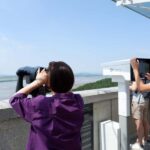
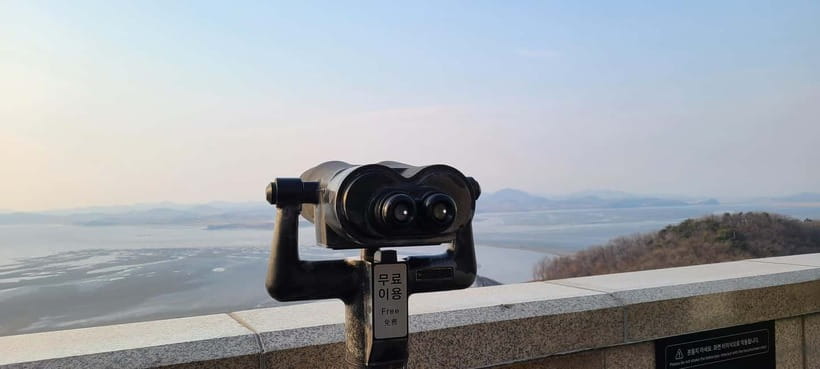
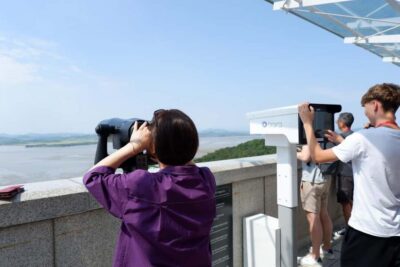
After the tunnel, you’ll head to Dora Observatory, one of the rare public spots where you can peer into North Korea through telescopes. It sits at one of the highest points along the DMZ northern line, which is part of why the optics are set up for viewing.
The magic here is conditional. On clear days, powerful binoculars can reveal border towns in North Korea, including Kaesong, and even statues connected to Kim Il-sung. Even when it’s not perfect visibility, the act of aiming and observing through the provided optics gives you a grounding sense of distance and direction that maps and photos can’t provide.
You’ll have about one hour at Dora Observatory, including free time. That’s enough to take in the view, ask questions about what you’re seeing, and still have time to reset before the ride back to Seoul.
If you want the most from this hour, go in with an attitude of “watch first, then ask.” The guide’s context will make the symbols and sightlines easier to interpret. And if visibility is less than ideal, you won’t feel like you wasted the stop, because the purpose is still to understand what this viewing point represents.


The human thread: guides make or break DMZ days
A DMZ tour lives or dies on interpretation. Facts matter, but the emotional context matters too. That’s why the guide experience is so heavily praised in recent tour stories you can use to predict your day.
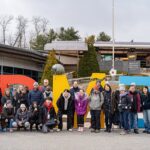
Names that show up often include John, Jenny, Jonathan, Julie, Chuck Park, Cecilia, Nammin, Stella, and Jae Seo. The common thread is clear historical storytelling, friendly interaction, and an openness to questions. Several accounts also emphasize that the guide kept things organized without rushing people at stops, which is exactly what you want when you’re dealing with a day that has security-based rules and timed access.
If you’re traveling with kids, this kind of guided structure can help them stay oriented in the middle of a serious setting. The tour data notes children aged 0+ are charged the same rate as adults, and that can affect value for families, but the guide Q and A can help make the subject matter easier to process.
And if you’re a solo traveler, small private-group pacing can give you more personal attention than you’d get with a large bus crowd. One group size example mentioned in recent tours was as small as six on the English side, which often means less waiting, more conversation, and more time at the spots that matter to you.
Price and value: is $483 per person worth it?
At $483 per person for about 10 hours, this isn’t a budget day. But DMZ access comes with costs, and this tour packages several paid elements into one guided experience. DMZ admission fees and Camp Greaves experiences fees are included, and you also get bilingual guidance (English and Chinese) plus round-trip transport and hotel pickup/drop-off.
So the value question becomes simpler: are you trying to maximize meaning per hour without dealing with border-day chaos? If yes, the price starts to look fair. You’re paying for a guided route that strings together the key DMZ touchpoints in one day, plus the logistics that keep you from hunting for transportation or figuring out timed segments yourself.
Where the extras can affect your real spending is also clear. Meals are not included, and the Peace Gondola ticket is not included. If you add the gondola, add that cost on top. If you don’t, you still get the core emotional and historical sequence.
I’d also think about time value. A full DMZ day eats most of your day, and that’s the kind of schedule where convenience is not a luxury. Hotel pickup, managed timing, and a guide who connects the dots are what keep it from feeling like you’re just checking boxes.
Practical prep for a smooth DMZ day
You can make the day easier with a short prep checklist.
Bring:
- Your passport
- A valid ID for all guests on tour day, including children
Dress and gear:
- Wear closed-toe shoes suitable for walking in dim, cramped spaces (especially for the tunnel)
- Expect a helmet experience in the tunnel area
- Bring a light layer if the air feels cooler inside structures, since conditions can change quickly from outdoor points to enclosed areas
Plan your body and your mind:
- This is not stroller or wheelchair accessible
- Expect a packed-feeling day with multiple stops, including one physically tight passage
- Weather and traffic can shift timing, so don’t plan anything tight right before pickup or immediately after drop-off
Meal strategy:
- Lunch time and breaks exist, with lunch and free time around the Paju-si area included as downtime, but meals themselves are not included. If you like certainty, pick a nearby option close to your guide’s suggestion during the free time.
Who should book this private DMZ tour?
This tour is a great fit if you want one guided day that covers the major DMZ anchors without losing time to logistics. You’ll like it if you care about understanding how the Korean War’s cease-fire has shaped daily reality, and you want the experience to connect meaningfully across Imjingak, Camp Greaves, the tunnel, and Dora Observatory.
It’s especially good for:
- First-time visitors to Seoul who want a structured DMZ day
- History-minded travelers who prefer context with their photos
- People who appreciate bilingual guidance and an interactive, Q and A style tour
- Anyone who values hotel pickup and drop-off for stress-free scheduling
It may be less ideal if:
- You need wheelchair access or stroller access
- You’re uncomfortable with tight, dim indoor spaces like the tunnel
- You’re hoping for a slow, leisurely day with lots of extra free time
Should you book this Seoul DMZ private tour?
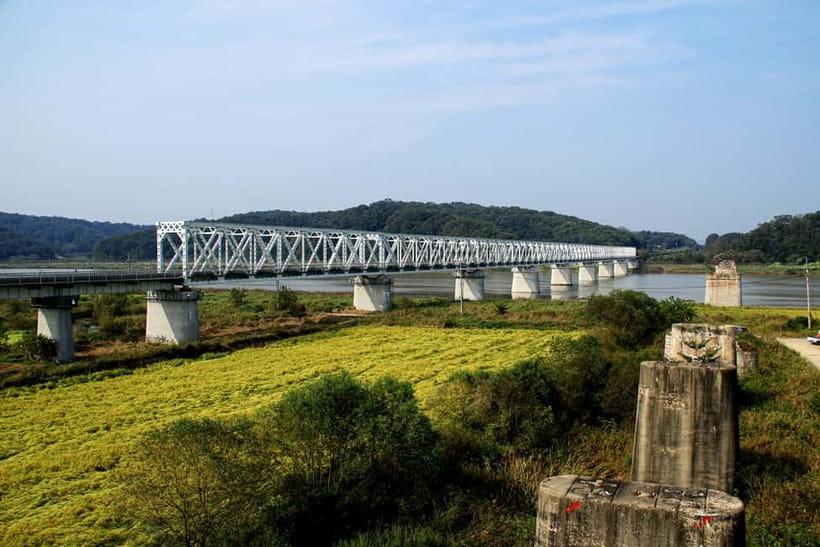
If you want a DMZ day with strong structure, clear interpretation, and the key sites in a single 10-hour stretch, I think it’s an easy recommendation. The biggest strength is how it links places that each teach a different lesson, from Imjingak’s peace messaging to Camp Greaves’ military relics to the tunnel’s physical reality, then out to Dora Observatory’s telescopic northward view.
At $483 per person, it’s not cheap, but you’re buying convenience and access, plus bilingual guiding and included entry and experience fees. If you can handle cramped tunnel conditions and you’re okay bringing your passport and valid ID, this is a smart way to spend a day in Korea that you won’t forget.
FAQ
What sites do you visit on this DMZ tour?
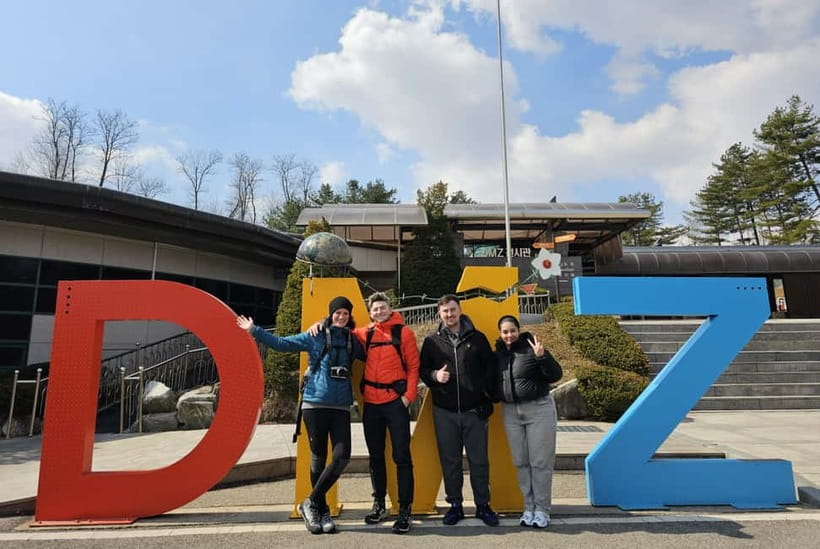
You visit Imjingak Park, Camp Greaves, the Third Infiltration Tunnel, and Dora Observatory. There is also a Peace Gondola option at Imjingak for an extra fee.
How long is the tour?
The tour lasts about 10 hours.
Is hotel pickup and drop-off included?
Yes. Pickup and drop-off are included within central Seoul, with multiple evening drop-off points such as Dongdaemun History and Culture Park Station Exit 10, Hongik Univ. Station Exit 3, and Lotte Department Store Main Store.
Do I need a passport?
Yes. You must bring a passport, and you also need a valid ID for all guests on tour day, including children.
Are meals included?
No. Meals are not included, but lunch time and free time are built into the day.
Are the gondola tickets included?
No. The Peace Gondola ticket is not included, even though the gondola ride can be added with extra fees.
What language is the tour guide?
The guide is English and Chinese speaking.
Is this tour stroller or wheelchair accessible?
No. It is not stroller and wheelchair accessible.
Will I be able to look into North Korea?
At Dora Observatory, you can look into North Korea through telescopes. On clear days, powerful binoculars may reveal border towns such as Kaesong.
Can the tour be canceled?
The tour can be canceled due to security reasons, and the schedule can also be affected by traffic and weather conditions.
More Private Tours in Seoul

More Tours in Seoul
More Tour Reviews in Seoul
Not for you? Here's more nearby things to do in Seoul we have reviewed


DMZ Day Tours from Seoul, compared.
 ★ 5.0Best DMZ Tour Korea from Seoul (Red Suspension Bridge Optional)From $2941,422 reviews
 ★ 5.0DMZ Tour: 3rd Tunnel, Option(Suspension Bridge, Boat) from SeoulFrom $3521,373 reviews
 ★ 5.0DMZ tour south Korea from Seoul (NK experience hall, defector)From $2620,599 reviews
 ★ 4.9DMZ Insider Tour: 3rd Tunnel, NK Defector Meet & Red BridgeFrom $5015,214 reviews
 ★ 4.8DMZ Tour with Optional Suspension BridgeFrom $455,277 reviews
 ★ 5.0Signature DMZ Tour: Exclusive Defector Talk & Suspension BridgeFrom $274,459 reviews
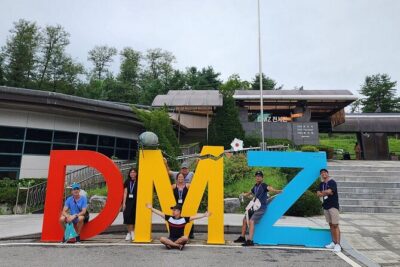 ★ 5.0Thrilling Korean DMZ 3rd Tunnel Tour from Seoul + Red Bridge RushFrom $353,097 reviews
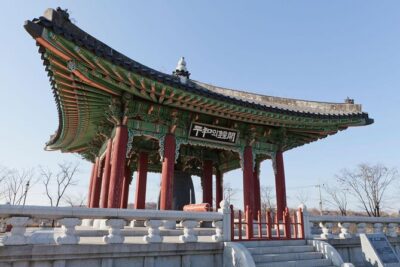 ★ 5.0DMZ Past and Present: Korean Demilitarized Zone Tour from SeoulFrom $372,481 reviews
Browse the lists this tour appears in