
Reviewed · SEOUL GANGNAM & MODERN CITY TOURS
Seoul: Gangnam Tour on Youth and Society in South Korea
Gangnam can look like a movie set, but the tour tells you why it matters. This is a 150-minute walking look at Korean youth and social pressure, from gleaming ads to the quiet stress underneath. I love how the experience keeps one foot in real street life and the other in Korean history and social context, so the glamour actually has meaning. I also like that the guides, often people like Jessica or Jun, bring humor and clear storytelling while covering heavy topics. One drawback to consider: the themes are psychologically heavy, and it is not the right fit if you want a purely light, entertainment-focused Seoul stop.
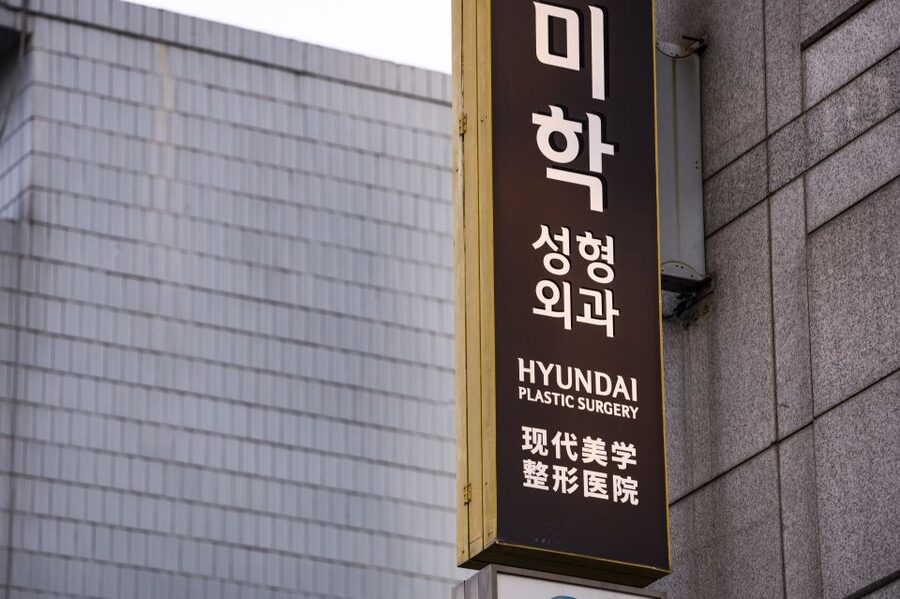
The walk starts at Gangnam Station Exit 11 and moves through areas packed with high-rise buildings, luxury brands, beauty ads, and even plastic surgery clinic signage. You end near the Han River, with a chance to reset your head and think about what you just saw. It’s great value for $33, because you get a local historian guide in English plus seasonal extras like a handsfree fan in summer or hot packs in winter. Just remember this is a walking tour, and it is listed as not suitable for people over 70 or anyone with mobility impairments.
Key Points That Make This Tour Worth Your Time
- Gangnam luxury explained, not just photographed, so you understand why people want to live here
- A clear look at beauty standards, including the plastic surgery boom and how ads shape expectations
- Education pressure as a social system, not a vague complaint, with real context for parents and kids
- The tour connects modern pop culture and economic achievement to traditional social rules
- A mid-tour break with chairs, which helps you keep going even when it is hot or humid
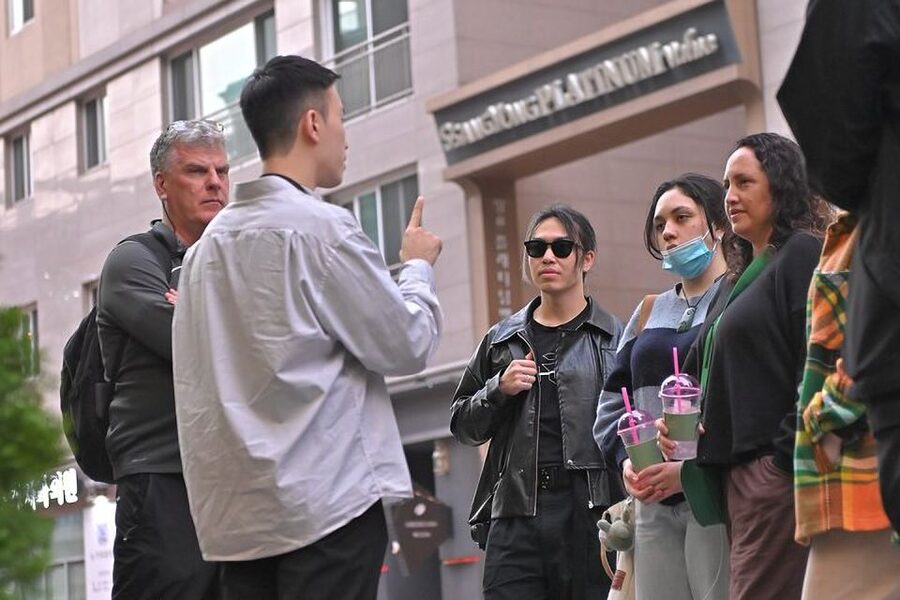
- English storytelling led by guides like Jessica or Jun, known for humor and answering questions
Gangnam Station to Han River, the Tour’s Real Story
If you only see Gangnam as nightlife and shopping, you miss the point. This tour uses Gangnam the way a good museum exhibit uses artifacts, pointing at what’s in front of you and asking why it exists. You start where most people start in Seoul, at Gangnam Station Exit 11, and you work your way outward through streets that feel vertical, glossy, and constantly watched.
The hour and a half-plus format is practical. You get enough time to cover multiple themes without turning it into a lecture marathon. And you do not just hear about problems in the abstract. Your guide ties them to what you can literally see, like the nonstop advertising for beauty products, luxury brands, and plastic surgery clinics.
I like that the ending does something important for your brain. Finishing around the Han River gives you a visual exhale, so you leave with perspective rather than only dread. Even when the tour gets uncomfortable, it aims for understanding, not shock.
You can also read our reviews of more tours and experiences in Seoul.



The Walking Route You Can Actually Feel, Comfort Tips Included
This is a walking tour through busy Gangnam streets between high-rises. You should expect a mix of walking and a small amount of transit movement, because the format includes time to sit in chairs and a few changes in setting. One review noted the ground is mostly flat, with some steps for getting on and off transit, so it is worth planning footwear accordingly.
Seasonal comfort matters here, and the tour includes practical items:
- In summer, you get a portable handsfree fan.
- In winter, you get hot packs.
Those details sound small until you are dealing with Seoul humidity or winter cold. They make the tour feel planned for bodies, not just content.
Also note what you are expected to bring: cash. The tour lists cash as what you should have on hand, and there is also a transportation fee not included (more on that soon).
What You See in the Streets: Luxury Ads, Beauty Clinics, and the Message Behind Them
Gangnam is famous for its money. The tour does not deny that. In fact, it leans into it at first, so you can understand the pull: the luxury look, the premium branding, and the sense of status. That matters because the tour later asks you to connect luxury to psychology, especially for youth.
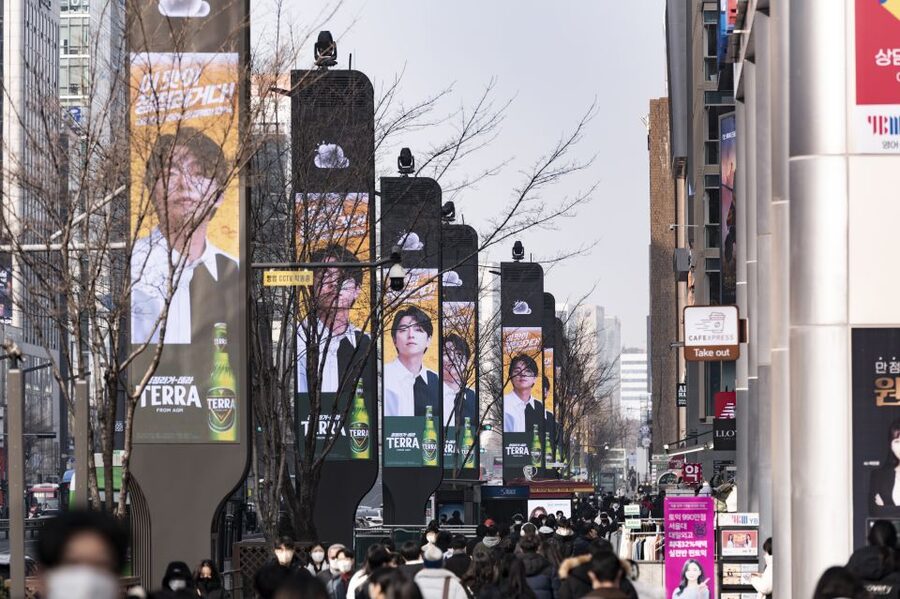
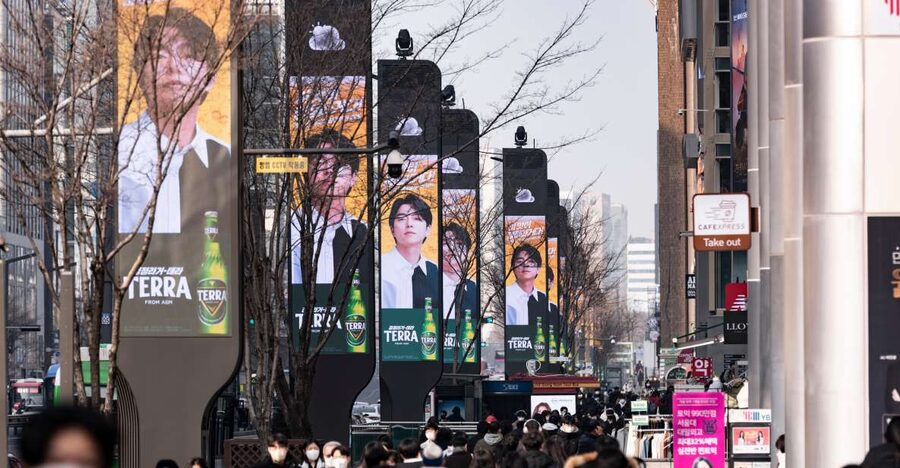
Then the tour turns the volume up on beauty culture. As you walk, the guide points out how the advertising environment is saturated with:
- beauty product promotions
- luxury brand messaging
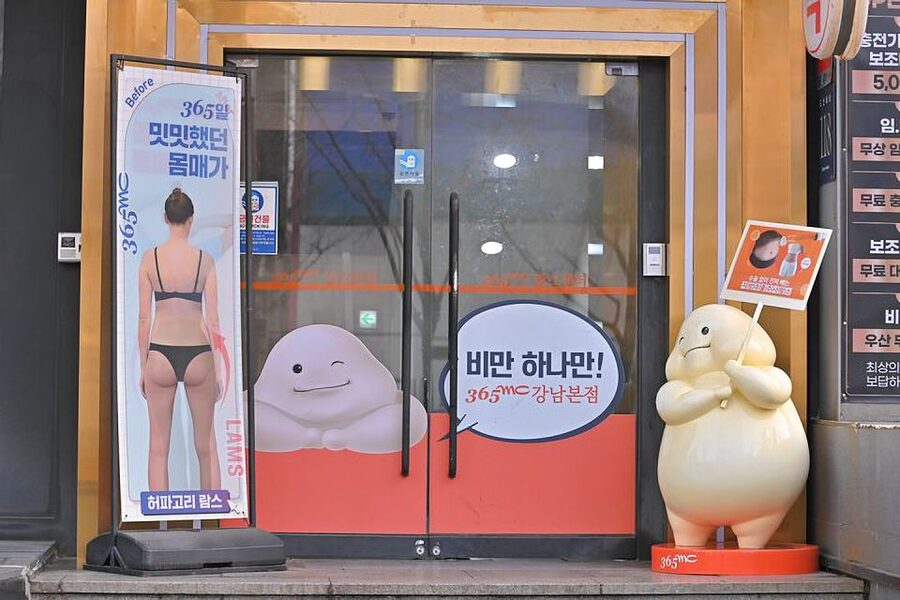
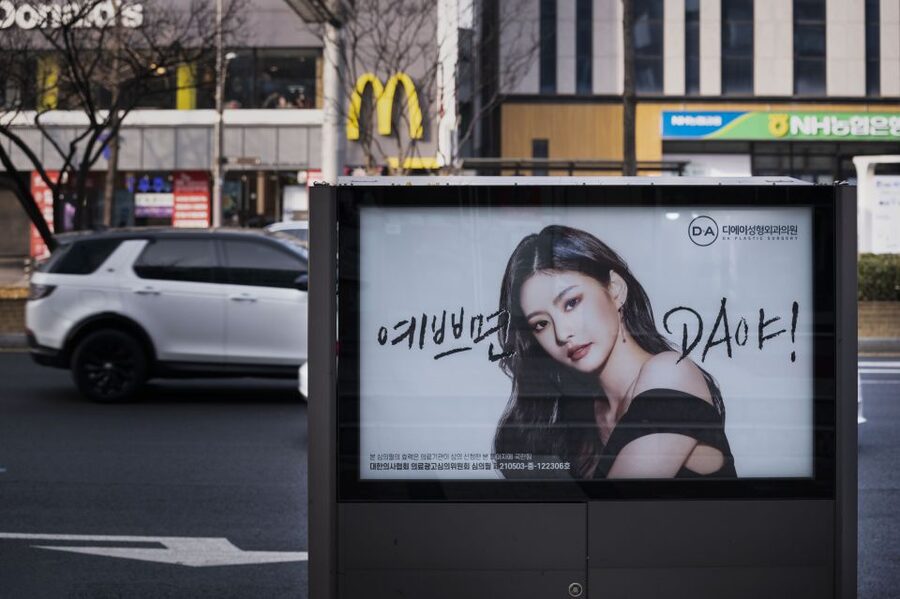
- plastic surgery clinic visibility
The point is not to tell you that everyone in Korea wants surgery. The point is to show how normal it can feel when clinics and perfection-oriented ads are always within sight lines. Your guide connects this to broader Korean beauty standards and the plastic surgery boom, then frames it as a social pressure system rather than individual vanity.
If you are the kind of traveler who likes to understand the mechanics of a trend, you will get a lot out of this section. You learn to read the city like a living billboard system.
Korea’s Youth Under Pressure: Education as a Family Lifestyle
One of the most useful parts is how the tour treats education pressure. Instead of calling it school stress and moving on, your guide explains it as a family-level structure that shapes everyday decisions for parents and kids.
In this part of the walk, you will connect several dots:
- why academics become an identity
- how parents invest emotionally and financially
- how kids absorb expectations early
- how a high-pressure system can fuel anxiety rather than confidence
This is where Gangnam becomes more than an aesthetic. You start to see why a wealthy, modern place can still feel mentally heavy. The tour explicitly raises why Korea has high suicide rates and a low birth rate, linking those national patterns to cultural expectations and coping stress.
Be ready for the emotional tone. This is not a tour that pretends everything is fine because Seoul is cool or efficient.
History, Pop Culture, and Traditional Rules Meeting Modern Life
The theme is youth and society, but the guide does something smart: the tour explains how modern Korean identity grew out of earlier cultural patterns. You do not need a Korea history degree to follow along, because the guide connects historical context to what you see in Gangnam today.
The tour also addresses two modern engines that shape the younger generation:
- Korea’s economic achievements and global rise
- the international explosion of Korean pop culture
Then it adds an important third ingredient, traditional social rules. That combination is where the tour gets interesting. You learn how a country can be internationally influential while still enforcing strong internal expectations, especially around appearance, success, and social roles like dating and marriage.
Some of the most engaging moments tend to be where your guide turns the topic into everyday translation. You learn not only what the rules are, but how they feel day to day.





Mental Health, Unhappiness, and Why the Tour Still Leaves You With Perspective
This tour does not dodge the darker side. It specifically raises:
- high suicide rates
- a low birth rate
- intense education emphasis
- obsession with beauty
- why Korea is one of the unhappiest countries
That sounds grim, and it is. But the way the tour is framed helps. Your guide keeps asking you to interpret, not just judge. You end up understanding why some people stay in Korea even when the pressure is intense, and why life can feel both attractive and exhausting at the same time.
Many guides also add a balancing angle. There is room in the tour for benefits of living in Korea, not as propaganda, but as realistic contrast. That keeps the experience from turning into pure doom messaging.
Guide Style: Why Storytelling Changes Everything
The quality of a social-subject tour comes down to delivery, and this one has an edge. Guides like Jessica and Jun are repeatedly praised for storytelling and humor, plus the ability to explain hard topics clearly in English. Humor is not just entertainment here. It helps you keep listening when the content turns serious.
It also helps that guides are positioned as locals with cross-cultural perspective. One guide profile mentions an expat angle returning to Seoul and comparing Western and Korean cultural patterns. That kind of dual lens makes the tour easier to absorb because it translates cultural assumptions instead of expecting you to guess.
Expect plenty of opportunities to ask questions. That is a big part of why the tour can feel more like a guided conversation than a one-way talk.
Price and Logistics: Is $33 Good Value for This Much Content?
At $33 per person for about 150 minutes, the value is solid if you want context, not just photos. The included package covers:
- a Gangnam walking tour
- a local historian guide in English
- seasonal extras (handsfree fan in summer, hot packs in winter)
Not included, you should budget for:
- transportation fee: 2000 KRW
- an optional Korean food session (not included)
Also plan for cash because cash is listed as what you should bring. If you are used to contactless travel, that is a small adjustment, but it is easy.
The biggest reason this price feels fair is how dense the themes are. In just over two hours, the tour links luxury, beauty standards, education pressure, pop culture influence, and traditional social rules. If you like “why is this happening” tours, it works out well.
Who This Tour Is For (and Who Should Skip It)
This is a good match if you want Seoul beyond the usual highlights. It suits you if you are interested in:
- Korean youth culture and social expectations
- how appearance and success standards get reinforced
- how education pressure affects families
- understanding why Gangnam is both desirable and stressful
It is also a strong first-booking option in Seoul if you want a mental framework for what you will see later. The tour gives you a clearer way to interpret the city after you leave.
I would skip it if:
- you need a lighter, purely scenic tour
- you are sensitive to discussions of suicide and serious social pressures
- you have mobility limitations or are over 70, since the tour is listed as not suitable for those groups
Should You Book This Gangnam Youth and Society Tour?
Book it if you want a Seoul experience that connects what you see to what it means. I recommend it especially if you plan to spend time in Gangnam anyway, because you will walk through the same streets with a much better read on the messages behind them.
Consider skipping if you want only beauty and entertainment, because the tour is intentionally honest about social strain. Also take the walking nature seriously, and plan around comfort since summer heat and winter cold can be real.
If you do book, go in with one mindset: you are not hunting for a single answer. You are learning how Korean society holds together glamour, pressure, and hope in the same city blocks.
More Tours in Seoul
More Tour Reviews in Seoul
Not for you? Here's more nearby things to do in Seoul we have reviewed


Seoul Gangnam & Modern City Tours, compared.
 ★ 5.0Gangnam Walking Tour on Youth and Society in Seoul KoreaFrom $31401 reviews
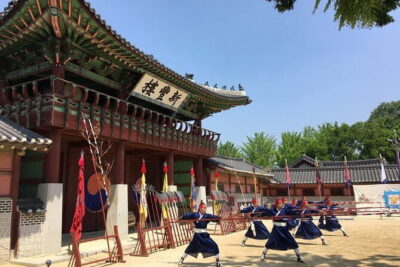 ★ 5.0Beyond Seoul: Starfield Library, Hwaseong Fortress & Cave QuestFrom $69177 reviews
 ★ 5.0Suwon Hwaseong+Gwangmyeong Cave+Starfield Library from SeoulFrom $54104 reviews
 ★ 4.4Suwon Hwaseong, Gwangmyeong Cave, & Starfield Library TripFrom $5887 reviews
 ★ 5.0Hwaseong Fortress/Folk Village/Starfield Library SuwonFrom $5867 reviews
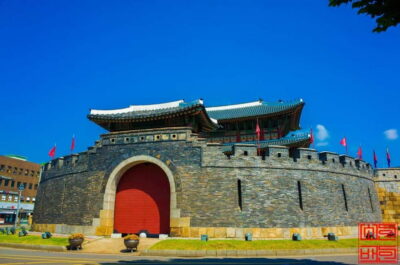 ★ 4.8Suwon Hwaseong, Folk Village, & Starfield LibraryFrom $5655 reviews
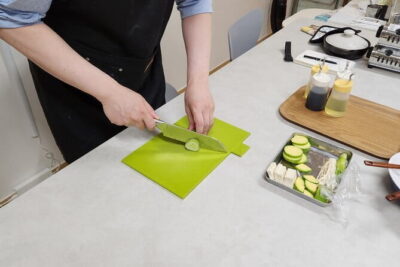 ★ 5.0Korean Home Style Cooking Class in Gangnam SeoulFrom $8540 reviews
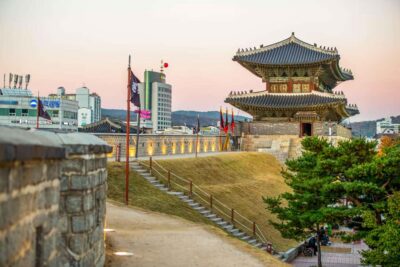 ★ 4.7Suwon Hwaseong Fortress+Starfield Library+WaujeongsaFrom $4927 reviews
Browse the lists this tour appears in