
Reviewed · DMZ DAY TOURS FROM SEOUL
Seoul: DMZ Tour with Japanese-Speaking Guide
The DMZ is history you can stand inside. This 7-8 hour trip from Seoul packs in the most intense highlights on the South Korea, North Korea border, with a Japanese-speaking guide and time at places like Imjingak and Dora Observatory.
I especially like how the day is structured around meaning, not just sightseeing. You start with the separation story at Imjingak and the Freedom Bridge, then move into physical reminders of conflict with the 3rd Infiltration Tunnel.
One real consideration: the tunnel walk can be tough. The 3rd tunnel has a steep slope, and it often takes 30-40 minutes round trip on foot, so it may be a lot for kids and older folks.
Key Points That Make This DMZ Tour Worth Your Time
- Japanese guide explanations with clear, easy-to-follow pacing, including names like Hong Yuseon and Yun that come up for their teaching style
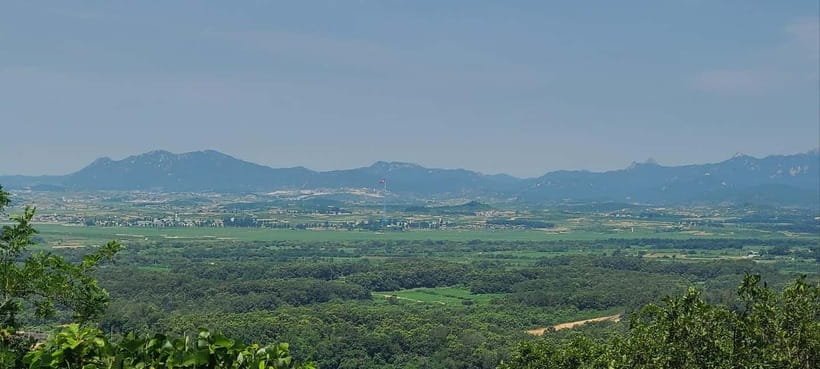
- Dora Observatory views of North Korea in good weather, sometimes even without using the telescope
- Freedom Bridge context tied to prisoner repatriation, so you get the human story, not just the photo spot
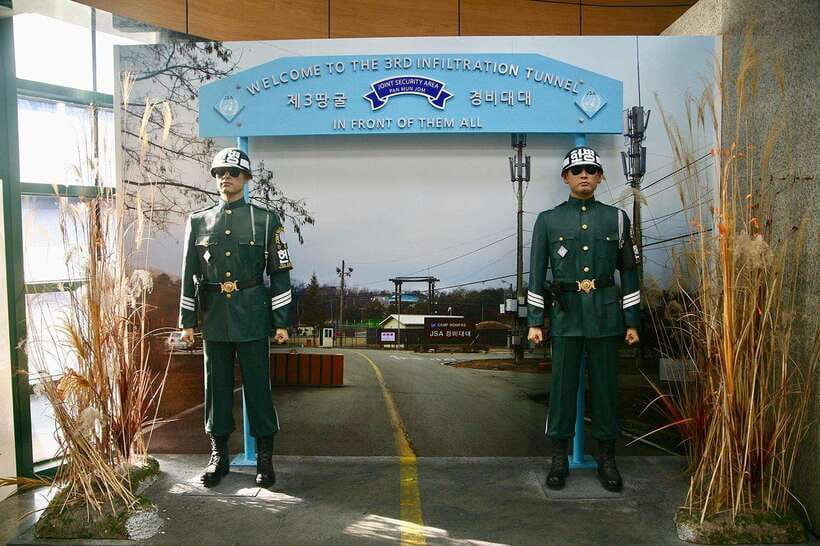
- The 3rd Infiltration Tunnel on foot, including a cool, darker change of pace inside
- Unification Village shopping for peace and reconciliation-themed souvenirs, often including goods associated with North Korea
- You will plan for schedule changes, because the DMZ is military-run and the route can shift based on regulation and weather
DMZ in One Day: Why This Boundary Still Matters
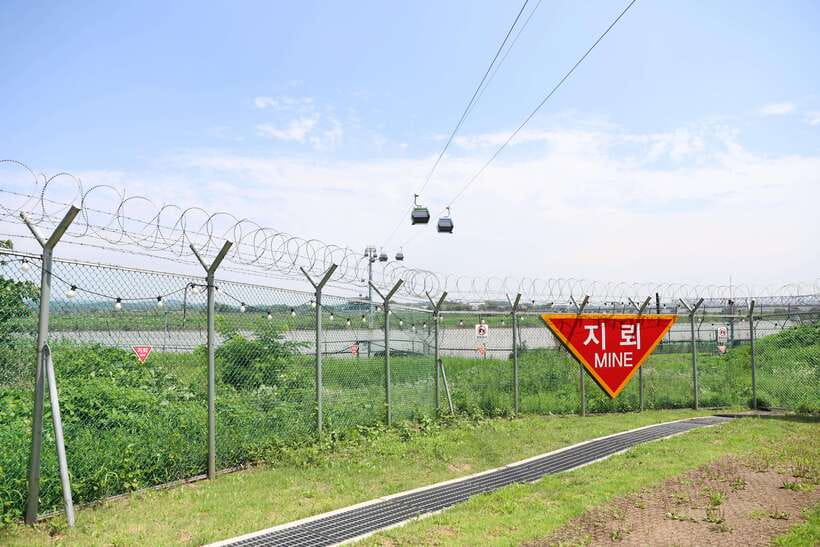
If you think you understand the Korean War from books, this tour is where the story turns physical. The Demilitarized Zone is not a museum diorama. It is a real border area that has divided the peninsula since 1953, with a 2.4-mile (4 km) stretch you can actually look at from the right spots.
What makes this day work is that it moves through different kinds of “evidence.” Imjingak and the Freedom Bridge help you understand the political and humanitarian aftermath. Dora Observatory gives you sight lines. The 3rd Infiltration Tunnel gives you a direct physical sense of what hiding, infiltration, and preparation look like underground.
And there’s a reason this is one of the world’s most unusual tourism destinations. You are not just sightseeing. You are visiting an active, tightly controlled border zone where access is limited and rules are strict for a reason.
You can also read our reviews of more guided tours in Seoul


Getting There From Seoul: Meeting Points and Shared Transport
This is a shared transfer style day trip. You ride an air-conditioned bus or minivan, and the coach time is about 1 hour each way, plus guided time at each stop. The whole day runs about 7-8 hours.
Meeting points come in a few options, including Myeongdong Station Exit 10 (one option listed as 159-1, 20-16 near that area). Your exact meeting point can vary depending on what you book, so check your confirmation and any email updates.
One practical detail you’ll want to remember: transfer to the DMZ shuttle bus is required if there are fewer than 30 people in the car, based on government policy. Translation for your planning brain: expect a short bus-to-bus shuffle.
At the end, you get dropped back in Seoul either at Myeongdong or City Hall Station, depending on your preference. So you can keep dinner plans nearby instead of trying to cross town afterward.
Imjingak Park and Freedom Bridge: The Separation Story With Real Landmarks
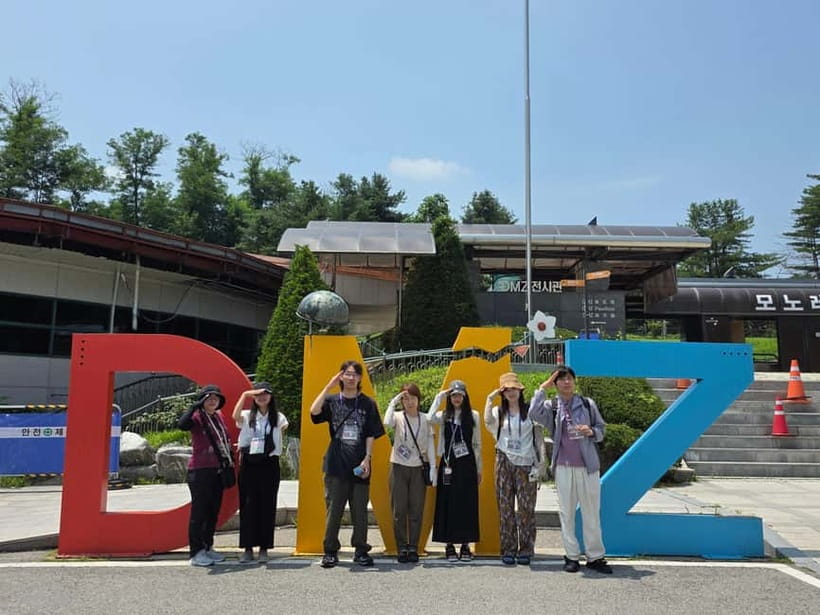
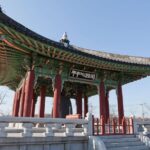
The day begins at Imjingak, with about a 1-hour guided portion. Imjingak Park is your early orientation point. This is where you learn the “why” behind the DMZ, before you start moving toward places that feel darker or more tense.
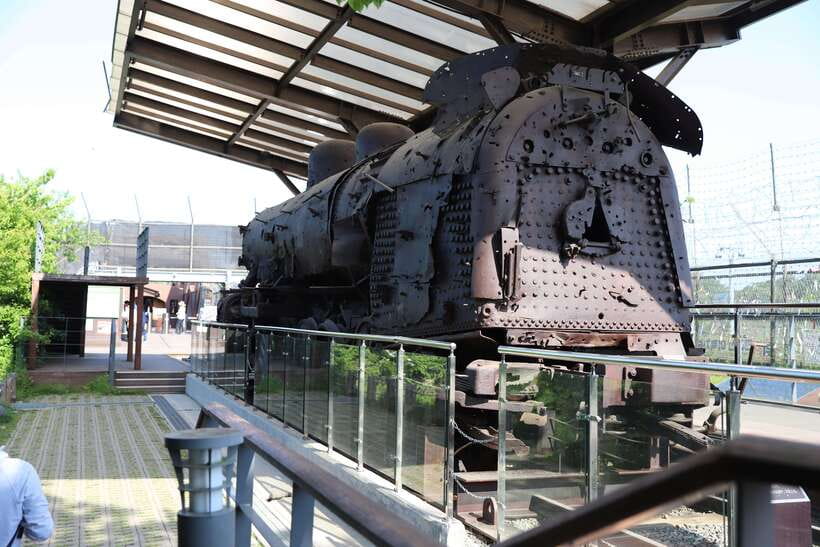
From there, you head to the Freedom Bridge, where the guided visit is about 30 minutes. The bridge is tied to prisoner of war repatriation from the North. That detail matters. It’s not just a bridge you can photograph. It is a specific piece of the story of families and captives caught in the system of war and politics.
I like this sequence because it reduces the chance you’ll feel overwhelmed later. By the time you reach the tunnel and Dora, you’re not only reacting to shock. You’re tracking meaning.
There is also value in the way the guide handles the historical context in Japanese. Guides like Hong Yuseon and Yun are often praised for making explanations clear and understandable, which is crucial on a day where your brain is doing a lot of work.
The 3rd Infiltration Tunnel: Inside the DMZ on Foot
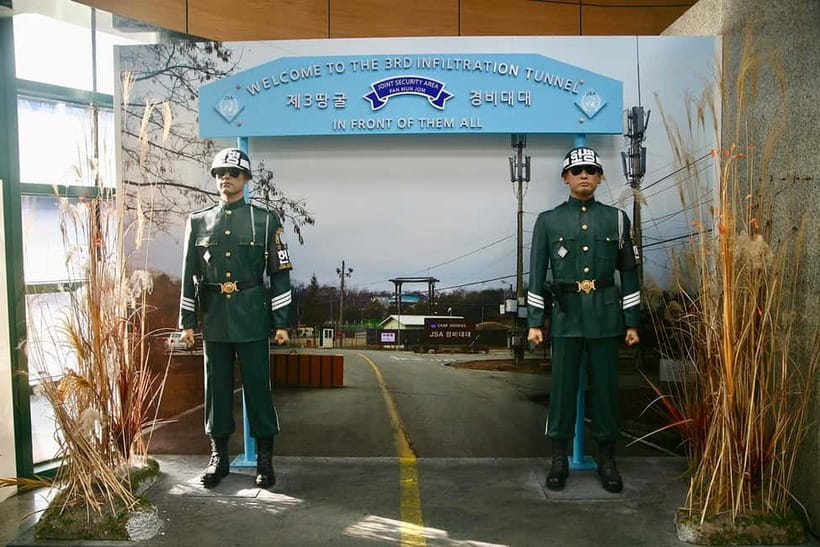
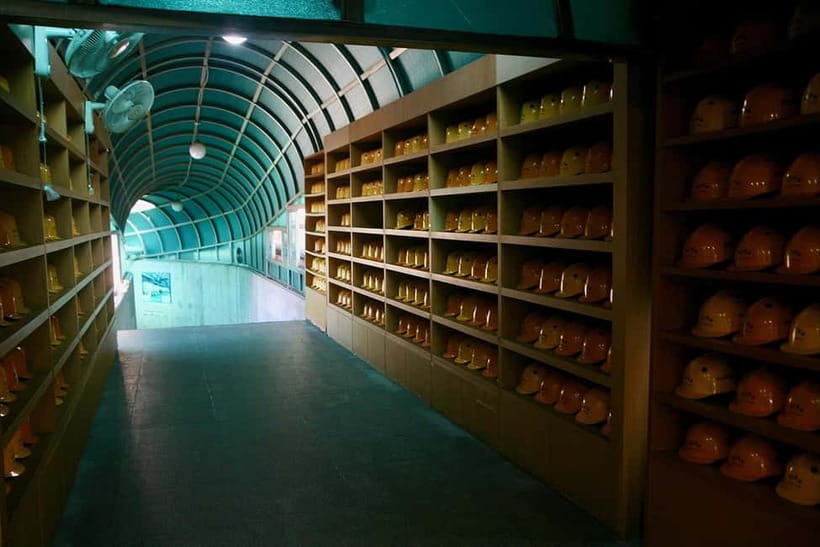
Next comes one of the biggest draws: the 3rd Infiltration Tunnel, sometimes called the Third Tunnel of Aggression. The guided block is about 40 minutes, but plan for the tunnel walk itself to take roughly 30-40 minutes round trip on foot.
Here’s the practical truth: it has a steep slope. It can be challenging for children and the elderly. If that describes your group, you can often wait in front of the tunnel area rather than forcing the climb.
What you’ll likely notice once inside is the change in conditions. One of the best things about tunnel stops is the contrast, you go from bright outdoor light into cooler, darker air, and you get a more physical sense of what an “underground passage” means.
This is also where the guide’s role is strongest. You want someone who can explain what you’re seeing in a way that makes sense on the ground, in real time. Clear Japanese guidance is a big part of why people come away feeling the day was worth the early start.
Dora Observatory: North Korea Views When Weather Plays Nice
After the tunnel, you climb up to Dora Observatory on the slopes of Mountain Dora. The guided visit is about 1 hour.
In good weather, you can often see all the way to North Korea without using the telescope. Even when visibility is less dramatic, the point is still powerful. You’re standing at a vantage designed for watching across that long, tense divide.
A key value here is scale. You are looking over a separation that has lasted decades. You also get the sense that borders are not abstract. They are geography you can point at.
The “observatory” part of the tour is also a good place for photos, but don’t spend the entire hour only shooting pictures. Use the time to absorb what your guide explains about what you can and cannot see depending on conditions. That stops you from leaving with only blurred skyline photos and no context.



Unification Village: Souvenirs, Peace Themes, and North-Linked Goods
The last major stop is Unification Village, with about a 30-minute guided visit. This is the lighter, human side of the day.
You’ll browse souvenirs and items centered on peace and reconciliation. Many shops often carry goods associated with North Korea too, so the assortment can feel especially symbolic in a way that contrasts with the border tension earlier in the day.
This is also your realistic shopping window. You’ll want to pick up snacks and small gifts before returning to Seoul, because your time stays structured and the day can run firm on schedule once you are back inside the system.
Guide Quality and Pace: How Japanese Explanations Land
This tour lives or dies by the guide. DMZ history can get heavy fast, and your day is long enough that unclear explanations become exhausting.
In the real experiences tied to this tour, Japanese-speaking guides such as Hong Yuseon and Yun are singled out for making explanations readable and interesting. Some guides also adjust on the fly if you are Korean on a Japanese-language tour. That kind of small effort helps you stay included without disrupting the flow for the whole group.
You may also run into peak-day stress. One example from the provided experiences is a crowded situation around a major holiday, where the guide helped with hard-to-get items so the group could still make key timed parts of the program. That’s the sort of behind-the-scenes competence that matters when the day depends on military schedules and rules.
Bottom line: if you care about understanding what you are seeing, not just checking boxes, this is a guide-led format that rewards attention.
Weather Changes and Alternate Stops: What You Might See Instead
Because the DMZ is operated by the military, the trip may be canceled without prior notice. If the day is not canceled, the itinerary can still shift due to weather, military, and government regulation factors. And when that happens, there is no refund, but you will still visit other included stops.
So if conditions force changes, you might end up at places such as Art Space BEAT 131, Odusan Unification Observatory, and the War Memorial of Korea. You might also finish at City Hall or Myeongdong depending on the plan.
I like having this heads-up because it helps you travel with the right mindset. You are not trying to control geopolitics. You are choosing a format that keeps you moving through the theme of division and reconciliation, even when the border rules shift.
Price and Value for a 7-8 Hour DMZ Day
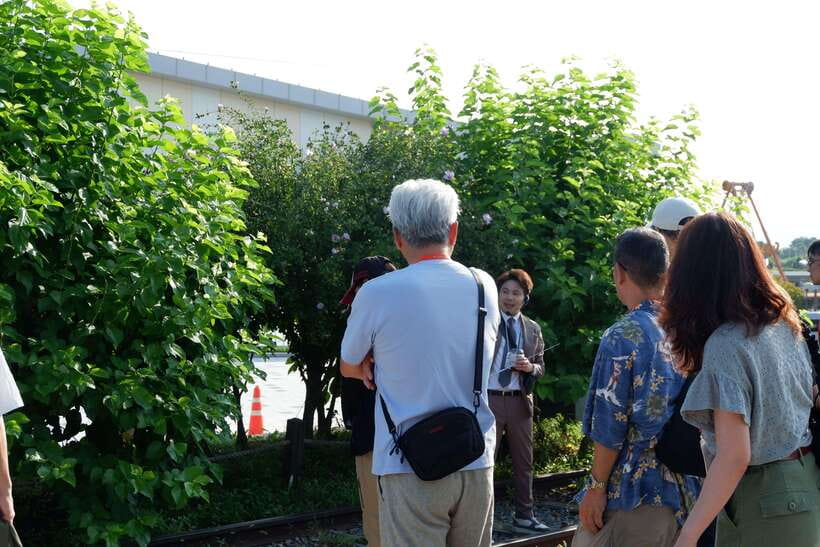
At $50 per person, this is not a “cheap and cheerful” outing. But it is also not priced like a private expedition. The value comes from what is included.
You get entrance fees, a licensed professional DMZ tour guide, and roundtrip shared transfer, plus air-conditioned transportation. You are also getting a full day of controlled access to multiple key DMZ-adjacent sites, including the 3rd Infiltration Tunnel and Dora Observatory.
What’s not included is also clear. Food and drinks are on you, and there is no visit to JSA, also known as Panmunjom. Travel insurance is not included either.
For me, the main way to judge value is simple. If you want a structured day with a guide who can explain the places in Japanese, and you don’t want to deal with complex on-the-ground logistics alone, $50 can make sense. If you only want one viewpoint and you are comfortable doing more independent planning, you might feel you are paying for the whole package.
What to Wear and Who Should Skip This Tour
This is a border tour with movement. Wear practical shoes. It is strongly recommended that you avoid flip-flops, slippers, and shoes with heels. The tunnel walk and the outdoor portions can both be uneven and tiring.
Bring your passport, since it is required.
Know the restrictions too:
- No intoxication. Alcohol and drugs are not allowed, and passengers who are intoxicated will not be permitted.
- Smoking in the vehicle is not allowed.
- Unaccompanied minors are not allowed.
- Infants under 24 months are free of charge, but no seats are provided.
Health and mobility matters:
- People with heart problems should not go.
- Wheelchair users are not suitable for this tour.
Also, plan for the day to feel long. It is 7-8 hours. You will have a lot of standing, walking, and waiting through controlled processes.
Should You Book This DMZ Tour?
Book it if you want a single, well-paced day that connects the DMZ’s history to specific landmarks, including the bridge, the tunnel, and Dora Observatory. You’ll enjoy it most if you care about the explanation, not only the photos, because the best part of the experience is how the guide helps you interpret what you’re seeing.
Skip it or reconsider if tunnel walking is a big issue for your group, or if heart or mobility limitations make long, steep walking risky. Also think carefully if you need flexibility for a full day outside your control. Since this area is military-run, cancellations can happen and the route can shift.
If you’re ready for a structured, intense day with a Japanese-speaking guide and a focus on peace and reconciliation, this is one of the more straightforward ways to experience the DMZ from Seoul.
FAQ
What are the main DMZ stops on this tour?
You will visit Imjingak Park, the Freedom Bridge, the 3rd Infiltration Tunnel (on foot), Dora Observatory, and Unification Village. A JSA or Panmunjom visit is not included.
Is the guide speaking Japanese only?
Yes. The tour includes a live DMZ tour guide who speaks Japanese.
How long is the tour?
The duration is about 7-8 hours.
What do I need to bring?
You should bring your passport.
Where do you get dropped off at the end of the tour?
You finish in Seoul at either Myeongdong or City Hall Station, depending on your preference.
Is hotel pick-up and drop-off included?
No. Hotel pick-up and drop-off are not included.
Can the itinerary change on the day?
Yes. The itinerary can change due to weather, military, or government regulation factors. If changes happen, you are expected to visit alternate listed stops, and no refund is offered.
Is this tour suitable for wheelchair users or people with heart problems?
No. It is not suitable for wheelchair users, and people with heart problems are also not recommended to take this tour.
More Guided Tours in Seoul

More Tours in Seoul
More Tour Reviews in Seoul
Not for you? Here's more nearby things to do in Seoul we have reviewed


DMZ Day Tours from Seoul, compared.
 ★ 5.0Best DMZ Tour Korea from Seoul (Red Suspension Bridge Optional)From $2941,422 reviews
 ★ 5.0DMZ Tour: 3rd Tunnel, Option(Suspension Bridge, Boat) from SeoulFrom $3521,373 reviews
 ★ 5.0DMZ tour south Korea from Seoul (NK experience hall, defector)From $2620,599 reviews
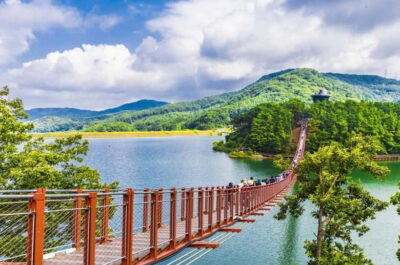 ★ 4.9DMZ Insider Tour: 3rd Tunnel, NK Defector Meet & Red BridgeFrom $5015,214 reviews
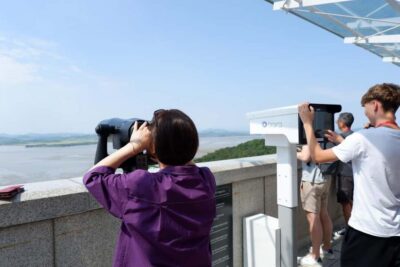 ★ 4.8DMZ Tour with Optional Suspension BridgeFrom $455,277 reviews
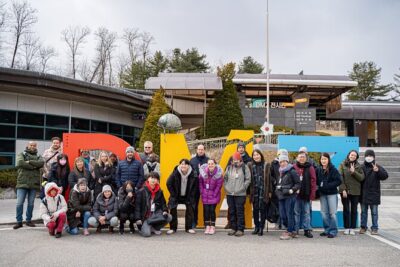 ★ 5.0Signature DMZ Tour: Exclusive Defector Talk & Suspension BridgeFrom $274,459 reviews
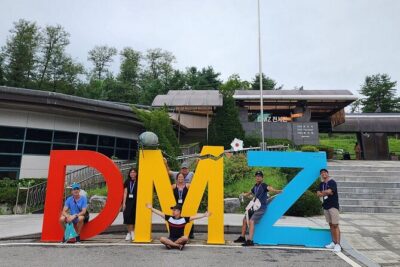 ★ 5.0Thrilling Korean DMZ 3rd Tunnel Tour from Seoul + Red Bridge RushFrom $353,097 reviews
 ★ 5.0DMZ Past and Present: Korean Demilitarized Zone Tour from SeoulFrom $372,481 reviews
Browse the lists this tour appears in