
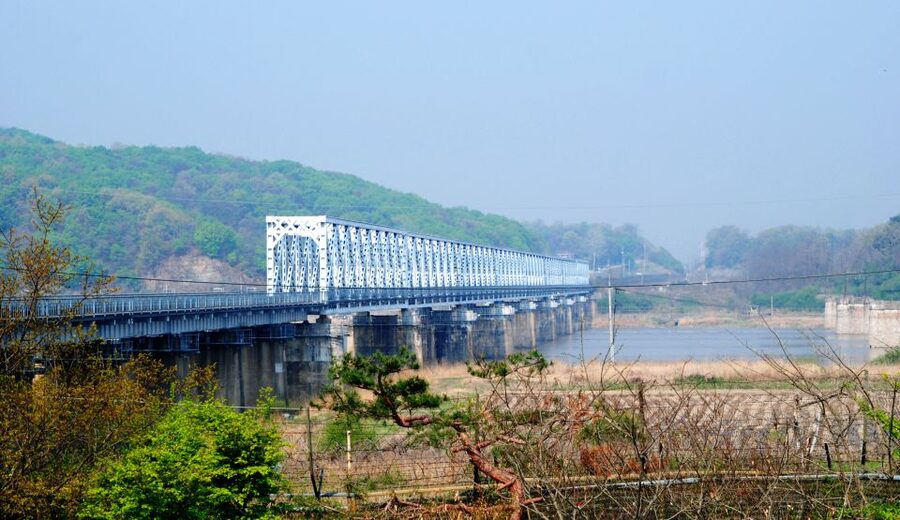
Reviewed · DMZ DAY TOURS FROM SEOUL
Seoul: DMZ, Gyeongbokgung Palace & City Tour
A split peninsula in one day, and a royal story too. I like the way this tour pairs the DMZ with Gyeongbok Palace, so you see Korea’s past and present in the same breath. You get a structured route, trained guidance, and enough time at the main checkpoints to turn big headlines into clear, human context.
What I especially like is the guide setup. You travel with a military tourist guide and a professional English-speaking guide, and the DMZ portion is handled by people who actually know the security and relations details. And on the palace side, the storytelling gets practical, explaining how the palace functioned with staff and advisers, not just big royal vibes.
One consideration: this is an early start and a long day. You meet at 07:30AM at City Hall Station Exit 7, you need a valid passport, and you’ll be on your feet, wearing sneakers, for a full circuit.
Key Highlights Worth Getting Excited About
- DMZ main sights in one efficient coach day, with shuttle transport and guided explanations
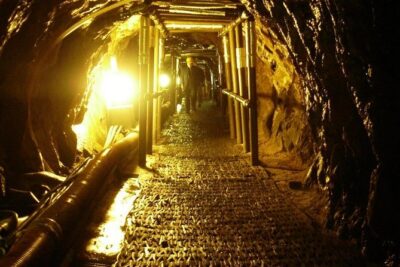
- Third Tunnel Experience designed to show how planners tried to invade South Korea
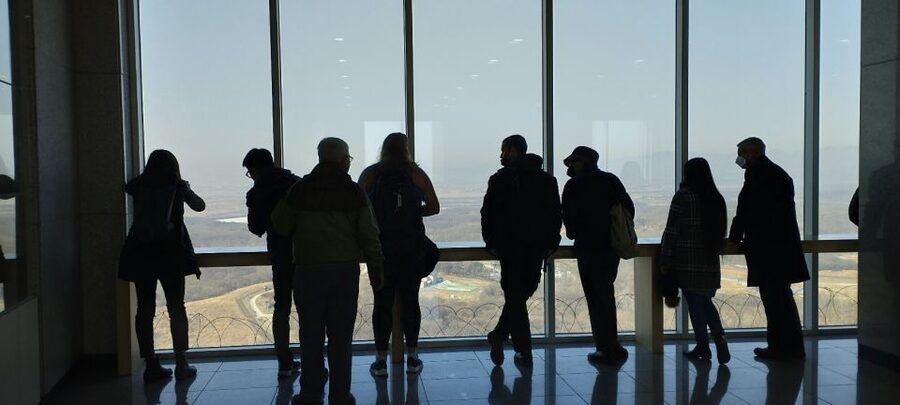
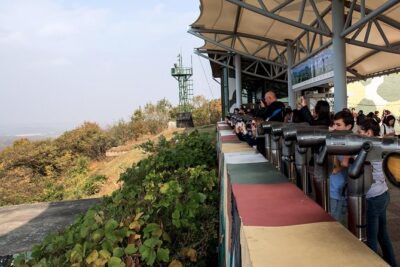
- Observatory viewing where you can look toward North Korea from the permitted area
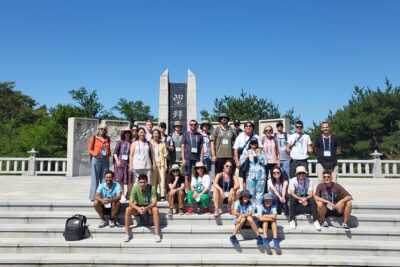
- War History Pavilion and Imjingak for a clearer sense of conflict and aftermath
- Gyeongbok Palace the working palace, explained like a real organization, not only a royal backdrop
- Guides who help with photos and answer hard questions while keeping the tone respectful
Arriving Early: City Hall Meeting Point and the Day Rhythm
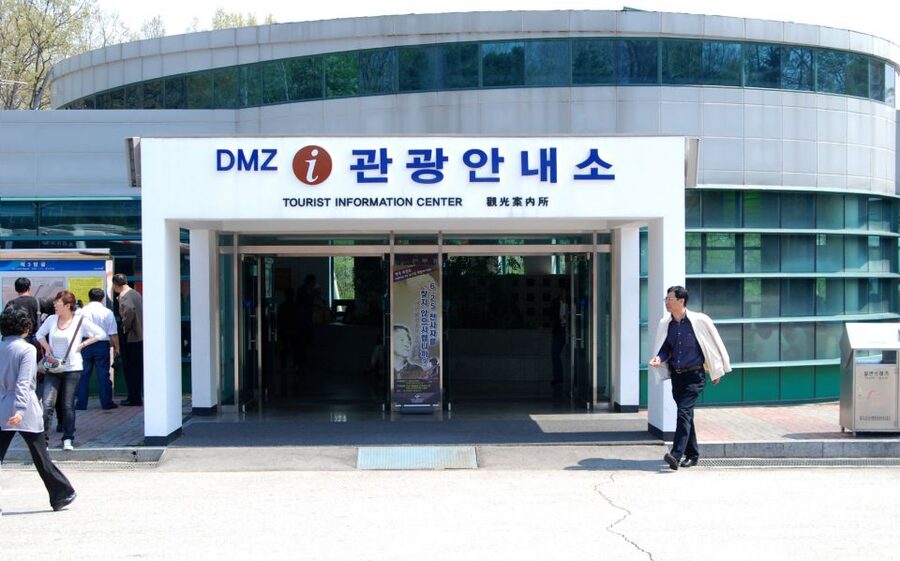
This tour starts early, and that’s a good thing. You’ll meet at City Hall Station Exit 7 at 07:30AM, and from there the group heads out by authorized transport. The time matters because the DMZ portion has firm schedules and rules, and you do not want to be the person scrambling for the last bus.
If you’re staying in Seoul, you can also opt into hotel pickup, and the tour includes hotel pickup and drop-off service. That helps if you’re carrying bags, dealing with jet lag, or just want the morning to feel organized. Either way, the key is simple: plan to get there with enough cushion to check in calmly.
Bring a passport. It’s explicitly required, and it’s not a nice-to-have. Also, skip sandals or slippers. Wear sneakers. You’ll be walking more than you think, and DMZ days are not for foot pain.
You can also read our reviews of more city tours in Seoul
DMZ Transport and Security Rules You Should Actually Expect
The DMZ is not a casual sightseeing zone. You’ll travel on the authorized bus, and the group follows strict timing, including the time photo regulation. Translation: you will not roam freely with your camera. You’ll go where you’re allowed, when you’re allowed, and you’ll take pictures in the permitted windows.
The tour includes a military tourist guide and entrance to a history-explaining venue, which signals the tone of the day: this is guided history with security structure around it. In other words, your questions are more likely to get answered in a way that fits the context, rather than leaving you with vague statements.
Here’s a practical note on the pace. One verified review highlighted how the guide took photos and was great about helping the group capture moments. That’s consistent with how these tours work, because photo stops can be brief. If you want photos, go in expecting teamwork, not solo wandering.
Third Tunnel Experience: How Engineering Meets Tension
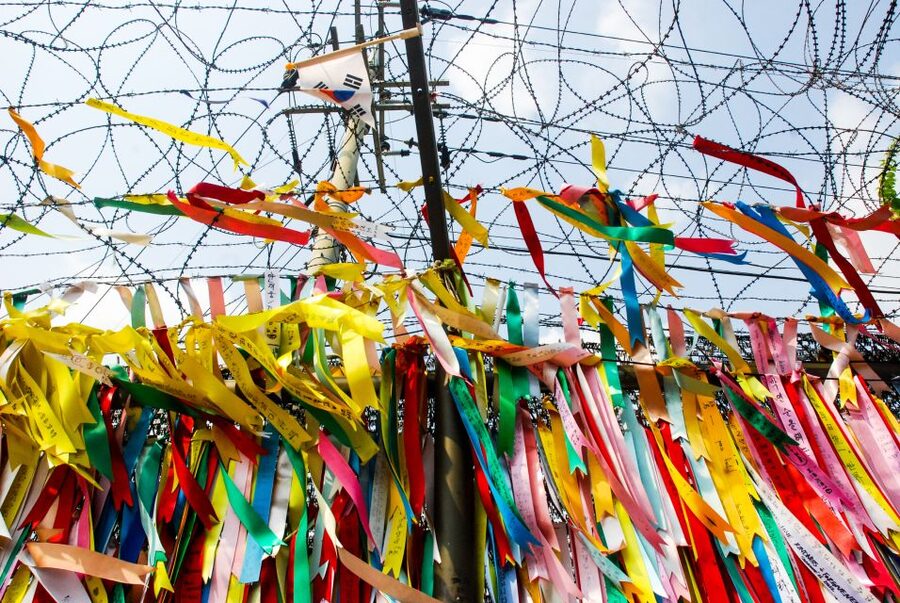
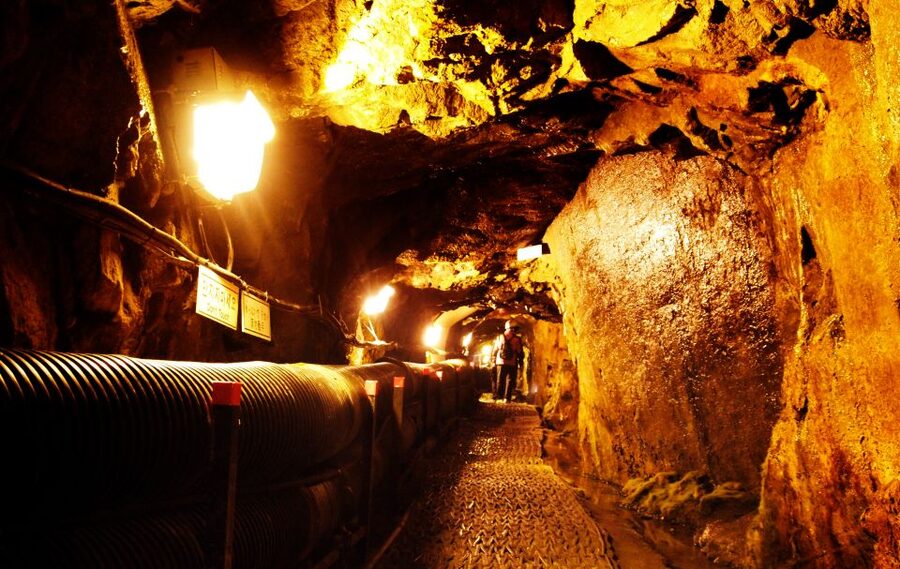
The highlight that tends to stick with people is the Third Tunnel Experience. It’s designed around the idea of an attempted invasion by tanks, which immediately frames the tunnel as more than a curiosity. It’s a window into how conflict planning can be physical, technical, and brutally concrete.
What you’ll likely appreciate here is the way the tour explains cause and effect. You’re not only seeing a site. You’re connecting the site to why it mattered for North-South relations and the broader strategy both sides pursued. Even if you already read about the DMZ, a guided visit helps you translate dates and terms into something that makes sense in person.
The main drawback to keep in mind is pacing and intensity. Tunnels, exhibits, and conflict zones can feel mentally heavy, and the tour keeps moving. If you get overwhelmed by long stretches of serious content, take small breaks during coach time and don’t force a photo marathon.
War History Pavilion and Imjingak: From the Battlefield to the Aftermath
Next up is the War History Pavilion. This stop is included and exists for a reason: it helps explain the history of war through curated context. You’re essentially getting a structured bridge between what happened and what you see around the DMZ today.
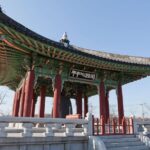
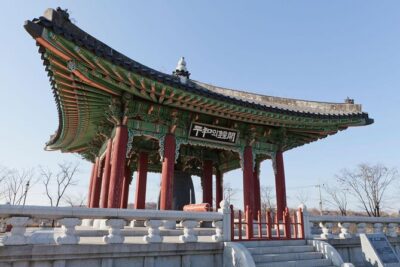
Then you’ll visit Imjingak, a site known for its place in the peninsula’s divided story. The value of Imjingak within this kind of tour is timing. It’s easier to understand why people feel what they feel after you’ve seen the tunnel, the pavilion context, and the broader security framing. You’re not just looking at buildings. You’re witnessing how the conflict’s consequences became part of everyday memory.
One more practical tip: wear comfy layers. DMZ days can involve shifting conditions and waiting. The tour includes transportation, but you’ll still want clothing that handles temperature swings.
Observatory Viewing Toward North Korea: A Small View with Big Meaning

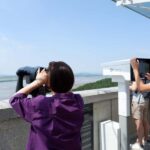
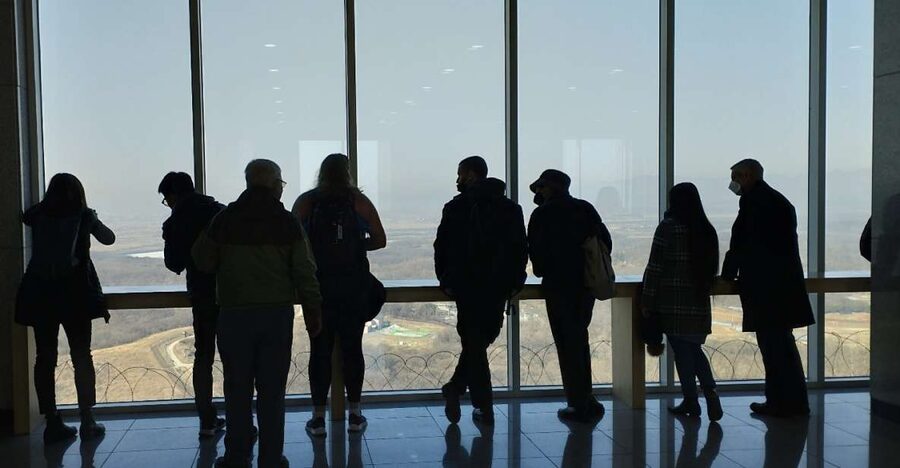
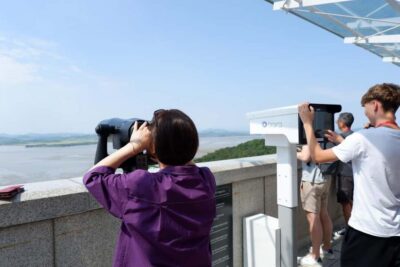
From the observatory area, you can view North Korean residents from the permitted spot. This is one of those moments that can feel strangely quiet compared to the heavy history exhibits. It’s not dramatic in the Hollywood sense, but it’s significant because it turns an abstract border concept into a direct line of sight.
I like how this tour includes the observatory after the other history stops. By then, you have more context for what you’re seeing. Without that ordering, an observatory stop can feel like just another viewpoint. With the rest of the day, it becomes a reality check.
Keep expectations grounded. The view is regulated, and your viewing time is part of the schedule. So be present, take your photos within the rules, and focus on understanding, not chasing a perfect shot.




Exhibition Stop: Learning Korea’s Past, Present, and Future
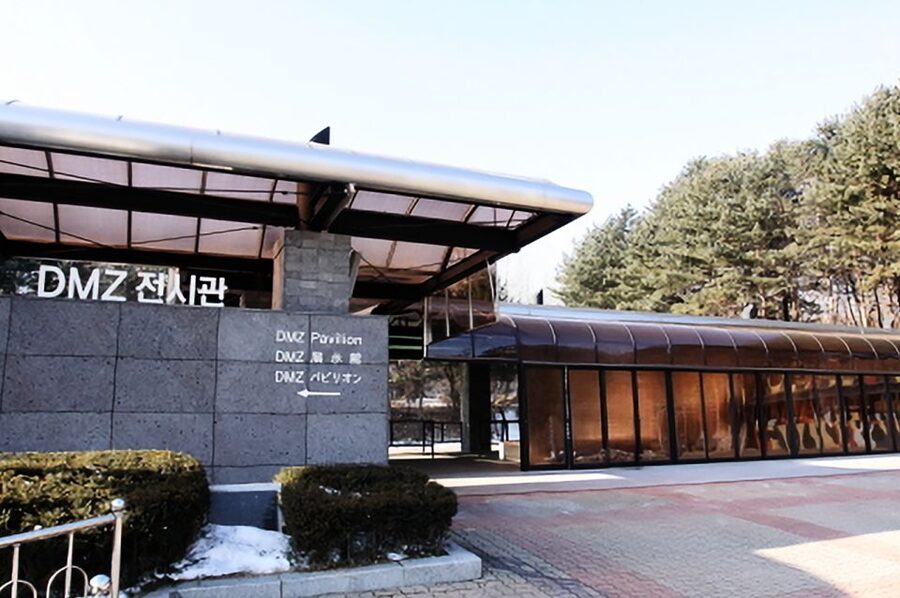
The tour also includes an exhibition center stop that ties everything together. The goal here is clear: you get a framework to interpret Korea’s divided situation since 1950, how North Korea became more closed off, and how South Korea developed as a democracy and major economy.
This is where you learn the big picture in a way that makes the DMZ sights feel less random. You’ll understand why the DMZ is described as the only place where you can see the reality of the most divided nation in the world. It’s not a slogan. It’s a way of saying the DMZ is the living boundary of a political story.
What makes this stop valuable for you is timing. After the pavilion, tunnel, and observatory, you’re ready to connect dots. Without an exhibition framing session, you might walk away with facts but not a coherent mental map. This tour builds that map.
Gyeongbokgung Palace: A Royal Residence Run Like a Real Organization
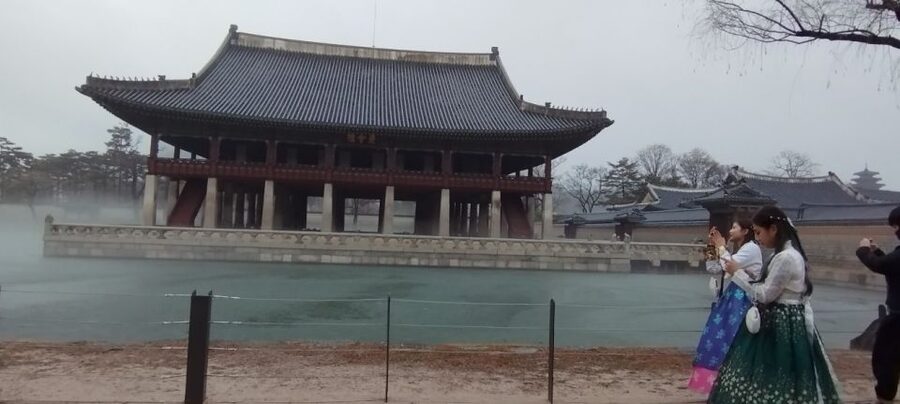
After the DMZ, the day turns. You’ll visit Gyeongbok Palace, where you’ll learn how the king, his family, and about 2,000 others lived while the Joseon rulers governed. That scale alone matters, because it’s easy to imagine palaces as empty stages for ceremonies. This one was a functioning home and government setting.
The best part, based on what the guides have done for groups, is how the palace is explained like a workplace. Instead of treating it as only a museum of royalty, you hear how employees and advisers kept the system running. That shift helps you see the palace as a real institution with logistics, roles, and daily operations.
One schedule issue to plan around: Gyeongbok Palace will be replaced by Deoksu Palace when it is closed on Tuesdays. If you’re traveling on a Tuesday, you still get a palace experience, just with a different site.
Tip for the palace portion: keep moving at a human pace. If you stop too long for photos every time you see a gate or hall, you can lose the chance to hear key explanations. Let the guide set the priorities, then take your photos during the natural breaks.
Coach Time: Comfort, Group Size Energy, and Photo Help
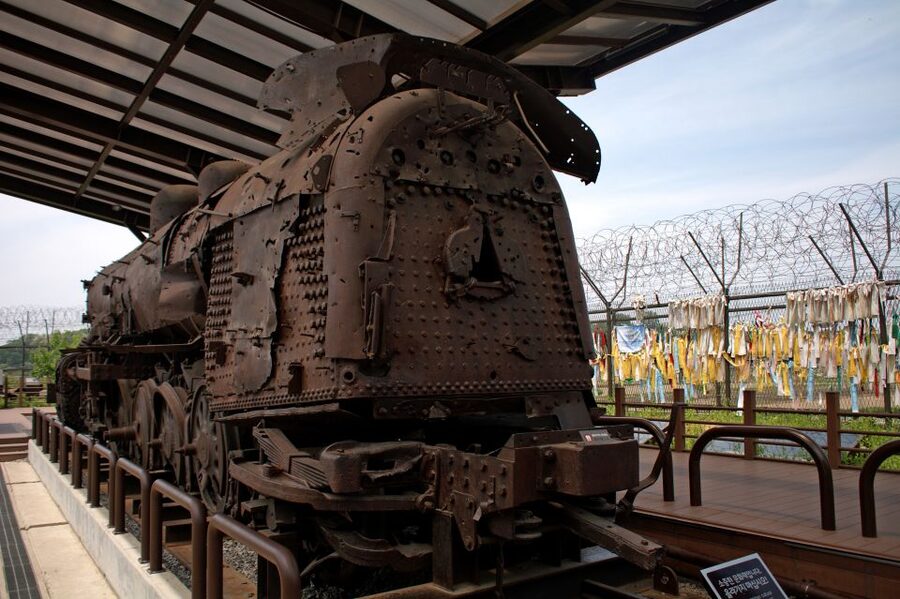
A coach ride sounds boring until you realize what it gives you. This tour is built to cover the DMZ main sights efficiently, and the coach time helps you relax while you’re moving between sites. That matters on a 10-hour schedule because the DMZ portion can feel intense.
Reviews highlight that guides often take photos for the group and handle practical needs smoothly. For you, that means less time asking strangers for help and more time enjoying the day. Also, named guides in past departures, such as Molly, Ron Han, and SP, were praised for professionalism and answering lots of questions. Another guide named Han was also noted positively. That matters because the DMZ is a sensitive topic, and good guidance can keep the tone respectful.
Group types include private group availability. If you prefer a smaller pace, that option can make the day feel less rushed. Even in a standard group, a professional guide can smooth out the flow so you’re not constantly guessing what matters next.
Price and Value: What $110 Buys You in a 10-Hour Day
At $110 per person for a 10-hour experience, this tour sits in a value category that makes sense for two reasons.
First, you’re paying for more than entry tickets. The DMZ portion includes admission to a history-explaining venue, a military tourist guide component, a professional English guide, and authorized transport. Those pieces are the expensive part, and they’re not optional if you want the main sights in one go.
Second, the guide skill is the real multiplier. Several reviews singled out guides as highly professional, friendly, and able to answer tough questions without losing respect. On top of that, some groups were helped with photos, and at least one review mentioned lunch. Even though lunch is listed as not included, the presence of a meal in at least some instances suggests the operator tries to keep the day livable, not just informative.
So, if you want a guided, structured DMZ day without piecing logistics together yourself, this price can feel fair. If you only care about one or two stops and you hate early mornings, you might find a shorter alternative better.
What Could Throw a Wrench in Your Plans
This tour has contingencies, and it’s smart to know them now. If there’s an unannounced military training or official event in the DMZ, the DMZ segment can be replaced with a different set of sites: Tomorrow’s Whistle, Bunker Beat 131, Odusan Unification Tower, and The War memorial of Korea. You still get a DMZ-adjacent history experience, but the exact stops may shift.
Also, your ability to join depends on eligibility rules. Unaccompanied minors are not allowed. The tour isn’t wheelchair accessible, and it’s not suitable for wheelchair users. And you need that current valid passport on the day of travel.
None of that is surprising for the DMZ, but it’s helpful for you to plan with a calm mindset.
Who This Tour Suits Best
I’d point you toward this tour if you want a one-day plan that connects major sites without turning your schedule into a puzzle. It works well for you if you:
- Like guided explanations that add context to sensitive history
- Want to see both the DMZ and Gyeongbok Palace in the same day
- Appreciate professional, security-aware guidance rather than casual sightseeing
It may not be the best fit if you:
- Need step-free access or wheelchair-friendly routes
- Want a late start
- Prefer highly independent travel with zero rule-following
If you’re traveling with kids, note that children must be accompanied by an adult. If you’re traveling with teens, the unaccompanied minor rule is key.
Should You Book This DMZ and Gyeongbok Palace Day Tour?
Book it if you want one structured day that makes sense of Korea’s divided reality and then pivots to the Joseon-era world at Gyeongbokgung. The value comes from the guided DMZ access, the history framing, and the fact you get a palace stop afterward instead of ending the day feeling like it was all politics with no cultural reset.
Skip it if you’re not ready for an early 07:30AM start, a 10-hour schedule, and the reality of strict DMZ rules around where you can go and when you can take photos.
If your goal is clarity, not chaos, this is a solid choice. It’s the kind of tour where the guide matters as much as the destinations, and the emphasis on professional guidance shows up repeatedly in how the day is experienced.
FAQ
What time does the tour start and where do I meet?
You meet at City Hall Station Exit 7 at 07:30AM.
How long is the Seoul DMZ and palace tour?
The duration is 10 hours.
Do I need a passport for this tour?
Yes. A current valid passport is required on the day of travel.
Is lunch included?
Lunch is listed as not included. One verified booking noted they were given a traditional lunch, so it may be handled differently by the operator or by specific departures.
What should I wear to the tour?
No sandals or slippers are allowed. Wear sneakers.
Is hotel pickup available?
Hotel pickup and hotel drop-off service are included. Pickup is described as optional from your hotel in Seoul.
Can children join this tour?
Children must be accompanied by an adult. Unaccompanied minors are not allowed.
Is the tour wheelchair accessible?
No. It is not wheelchair accessible, and it is not suitable for wheelchair users.
What if Gyeongbok Palace is closed?
Gyeongbok Palace will be replaced by Deoksu Palace when it is closed on Tuesdays.
What happens if there is an unannounced military training or official event in the DMZ?
The DMZ tour can be replaced with Tomorrow’s Whistle, Bunker Beat 131, Odusan Unification Tower, and The War memorial of Korea.
More City Tours in Seoul
More Tours in Seoul
More Tour Reviews in Seoul
Not for you? Here's more nearby things to do in Seoul we have reviewed


DMZ Day Tours from Seoul, compared.
 ★ 5.0Best DMZ Tour Korea from Seoul (Red Suspension Bridge Optional)From $2941,422 reviews
 ★ 5.0DMZ Tour: 3rd Tunnel, Option(Suspension Bridge, Boat) from SeoulFrom $3521,373 reviews
 ★ 5.0DMZ tour south Korea from Seoul (NK experience hall, defector)From $2620,599 reviews
 ★ 4.9DMZ Insider Tour: 3rd Tunnel, NK Defector Meet & Red BridgeFrom $5015,214 reviews
 ★ 4.8DMZ Tour with Optional Suspension BridgeFrom $455,277 reviews
 ★ 5.0Signature DMZ Tour: Exclusive Defector Talk & Suspension BridgeFrom $274,459 reviews
 ★ 5.0Thrilling Korean DMZ 3rd Tunnel Tour from Seoul + Red Bridge RushFrom $353,097 reviews
 ★ 5.0DMZ Past and Present: Korean Demilitarized Zone Tour from SeoulFrom $372,481 reviews
Browse the lists this tour appears in