
Reviewed · DMZ DAY TOURS FROM SEOUL
[Private] DMZ & Imjingak Peace Gondola Experience Inter-Korean War
Borders feel close at 7 a.m.
This DMZ day tour makes the division of Korea feel personal, not abstract, with English commentary from a fully licensed guide and stops that map the security story in a very direct way. I especially like the combination of major DMZ sights, including the 3rd Infiltration Tunnel and Dora Observatory, plus the Imjingak leg where the panoramic views and Peace Gondola add a calmer, more human tone. The main drawback to plan for is physical effort, because the tunnel visit is steep and you need to lean forward, so bring solid sneakers and expect a bit of strain.
You also get a smart route flow that moves from checkpoints and exhibitions to outdoor viewpoints, then ends back in central Seoul near Myeong-dong. If you care about details, you will appreciate how the day includes symbolic places like Dorasan Station for the wish for unification, plus Imjingak landmarks tied to memory and film locations.
And yes, the weather matters. Fog and rain can mute the views you came for, so treat this as a day with built-in “conditions of the DMZ,” not a guaranteed perfect photo shoot.
Key highlights you’ll feel immediately
- A full DMZ morning with ID check and exhibit time, not just a quick bus stop
- Dora Observatory and Dorasan Station, where the wish for unification is part of the route
- 3rd Infiltration Tunnel, steep enough that proper footwear and technique matter
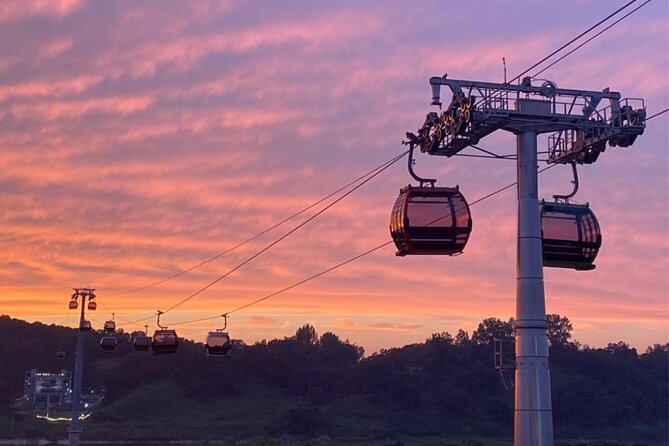
- Imjingak Peace Gondola, with views that include Camp Greaves from Descendants of the Sun
- Group size capped at 99, so it feels organized without being tiny
- Guide quality focus, with English-speaking guides like JJ and Jackie called out for being patient and engaging
Starting at President Hotel: the early clock that shapes the day
The day begins at 7:00 a.m. at the President Hotel in central Seoul (Eulji-ro, Jung District). You meet at the hotel area, then transfer by air-conditioned vehicle, which is a big comfort point for an early start. The tour runs roughly 8 to 10 hours, so think of it as a full day where you should avoid heavy plans the night before.
What I like about this timing is that you get out while Seoul is still waking up. That matters in the DMZ area, where logistics and security procedures can add waiting time. You’ll also likely enjoy a slightly calmer pace at the first checkpoints if you’re not arriving after the main rush.
One practical note: the route ends at Myeong-dong, which is convenient if you want dinner and shopping after the day. It also means you can pair this with a Seoul evening without burning time on long transit back.
You can also read our reviews of more private tours in Seoul
Entering the DMZ safely: ID checks, bus rules, and the real pace
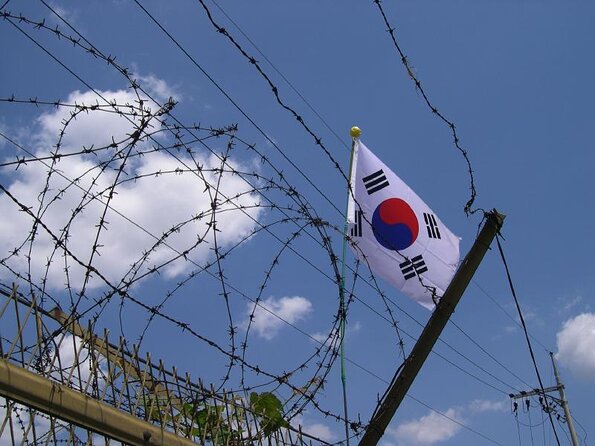
Before you reach the most famous stops, you go through the official process. Expect an ID check as part of the security setup, and keep your passport ready because a current valid passport is required on the day of travel. If you forget it or bring an expired one, the trip is a no-go.
A key rule you should respect: you travel on the authorized bus and follow the time photo regulation set by the program. That might sound minor, but it affects pacing, especially at viewpoints where photographers want extra seconds. If you go with the rules instead of fighting them, your day feels smoother and you’re less likely to get stressed.
Also note the tour can be swapped due to conditions. If there’s an unannounced military training or an official event in the DMZ, the DMZ portion may be replaced with a different set of sites including Tomorrow’s Whistle and Bunker Beat 131, plus Odusan Unification Tower and the War memorial of Korea. That’s not something you control, but it’s good to know that the program has a backup route.
DMZ stops that change how you see the border
This is not a “look at a wall and leave” kind of outing. The tour is designed around several major security-tourism anchors, with enough commentary to connect what you’re seeing to why it exists.
The tunnel lesson: the steep reality of the 3rd Infiltration Tunnel
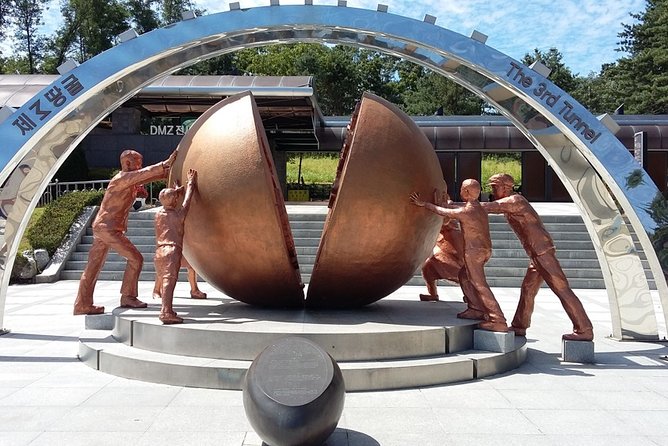
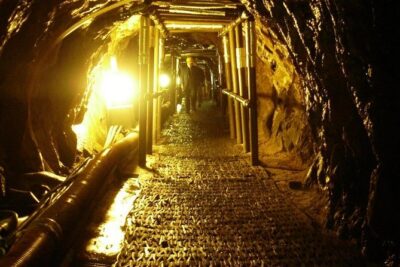
One of the most memorable parts is the 3rd Infiltration Tunnel. You should take the physical requirement seriously. It is quite steep, and the instructions note you will need to lean forward during the visit.
If you tend to get knee or back strain on slopes, go slow and use the provided guidance. Wear sneakers you trust. This is one of those “nothing is optional” stops where comfort directly affects your experience.
Dora Observatory: seeing North Korea, with the right expectations
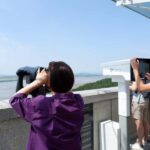
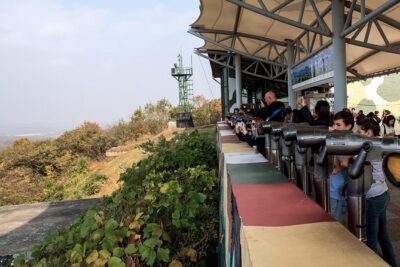
Next comes Dora Observatory, a key viewpoint for looking toward North Korea. This is the stop many people picture when they book the DMZ tour, but temper your expectations on weather. Even with clear skies, visibility can vary, and fog can reduce what you can see.
What I like about Dora Observatory in particular is how it gives you a structured view rather than random glimpses. You are there for the moment, with time built in, and your guide’s commentary helps you interpret what you’re actually looking at.

Dorasan Station: the wish for unification, placed on the route
Then there’s Dorasan Station, included specifically for the message of unification. It’s a symbolic stop, but symbols work best when you’ve already spent time in the security context. By this point, you’ve seen why the border is guarded, so the station reads less like marketing and more like a statement about what could be different.
If you like places that connect emotion to logistics, this stop hits.
DMZ theater and exhibition hall: the part you may rush if you’re not careful
You also visit a DMZ theater and exhibition hall. This is where the day stops being just scenery and becomes explanation. It’s easy to treat exhibition time as break time, but you’ll get more from the day if you pay attention here, because it frames later stops like Dora and the tunnel.
Imjingak Resort: Dokgae Bridge and the “left broken” feeling
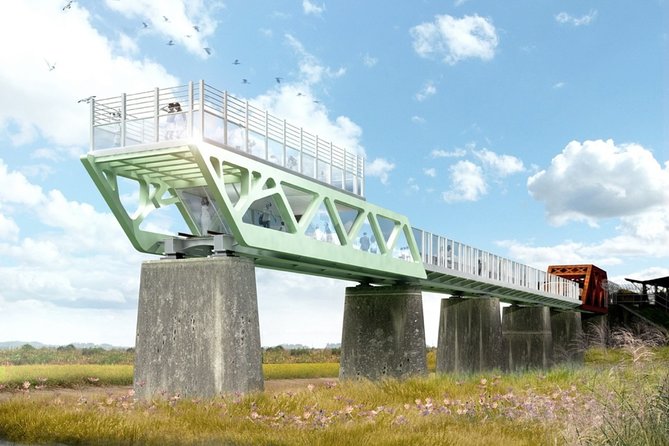
After the DMZ segment, the tour shifts to the Imjingak area. One of the most moving stops is Dokgae Bridge, the northbound railroad bridge over the Imjingang River that has been left broken for decades. The point is not sightseeing drama, it is the weight of a connection that never fully restarted.
You get a shorter stretch of time here (about 40 minutes), and it’s easy to wish you had longer. Still, that’s part of the tour design: you’re moving through a sequence of places that each carry a particular meaning, rather than wandering.
This is also where the tone of the day softens a bit. The DMZ can be intense. Imjingak is more reflective, with the views and exhibits leaning toward memory and peace messaging.
The Imjingak gondola: views plus context (and a film tie-in)
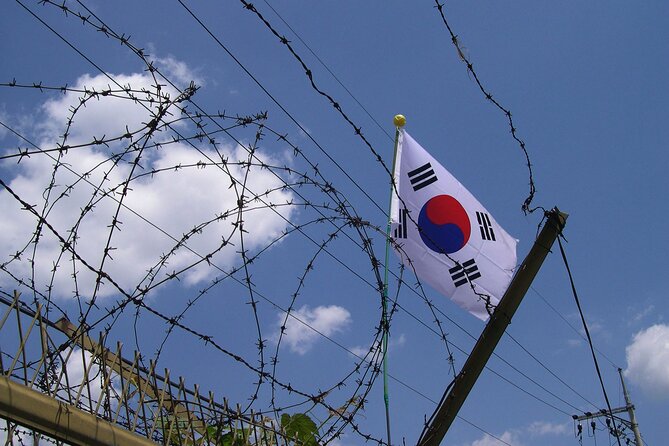
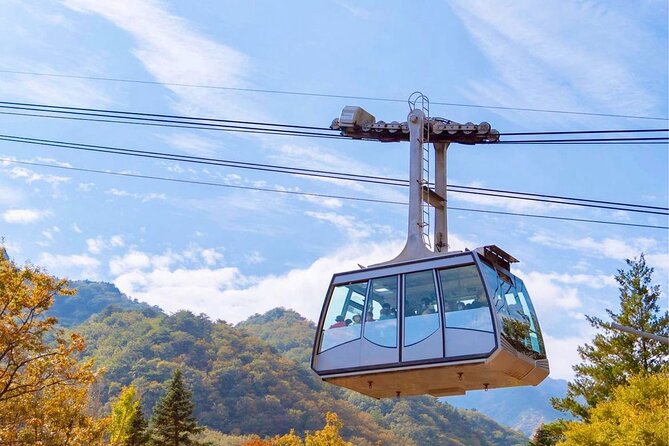
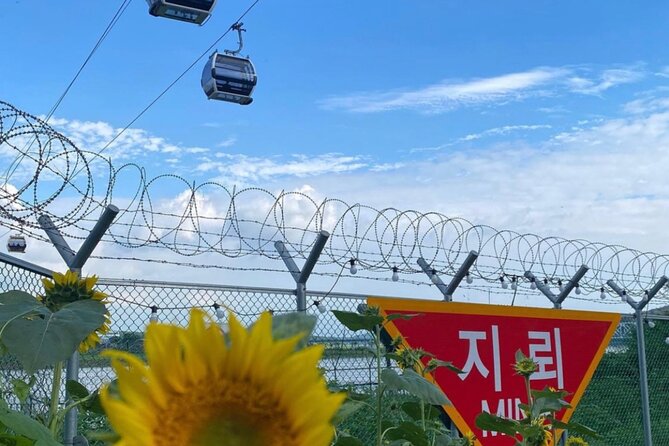
The Peace Gondola is where the day gets gentler. You ride above the Imjingak area, and you can see Camp Greaves, a filming location for Descendants of the Sun. That pop-culture thread can make the place feel more approachable, especially if you came to Korea from a drama or movie background.
The tour description also links the area to military stationing, including the 506th Regiment, with mentions of an American drama (Band of Brothers) and the film (Saving Private Ryan). Even if you are not a war-movie person, I think this detail is useful because it helps you connect the physical space to why soldiers and stories keep returning to this region.
Gondola time: manageable, but not “sit and ignore”
The gondola segment is about 1 hour, including time for transfer and the ride itself. It’s long enough to enjoy the views without turning into a slog. If you’re the kind of traveler who likes to look out the window and actually track geography, this is one of the best uses of time on the whole trip.
Also, exhibits in this area can be multilingual, and you may see displays in multiple languages including English and other options beyond Korean. That matters if you want to read carefully rather than rely only on your guide.
Lunch, bridges, and the bunker stops that keep the theme consistent
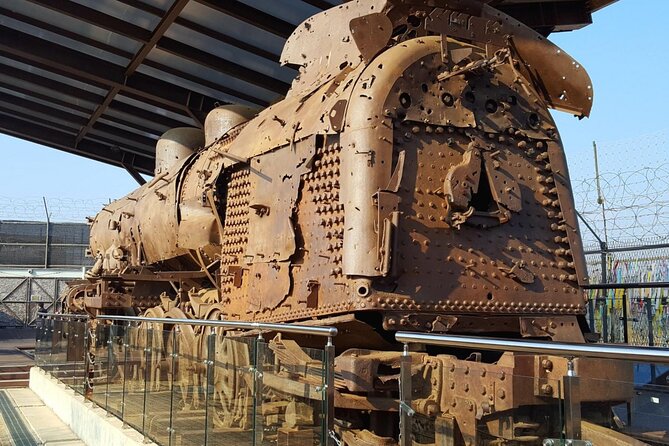
Your day includes lunch after the Dora Observatory and related viewpoints. The program also includes additional sites that reinforce the DMZ theme, such as Bunker Beat 131 and the Dokgae Bridge area (which you already connect with earlier in the route).
There’s also The Unification Bridge and stops that include checkpoints and regulated time windows for photos. This is where the tour’s structure helps you: you’re not guessing which symbolic site matters next. You follow the logic, and the day builds a clear story line from conflict to the longing for an end.
If you prefer a day that is more than “standing in line,” you’ll likely appreciate these repeated thematic anchors. It stops the trip from feeling random.
The amethyst or ginseng center stop: a small detour, with a purpose
Later on, you may visit an Amethyst or Ginseng Center as part of the route. These stops are short and more practical than emotional. I think of them as a cultural and commercial touchpoint, not a core reason to book the day.
Keep your expectations grounded. If you want only the most serious DMZ content, you might treat this like a quick break between major sites.
If you’re the type who likes taking home an edible souvenir or a small Korea-specific product, this can be useful. Just don’t let it steal time from how you pace the earlier, more important stops.
Who this tour fits best, and who should choose something else
This experience suits you if you:
- want a structured DMZ day with admission fees included and an English guide
- like serious context, not just quick sightseeing
- are comfortable with early starts and a packed schedule
- can handle a steep segment like the 3rd Infiltration Tunnel
The program says you should have moderate physical fitness. That is especially important because the tunnel requires technique and leaning forward. If you know you struggle with steep stairs or tight spaces, consider that limitation before booking.
Children must be accompanied by an adult. The day is long, and the security setting can be mentally intense, so families should think carefully about stamina.
Price and value: is $195 fair for what you get?
At $195 per person, the value comes from what is included, not just the headline price. Your package includes:
- Air-conditioned vehicle
- English tour guide
- Admission fees for DMZ and the gondola
For many travelers, the biggest hidden cost on a DMZ day is logistics. Getting from Seoul to all the controlled stops without chaos is the hardest part, and that’s where a guided, organized day pays off.
Is it “cheap”? No. But you are paying for access, time structure, and translation support in a place where self-guided exploring is not the norm. If you’ve been to other guided tours in Seoul, this is in the same “pay for convenience and permission” category, just with higher emotional stakes.
Also, the tour notes group discounts and uses a mobile ticket, which can make the process smoother once you are in your day.
When conditions shift: fog, weather, and military events
The program requires good weather. If conditions are poor enough to cancel, you’ll be offered a different date or a full refund. On foggy days, you should expect that views can be less dramatic, especially at places like Dora Observatory where visibility drives what you see.
Then there’s the DMZ reality: if there’s unannounced military training or an official event, the day may be replaced with the backup route that includes Tomorrow’s Whistle, Bunker Beat 131, Odusan Unification Tower, and the War memorial of Korea. That substitution keeps you from losing the whole day, but it can change what you personally came for.
My advice is simple: pick this tour as a “serious day out” and treat it like a weather-dependent experience. Don’t schedule anything tight the same day.
Guide impact: JJ, Jackie, and the difference good explanations make
A DMZ day can get overwhelming if it’s only facts and no structure. This is where guide quality becomes a big deal.
Guides like JJ and Jackie have been highlighted for being patient and engaging, with commentary that connects the visuals to human stories. One guide was even credited for arranging time to hear from someone with an escape journey to freedom, which can make the DMZ feel painfully real in a way that photos never do.
You should not book only for a name, but it’s fair to say the best DMZ tours are the ones where the guide keeps you oriented, explains what matters, and helps you process what you are seeing without turning it into cold information.
Practical prep checklist so your day stays easy
Do this and your body and brain will thank you:
- Bring your passport and keep it accessible for the ID check
- Wear sneakers. The tunnel is steep and requires leaning forward
- Aim for moderate fitness, especially for the tunnel segment
- Bring a layer. Morning air and transport time can feel cooler early
- Keep phone battery charged for signage and exhibits, since photo timing can be regulated
- Plan for a long day. This is not a “quick half-day” escape
If you follow the rules and show up ready, the day feels orderly. If you fight the time structure, it can feel like the border is teaching you patience, the hard way.
Should you book this DMZ and Imjingak Peace Gondola experience?
I think you should book if you want a full, guided DMZ experience that also includes the calmer, scenic Imjingak gondola ride. The mix of Dora Observatory, Dorasan Station, and the tunnel visit gives you the heavy content, while the gondola adds a different angle and even a film connection that makes the setting easier to grasp.
You should skip or consider another option if you:
- expect perfect visibility every time
- struggle with steep physical segments like the 3rd Infiltration Tunnel
- dislike long, regulated security days and early mornings
- cannot handle schedule changes due to weather or military conditions
If you can handle those realities, this is the kind of Seoul day trip that stays with you, not because it is “fun,” but because it is clear, structured, and unforgettable in a very specific way.
More Private Tours in Seoul

More Tour Reviews in Seoul
Not for you? Here's more nearby things to do in Seoul we have reviewed


DMZ Day Tours from Seoul, compared.
 ★ 5.0Best DMZ Tour Korea from Seoul (Red Suspension Bridge Optional)From $2941,422 reviews
 ★ 5.0DMZ Tour: 3rd Tunnel, Option(Suspension Bridge, Boat) from SeoulFrom $3521,373 reviews
 ★ 5.0DMZ tour south Korea from Seoul (NK experience hall, defector)From $2620,599 reviews
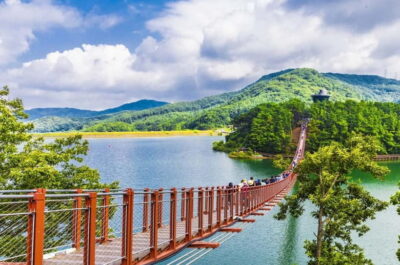 ★ 4.9DMZ Insider Tour: 3rd Tunnel, NK Defector Meet & Red BridgeFrom $5015,214 reviews
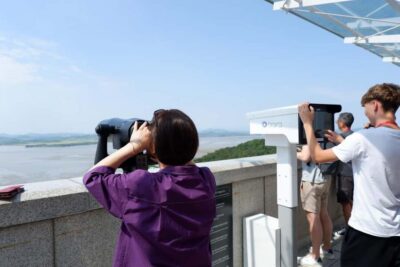 ★ 4.8DMZ Tour with Optional Suspension BridgeFrom $455,277 reviews
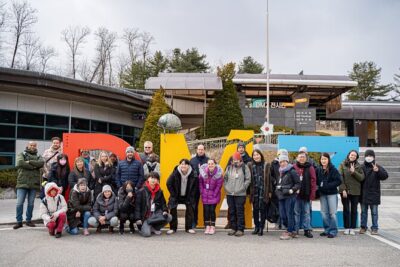 ★ 5.0Signature DMZ Tour: Exclusive Defector Talk & Suspension BridgeFrom $274,459 reviews
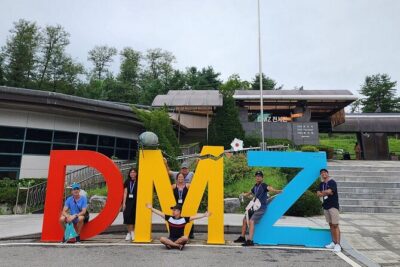 ★ 5.0Thrilling Korean DMZ 3rd Tunnel Tour from Seoul + Red Bridge RushFrom $353,097 reviews
 ★ 5.0DMZ Past and Present: Korean Demilitarized Zone Tour from SeoulFrom $372,481 reviews
Browse the lists this tour appears in