
Reviewed · SUWON & FOLK VILLAGE DAY TRIPS FROM SEOUL
Gyeongbok Palace and Korean Folk Village Tour
Seoul can be intense, so this day trip feels like a calm reset with history. You get Gyeongbokgung Palace plus the National Folk Museum, a stop at Jogyesa Temple, and then a very different world in Yongin at the Korean Folk Village. My favorite part is how the morning gives you the big-picture context, then the afternoon helps it click with real-life culture and activities. One thing to keep in mind: the schedule includes a ginseng center stop where you might feel nudged to buy, even though it is optional.
I also like that this is built for convenience, not hassle. Hotel pickup and drop-off, an air-conditioned vehicle, and a mobile ticket mean you are spending your energy on sights, not sorting logistics. And yes, there is some walking, so bring shoes you trust for uneven paths and palace courtyards.
Key highlights worth planning around
- Gyeongbokgung Palace + National Folk Museum in one visit, so you learn the story and the daily life angle without backtracking
- Jogyesa Temple as a city-breath moment, a large temple experience right inside Seoul’s rhythm
- Blue House pass-by perspective, quick context without the long wait you might expect for a direct visit
- Lunch at a traditional Korean restaurant with vegan options, so you are not stuck hunting for food
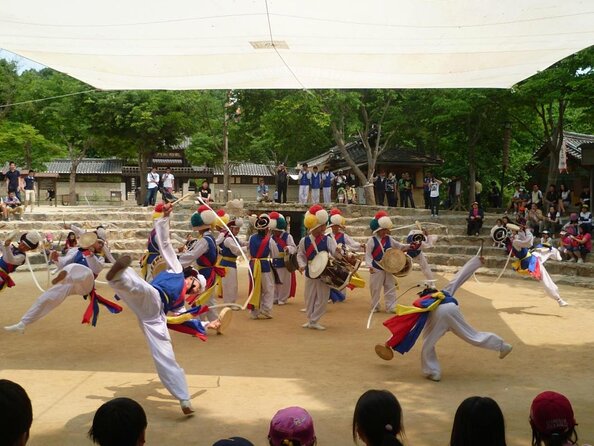
- Korean Folk Village in Yongin, where ancestral life feels practical and hands-on instead of just “look and read”
- A guided day with a manageable pace, capped at a relatively small group size for a full-day itinerary
Gyeongbokgung Palace and the National Folk Museum: where royal rules meet daily life
The day starts with you being picked up from your Seoul hotel, which matters because palace days can get messy fast once you factor in trains, transfers, and time drift. With round-trip transport and a guide, you can focus on what you came for: Korea’s story, told through both high-level history and everyday culture.
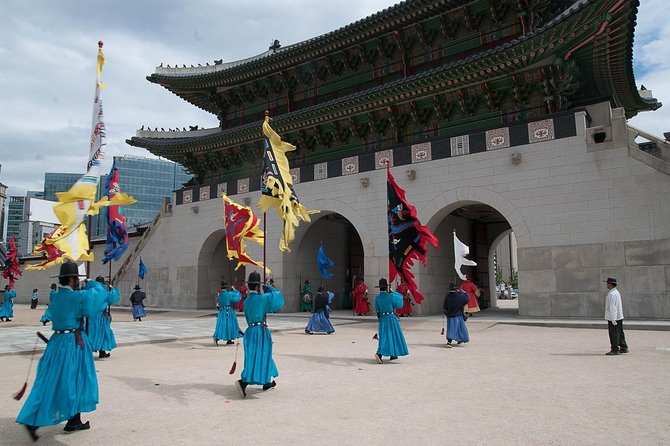
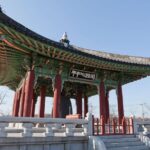
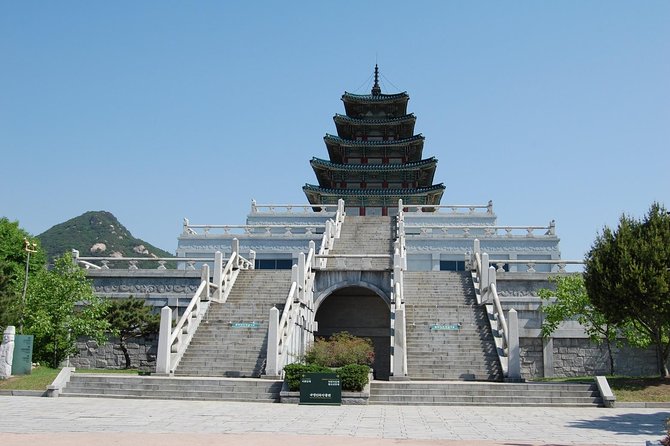
Gyeongbokgung Palace is the main one, and it carries real weight. This was the big palace of the Joseon Dynasty era, and standing in the palace grounds gives you that “oh, this was a center of power” feeling. You also get time to walk around at a relaxed pace rather than rushing past the highlights. The palace visit is paired with the National Folk Museum of Korea, which is a smart combo because it shifts your attention from court politics to cultural life.
What I like about pairing these two is that you stop treating history like a single timeline. You start noticing how everyday traditions fit into the wider system. Even if you are not the type to read every label, your guide’s context helps you connect what you are seeing with why it mattered.
A practical heads-up: there can be moderate walking, and palace areas can involve courtyards and paths that feel longer than they look on a map. Good shoes are not optional here.
You can also read our reviews of more tours and experiences in Seoul.
Jogyesa Temple inside Seoul: a calm pause you can feel
After the palace and museum, the tour shifts gears. Jogyesa Temple is the largest temple in South Korea, and the contrast is the point. You go from palace grounds and museum rooms to a temple space that feels quieter and more grounded, even though you are still in the city.
I really like this kind of stop because it changes your senses. The pace slows, the setting feels more reflective, and the temple layout gives you a different way to understand Korean culture than what you get from palaces. Also, this is a short visit compared to the palace, so it does not chew up your whole afternoon.
And yes, the entrance is listed as free for this stop, so it is good value in a day that already includes several paid sites.
Blue House pass-by: what you do get, and what you should not expect
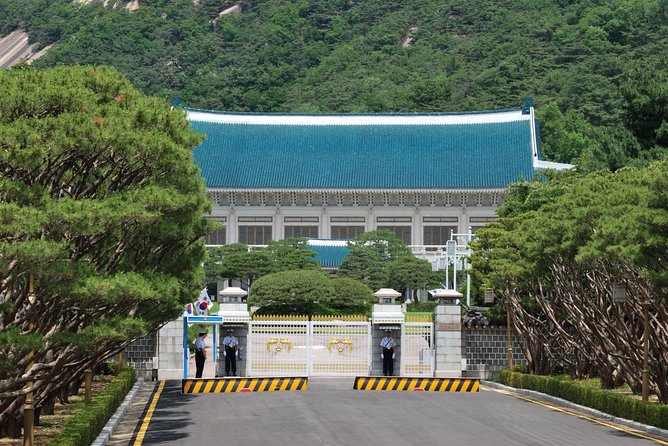
Right before you head into the palace area, you pass by the Blue House, the executive office and official residence of the Republic of Korea’s head of state.
This is not a ticketed, inside-the-gates moment. It is a drive-by and a context stop, which is still useful, especially if it is your first time in Seoul. You get to place it on your mental map, and your guide can help with the significance so it feels more than just a photo from the window.
For me, the key is managing expectations. If you are hoping for a full visit experience, this is not that. If you want location context, it works well.
The ginseng center and lunch break: convenience with one salesy note
Between major sightseeing blocks, you will stop at a ginseng center. The point here is education, plus the option to purchase if you want. The tour description frames it around the health benefits of ginseng, and you likely will see how the industry is presented for visitors.
Here is my one consideration for this part of the day: ginseng centers often have a strong retail angle, so even when the atmosphere is friendly, you might feel pressure to buy. If you are not interested, set your boundary early. Politely browse, ask questions if you want, and then move on.
After that, you get lunch at a traditional Korean restaurant. The big win is that vegan and plant-based Korean dishes are available. That matters because Korean meals can include a lot of hidden animal products, and having plant-based options planned into the day is a real relief.
Lunch is also a timing anchor. It gives you a break before Yongin, which helps you stay energized for the afternoon. If you are sensitive to walking or sun, treat this as your reset moment.
Korean Folk Village in Yongin: when culture turns into something you can do
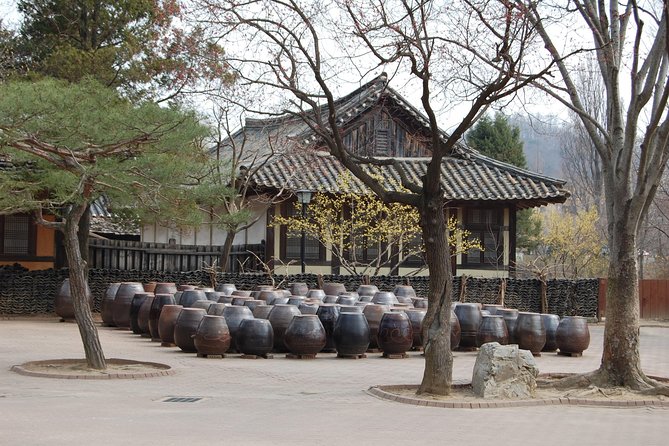
The afternoon is the part that tends to land hardest, and for good reason. You get out of the Seoul rush and head to Yongin, where the Korean Folk Village gives you a different lens on the past.
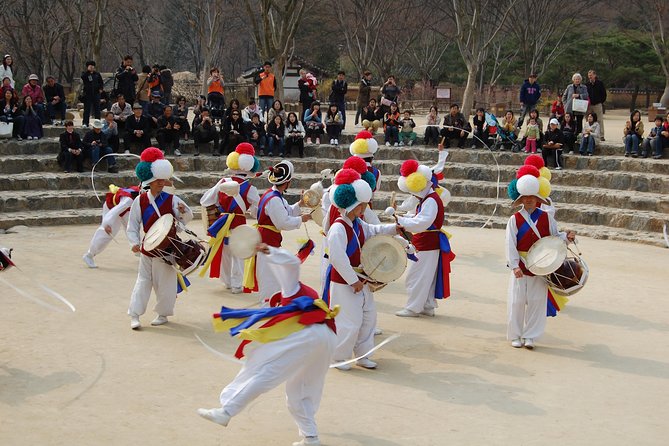
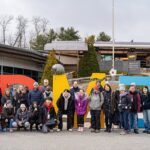
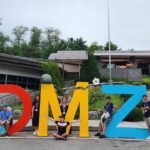
Instead of focusing mostly on buildings and formal history, this place is designed around ancestral life and culture. You spend about two hours here, and the experience includes numerous activities. That word matters. When culture is interactive, it sticks. You are more likely to remember what you learned because you did something with it, even if you are not doing anything technical.
I also like that this stop feels like a change of pace. Seoul is all movement and layers. Yongin at the Folk Village feels more spacious and gives you room to slow down and observe. It is a strong contrast within the same day.
What to do with your time: ask questions during the activities, and watch how your guide explains what you are seeing. If you only casually stroll, you will miss the meaning behind the demonstrations. Two hours is plenty if you stay engaged.

How the day fits together, timing, and what to pack
This is an 8-hour full day format that starts at 9:00 am. That is a solid start for beating crowds at palace sites and it also means you are not wandering Seoul into late afternoon without a plan.
The flow is also well balanced. You start with history-heavy stops (palace and museum), add a reflective nature break (temple), then take practical pauses (ginseng and lunch), and finish with a hands-on culture site (Korean Folk Village). It is not random. Each block sets up the next one.
Group size is capped at a maximum of 99 travelers, which usually means you are in a large group environment at times. Still, the day is designed around guided explanations and time at each site, so you are not standing in one place all day.
What you should bring:
- Comfortable walking shoes for palace grounds and village paths
- A light layer if you get chilly indoors (museums can run cooler)
- Water for between stops, even though lunch is included
- A phone charged for your mobile ticket and for quick navigation if you want it
And if you are visiting on a Tuesday, there is a specific note to know: Gyeongbokgung Palace and the National Folk Museum may be closed. In that case, the tour may switch to Deoksu Palace and the History Museum instead. If you are flexible, it is still a good plan. If you are very tied to the exact sites, check your day when you book.
Value for $79: what you are really paying for
At $79, the real value is not just the price tag. It is what you get folded into the day.
You are getting:
- Professional guidance across multiple stops
- Entry tickets where applicable (plus a free temple stop listed)
- Lunch included
- Air-conditioned transport
- Hotel pickup and drop-off
- A mobile ticket setup
A day like this can become expensive quickly if you try to book every piece separately, especially once you add entrance fees and the time cost of figuring out routes. This format reduces that friction. You pay one price, show up, and follow a structured cultural route.
Is it perfect value for everyone? If you are the type who loves total independence and hates any optional shopping stops, you might feel constrained. But if you want a guided, efficient day that covers both major Seoul landmarks and a culture-focused afternoon in Yongin, this is priced like a “planning is taken care of” option.
Who should book this tour, and who might not
This tour is a great fit if you:
- Want a first-timer friendly Seoul experience with major highlights
- Like history, but also want cultural context through museum and folk village activities
- Prefer not to piece together transport, tickets, and timing yourself
- Need vegan or plant-based lunch options included
You might think twice if you:
- Are sensitive to shopping or sales stops and do not want a ginseng center in the mix
- Want very deep, slow history at each location and dislike a structured day schedule
- Prefer fewer stops and more time in one place
The good news is that the pacing includes enough time at the palace and a meaningful afternoon. It is not a “photo stop only” itinerary.
Should you book this Gyeongbokgung Palace and Korean Folk Village tour?
I would book it if you want a clean, guided day that covers the big Seoul icons and still delivers an afternoon that feels like culture you can do, not just look at. The combination of Gyeongbokgung Palace + National Folk Museum and then Korean Folk Village is the main reason this works. You get both the official story and the lived traditions angle.
If you are not into optional purchases, treat the ginseng center as a quick lesson stop, not a decision point. After that, the day is largely what you want it to be, including a lunch with vegan options.
If you want one Seoul day that feels organized, culturally grounded, and efficient, this is a strong choice.
More Tours in Seoul
More Tour Reviews in Seoul
Not for you? Here's more nearby things to do in Seoul we have reviewed


Suwon & Folk Village Day Trips from Seoul, compared.
 ★ 4.7Suwon Hwaseong Fortress & Korean Folk Village TourFrom $74214 reviews
 ★ 5.0Beyond Seoul: Starfield Library, Hwaseong Fortress & Cave QuestFrom $69177 reviews
 ★ 5.0Yongin Dae Jang Geum Park Tour from SeoulFrom $50176 reviews
 ★ 5.0From Seoul: Suwon Hwaseong Fortress TourFrom $52108 reviews
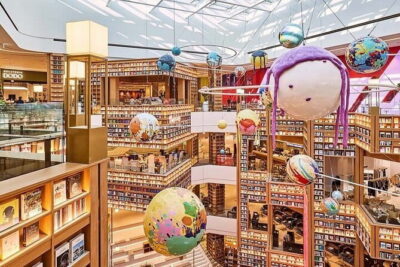 ★ 5.0Suwon Hwaseong+Gwangmyeong Cave+Starfield Library from SeoulFrom $54104 reviews
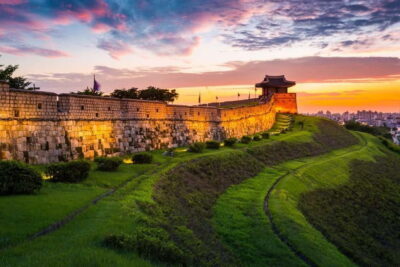 ★ 4.4Suwon Hwaseong, Gwangmyeong Cave, & Starfield Library TripFrom $5887 reviews
 ★ 4.5Korean Folk Village and Suwon Hwaseong Fortress Day Tour(EG Tour)From $6980 reviews
 ★ 5.0From Seoul: Suwon Hwaseong Fortress Night TourFrom $6978 reviews
Browse the lists this tour appears in