

Reviewed · DMZ DAY TOURS FROM SEOUL
From Seoul: Cost-Benefit DMZ Shuttle Bus tour
DMZ facts hit different. This Seoul-to-DMZ shuttle is built for an easy day, with air-conditioned comfort plus English staff to help you get your bearings. You are also given a chance to see major DMZ sights and Imjingak Park at a manageable pace, with background info shared during the ride.
My other big “yes” is the sheer value for what you cover in a single outing: multiple headline stops like the Third Tunnel, Dora Observatory, and Beat 131 Bunker are included in the overall experience. The main thing to plan for is extra cost and paperwork, because you’ll need a passport, and DMZ admission is listed as an extra fee (around $10) that you may need to arrange with the guide.
Quick take: what makes this DMZ shuttle cost-benefit
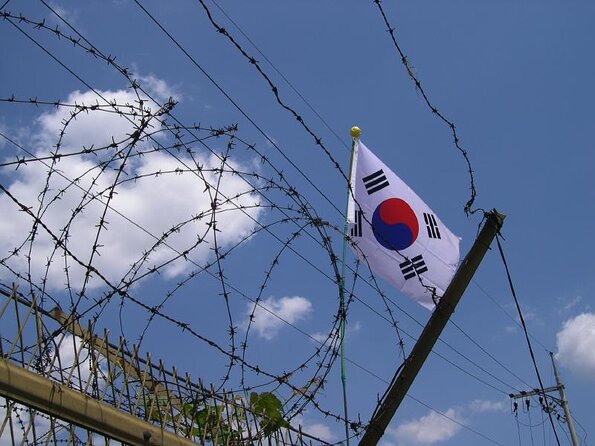
- Seoul hotel-area friendly meet up at 92 Sejong-daero, Jung District, with return to the same point
- Air-conditioned shuttle comfort for the long drive, plus information shared in the bus
- Key DMZ stops in one day, including Third Tunnel, Dora Observatory, Peace Gondola area, Dokgae Bridge, and Beat 131 Bunker Exhibition Hall
- Imjingak Park included so you get more context than just the hard-line sights
- Small enough to feel guided, with a max group size of 100
- Mobile ticket for smoother check-in, especially on busy travel days
Why a Seoul to DMZ shuttle is smart value at $31
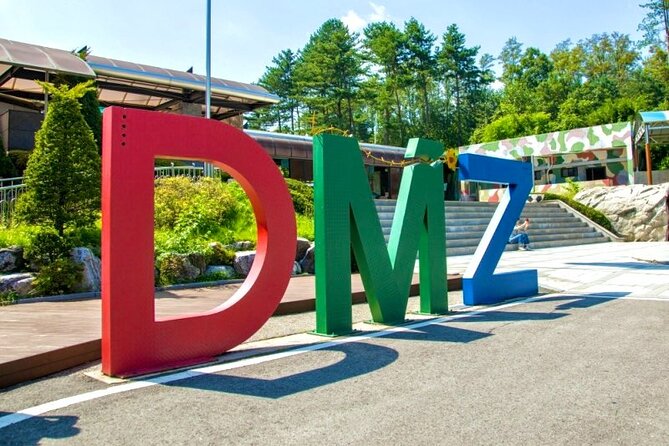
Let’s start with the money, because DMZ travel can get expensive fast. This tour is priced at $31 per person, and that matters if you want a day in the DMZ without DIY complexity.
What you get for that price is the big cost saver: a comfortable shuttle transfer from Seoul and guided support with simple English instruction. You also gain structure, since the day is organized around major DMZ areas, so you do not have to figure out timing between separate locations.
Now add the small catch: DMZ admission is not consistently priced as “already handled.” The info you see says DMZ admission is extra (about $10) and also notes that admission may need arrangement with your guide. So plan for an added fee, and you will feel the deal is even better, because the shuttle and access coordination are still the core value.
The day length is also a factor. You’re looking at roughly 8 to 10 hours, and the schedule can be extended up to 10 hours depending on local conditions. That flexibility can be useful if you want the full run of sights without rushing.
Finally, consider the booking rhythm. This experience is commonly booked about 48 days in advance on average, so if you are traveling during a busy season, getting your slot early helps.
You can also read our reviews of more tours and experiences in Seoul.
Meeting point at 92 Sejong-daero and the calm start to the day
The experience starts at 92 Sejong-daero, Jung District, Seoul. Once you meet your group and guide at the designated spot, the shuttle transfers directly toward the DMZ.
That early leg is around 50 minutes, and it sets the tone. Rather than spending the first part of the day figuring things out, you’re already on the move with staff and a plan.
This is also where the English support matters. The tour includes English staff for simple instructions, which is exactly what you need for a place like the DMZ where rules and pacing can feel strict even when everything is orderly. Even if you only catch the main points, it helps you understand why each site is where it is, and what you are supposed to notice.
If you like a guided intro but not a lecture all day, this format is a good match. You get bus information that makes your later stops feel more connected, and then you can spend time at each area.
The DMZ day, paced for your own pace
Once you arrive in the DMZ, the tour block runs about 7 hours, and that is a meaningful chunk. The experience is described as allowing you to explore at your own pace, which is important in a high-attention environment.
A paced day matters because DMZ sites are not just “look at a building” stops. They are about scale, geography, and what the boundary line symbolizes. If you are the type who likes time to read, pause, and take in details, you will appreciate having room to slow down.
Also, remember this is not just a military landscape. The DMZ is framed as a symbol of peace, created after the Korean War armistice on July 27, 1953, and turning from a war-torn space into one that connects the peninsula with nature. That storyline helps your brain hold two ideas at once: the tension is real, but the purpose is also meant to be reconciliation.
You’ll see a concentrated set of major points inside the DMZ area, plus Imjingak Park. In practice, that means you get both the “hard history” angle and the “peace and remembrance” side without needing multiple separate tours.
Third Tunnel: the invasion story you cannot forget
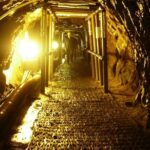
One of the headline stops is the Third Tunnel, which was built for invasion by North Korea. Standing near a site like this is powerful because it turns an abstract idea into something physical: a plan, an engineering effort, and a sense of proximity.
This is where your bus briefing pays off. Even a basic explanation gives context for why the tunnel is presented as significant, and it helps you notice the “what it was meant to do” layer as you look around. Without that, you might see it as just another historic structure. With it, it becomes a warning system made of concrete and time.
A practical note: tunnel and underground sites often feel cooler and different than outdoor viewpoints. If you tend to get cold easily, plan for a light layer. You can keep it simple, but do not rely on Seoul weather being the whole story once you enter controlled spaces.
Dora Observatory and the strange feeling of distance
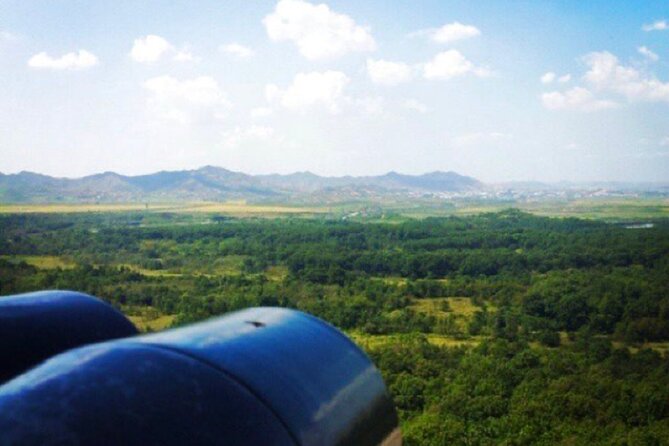
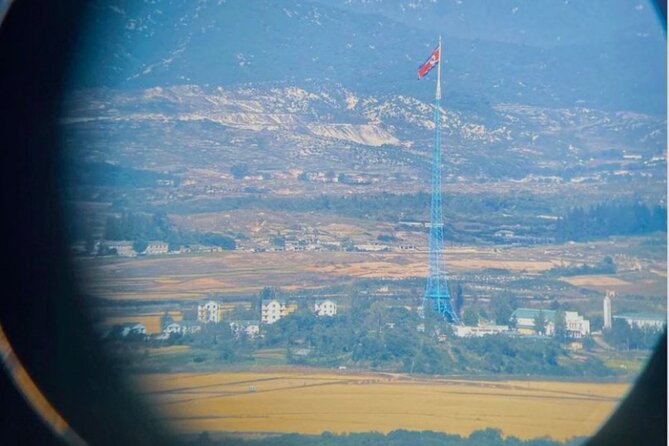
Another major stop is Dora Observatory. Observatory sites can be tricky because they can turn into “take a photo, move on” moments for some people. The good news is that the DMZ framing here is designed to slow you down mentally. Dora is a place where your attention naturally goes to sight lines and what distance means in a divided landscape.
This is also where English instruction helps most. You might not need a full script, but you will want to understand the basic point: what you are looking at, why it matters, and what the site represents.
If you like connecting information to what you see, this is a strong stop. It is also a good place to take a breath. The DMZ has a way of making your mind run fast, so having a moment of stillness helps you process instead of just collecting sights.



Peace Gondola and the experience of the boundary line
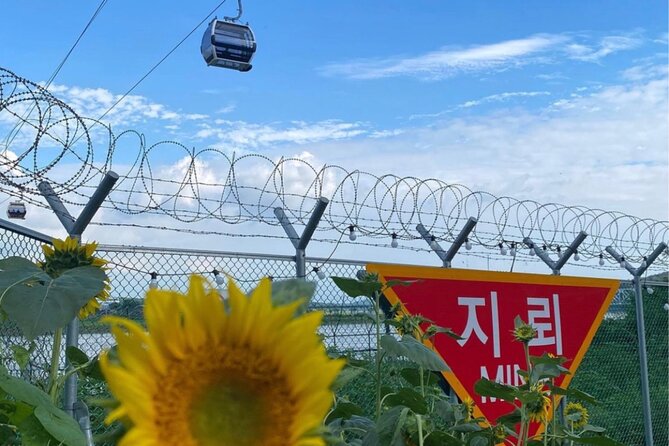
The tour includes the DMZ Peace Gondola area. Even if you are not riding every element, the presence of this stop signals something important: the DMZ is treated as more than a military zone.
Peace-themed elements can sometimes feel like they belong to another world, but here they act like a contrast point. After darker history sites like the tunnel and the bunker exhibition area, a peace-focused area gives you emotional balance. It also lets you see how the DMZ functions as an ongoing symbol, not just a past event.
If you are traveling with someone who gets overwhelmed by heavy history, these kinds of stops are useful. They keep the day from feeling emotionally monotone.
Dokgae Bridge and the meaning of a crossing
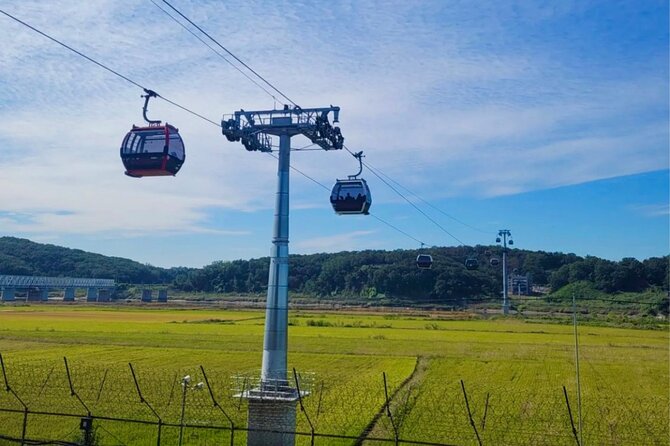
Next up is Dokgae Bridge. Bridges often symbolize movement and connection, and in the DMZ context that symbolism is charged. Even without extra narrative, a crossing point makes you think about what could happen if the boundary changed.
This stop also fits the “own pace” idea well. You can stand and look, read any available interpretation, and take time to reflect on what a bridge means in a place where crossing is complicated.
If you prefer structured commentary, you’ll still get guidance from the English staff for simple instructions. But this is the kind of location where you do not want to be rushed, because the meaning is in the space and the stillness around it.
Imjingak Park and remembering without getting lost
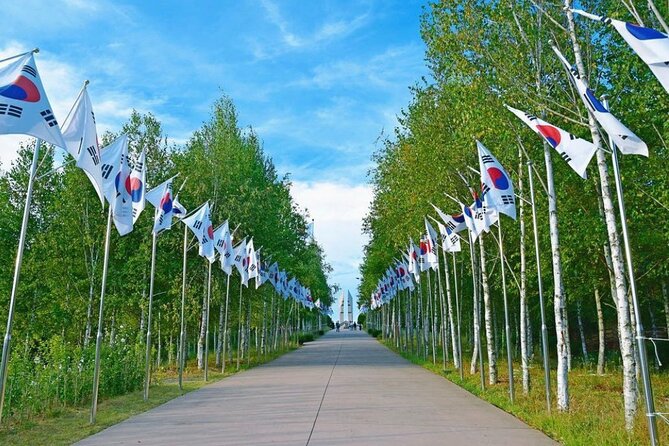
Imjingak Park is included, and that matters because it adds another layer to the DMZ story. You’re not only looking at military features, you’re seeing the space framed for remembrance and reflection.
Parks are helpful on days like this because they give you a break from the most intense sights while still staying in the same historical zone. The schedule includes enough time to make these softer stops feel intentional rather than purely decorative.
I also like that the overall experience is described as letting you explore at your own pace. In a park, that flexibility is a real comfort. You can slow down, take in the atmosphere, and choose how long to spend before moving back to the more structured DMZ highlights.
Pyeonghwa Nuri Park: peace made physical
The itinerary also names Pyeonghwa Nuri Park. “Peace” is easy to say and hard to experience. A park focused on peace helps convert the idea into space, paths, and points of attention.
For many people, this is where the day starts to feel less like a history lesson and more like a place with its own emotional weather. After hours of intense imagery, you might find yourself scanning less for facts and more for meaning.
This is a good stop for photos, but also for quiet reading and just letting the day land. If you like calm breaks, this part of the tour can be a relief.
Beat 131 Bunker Exhibition Hall: where information becomes weight
The tour lists Beat 131 Bunker Exhibition Hall. Bunker sites carry a different kind of gravity. They are about endurance, planning, and the logic of survival.
Even with minimal English, exhibition areas tend to guide your attention through text and layout. Add the bus information you get earlier, and you’re more likely to understand why the bunker is showcased and how it fits the larger DMZ narrative.
This stop can also be emotionally demanding. If you know you get tense with heavy war-themed environments, give yourself permission to slow down. Spend time there, but also take breaks elsewhere on the same day.
The best approach is to do it in order: hard sites like tunnels and bunkers can raise your heart rate, then peace-focused stops like parks can help you reset.
Duration, lunch, and how to plan your day in real time
The tour runs about 8 to 10 hours, and local conditions can extend it up to 10. In a place like the DMZ, that’s not a small detail. Timing affects how much time you feel you have at each stop, and it affects how you manage hunger and energy.
Lunch is not included. That means you should plan your eating strategy before you go. If you prefer control, bring a simple plan for food timing, so you do not rely on last-minute decisions during a long day.
Weather is also a factor. The experience requires good weather, and if it gets canceled due to poor conditions, you’ll be offered a different date or a full refund. In other words, if your Seoul schedule is tight, keep a little flexibility in your planning.
Group size is capped at 100 travelers, and that’s relevant because it affects how crowded the day feels. A larger group can move faster, but the “own pace” emphasis means you will want to stay aware of timing so you do not get left behind while you slow down to read.
Also, you’ll need your passport. This is not a place to travel lightly on paperwork.
Who this DMZ shuttle fits best
I think this tour makes sense for three main types of travelers.
First, it’s ideal if you want a DMZ day without turning it into a logistics project. The shuttle from Seoul plus English staff for simple instruction is built for stress-free planning.
Second, it works for people who want both war history and peace symbolism in one structured outing. The combination of Third Tunnel, Dora Observatory, Dokgae Bridge, Beat 131 Bunker, plus Imjingak Park and Pyeonghwa Nuri Park covers multiple sides of the story.
Third, it is a good option if you appreciate a guided intro but prefer to decide your own pace on-site. The tour’s format supports that, which is especially helpful in open-air areas like parks and viewpoints.
It may be less ideal if you are on a super tight schedule in Seoul and cannot handle extra waiting time. The day can run up to 10 hours depending on local conditions, and good weather is required.
Should you book this Cost-Benefit DMZ Shuttle Bus tour?
Book it if your priority is value plus structure. At $31 per person for an air-conditioned shuttle, English support, and major DMZ stops, you are getting a cost-benefit approach that keeps the day manageable. Just budget for extra DMZ admission (listed around $10) and do not forget your passport.
Skip it or reconsider if you cannot handle an all-day commitment or you need predictable timing down to the hour. The DMZ is weather dependent, and local conditions can extend the day.
If you go in with the right mindset, you’ll feel the point of the day. The DMZ is framed as both tragedy and peace, created after July 27, 1953, and your stops are chosen to make that contrast tangible.
FAQ
How long is the DMZ shuttle bus tour?
It lasts about 8 to 10 hours, depending on local conditions. The tour can be extended up to 10 hours.
How much does the tour cost?
The price is $31.00 per person.
Is DMZ admission included in the price?
DMZ admission is listed as not included, and the admission fee is mentioned as $10 extra. Check with the guide for ticket arrangements.
What sites will I see in the DMZ?
You’ll see key areas including the Third Tunnel, Dora Observatory, DMZ Peace Gondola, Dokgae Bridge, Pyeonghwa Nuri Park, and Beat 131 Bunker Exhibition Hall, plus Imjingak Park.
What is included in the tour?
The tour includes an air-conditioned vehicle and English staff for simple instructions. Lunch is not included.
Do I need a passport?
Yes, a passport is needed.
Where do we meet and where does the tour end?
The start point is 92 Sejong-daero, Jung District, Seoul, South Korea, and the activity ends back at the same meeting point.
Is there a mobile ticket?
Yes, the tour uses a mobile ticket.
What are the weather rules?
The experience requires good weather. If it is canceled due to poor weather, you’ll be offered a different date or a full refund.
What is the group size limit?
The maximum number of travelers is 100.
What is the cancellation policy?
You can cancel for a full refund if you cancel up to 24 hours in advance. If you cancel less than 24 hours before the start time, the amount paid is not refunded.
More Tours in Seoul
More Tour Reviews in Seoul
Not for you? Here's more nearby things to do in Seoul we have reviewed


DMZ Day Tours from Seoul, compared.
 ★ 5.0Best DMZ Tour Korea from Seoul (Red Suspension Bridge Optional)From $2941,422 reviews
 ★ 5.0DMZ Tour: 3rd Tunnel, Option(Suspension Bridge, Boat) from SeoulFrom $3521,373 reviews
 ★ 5.0DMZ tour south Korea from Seoul (NK experience hall, defector)From $2620,599 reviews
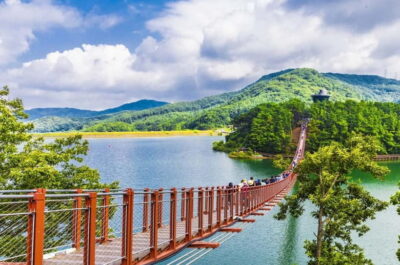 ★ 4.9DMZ Insider Tour: 3rd Tunnel, NK Defector Meet & Red BridgeFrom $5015,214 reviews
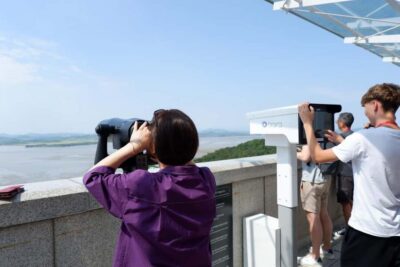 ★ 4.8DMZ Tour with Optional Suspension BridgeFrom $455,277 reviews
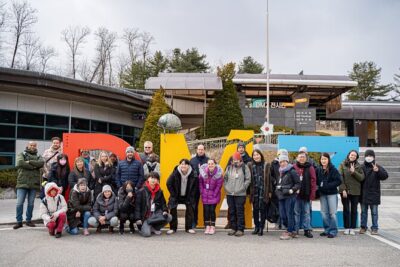 ★ 5.0Signature DMZ Tour: Exclusive Defector Talk & Suspension BridgeFrom $274,459 reviews
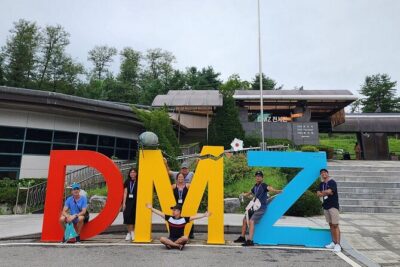 ★ 5.0Thrilling Korean DMZ 3rd Tunnel Tour from Seoul + Red Bridge RushFrom $353,097 reviews
 ★ 5.0DMZ Past and Present: Korean Demilitarized Zone Tour from SeoulFrom $372,481 reviews
Browse the lists this tour appears in