
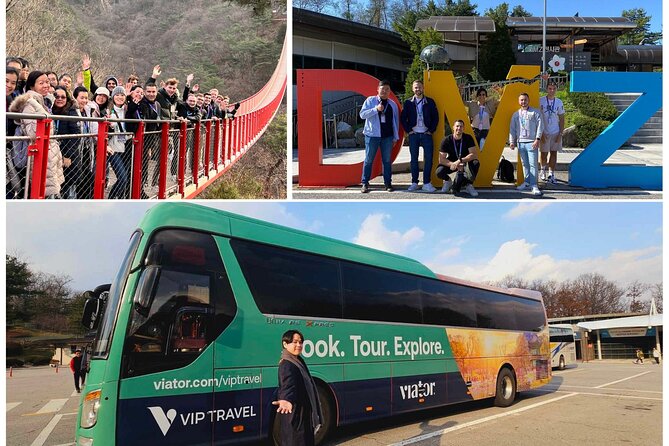
Reviewed · DMZ DAY TOURS FROM SEOUL
DMZ Tour Seoul to North Korea’s 3rd Tunnel & Majang Lake Crossing
The DMZ makes time feel strange. This Seoul day trip packs the Cold War boundary into one well-run schedule, from POW-era memorials to the 3rd Tunnel and a final bridge over Majang Lake.
I like that you get complimentary hotel pickup, so you are not hunting for buses at dawn. I also like how the itinerary builds up to the big moments, instead of throwing you straight into chaos.
One caution: it is a long day with walking, checkpoints, and some tight timing. If weather turns and areas close early, you may have less time than you hoped.
What I loved most (and why it matters)
- Dora Observatory telescope viewing of North Korea from South Korea, plus North Korean goods
- Third Tunnel visit with the practical tip to keep your hard hat buckled
- Imjingak Peace Park stops that explain separation and reunification in plain, human terms
- Bridge-of-Freedom and POW context that makes the armistice feel real
- Optional Majang Lake suspension bridge for a calm visual finish
Cold War in One Day: What This DMZ Route Really Feels Like
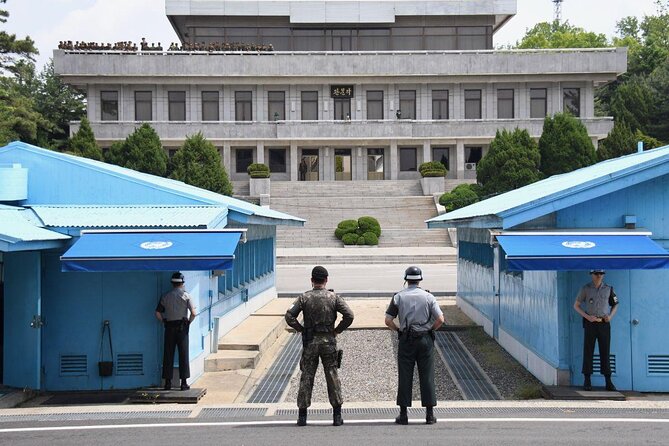
A DMZ tour is not really about sightseeing. It is about standing next to decisions people made, then trying to understand the cost.
I like this format because it is structured like a story. You start with the places that hold memory and loss, then you move toward the machinery of confrontation, the tunnel and the close-view observatory. The pacing keeps you from getting numb, which is a real risk on days like this.
You also get a small but important benefit: you are not doing the logistics alone. A guide handles the flow, collects what you need for the civilian-controlled areas, and keeps the group moving. That is what turns a scary, headline-driven topic into a day you can actually process.
Meeting Points in Seoul and How the 8-Hour Day Stays on Track
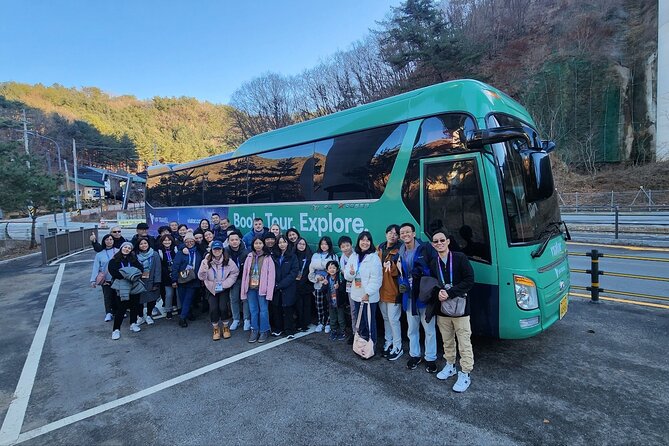
This trip runs about 8 hours. You start with one of three meeting points in central Seoul: Myeongdong Subway Station Exit 9, Seoul City Hall Subway Station Exit 6, or Hongdae Subway Station Exit 3. The instructions are simple: arrive 10 to 15 minutes early. That early buffer matters because you are dealing with multiple buses and lots of people gathering.
You should also plan your day around the reality of a timed itinerary. You will have short windows at several stops, then longer stretches at the main sites. If you want photos, do it with a bit of patience. Many parts of this tour are photo-friendly, but not every minute is built for wandering.
The group size caps at 150, so you will not be alone. Still, the day is designed to keep the schedule tight enough that you see the key stops without losing hours to transit.
You can also read our reviews of more tours and experiences in Seoul.
Imjingak Tourist Information Center and Imjingak Park: Where Hope Gets Physical
Before the dramatic checkpoints, you start at the Imjingak Tourist Information Center for entrance clearance and tickets tied to the civilian-controlled areas. Think of this as a “paperwork and briefing checkpoint” so you can focus once you are inside.
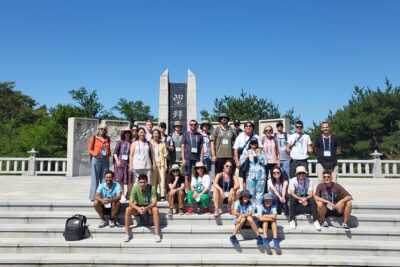
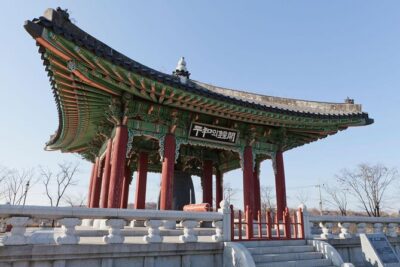
Then you move into Imjingak Park, established in 1972. This is where the DMZ story becomes emotional without getting vague. You stand before the Bell Tower and learn how these spaces were designed to honor those separated by the Korean War and to point toward reunification.
A few specific stops here make the day click:
- The Bridge of Freedom crossing, tied to prisoner of war returns in 1953
- The Pyeonghwauijong Peace Bell, a heavy 21-ton bronze symbol cast in 2002
- The Mangbaedan Memorial Altar, built in 1987, where families pay tribute during traditional holidays
If you care about context, this part matters most. It explains why the DMZ is not just a line on a map.
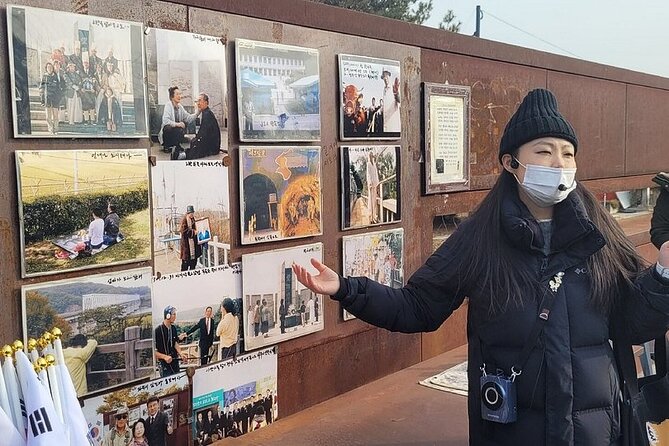
Bridge of Freedom, POW Stories, and the POW-Era Meaning Behind the Photos
The Bridge of Freedom is the kind of place you expect to be quiet. It is also the kind of place where the history makes the visuals feel sharper.
You cross a humble wooden span built in 1953 to replace a war-torn rail bridge over the Imjin River. The point is not the wood, it is what it carried and what it meant for returning prisoners of war. When you understand that, the stop stops being ceremonial and starts being personal.
Photo tip: keep your expectations realistic. You will want wide shots of the river and the bridge. Do that early. Then, when the group slows, grab closer angles with faces and signage. The short stop time means your best photos come from being ready, not from waiting for the perfect moment.
The DMZ Gondola Option and What to Do If You Want Views
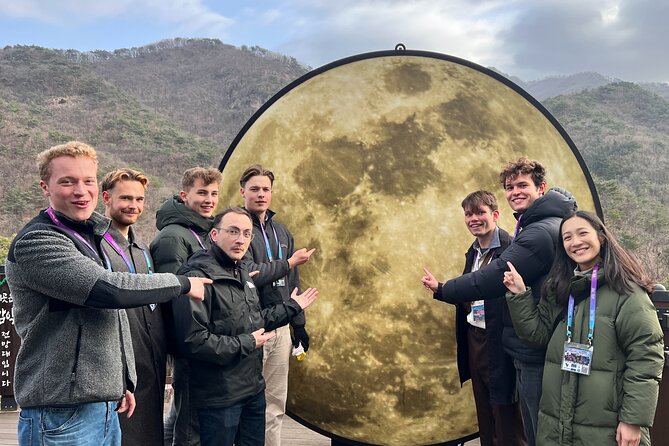
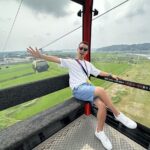
After some Imjingak area walking, there is an optional ride on the Paju Imjingak Peace Gondola. It opened in 2020 and goes over the Imjin River for views near the edge of the DMZ.
This is one of those options that can turn “I saw a memorial” into “I understood the scale.” You are up higher, you can scan the area around the boundary, and it feels less like standing still.
If you hate heights, skip it. If you want better angles for photos, it is a good add-on. Either way, keep your energy for what comes next.
Entering the Real Boundary: Unification Bridge Checkpoint and the Passport Reality
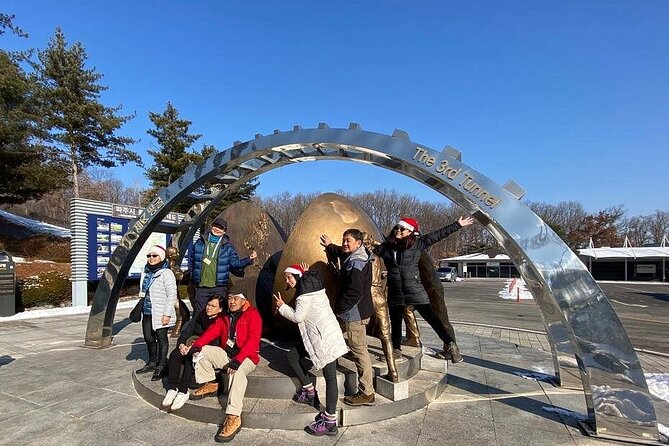
One of the most important practical moments is the Unification Bridge area, described as a military checkpoint. There, soldiers inspect the bus and do ID checks, and you need your passport, Military ID Card, or an ID issued in South Korea.
This is not a place to gamble with documents. Keep yours easy to reach. The biggest annoyance on checkpoint days is delays caused by people digging for paperwork.
Also, plan for the day to feel “bigger” at this point. You cross from memorial space to controlled area movement. The bus ride itself becomes part of the experience, since you travel past the Imjin River and the surrounding natural areas where wildlife and birds have been able to flourish since the armistice.


The Third Tunnel of Aggression: What It’s Like Underground
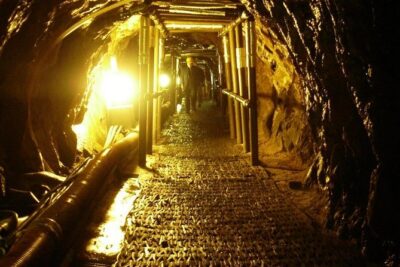
Now you reach the stop that many people remember most: the Third Tunnel, also called the 3rd Infiltration Tunnel.
A few concrete details help you picture it:
- It was unearthed in 1978
- It is 1,635 meters long
- It is about 52 km from Seoul and 12 km from Munsan
You spend about 1 hour here, which is enough time to go through at a human pace while still covering the key sections.
Practical comfort matters underground. Reviews and on-site tips point out that you should keep your hard hat securely fastened, because taller visitors can bump their heads. That is easy to ignore until you feel the scrape. Buckle it, then focus on the story the guide is explaining.
If you dislike confined spaces or you feel uncomfortable with stairs and uneven footing, you should mentally prepare. It is not a thrill park. It is a real security site inside a tunnel that was built for infiltration.
Dora Observatory Telescope Viewing: The Closest Look You Can Get
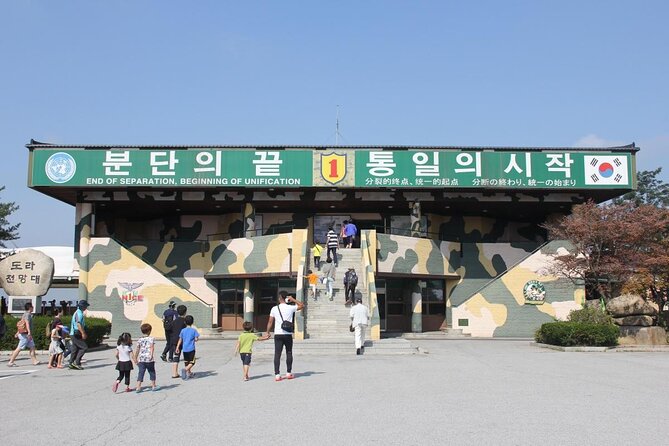
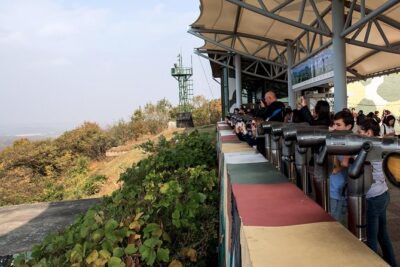
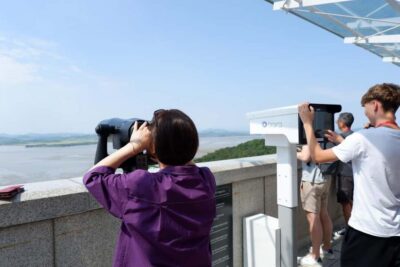
The day peaks at Dora Observatory on Dorasan. It was established in 1986 and updated in 2018. This is described as the closest view of North Korea from South Korea, and you access it with high-powered telescope viewing.
This stop is worth planning for because your experience depends on conditions. If it is clear, the telescope viewing is the highlight. If visibility is limited, you still leave with a deeper understanding of how the boundary is watched and measured.
You also get a small but intriguing bonus: you can buy North Korean products at the observatory. It is one of the few places on the trip where everyday items connect to an isolated system across a controlled line.
If you want the best photos, listen for your guide’s timing cues. The group usually gets a short window for telescope viewing, then time for other areas. Your best strategy is to decide early what shots you want, wide first, then close-ups of signage and the view point.
Tongilchon-gil and the Jangdan Station Stops: Small Stops With Meaning
After the tunnel and the observatory, the trip doesn’t just send you away. It adds quieter context.
You make time near Tongilchon-gil, a village just past the Civilian Control Line. You also stop at sites connected to the rail era, including Jangdan Station of the Gyeongui Line with a preserved steam locomotive linked to the line before the Korean War halted rail travel in 1950.
You also have a brief stop at the Peace Bell area earlier, but these later stops keep the day grounded. They remind you that the DMZ is not only about weapons and tunnels. It is also about broken routes, families, and everyday life that never returned to what it once was.
Majang Lake Crossing: Optional Bridge Finish With a Different Mood
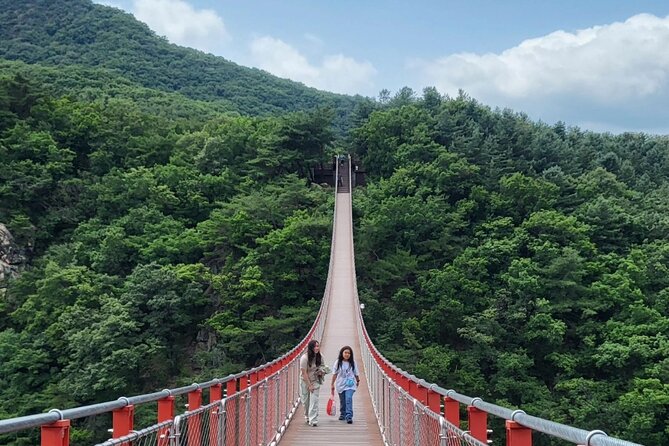
If you add the optional Majang Lake component, you end with a calmer, scenic moment.
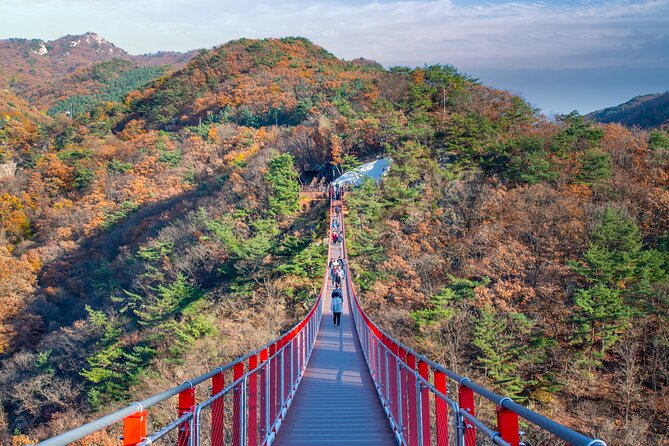
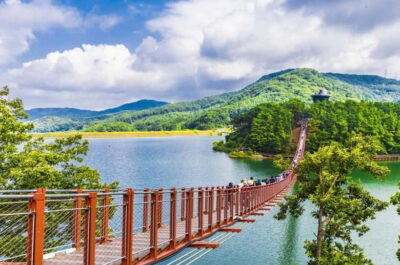
The Majang Reservoir Suspension Bridge opened in 2020. It is 262 meters long and rises about 25 meters above Majang Lake.
Why this option works: after hours of militarized space, you get an open view, a light feeling, and a chance to take photos without thinking about checkpoints. It is also a good way to extend the day’s theme beyond tension and toward the idea of connection.
This is listed as optional, so if you choose DMZ-only, you still get the main sites. But if your group energy is good and you want one last wow, this bridge is a nice closer.
Price and Value: What $35 Buys You on a DMZ Day
At $35 per person, this tour can feel like a bargain for what you get. The price includes a professional English or Chinese guide, hotel pickup, and key paid entry pieces for the DMZ-area experiences like the 3rd Tunnel and Dora Observatory. You also have a mobile ticket, which simplifies check-in.
What you should budget beyond the ticket:
- Lunch is not included
- Optional add-ons are only included if you select them during checkout, like the Paju Imjingak Peace Gondola, Gamaksan Red Suspension Bridge, and Majang Lake Bridge
- You will likely want snacks and water for a full day
Is it the kind of value that means you should ignore comfort? No. You still need to think about time, walking, and the checkpoint process. But compared to the complexity of arranging DMZ access on your own, the all-in guide and transport value is strong.
Who Should Book This DMZ Tour, and Who Might Want a Different Plan
This is a great match if you want:
- A single-day route that hits the big DMZ anchors without guesswork
- Clear commentary that connects memorials, infrastructure, and political meaning
- Telescope time at Dora Observatory
- A structured day with pickup and drop-off in central Seoul
It might not be ideal if you:
- Want lots of free time to wander slowly. Some stops are brief by design.
- Hate steps, inclines, and uneven surfaces. The tunnel and multiple sites can be physically demanding.
- Are sensitive to schedule disruptions. Early closures due to military exercises can affect timing, and weather can change how satisfying the telescope view is.
Still, the overall structure keeps the day moving even when conditions shift. That is part of why many people leave feeling like they got their money’s worth.
Should You Book This DMZ Tour?
If you are doing Seoul and you want one experience that explains the peninsula’s most intense reality, this is a smart pick. You get the full arc: memorial spaces at Imjingak, the crossing imagery of the Bridge of Freedom, the underground story in the Third Tunnel, and then the closest South Korea telescope view at Dora Observatory. Add Majang Lake if you want a softer landing after the heavy themes.
Book it if you can bring a passport and you’re okay with an active, timed day. Skip or consider alternatives if you want maximum relaxation, hate enclosed spaces, or are traveling with very limited mobility.
If you want my practical checklist: pack light layers (conditions can shift), bring your documents ready for ID checks, and keep your hard hat secured if you go through the tunnel. That is how you turn a serious day into a safe, memorable one.
FAQ
How long is the DMZ tour from Seoul?
It runs for about 8 hours (approx.).
What is the price per person?
The price is $35.00 per person.
Where do I meet the tour in Seoul?
You meet at one of three locations: Myeongdong Subway Station Exit 9, Seoul City Hall Subway Station Exit 6, or Hongdae Subway Station Exit 3. You should arrive 10 to 15 minutes early.
What is included in the tour price?
The tour includes a professional guide (English or Chinese), hotel pickup from the downtown/main subway area, and DMZ-area admissions for the main stops. It also supports optional add-ons if selected at checkout, and the tour uses a mobile ticket.
Is lunch included?
No. Lunch is not included.
Do I need a passport?
For the military checkpoint at Unification Bridge, you need your passport, Military ID Card, or a South Korea-issued ID.
Is the Gondola included?
The Paju Imjingak Peace Gondola is optional. It is included only if you select it.
What optional activities can I add?
You can select optional add-ons during checkout, including the Gamaksan Red Suspension Bridge, Majang Lake Bridge, and optional Strawberry picking. The gondola is also optional.
More Tours in Seoul
More Tour Reviews in Seoul
Not for you? Here's more nearby things to do in Seoul we have reviewed


DMZ Day Tours from Seoul, compared.
 ★ 5.0Best DMZ Tour Korea from Seoul (Red Suspension Bridge Optional)From $2941,422 reviews
 ★ 5.0DMZ Tour: 3rd Tunnel, Option(Suspension Bridge, Boat) from SeoulFrom $3521,373 reviews
 ★ 5.0DMZ tour south Korea from Seoul (NK experience hall, defector)From $2620,599 reviews
 ★ 4.9DMZ Insider Tour: 3rd Tunnel, NK Defector Meet & Red BridgeFrom $5015,214 reviews
 ★ 4.8DMZ Tour with Optional Suspension BridgeFrom $455,277 reviews
 ★ 5.0Signature DMZ Tour: Exclusive Defector Talk & Suspension BridgeFrom $274,459 reviews
 ★ 5.0Thrilling Korean DMZ 3rd Tunnel Tour from Seoul + Red Bridge RushFrom $353,097 reviews
 ★ 5.0DMZ Past and Present: Korean Demilitarized Zone Tour from SeoulFrom $372,481 reviews
Browse the lists this tour appears in