
Reviewed · DMZ DAY TOURS FROM SEOUL
DMZ Highlights & Exclusive Defector Interview – True Human Story
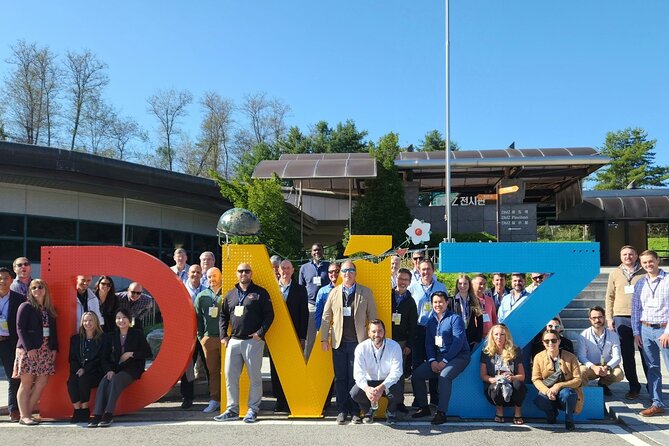
A defector’s story changes everything at the border. This Seoul DMZ tour hits the main sites in one stretch, with a real defector Q and A plus clear guide commentary that puts the whole Korean divide into human terms.
I love that it’s not just photos and viewpoints, it’s a guided day built around questions and context, with DMZ highlights you can actually connect to real lives.
I also like the way the day balances big border landmarks with grounded moments, from Imjingak’s relics to the northward views from Dora Observatory. The main drawback is simple: there’s a lot of walking, and the Third Tunnel can feel like a serious workout, so bring comfortable shoes and take your pace seriously.
Key highlights before you go
- Exclusive defector interview and Q and A that adds depth to everything you see on the DMZ line
- Imjingak Park landmarks like the Freedom Bridge and Mangbaedan Bridge that turn history into something you can picture
- Third Tunnel access plus a documentary inside the site area, not just standing around
- Dora Observatory viewpoints for a close-up look toward North Korea, including areas such as Gaeseong City and the Gaeseong Industrial Complex
- Optional Gamaksan suspension bridge add-on that depends on minimum participants and includes an uphill walk
Price and what $27 buys you in the DMZ
$27.00 is the kind of price that makes you wonder what you’re really getting. In this case, you’re paying for a structured full-day visit with an English-certified guide, entry included for key DMZ stops, and the signature defector interview component that many other DMZ tours do not offer.
The value isn’t only the ticket. It’s the format: one day, multiple high-impact sites, and a guide who helps you connect what you’re seeing to what it meant for people. The day runs about 7 to 9 hours, and it’s designed around reaching the DMZ early in the morning.
If you’re the type who wants history you can question, this is the kind of deal that adds up fast.
You can also read our reviews of more tours and experiences in Seoul.
The 7:30 am rhythm, and why being on time matters
You start at 7:30 am at 92 Sejong-daero, Jung District, Seoul. Once everyone is gathered, you ride in an air-conditioned vehicle toward the DMZ area, with the timing built around site security and access.
This tour ends back near the meeting point, and you might find your schedule shifting slightly depending on traffic and site timing. The practical point: you want to be prompt at pickup, because no-shows and late arrivals are not accommodated.
A small tip that keeps the day smoother: plan your breakfast, and bring a bit of extra energy. One review explicitly calls out that lunch is not part of the package and there may not be much time for it.
Getting your bearings at Imjingak: Freedom Bridge to Mangbaedan Bridge
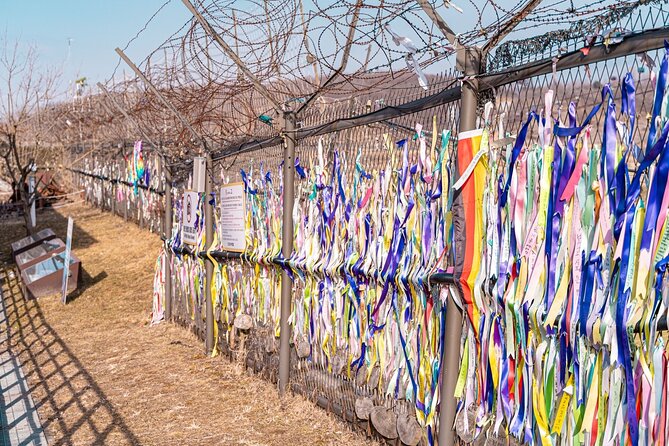
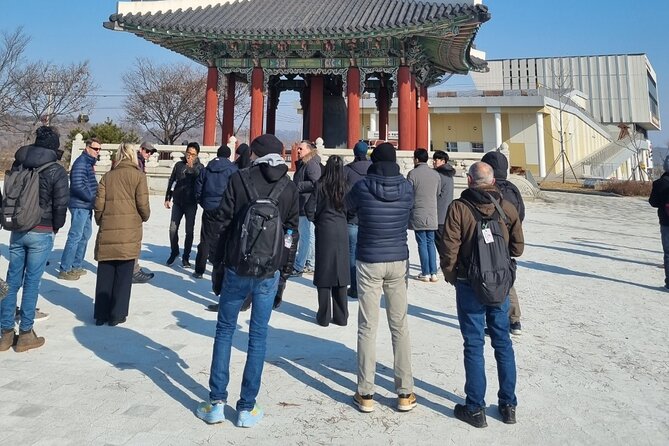
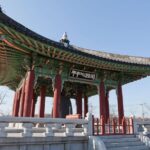
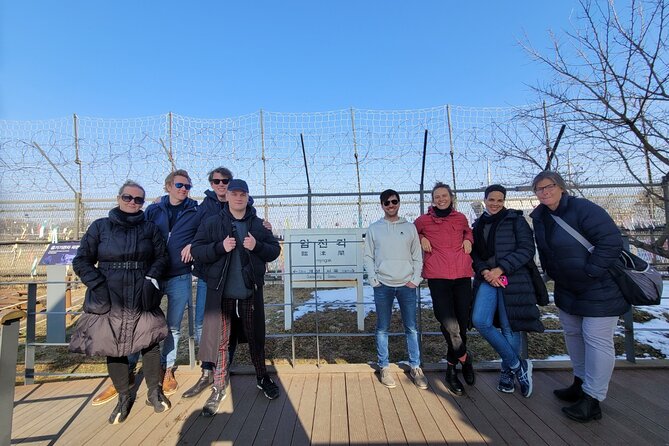
Imjingak Pyeonghoa-Nuri Park is where the DMZ story becomes real and personal. It’s built as a reunification-themed place, and it includes barbed-wire fencing and historical relics that don’t feel like museum props.
The Freedom Bridge is a key emotional stop here, tied to the 13,000 POWs who crossed for freedom in 1953. Then you move toward the Mangbaedan Bridge on the Imjing River, also connected to that same 1953 crossing story.
What I like about this stretch is that it gives you a baseline before you go closer to the actual border line. You’re not walking in cold. You’re getting the human scale first.
Entering the DMZ zone: what the sites are really for
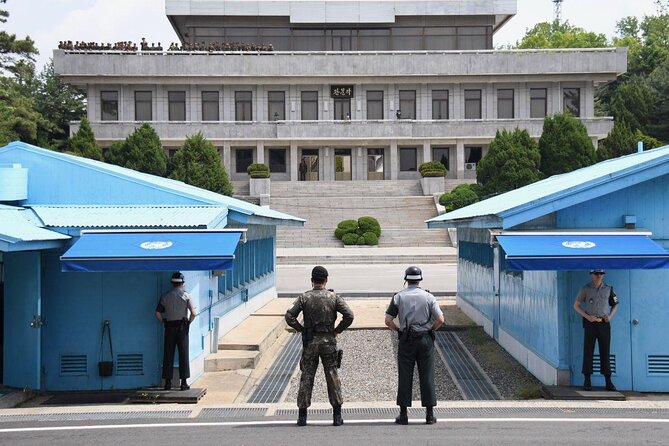
The DMZ is a military demarcation area where regular military activity is restricted, and it remains a symbolic dividing line on the Korean Peninsula. On this tour, the DMZ time is short compared with the drive and the stops, so you need to treat it like a concentrated viewing window.
The guide commentary is crucial here. Without it, you can end up seeing structures and signs without understanding why they matter. With it, you can connect the tunnels and observation points to the larger picture of separation, movement, and control.
Also, keep your expectations realistic. The DMZ is not set up like a theme park. Security rules and access can change fast.
Third Infiltration Tunnel: the highlight that feels physical
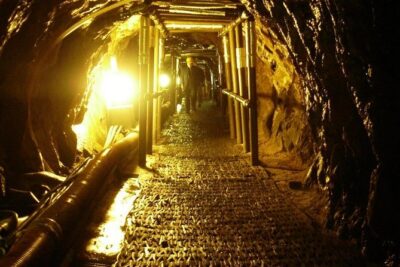
The Third Infiltration Tunnel is one of the main reasons people choose this tour. It extends about 435 meters into the South Korea side, and it’s tied to North Korea’s tunnel infiltration efforts.
The site experience is not only a visual stop. You’ll also have time connected to a documentary and viewing areas related to the tunnel concept and history. Then there’s the part your legs will notice: you’re walking through the tunnel area.
One of the strongest review themes is that Tunnel 3 is a workout. People mention it can be challenging, especially for those who are less mobile or not prepared for the effort. Even if you consider yourself fit, wear shoes that give grip and comfort.
This is also where you’ll feel the difference between a sightseeing tour and a border-history tour. You’re not just looking at the DMZ, you’re seeing a feature built for movement and secrecy.



Dora Observatory: seeing North Korea without crossing the line
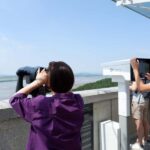
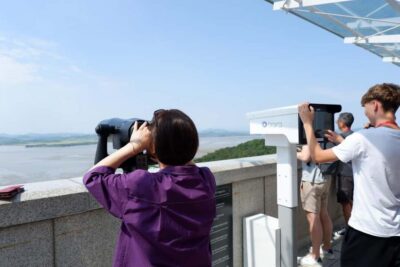
Dora Observatory is a classic DMZ stop because it gives you a close-up viewpoint toward North Korea, including areas such as Gaeseong City and the Gaeseong Industrial Complex. There’s also a built, fake North Korean border village called Propaganda Village, which you can use as a way to discuss how images and narratives are managed.
You’ll spend about an hour here, which is long enough to take in multiple viewing moments with the guide’s explanation. If you like asking questions, this stop tends to work well because you can point and ask why something is arranged the way it is.
A practical note from the review experience: binocular viewing can make the time more satisfying, especially when you’re trying to pick out the details the guide is talking about.
Tongilchon-gil and unification village feel lighter, but they still matter
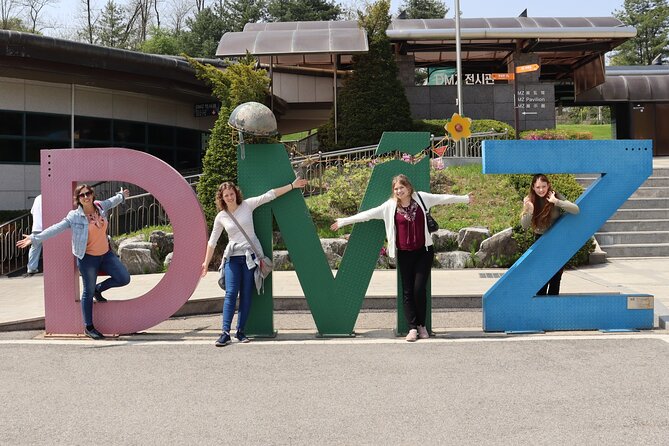
Not every DMZ day is all heavy objects and border tunnels. You also get a sense of what reunification aspirations look like on the ground through stops like Tongilchon-gil.
Tongilchon-gil is associated with Unification Village, which is located north of the Civilian Control Line. It’s also known for agricultural products such as Jangdan ginseng and Jangdan soybeans.
Even if you don’t eat anything there, this part of the day gives you contrast. It shows you that the DMZ isn’t only about conflict mechanics. It’s also about what people hoped could replace those mechanics.
Gamaksan Chulleong Bridge option: worth it, but confirm the course
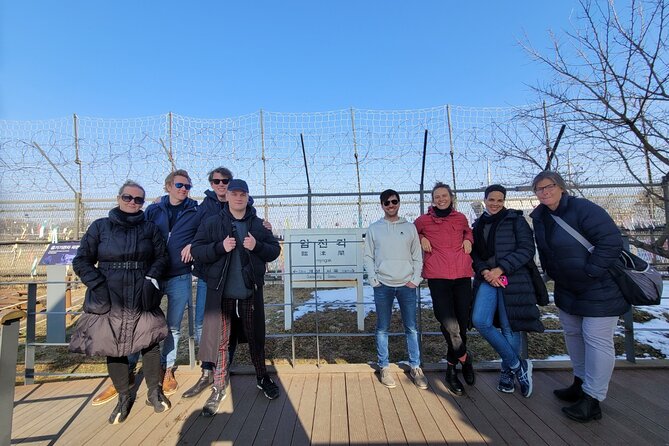
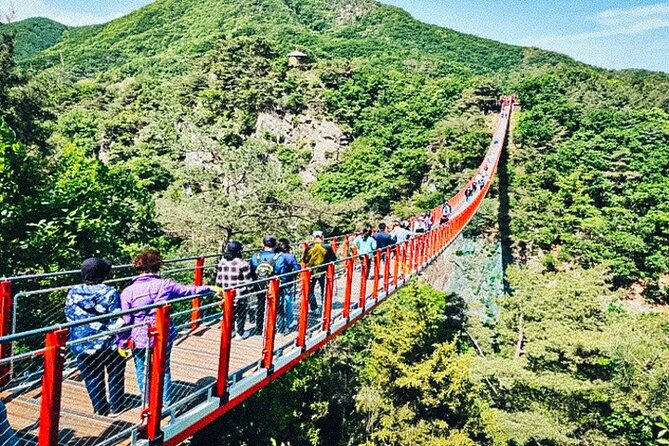
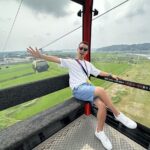
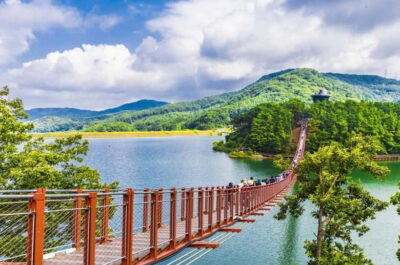
This tour can include an optional stop at the Gamaksan Chulleong Bridge (a suspension bridge). It used to be Korea’s longest suspension bridge at 220 meters, and it opened in 2016.
Two important things about this option:
- It’s not guaranteed in every case because it requires a minimum number of participants.
- Expect a 20 to 30 minute uphill walk, so your shoes and legs need to cooperate.
One review highlights a mismatch between what was expected and what was delivered for the bridge option. That tells me the best practical move is to confirm during booking what the Gamaksan course includes, and what happens if it does not run.
The defector interview: the reason this tour can change your thinking
The defector interview is the heart of the experience. This is described as a vivid, human story, and the Q and A time is where the day often becomes more than sightseeing.
In multiple comments, the interview stands out for being passionate and detailed, and the best guides do not just translate, they help the conversation land. Some people mention guides like SP Hong and a defector such as Ms Cho, with an emphasis on strong English translation and a warm, serious tone.
This is also where you should prepare mentally. You may want to ask about daily life, what changed after leaving, and what people in North Korea might worry about. You can keep it respectful and direct, and that’s often what leads to the most useful answers.
If you’re the type who hates reading dates without context, this is where it connects.
What the guide does well: punctual, organized, and funny in the right places
A lot of DMZ tours sound similar on paper, so guide style becomes the difference maker. Reviews for SP Hong and other guide mentions describe punctual organization and a balance of seriousness and comedy.
That matters. The DMZ topic is heavy, and a guide who can also explain in a way that makes room for questions keeps the day from turning into a lecture you tune out.
You’ll also see that guides get called out for being friendly but structured, which is exactly what you want with a day that depends on access rules and timing.
What to pack and how to pace yourself for a long day
You’ll want to show up ready for walking and waiting. The tour recommends comfortable shoes, and the Third Tunnel can be demanding.
Also, you must bring your passport, since this is a military area visit with security constraints. Children must be accompanied by an adult.
Because lunch is not included, plan your food strategy. I’d treat this as a day with gaps, not a day with a guaranteed sit-down meal. Carry a snack, water, and something small to keep you steady if the schedule tightens.
Physical fitness should be moderate. If you have mobility concerns, think carefully about the tunnel and uphill parts of the optional bridge course.
Who should book this DMZ day, and who should skip it
Book this if you want:
- DMZ highlights in one go, not a scatter of random stops
- A guide who explains history and helps you ask questions
- The exclusive defector interview as a central part of your understanding
Skip it or choose another format if:
- You need a very low-walking day, especially if tunnel walking is difficult for you
- You’re expecting a calm, leisurely pace with lots of downtime
- You want a pure documentary experience with minimal group movement
This is best for independent thinkers who like to ask questions and want the day to feel personally meaningful.
So should you book it?
I’d book it if this is your first DMZ visit and you want the highest impact in one day, especially for the defector Q and A. For most people, the interview is the difference between a checklist and a real understanding of what the border means to humans.
Just go in with two expectations set correctly: the day involves a good amount of walking, and access rules can shift. If you confirm the Gamaksan bridge details upfront and bring comfort in your shoes and snacks in your bag, you’ll get a tour that earns its place as a Seoul highlight.
FAQ
Do I need a passport for this tour?
Yes. All participants must bring a passport.
What time does the DMZ tour start, and how long is it?
The start time is 7:30 am, and the duration is about 7 to 9 hours.
What is included in the price?
Included are an English-certified guide, the interview with a North Korean defector, all fees and taxes, and an air-conditioned vehicle.
Is lunch included?
No. Lunch is not included.
Is the Gamaksan suspension bridge stop guaranteed?
No. Visiting the Gamaksan Suspension Bridge is an option and requires a minimum number of participants to proceed. If the minimum is not met, you’ll be informed and the tour will be revised.
What if the DMZ is closed suddenly?
The DMZ can be closed without notice. If that happens, the operator provides an alternative tour and there are no refunds.
More Tour Reviews in Seoul
Not for you? Here's more nearby things to do in Seoul we have reviewed


DMZ Day Tours from Seoul, compared.
 ★ 5.0Best DMZ Tour Korea from Seoul (Red Suspension Bridge Optional)From $2941,422 reviews
 ★ 5.0DMZ Tour: 3rd Tunnel, Option(Suspension Bridge, Boat) from SeoulFrom $3521,373 reviews
 ★ 5.0DMZ tour south Korea from Seoul (NK experience hall, defector)From $2620,599 reviews
 ★ 4.9DMZ Insider Tour: 3rd Tunnel, NK Defector Meet & Red BridgeFrom $5015,214 reviews
 ★ 4.8DMZ Tour with Optional Suspension BridgeFrom $455,277 reviews
 ★ 5.0Signature DMZ Tour: Exclusive Defector Talk & Suspension BridgeFrom $274,459 reviews
 ★ 5.0Thrilling Korean DMZ 3rd Tunnel Tour from Seoul + Red Bridge RushFrom $353,097 reviews
 ★ 5.0DMZ Past and Present: Korean Demilitarized Zone Tour from SeoulFrom $372,481 reviews
Browse the lists this tour appears in