
Reviewed · DMZ DAY TOURS FROM SEOUL
DMZ 2nd Tunnel and Cheorwon Peace Observatory with Admission
The DMZ feels close here. This 8-hour, private-feeling DMZ day combines a vehicle registration stop, the 2nd Tunnel, and the Cheorwon Peace Observatory, plus Woljeongri Station. I like that the route is built for one group, and you follow the process in a calm, organized way instead of getting shuffled between buses.
I especially like the educational way the sites connect to what Koreans still feel today. Guides like Jun and Moon are highlighted for laying out the Cold War context, then translating that history into real emotions you can sense in the places themselves, including the observatory views and the tunnel experience.
One consideration: it is an intense day. You are walking through a tunnel segment and then moving around an observatory, and lunch is not included (budget 15,000 KRW per person).
Key highlights to notice before you go
- Vehicle-first DMZ entry: register names and license numbers, then drive in without switching buses
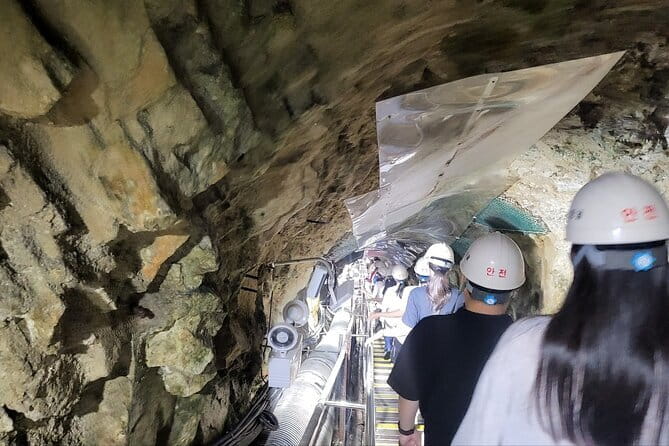
- 2nd Tunnel details that matter: discovered March 24, 1975, and visitors can go about 300 meters from the demarcation line
- Monorail to save energy: ride up to the top of Cheorwon Peace Observatory for broader site viewing
- What you see is tied to specific events: Battle of blood ridge, fortress references, and North Korea propaganda displays
- Woljeongri Station wreck remains: a train wreck behind the station is left from the Korean War era
Why this Cheorwon DMZ route hits differently than the usual tour
The DMZ is one of those places that sounds simple until you’re actually there. This day focuses on the Cheorwon area, where the landscape and history feel tied together rather than pasted on as a quick photo stop.
I like that the experience emphasizes preservation. The DMZ area you visit is described as untouched by human activity for over 70 years, and it’s said to host migratory birds, cranes, and other animals. That matters because it frames the DMZ not just as a political line, but as a real, living space that has been left to recover for decades.
At the same time, the program does not dodge the emotional weight. You’ll be shown how the war and the ongoing division shape what many Koreans hope for, especially reunification. If you want a DMZ day that is both educational and human, this one is aimed right at that.
You can also read our reviews of more tours and experiences in Seoul.
Price and value: what your $245.29 is really paying for
At $245.29 per person, this is not a bargain tour. But the value is clearer when you look at what’s included.
You get an air-conditioned vehicle, private transportation, and bottled water. You also get the DMZ admission fee and the round-trip monorail ticket, so you are not juggling extra payments once you arrive at the observatory.
The day also runs about 8 hours, which is long enough to feel complete without dragging into an all-day grind. Private tour format matters here because you are staying with your group and following the flow in a more controlled way, instead of sharing the day with strangers across multiple bus changes.
The one cost you should plan for is lunch, listed as 15,000 KRW per person. If you treat lunch as a fixed budget item and you’re buying the admission and monorail inside the tour, the overall math starts looking fair for a DMZ day.
Cheorwon Peace Center registration, then straight into the civilian controlled area
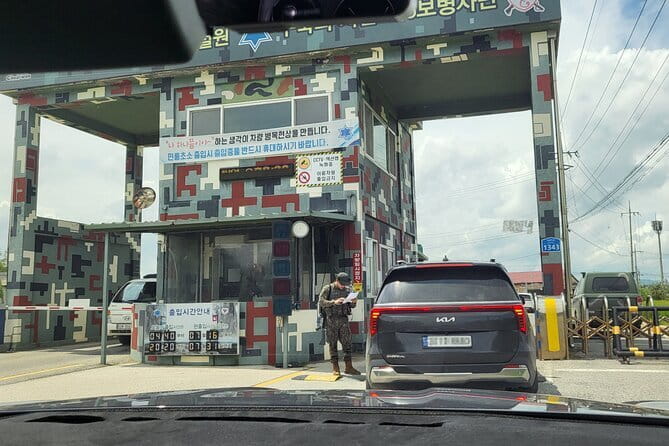
The day starts at the DMZ Cheorwon Peace Center, where you register vehicle license numbers and visitor names. This is the “rules and access” part, and it sets expectations for the rest of your visit.
Here’s a practical detail I think you’ll care about: unlike some DMZ tours that require changing into a group bus, this route has you visiting with your own vehicle. You then enter the civilian controlled area in a single file line, following a lead vehicle.
That single-file approach changes the feel of the trip. You spend less time waiting for transfers and more time actually moving through the day. It also tends to make timing more predictable, which is helpful when the sites you visit are tightly managed.
Tip: bring a little patience for the registration moment. This part is straightforward, but it is where the tour’s careful access rules start.
Stop 1: The 2nd Tunnel, discovered 1975, with a very specific limit

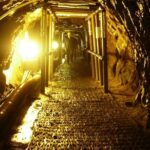
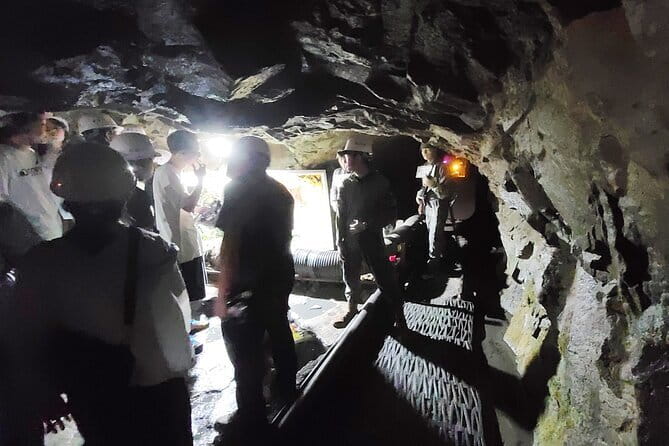
The 2nd Tunnel is the centerpiece for many people, and for good reason. It was discovered on March 24, 1975, after two soldiers reported hearing explosions during their sentry duty on Nov 20, 1973. That timeline matters because it turns the tunnel from a random military site into a story of how close conflict could feel to the people guarding the line.
The tour notes that the 2nd Tunnel is twice longer and deeper than the 3rd Tunnel. Then you get a concrete “how far can I go” limit: visitors can explore inside the tunnel up to the ending point about 300 meters away from the military demarcation line.
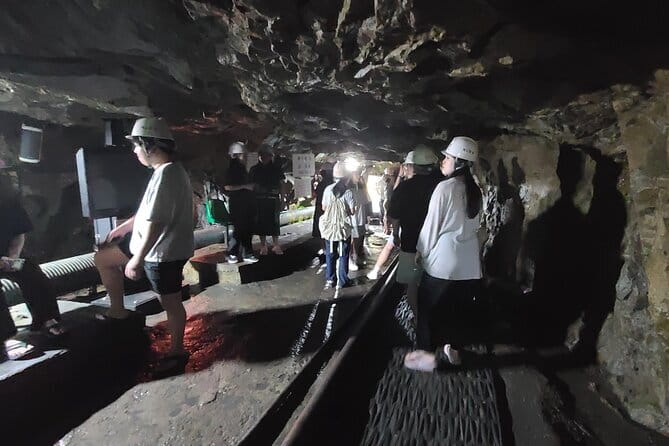
That 300-meter detail is key for planning your expectations. You are not just looking from the outside. You are walking inside far enough to understand scale, but not so far that it becomes an all-day hike.
What you’ll likely feel in the tunnel is the tension between engineering and fear. The purpose was to move through the ground in a way that bypassed the obvious. Being inside, even for a controlled portion, makes that strategy feel less theoretical.
Consideration: tunnels can be physically demanding depending on conditions and your own comfort level. The good news is the tour is built to fit within the 8-hour schedule, so it’s not a marathon.
Stop 2: Cheorwon Peace Observatory and the view that connects to the war
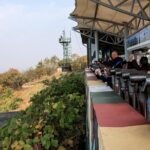
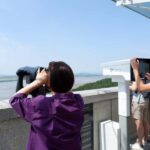
The Cheorwon Peace Observatory is where the day expands from one dark tunnel to a wider, strategic picture. You can save energy by taking the monorail up to the top of the mountain, which is included as round-trip with your DMZ admission.
Once you’re up there, you’ll look at a range of references tied to conflict and geography. The program highlights the ecosystem, the Battle of blood ridge, Kim Ilsung’s high land, the fortress of Gung-Ye Castle town, and the Pyeonggang tableland. It also includes a view of a propaganda town of North Korea in the DMZ.
That mix matters because it gives you multiple layers at once:
- Nature and wildlife signals show the DMZ as preserved over time.
- Battle references bring the human cost into the same line of sight.
- Propaganda displays remind you that information control was part of the conflict.
The Battle of blood ridge is described with specific numbers: 1,250 North Korean soldiers and 1,030 South Korean soldiers sacrificed their lives in a fierce battle. Hearing numbers like that while you’re looking at the terrain is one of those moments that makes the history feel heavy but concrete.
There’s also a dramatic detail included about Kim Ilsung crying for three days after losing the Cheorwon land. Whether you treat that as a historical claim or a cultural memory, it adds to the emotional tone the site is designed to teach.
Practical tip: use the monorail to conserve energy for the time you’ll spend looking, reading, and moving around at the top.
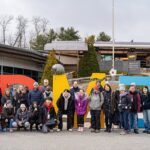
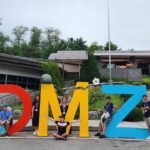
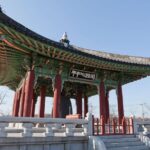
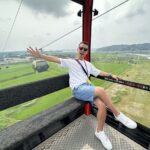

Stop 3: Woljeongri Station and the train wreck from the Korean War

Woljeongri Station comes late in the circuit, but it lands hard. Behind the station building, there remains the wreck of a train that was bombed during the Korean War.
The tour notes that the train was used by the North Korean army and bombed by U.N. forces. Seeing the wreck where it remains helps connect war logistics to the physical ground, not just to maps or textbook descriptions.
This stop is valuable for a simple reason: it adds variety to what you experience. You’ve already been inside a tunnel and up at a mountain observatory. Now you’re looking at a specific piece of war aftermath in a more straightforward, grounded setting.
If you are feeling overwhelmed by the history, this can help. It’s not abstract. It’s a visible remainder from a known era.
How the private format changes your day
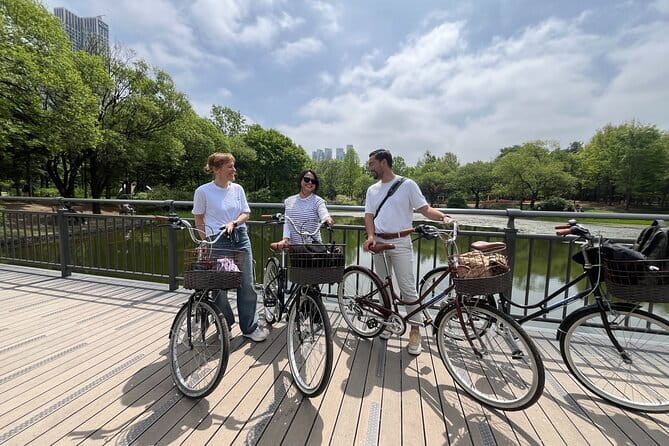
This is a private tour/activity, meaning only your group participates. That matters more than it sounds, especially in places with tight control.
You’re also getting pickup offered and mobile ticket support. Combined with air-conditioned vehicle and bottled water, it’s a “keep you moving and comfortable” setup for a long, emotionally charged day.
The other detail that stands out is how the tour is described as avoiding a bus switch. You can enter with your own vehicle and follow the lead vehicle in a single file line. That reduces the common friction point on structured DMZ trips, the waiting around for transfers and re-grouping.
In practice, that is what people mean by there wasn’t a wasted moment. When logistics are smoother, the attention stays on the sites.
What to bring for an 8-hour DMZ day
The tour includes bottled water, but you should still plan to be comfortable for a full half day plus. I’d pack like this:
- A light layer, since vehicles and outdoor stops can vary
- Comfortable shoes for walking at the observatory and movement inside the tunnel area
- Your lunch budget (15,000 KRW per person is not included)
- Your patience for security-style pacing during the registration phase
Also, consider your energy. The monorail helps, but you still spend time looking and walking at each stop. If you’re traveling with kids, this is still described as educational for adults and children, especially for students who come for lessons from the past Cold War.
If you want a day that feels like a learning mission rather than a sightseeing checklist, bring a curious mindset and slow down on the observatory stop.
Should you book this DMZ 2nd Tunnel and Cheorwon Peace Observatory tour?
I’d book it if you want a DMZ day that is structured, not rushed, and grounded in the specific sites that shaped the conflict. This route is built around the 2nd Tunnel, the Cheorwon Peace Observatory with its monorail ride, and Woljeongri Station, so you get variety without losing the storyline.
I would not book it if you want a light, casual outing. This is history with real emotional weight, and it involves walking and a tunnel experience. It’s also not cheap, so you should feel comfortable treating lunch as an extra cost.
One more reason I lean positive: the educational tone is reinforced by the guides people mention, including Jun and Moon, and the personable guide style associated with Wendy in other runs. That combination is what turns a DMZ visit into a meaningful day instead of just a box-checking tour.
If your goal is to understand the Korean War legacy through places you can actually stand in, this is a strong match.
FAQ
What’s included in the DMZ 2nd Tunnel and Cheorwon Peace Observatory tour?
It includes air-conditioned vehicle, private transportation, bottled water, DMZ admission fee, and round-trip monorail tickets for the observatory.
How long is the tour, and what stops are included?
The duration is about 8 hours. The stops are Cheorwon Peace Center registration, the 2nd Tunnel, Cheorwon Peace Observatory, and Woljeongri Station.
Do I need to switch to a group bus to enter the DMZ?
No. The description says visitors do not need to switch into the group tourists bus. You register and then can visit with your own vehicle, entering in a single file line following the lead vehicle.
Is lunch included?
No. Lunch is listed as not included, at 15,000 KRW per person.
Is monorail access included at the observatory?
Yes. The tour includes the DMZ admission fee and the monorail ticket for a round trip.
Can I get a full refund if I cancel?
Yes, free cancellation is available. You can cancel up to 24 hours in advance for a full refund.
More Tour Reviews in Seoul
Not for you? Here's more nearby things to do in Seoul we have reviewed


DMZ Day Tours from Seoul, compared.
 ★ 5.0Best DMZ Tour Korea from Seoul (Red Suspension Bridge Optional)From $2941,422 reviews
 ★ 5.0DMZ Tour: 3rd Tunnel, Option(Suspension Bridge, Boat) from SeoulFrom $3521,373 reviews
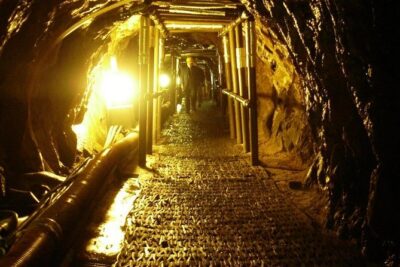 ★ 5.0DMZ tour south Korea from Seoul (NK experience hall, defector)From $2620,599 reviews
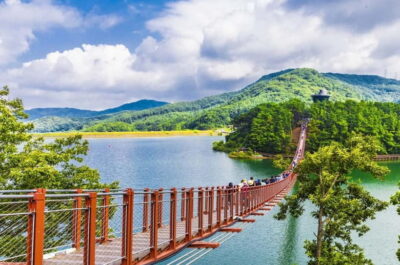 ★ 4.9DMZ Insider Tour: 3rd Tunnel, NK Defector Meet & Red BridgeFrom $5015,214 reviews
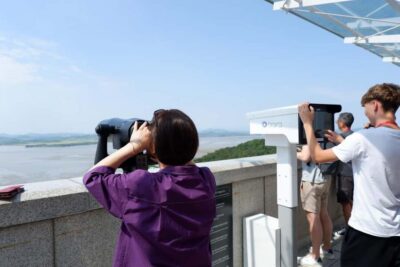 ★ 4.8DMZ Tour with Optional Suspension BridgeFrom $455,277 reviews
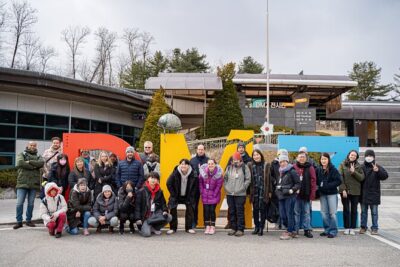 ★ 5.0Signature DMZ Tour: Exclusive Defector Talk & Suspension BridgeFrom $274,459 reviews
 ★ 5.0Thrilling Korean DMZ 3rd Tunnel Tour from Seoul + Red Bridge RushFrom $353,097 reviews
 ★ 5.0DMZ Past and Present: Korean Demilitarized Zone Tour from SeoulFrom $372,481 reviews
Browse the lists this tour appears in