
Reviewed · PRIVATE
DIY Seoul Private Tour: Select 4 places you want to go
Seoul can feel huge on day one. This private DIY-style tour lets you choose four stops and build a plan that fits your pace, from palaces to parks and market wandering. It’s designed for efficient sightseeing without the stress of figuring out routes and timing alone.
I like the control. You’re in a private air-conditioned vehicle with a driver cum tour guide, so you can swap order, ask questions, and spend your time where you actually care.
One drawback to consider: your day still only runs about 8 to 9 hours, so you’ll need to pick stops that are close enough in theme and location to avoid “driving all day” fatigue.
Key things to know before you go
- You pick the four stops: the itinerary is built around your priorities, not a fixed script
- Private vehicle plus driver-guide: faster movement around the city than DIY transit for many areas
- Selected admissions included: some palaces and attractions have ticket costs that are covered
- Mobile ticket and pickup: practical touches that help the day run smoothly
- Great for first-time planning: especially if you want iconic sights plus local neighborhoods
How the DIY Seoul Private Plan Really Works
Think of this as a private driver-guided day with one big advantage: you’re the one choosing the stops. Instead of committing to a long checklist, you select four destinations or points of interest, and the rest becomes a smoother, timed day with someone helping you connect the dots.
You’ll have a private air-conditioned vehicle, and pickup is offered. That matters in Seoul because the city rewards smart routing. Even when you know where you want to go, getting there at the right hour and from the right starting point can turn a “quick visit” into a time sink. A private vehicle is often the difference between seeing four places comfortably versus feeling like you only reached the front gates.
The other practical win is how flexible the experience can feel once you’re in motion. A good private guide can help with pacing, and in the past I’ve seen guides step in with small timing changes that make a visible difference, like getting you positioned well for a major palace moment.
You can also read our reviews of more private tours in Seoul
Choosing Your Four Stops: a simple strategy that saves time
The tour gives you a menu of great options, but you still have to decide what kind of Seoul you want in one day. Here’s a straightforward way to choose four stops without overreaching.
Pick one “classic Seoul landmark” (a palace or a major museum), add one “traditional neighborhood,” then choose either one “food market” or one “modern Seoul” stop. The last slot can be a park or shopping area to reset your legs.
Why this works: palace sites and hanok villages often take more wandering time than you expect. Markets and streams are easy to sample at a slower tempo. Parks give you space to breathe between denser areas.
Also pay attention to which stops include admission tickets. Some palaces are included, and that can help you get more value out of the day if you’re choosing a mix of paid and free sights.
Itaewon and Gyeongnidan-gil: international Seoul on foot
Itaewon is where Seoul gets cosmopolitan fast. Gyeongnidan-gil is especially known for its mix of cultures, international residents, and the kind of street energy that feels different from more strictly traditional areas.
This stop works best when you want:
- casual strolling with plenty of snack and drink options nearby
- a break from palace formality
- a more “nightlife adjacent” vibe, even in daytime
Tradeoff: it’s easy to wander longer than planned. If you only have 8 to 9 hours total, you may want to treat Itaewon as a focused browse rather than an all-afternoon mission.
Garosu-gil: designer storefronts and café time
Garosu-gil is the more upscale, polished side of Seoul street culture. It’s popular, stylish, and known for decorated coffee shops and designer stores, which makes it a great choice if you want Seoul that looks curated without feeling like a theme park.
I like Garosu-gil when I want a calmer pace after something intense. It’s a “slow down” stop, and it pairs well with a palace or hanok area earlier in the day, then a market or stream later.
Tradeoff: if you’re not interested in fashion, cafés, or shopping, you might find other neighborhoods more engaging in the limited time you have.
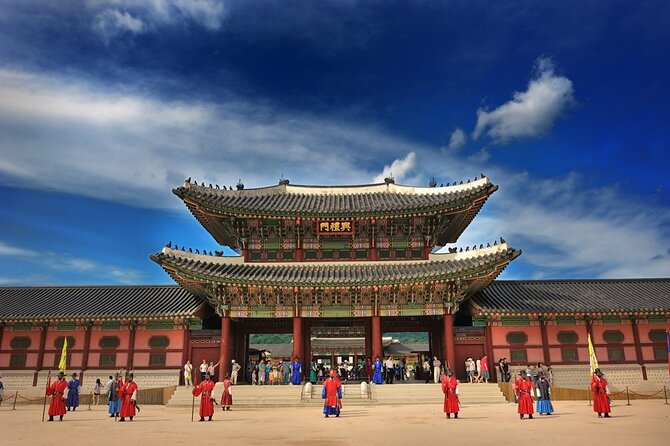
Gyeongbokgung Palace: the Joseon centerpiece
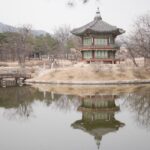
Gyeongbokgung Palace is the main palace of the Joseon Dynasty and one of the big reasons first-timers come to Seoul. The setting alone makes it worth the effort: grand palace grounds right in the city core.
This stop is listed with admission ticket included and a longer time block than some other sights, which hints that it’s not just a quick photo stop. You’ll get a real feel for palace scale and layout, and your guide can help you move efficiently.
One especially useful tip that’s come up with strong guides: if your schedule lines up, ask for help getting a good viewing spot for a palace changing-of-the-guard moment. That’s the kind of detail that can turn an average palace visit into a standout memory.
Tradeoff: palace days can be hot or crowded depending on season and time. If you’re sensitive to crowds, plan your visit earlier in the day when possible.


Changdeokgung Palace: UNESCO-level palace atmosphere
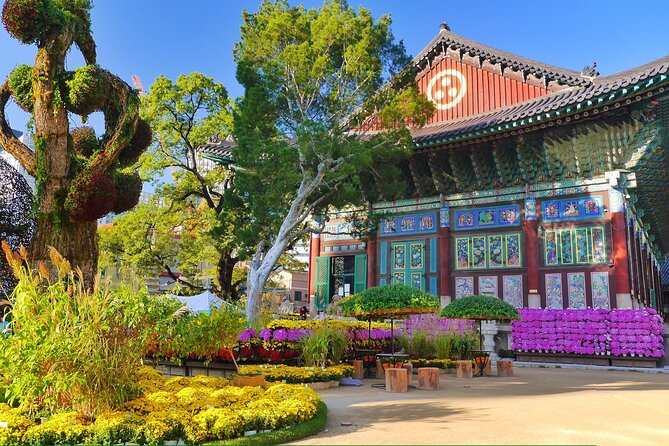
Changdeokgung Palace is a World Cultural Heritage site recognized by UNESCO in December 1997. It’s the kind of site where the experience is more about walking through atmosphere than just ticking off structures.
This stop is ticketed and typically pairs well with Gyeongbokgung if you want a strong palace theme. Together, they give you a better sense of the Joseon royal landscape than either one alone.
Why it’s a good use of time: your guide can connect the palace story to what you’re seeing around you, so it doesn’t feel like standing in front of walls and gateways with no context.
Tradeoff: palaces can blur together if you rush. Keep your pace human, and leave room for quiet pauses.
Changgyeonggung Palace: a calmer Joseon corner
Changgyeonggung Palace has a different vibe from the big headline palaces. It was originally built as Suganggung Palace for King Sejong’s retiring father, King Taejong, and it often served as residential quarters.
This is a good pick if you want something royal but less overwhelming. It’s also a smart choice to balance your day, especially if you already selected one of the main palaces.
Ticket is included, and the time block fits a shorter, more focused palace visit.
Tradeoff: if your group wants only the most famous sites, you might need to make the case that this one is worth the extra seat time in the van.
Yeouido Hangang Park: politics by day, events by season
Yeouido Hangang Park sits by the Han River and is one of the most visited parks near it. It’s located in the heart of politics, media, banking, and finance, so the setting can feel like a city breathing space.
This stop is free and works well as a palate cleanser after a museum or palace. If you’re there during seasonal moments, the park hosts events, including cherry blossom related activity in spring.
Tradeoff: the value of this stop depends on weather and time of day. If it’s gray and cold, you may want a more indoor option instead.
Seoul Forest: a local-feeling reset
Seoul Forest opened in 2005 and is loved by citizens. It sits between Jungnangcheon Stream and Hangang River, which gives it that open-air, walkable quality.
This stop is great if you want:
- less tourist pressure than the big core attractions
- a place to stretch and regroup
- a calmer finish to a packed day
Tradeoff: if you’re in Seoul only briefly and only care about famous landmarks, a forest park may feel optional. But for many people, it’s exactly the kind of “real Seoul” experience that makes the day feel less like a race.
Seoul Botanical Garden: themed gardens plus greenhouse time
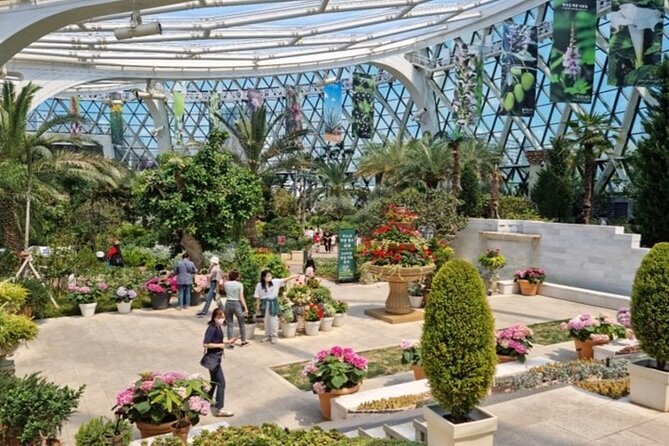
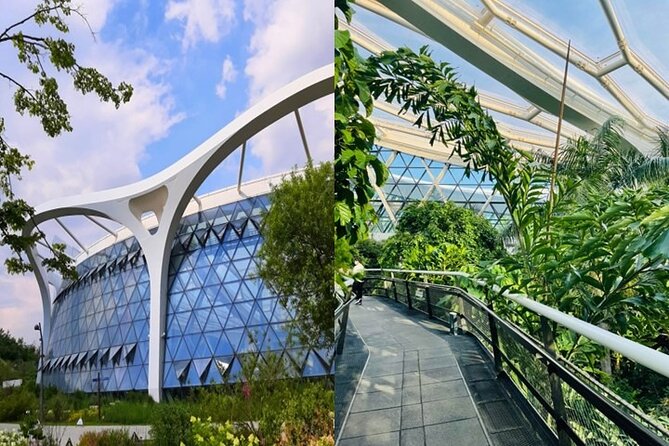
Seoul Botanical Garden includes outdoor themed gardens that reproduce a Korean traditional garden with native plants, plus a greenhouse with plants from 12 tropical and Mediterranean cities.
That combination is a practical reason to choose it. You’re not stuck choosing between indoors only or outdoors only. It can also work well when weather is unpredictable, since greenhouses give you a fallback.
Admission is included, which helps value.
Tradeoff: if your day is already palace-heavy, botanical gardens can feel like extra walking. Still, it’s a good “step down” stop after heavy sightseeing.
Cheonggyecheon Stream: downtown walking, calm break
Cheonggyecheon Stream is an 11 km-long stream through downtown Seoul. It’s part of an urban renewal project and is a restoration of an older stream that once existed in the city.
This is a fantastic choice if you want “Seoul in motion” without climbing hills, carrying bags, or waiting in lines. It’s also a flexible stop, since you can enjoy a section rather than needing to see the whole stretch.
Tradeoff: if your other three stops are all nearby downtown, you might end up spending too much time overlapping similar walking routes.
Bukchon Hanok Village: traditional houses next to major palaces
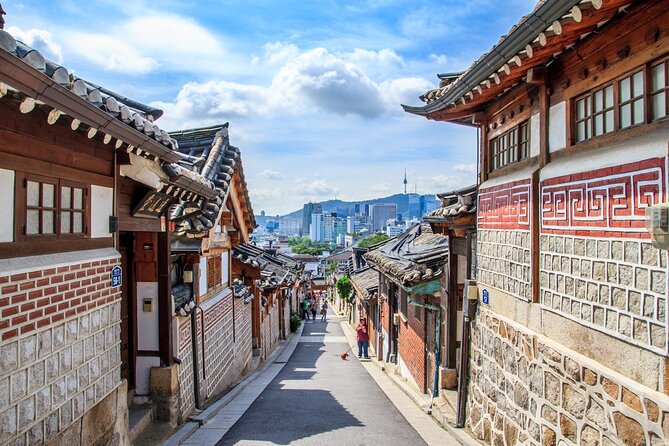
Bukchon Hanok Village is one of those places that makes Seoul feel historic and immediate at the same time. It sits between Gyeongbokgung Palace, Changdeokgung Palace, and Jongmyo Shrine, and it’s home to hundreds of hanok, traditional houses from the Joseon era.
This stop is free and ideal if you want the “instant wow” moment of older architecture in a still-practical location.
How to get value from it: go slowly and look for the details. Hanok areas are often more about texture and layout than single buildings.
Tradeoff: it can be crowded in peak times. If you want photos without constant foot traffic, plan for an earlier part of the day when possible.
Ikseon-dong Hanok Street: older lanes with modern flavor
Ikseon-dong blends tradition with trend. The area was first established in the 1920s and is known for a unique mix of modern and traditional elements. Expect narrow alleyways lined with shops and cafés.
This pairs well with Bukchon because you get two different ways to experience hanok-adjacent Seoul. Bukchon is more about traditional village geography, while Ikseon-dong feels more like a place to linger with snacks and browsing.
Tradeoff: it’s a popular “walk and shop” area, so the time you spend depends heavily on how hungry or shopping-minded your group is.
Insadong: alleys with galleries and tea breaks
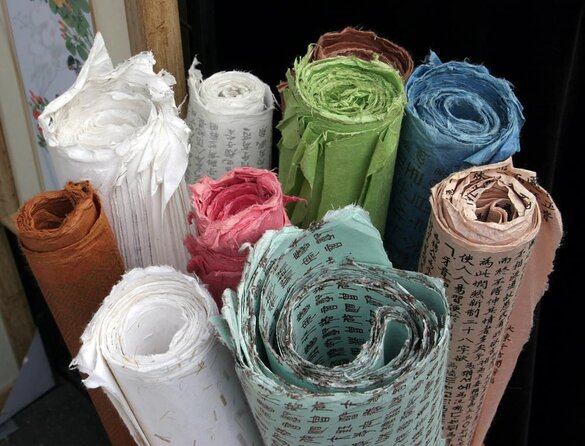
Insadong is famous for its galleries, traditional restaurants, teahouses, and cafés hidden within twisting alleys. It’s a great stop if you want a more artsy, culture-and-snacks vibe.
I like Insadong because it’s built for wandering. Even if you only spend about an hour, you can still get a sense of what Seoul’s traditional craft and street culture feels like.
Tradeoff: it can be a bit more touristy than some neighborhoods. If you’re picky about crowds, mix it with quieter stops like a park.
Dongdaemun Design Plaza (DDP): architecture plus events
DDP is a complex that hosts exhibitions, forums, fashion shows, and other events. It’s known for design and for being active beyond just “go look at the building.”
This stop is free, which makes it an easy add if your day includes shopping or museums.
Tradeoff: DDP is more about what’s happening inside or nearby. If there’s not an event that fits your interests at that time, you may feel like it’s mostly a viewing stop. Still, it’s a strong modern Seoul anchor.
Starfield COEX Mall and The Hyundai Seoul: modern shopping breaks
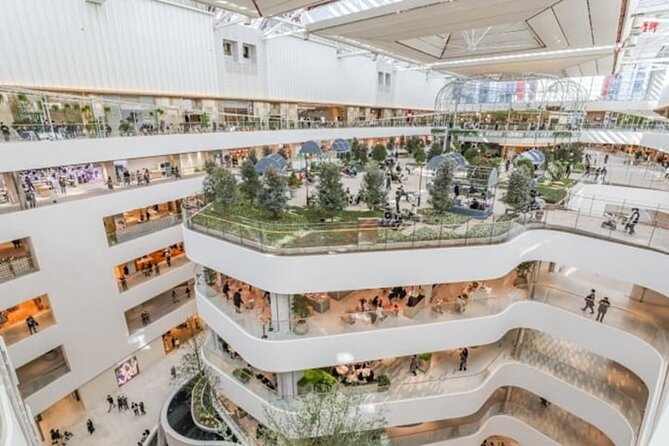
COEX and Starfield COEX Mall are centered on fashion, food, culture, and entertainment. Starfield Library is also located there, which is a great reason to choose this if you want a “rest your feet and still do something” stop.
The Hyundai Seoul opened in Yeouido on February 26. The first floor includes an Exclusive Label with global designer brands like Gucci, Prada, and Balenciaga. The lower level is labeled Creative Ground, and it’s designed for shopping and experiences.
These modern stops are worth it if:
- you want climate-controlled time in the middle of the day
- you have energy for shopping, or just need a break
- your palace and hanok stops already filled your day’s “culture quota”
Tradeoff: if you’re trying to keep the day focused on local street life and historic places, shopping malls can feel like an extra step. Use them as a breather, not a detour.
Myeongdong: Seoul shopping street with momentum
Myeongdong is one of Seoul’s primary shopping districts. Expect brand-name shops, department stores, and a steady flow of visitors. It’s a classic place to buy clothes, shoes, accessories, and last-minute souvenirs.
This stop works well late in your day, because you can browse and keep moving without needing a strict schedule.
Tradeoff: it’s busy. If you dislike crowds, choose a shorter window or swap it for an area like Insadong or Ikseon-dong where the vibe may feel less hectic.
Jogyesa Temple and Bongeunsa: temples that slow you down
Jogyesa Temple plays an important role in Korean Buddhism as the head temple of the Jogye order. It was built in the late 14th century during the Goryeo period, destroyed in a fire, and then rebuilt later, so it carries both history and resilience in its story.
Bongeunsa Temple is north of COEX in the Gangnam area. It was constructed in 794, and it was refurbished in 1498 by Queen Jeonghyeon.
These temple stops are free and ideal when your day is getting full. They give you that “walk slower, breathe” moment without needing a long sit-down.
Tradeoff: temples are quiet spaces. If you’re with kids or a big group that wants constant movement, you may need to keep expectations realistic.
War Memorial of Korea and the National Museum of Korea: choose your museum mood
If your group includes history fans, these two are strong picks.
The War Memorial of Korea houses approximately 33,000 artifacts. It’s built to commemorate sacrifices and is a meaningful stop for anyone who wants to understand modern Korean history in context.
The National Museum of Korea has over 420,000 artifacts from ancient times to modern. That scale can feel overwhelming, so a private guide helps you focus on the parts that match your interests.
Ticketed admissions are listed as free for both in the tour info, which helps value.
Tradeoff: museums take time even when you think you’ll do a quick loop. If you choose one museum, you may want fewer neighborhood stops so you don’t burn your whole day inside.
Markets: Gwangjang Market and Mangwon Market for real-world food energy
Markets are one of the best uses of an hour in Seoul because they’re made for quick exploration. You can snack, browse, and people-watch without planning a formal reservation.
Gwangjang Market is the first permanent market in Korea and has been thriving for over 100 years. It’s popular with locals and foreigners and is a great place to sample street-food style bites.
Mangwon Market is in Mapo-gu and is loved by younger locals. It’s known for fancy streets and delicious food alleys.
These stops are free and can be paired with shopping areas or temple visits depending on where your other choices land.
Tradeoff: lunch is not included on the tour. That’s not a problem, but it means you should plan how you want to handle meals, especially if you choose a market stop as one of the four.
Also, one thing I really value about strong guides: they can help you pick a lunch spot that fits your tastes. Some guides have helped arrange something like gom tang, and that kind of local meal guidance is worth its weight in gold when you’re hungry and tired.
Price and Logistics: what $183 per person is paying for
At $183 per person, you’re paying for a private vehicle, a driving tour guide, and admission tickets for the stops where tickets are included in your plan. Lunch is not included.
This price makes the most sense when:
- you pick at least one major paid attraction (like a palace or the botanical garden)
- your four choices include a mix of neighborhoods that would take time to connect by public transit
- you want a first-day structure without lockstep group pacing
It can feel less valuable if you only choose free sites that are clustered tightly. In that case, you’re mostly paying for the vehicle and guide time, which is still useful, but less of a “ticket value” win.
A small but real point: your day is 8 to 9 hours. The longer you spend stopped and sightseeing, the more the cost becomes about experience, not transport.
Guide quality: why this tour often feels effortless
The big difference between an average day and a great one is the guide. In the names highlighted by past groups, a pattern shows up: guides have strong English, explain what you see in a clear way, and stay flexible when plans change.
For example, Joseph Hwang has been praised for excellent English and for helping groups rearrange the day at the last minute to see more of what mattered. John also stood out for being flexible with small tweaks and for guiding people to a solid local lunch stop, like gom tang. Mr. Tiger was described as attentive, funny, and strong on Korean history and culture.
Other guide names that come up include Sebastian, Eddie, Paul, Jimmy, Taylor, Leo, and SJ. Across these, the consistent theme is practical help: where to stand, how to time a major palace moment, and how to order and move through busy areas without rushing you.
You’ll still be the one with the itinerary choices, but a good guide turns those choices into a smoother day.
Should you book this DIY Private Seoul Tour?
Book it if:
- you want control over which neighborhoods and landmarks get your time
- you’re traveling with family or someone who prefers not to spend the day on subways and buses
- you want a mix of iconic sights and everyday Seoul flavor in one day
- you plan to choose at least a couple of the major attractions, not just quick stops
Skip it or rethink if:
- you love planning routes and don’t mind transit time
- you want a deeply detailed, topic-specific tour where the itinerary is fixed around one theme
- you’re trying to pack four stops that are all far apart without a clear logic for pairing them
If you want a first Seoul day that feels organized without feeling scripted, this is a strong option. The real win is that you’re choosing the story, and the vehicle plus guide help you keep that story moving.
More Private Tours in Seoul

More Tours in Seoul
More Tour Reviews in Seoul
Not for you? Here's more nearby things to do in Seoul we have reviewed


Private, compared.
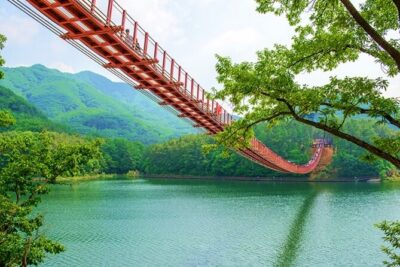 ★ 5.0Private DMZ Tour (No Shopping): 3rd Tunnel & Suspension BridgeFrom $198607 reviews
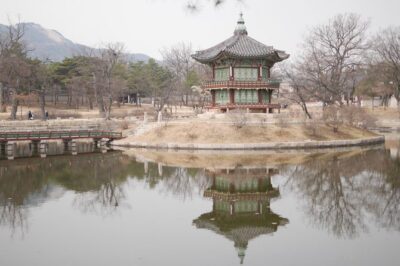 ★ 5.0Seoul City Private Full-Day Tour Including LunchFrom $220469 reviews
 ★ 5.0Private DMZ the 3rd Tunnel Tour from Seoul (optional Red Bridge)From $500429 reviews
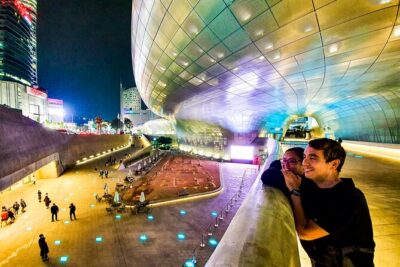 ★ 5.0Seoul Highlights & Hidden Gems Tours by Locals: Private + CustomFrom $76359 reviews
 ★ 5.0Premium Private DMZ Tour & (Suspension Bridge or N-Tower) include lunchFrom $198348 reviews
 ★ 5.0Private Airport Transfer : Incheon to/from Seoul (up to 7 pax)From $98344 reviews
 ★ 5.0Flexible Private Guided Tour in Seoul (Optional Incheon Layover)From $225323 reviews
 ★ 5.08 hours Private Tour in Seoul for the VIPFrom $500319 reviews