Reviewed · SEOUL
Discover Eastern Korea in 4days: All-Inclusive Experience
Seafood, temples, and mountains, all packed in. This 4-day Eastern Korea program strings together Busan coastal highlights, Gyeongju UNESCO sights, a hands-on culture stop, and a national park day, with meals and key tickets handled for you. You meet in Seoul, ride in an air-conditioned vehicle, and finish back in central Seoul.
I love the no-shopping approach, which keeps the focus on places and people instead of sales stops. I also like how much is covered up front, especially entrance fees and planned meals, so you can relax and spend your energy on enjoying the sights.
One thing to watch: if your group ends up being smaller or split, your transport plan can change. In one experience, the tour structure led to taking the KTX to Busan on your own, and that kind of detail is worth confirming early.
Key things to know before you go

- All entrance fees are included, including the Songdo Cable Car ride and major cultural site stops.
- Meals are mostly covered, with 3 breakfasts, 4 lunches, and 2 dinners planned.
- A true no-shopping setup, so time goes to markets, temples, museums, and nature.
- Small-to-mid group feel, with a maximum of 35 people.
- Guides are a major part of the value, with praise for leaders like Mr. Jay and Mark.
- Good weather matters, since the Seoraksan National Park day is weather-dependent.
Price and what $1,200 really buys you
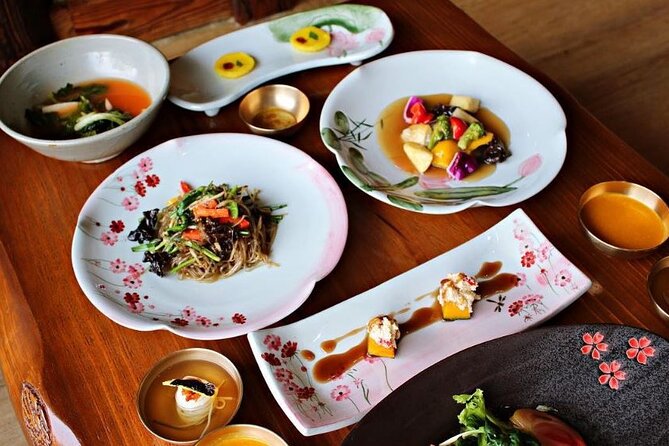
At $1,200 per person, this tour costs more than the do-it-yourself route for a simple reason: you are paying for a bundle. You get 3 nights of lodging, an English-speaking guide or driver-guide, an air-conditioned vehicle, multiple included meals, and entrance fees for the key sights. If your travel style is, I want someone else to handle the tickets and timing, this bundle makes sense.
You also get something harder to price: a ready-made route from Seoul into Eastern Korea and back. With a 4-day schedule that hits Busan, Gyeongju, Andong, and Seoraksan National Park, this is the kind of plan that can be time-consuming to piece together on your own, especially when you want the big sites without the daily logistics stress.
The tour includes a wellness facility designated by the Korea Tourism Organization, which adds variety beyond temples and museums. The exact wellness details are not specified here, so treat it as part of the itinerary experience, not a guaranteed spa-style day you can plan around.
A few more Seoul tours and experiences worth a look
Day 1 in Busan: Jagalchi Market seafood and the Songdo Cable Car glide
Your first big stop is Jagalchi Market, one of Busan’s signature places for fresh seafood. You’ll spend about an hour walking through rows of stalls, with the kind of sensory overload that makes Korea markets fun, especially if you like seeing ingredients before they become a meal. Lunch is included, and it’s a good way to sample Korean flavors without turning the day into a hunt for what to eat.
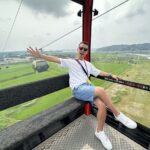
Then comes the coast-side payoff: the Songdo Sea Cable Car, a roughly 1.6 km ride from Songdo Beach Station to Songdo Sky Park. The time on the cable car is listed as about 2 hours including the full experience, and the ticket is included. This is the part of the day where your camera roll will earn its keep, because you are viewing the shoreline from above rather than standing at street level.
How to enjoy this day more:
- Wear shoes you can walk in easily, since markets and cable car areas mean a lot of short steps.
- If you’re picky about views, go prepared for changing coastal conditions, since sea days can feel cooler and windier than you expect.
If you’re coming into Busan for the first time, Day 1 gives you a strong combo: local food energy first, then a scenic ride to reset your eyes.
Day 2 in Gyeongju: Nurimaru APEC House, Bulguksa, tombs, and observatory views
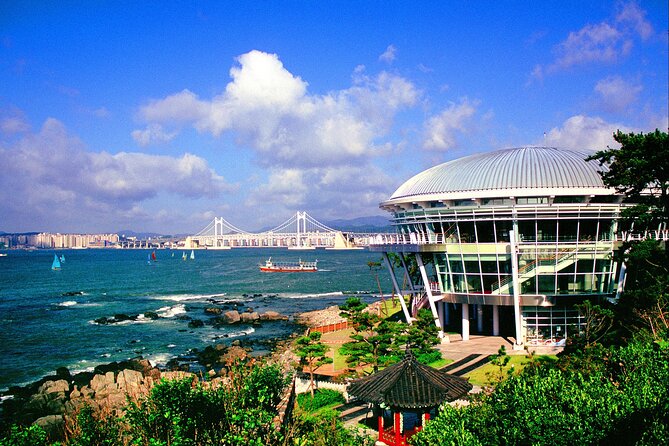
Day 2 starts with a seaside-modern highlight at Nurimaru APEC House on Dongbaekseom Island. This venue hosted the 2005 APEC Summit, and the stop is about an hour with admission free. Even if you’re not a conference history person, the location helps. You get the sense of Korea as both modern and outward-looking, then you’re quickly on the move toward older worlds.
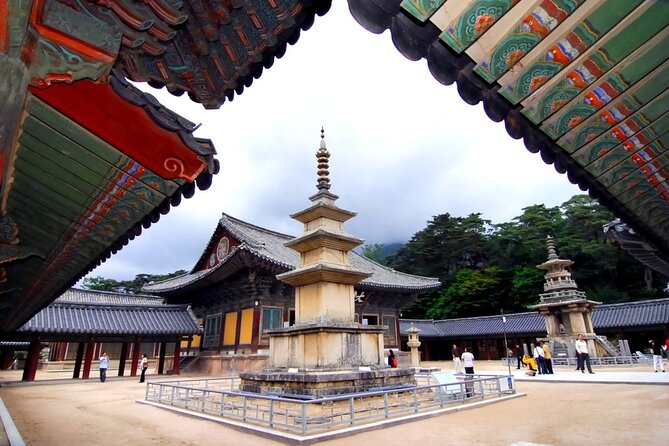
From there, the tour shifts fully into classic Gyeongju territory with Bulguksa Temple, a UNESCO World Heritage site. You’ll have about 1 hour 30 minutes here, and admission is included. Bulguksa is a serious stop, not a quick photo stop, so give yourself time to look at details and let the scale sink in.
Next: Daereungwon Tomb Complex. This is where the itinerary turns “pretty architecture” into royal-world context. The listed focus is on large royal burial mounds and relics, including elaborate gold crowns. The stop is about 1 hour, and admission is included, so it’s built for a guided understanding rather than a rushed walk.
Then you get the artifacts in a more controlled setting at the Gyeongju National Museum. You’ll spend about 1 hour 30 minutes, and admission is included. Expect iconic pieces described around golden crowns and masterpieces from around a thousand years ago. If temples and tombs feel hard to decode, museums are where the story becomes easier to hold.
You finish with Cheomseongdae Observatory, a beloved symbol of Gyeongju. The stop is short, about 20 minutes, with admission free. Think of it as a neat capstone. You get one final “how did they track the sky?” moment before the day ends.
What makes this day valuable is balance. You get ocean air at the start, then you move through UNESCO temple architecture, royal burial context, museum artifacts, and an astronomy landmark. It’s a lot, but it stays focused on big, iconic anchors.
Day 3 culture day: dessert-making at Momyeongjae and UNESCO Hahoe Village in Andong
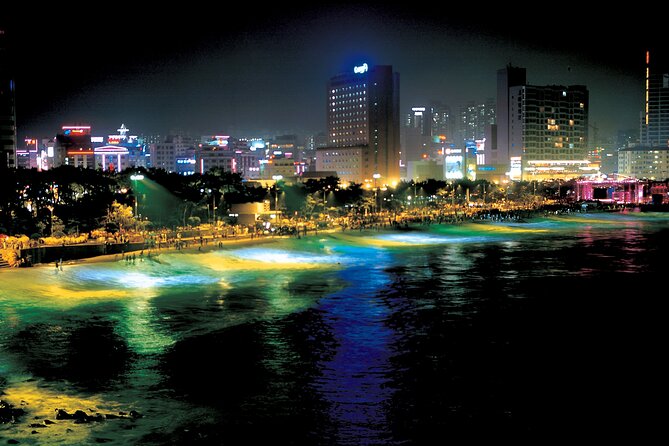
Day 3 starts with one of the most interactive parts of the whole program: a traditional dessert-making experience at Korean Traditional Culture Center, specifically labeled under Momyeongjae. The session runs about 1 hour 30 minutes, and admission is included. This is the kind of stop that changes how you remember a place, because you take skills home as muscle memory, even if you don’t get a recipe packet.
If you like learning through doing, this is the day segment worth building your energy around. Traditional food activities also tend to work well for mixed groups, since everyone participates and the pace is managed.
After that, you head to Andong Hahoe Folk Village, a UNESCO World Heritage Site. The tour time here is about 2 hours, and admission is included. The focus is on preserved traditional village life with more than 600 years of history, and it’s described as a living cultural setting rather than a static exhibit.
Practical advice for this kind of village stop:
- Bring sunscreen even if it looks mild, since village walking is often longer than it seems.
- Slow down for small details. In places like this, the charm is in what’s still used or understood the old way, not just in big-ticket photos.
Day 3 is where the itinerary softens. You still have structure, but it feels more human and less about clocking attractions.
Day 4 Seoraksan National Park: Jujeongol Valley for dramatic rock and clear streams
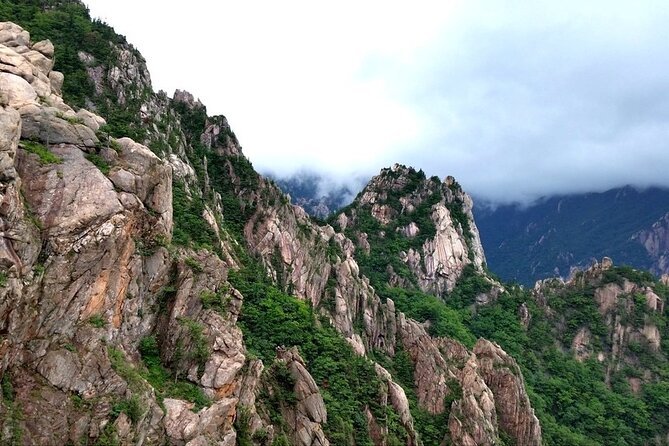
The final day moves into nature at Seoraksan National Park. The stop is set in Jujeongol Valley, described with dramatic rock formations, soaring peaks, and crystal-clear streams. The time on-site is about 2 hours, and admission is free.
The tour notes that you greet the morning in Pyeongchang, then make your way toward the park. This day is where you’ll feel the “moderate physical fitness level” note most clearly. You do not need to be an athlete, but you do need to be comfortable walking on uneven terrain and taking a hike pace when the group is moving.
Because the experience requires good weather, you should treat Seoraksan as a weather-dependent highlight. If conditions are poor, the tour offers a different date or a full refund, so your planning has built-in protection.
If your ideal trip includes outdoor time that isn’t only a viewpoint, this is the segment to lean into. It’s also a good way to balance the earlier days of markets, temples, and museums.

Hotels, guides, and how the group day feels in real life
You’ll have 3 nights of accommodation in twin or double rooms, with the hotels placed as part of the itinerary. The included meals and tickets mean fewer “what do we do next?” moments, and that’s a big part of why people rate tours like this well for comfort.
Guide quality is another theme in the feedback. One experience praised Mr. Jay for tending to everyone’s needs, keeping the group informed, managing expectations, and being amusing while doing it. Another praised a guide named Mark for being professional, with the driver support described as top class. Those names matter because they point to what you should look for when choosing a guided tour: not just a route, but a person who manages timing, communication, and the small frictions that pop up in any group trip.
Group size helps too. With a maximum of 35 travelers, the tour should feel coordinated rather than chaotic. That said, one caution from a less-perfect experience is that small-group dynamics can change logistics. If you want the smoothest ride, confirm how your transport to and from key regions will work for your specific group size.
Also, your tour uses mobile tickets, which is convenient if your phone battery is strong and you’re comfortable keeping your ticket info handy.
Food focus and why the no-shopping rule matters
The tour highlights Korean food diversity and traditional tasting, and it also explicitly states there is no shopping and no optional shopping stops. For many people, that’s the difference between a trip that feels like sightseeing and a trip that feels like a sales run.
Meals are included often enough that you can count on not spending every lunch and dinner searching for the right place. You get breakfast 3 times, lunch 4 times, and dinner 2 times. That structure can make the schedule feel more comfortable, especially if you’re not fluent in Korean and you prefer not to gamble on menus at random.
The best approach is to treat the included meals as part of the cultural experience, not just convenient fuel. Eat what’s unfamiliar, ask quick questions if your guide encourages it, and use markets like Jagalchi as your “food context” day.
Who this tour is best for, and who should think twice
This works especially well if you want:
- A guided route through Busan, Gyeongju, Andong, and a national park day
- Built-in tickets and entrance fees, plus frequent included meals
- Less time chasing logistics and more time enjoying the day plan
- A mix of food, culture, and outdoors, with no shopping pressure
It may not be ideal if:
- You are highly sensitive to transport detail. As noted, a small-group situation led to the tour requiring independent KTX travel into Busan. If you want zero self-managed travel legs, ask the provider how your routing will work for your exact group.
- You hate any schedule structure. This is designed as a full program, not a loose collection of “optional” stops.
For families, the tour is described as suitable for travelers of all ages from 1 to 80+. The one real physical expectation is the moderate walking involved, especially on the nature day.
Should you book Discover Eastern Korea in 4 days?
Book it if you want a high-structure, low-hassle Eastern Korea sampler with the major icons covered: Jagalchi Market, the Songdo Sea Cable Car, Gyeongju’s UNESCO trio, a traditional dessert workshop, Andong’s preserved village, and Seoraksan nature time. The best value shows up when you appreciate what’s included, especially entrance fees, lodging, and the meal plan.
I would hesitate if you need absolute certainty about every transport segment for your group size, since at least one experience pointed to independent KTX travel. If that’s you, ask upfront and get clarity in writing or in the confirmation details.
If the weather cooperates, this tour has the right ingredients for an easy, memorable run through Eastern Korea, with strong guide energy and a practical all-inclusive structure.
FAQ
Where does the tour start and what time?
The tour starts at Seoul Station, address 43-203 Dongja-dong, Yongsan District, Seoul, South Korea, with a listed start time of 8:00 am. The tour ends at AMID Hotel Seoul, 38 Insadong 5-gil, Jongno District, Seoul, South Korea.
How long is the experience, and how many nights are included?
The duration is listed as 4 days (approx.), and it includes 3 nights of accommodation.
What’s included in the price?
The price includes all entrance fees during the tour, 3 nights’ accommodation (twin or double rooms), an English-speaking guide (or driver-guide), an air-conditioned vehicle, and a mobile ticket.
Which meals are included?
Included meals are breakfast 3 times, lunch 4 times, and dinner 2 times.
Is there any shopping or shopping stops?
No. The program is described as having no option and no shopping, with meals and experiences handled as part of the itinerary.
How large is the group?
The tour has a maximum group size of 35 travelers.
What level of physical fitness do I need?
The tour lists a moderate physical fitness level as the expectation, with walking involved especially during nature time.
Is there a wellness facility visit included?
Yes. The schedule includes a visit to a wellness facility designated by the Korea Tourism Organization.
What happens if the weather is bad or I need to cancel?
The tour requires good weather. If it is canceled due to poor weather, you are offered a different date or a full refund. For cancellation, you can cancel up to 6 days in advance for a full refund, and cancellations 2 to 6 days in advance are listed as a 50% refund. Less than 2 days before the start time is listed as no refund.