
Reviewed · SEOUL PALACE & ROYAL HERITAGE TOURS
Deoksugung & Jeongdong-gil: A Walk in Korea’s Rich Heritage
Some streets in Seoul explain the whole country. This walk links late 19th to early 20th century Korea to what you see today, with stops that connect politics, culture, and daily life around Deoksugung Palace and Jeongdong-gil. I like that the route is guided, so the big names and dates turn into something you can picture. I also like the mix of palace grounds, a museum tied to education, and a theater break that keeps the pace human. One consideration, it is weather-dependent and you will be moving on foot for about 3 hours.
You’ll start at Deoksugung Palace at 99 Sejong-daero (Jung-gu) at 9:30 am, then work your way toward Cheonggyecheon Stream in Jongno-gu. The tour runs with a small group (max 15), uses a mobile ticket, and includes an English-speaking guide, which matters when you want Seoul’s layers explained clearly. You’ll also get multiple free stops listed on the plan, so you can focus on seeing, not nickel-and-diming your budget.
Key things to notice before you go
- Deoksugung and Gyeonghuigung back to back means you compare palace styles and eras quickly
- Appenzeller Noble Memorial Museum connects missionary-era education to a modern university story
- Jeongdong Theater stop gives you a real break for coffee, drinks, and the restroom
- Jungmyeongjeon Hall’s 1899 to 1904 timeline shows how one site shifted roles in a crisis
- Gwanghwamun Square as a modern finish helps you feel the Seoul before you leave the center
Why this Deoksugung to Cheonggyecheon route works
This tour is built like a “what you’re looking at, and why it matters” lesson you can walk through. Instead of doing one landmark and moving on, you bounce between several meaningful places that sit close together in central Seoul. That gives you a better sense of scale, plus you start to recognize the geography that shapes the city.
The timing also helps. You spend short, focused blocks at each stop, then move along. For first-timers, it’s a fast way to get your bearings. For repeat visitors, it’s a way to pick up context without needing a full day of museum-hopping.
A big value here is the English guide. Seoul can be visually stunning, but history is only half the story. With an experienced local guide, details like why a hall became an imperial library, or what happened after a fire, start to click. Past groups have specifically mentioned a guide named Sam for fun, clear explanations that make this kind of history feel approachable.
One more practical point: the stops include time to use restroom facilities, and Jeongdong Theater is clearly set up for that, with coffee or drinks available. That makes the walk feel easier to manage, especially if you have a morning schedule.
You can also read our reviews of more walking tours in Seoul


Deoksugung Palace: more than a pretty palace gate
Your first stop is Deoksugung Palace, also known as Gyeongun-gung. It’s in the heart of Seoul, so you get immediate payoff: palace atmosphere while still being in the middle of the city’s modern rhythm. The plan gives you about 20 minutes here, which is enough time to understand what the palace represents without turning this into a marathon.
Deoksugung matters because it reflects a time when Korea was navigating power and identity changes. The palace is described as being built during the Joseon Dynasty and it served as a residence. That might sound simple, but the key is that you are looking at a seat of authority. When a place like this is repurposed, or experiences major events, you can see that shift in the story the site tells.
What I like about starting here is that it anchors everything that follows. When you later reach Jungmyeongjeon Hall, the timeline will feel more grounded because you’ve already set the setting in your mind. And because this start is so central, you can keep your day flexible after the tour, instead of needing a long commute.
If you’re the type who prefers quiet time, plan for it. Palaces can feel busy around popular hours, and this is a walking tour format. Still, the structure keeps you moving with purpose, not wandering.
Gyeonghuigung Palace: a second palace that changes the viewpoint
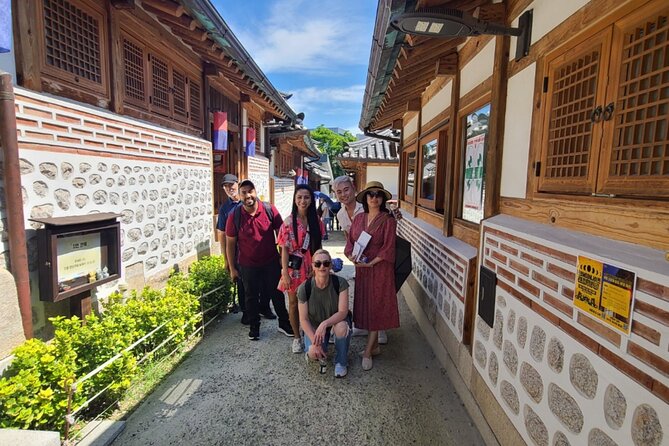
Next comes Gyeonghuigung Palace, also known as Gyeonghui Palace, in Jongno-gu. This is another Joseon Dynasty palace site, built in 1623 as the residence of a royal figure. The point of giving you a second palace stop close by is comparison.
With only one palace, you might walk away with a general impression. With two, you start to notice how Korean architecture and palace planning can express different roles and time periods. Even in a short visit (about 20 minutes), the guide can point out how these sites relate to the larger story of Seoul’s center.
This stop also helps break up the day so you do not feel stuck in the same visual theme. Palaces are beautiful, but after a while, details can blur together. A second palace resets your eyes. It also gives you a better feeling for the neighborhood around Jongno, which is where so many important layers of Seoul are packed close.
Appenzeller Noble Memorial Museum: education history you can actually picture
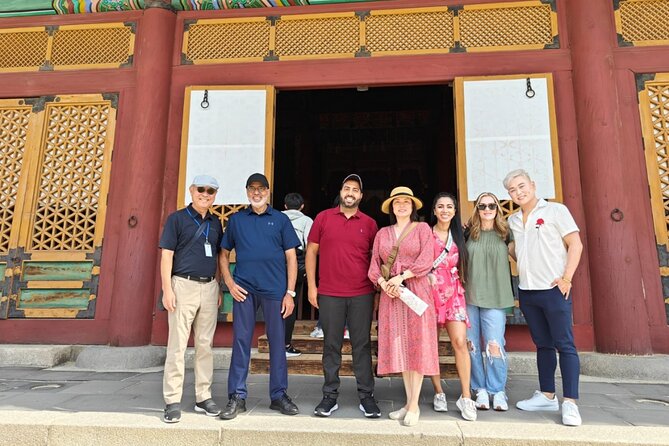
Then you shift gears to the Appenzeller Noble Memorial Museum. This stop is only about 10 minutes, but it gives you a different angle on the late 19th to early 20th century era. Here, the story is not only about royal power. It’s about people, learning, and cultural exchange.
The museum tells the history of Baekjae Hakdang, described as a missionary school that later expanded into a university. The plan notes that this institution is now known as Pai Chai University in Daejeon. That connection matters because it shows how education changed over time and how outside influences interacted with Korean institutions.
For readers who worry that “history tours” can become too political, this is a smart balance. It anchors history to daily life: classrooms, teachers, and the long-term impact of what people built and taught. It also makes the tour feel less like a checklist, more like a story that moves across society.
A practical tip: since the stop is short, be ready to skim quickly but listen carefully. You’ll get more from the guide’s highlights than from trying to read every panel at speed.
Jeongdong Theater: culture break, coffee, and a reset
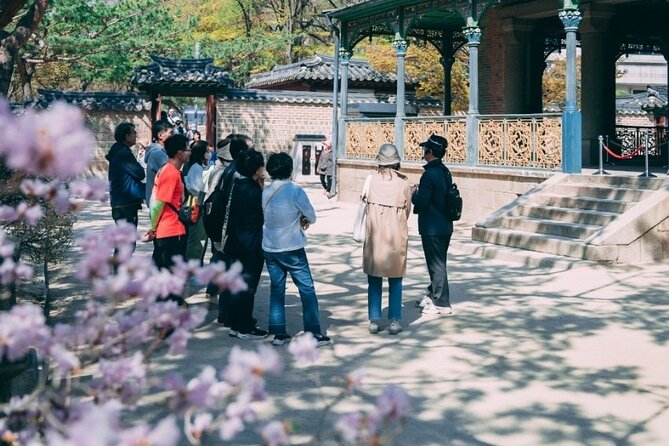
After palaces and a museum, the tour adds a stop at Jeongdong Theater. You spend about 25 minutes here, and the plan is very clear about why: it is a theater where you can find concerts, plays, and musicals that incorporate elements of traditional Korean culture. Most importantly, this is your built-in break for coffee or other drinks and for the restroom.
This is a small design choice that makes the full 3-hour experience more comfortable. Without it, palace and museum walking can feel relentless. Here, the tour pauses, you get a chance to regroup, and you can return to the next historical stop without rushing.
If you’re curious about performance arts, this is also a good moment to connect the dots between cultural heritage and modern expression. The stop is not about watching a show, but about seeing where that tradition lives today. Even if you just grab a drink and use the facilities, the setting helps you broaden what counts as heritage in Seoul.
You can also read our reviews of more historical tours in Seoul
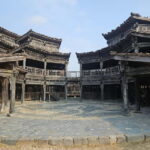
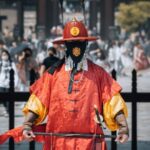

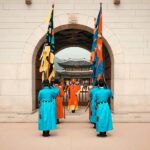

Jungmyeongjeon Hall: the imperial library story after a fire
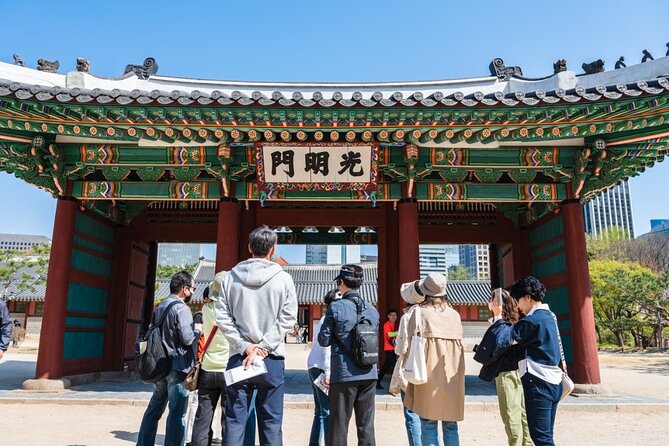
Next is Jungmyeongjeon Hall. This is one of the stops that turns timelines into real drama.
The hall is described as being built in 1899 as the imperial library of the Korean Empire. Then, after Deoksugung Palace caught on fire in 1904, this place became the temporary residence of Emperor Gojong. The plan also references it as the location tied to the infamous Eulsa Treaty.
Even if your visit is short (about 15 minutes), that sequence gives you a lot to think about. You are not just looking at a building. You are standing in a site that changed roles under pressure. It’s a reminder that architecture and power are linked, and that crises can reshape how space is used.
This is also where the guide’s explanations matter most. Facts are one thing, but the guide can connect the why, like why a library would matter enough to be part of imperial life during upheaval, and how this period reshaped Korea’s trajectory.
If you tend to focus on one theme, like politics only, try to notice the human element: a residence in a place built for knowledge. That contrast is the story.
Gwanghwamun Square and the walk to Cheonggyecheon
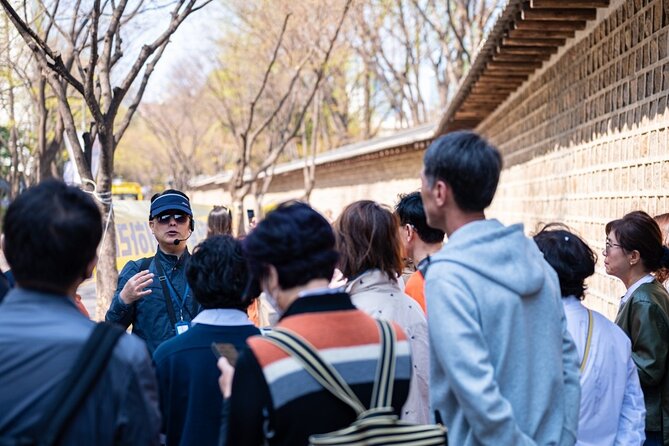
To close, you visit Gwanghwamun Square, a large public square in central Seoul built in 2009. The plan highlights features you can easily locate on arrival: a large fountain and a statue of King Sejong the Great.
I like this ending because it shifts you from enclosed historical spaces to open public life. Palaces and halls teach you how power worked. A central square teaches you how modern Seoul gathers, pauses, and shows national pride in a daily setting. For many people, this square is also a visual landmark that helps them remember where everything is when they continue exploring after the tour.
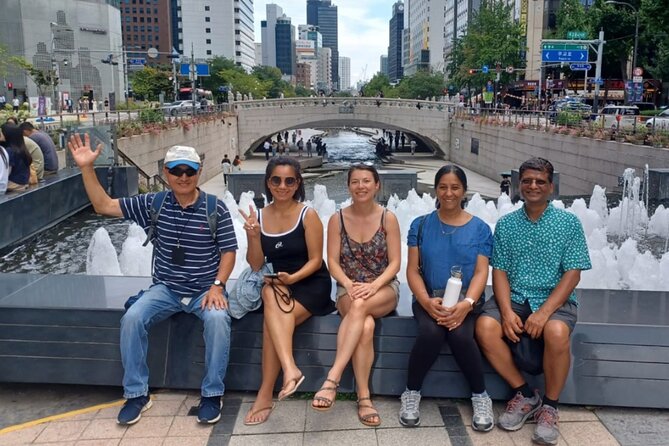
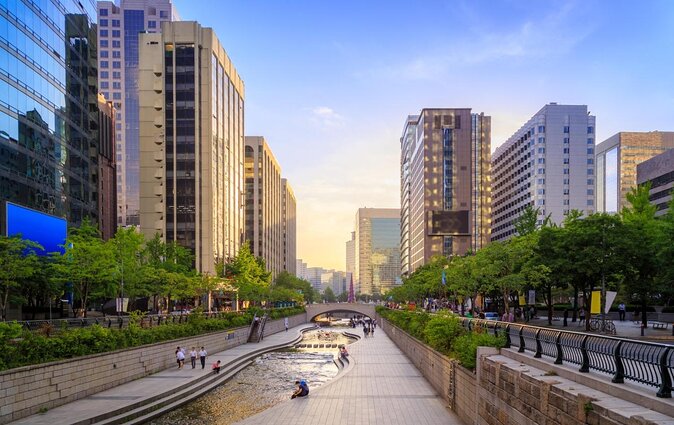
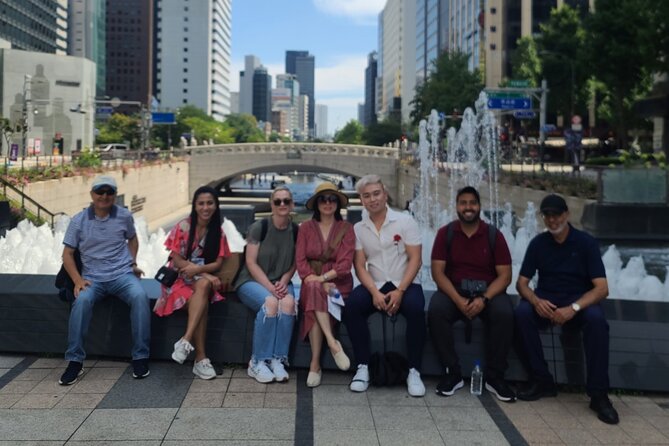
Your tour ends at Cheonggyecheon Stream in Jongno District. Finishing near water is a smart way to end a walking experience. It naturally encourages you to slow down, take photos, and keep wandering without needing to commit to another ticketed stop right away.
Price and group size: what $48 buys you in real terms
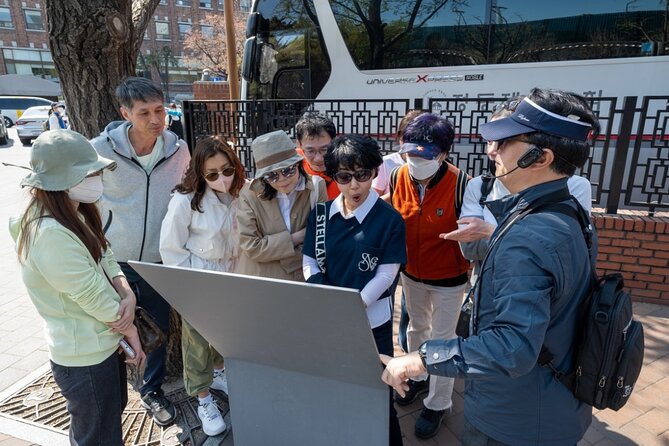
The cost is $48.00 per person for about 3 hours. That price is not just for “showing up at places.” It covers a professional English guide, and the route is designed to keep you moving between several historically connected stops without you needing to plan each segment yourself.
You also get practical value from how the stops are arranged. Multiple stops are listed with admission free on the plan, so you are mostly paying for interpretation, not entry fees. Add in the small group size (max 15), and you usually get better attention from the guide than on larger mass tours.
Is it budget? It’s midrange, but it can be a strong value if you like context. If you prefer to self-tour with a guidebook only, you might feel the cost less justified. But if your goal is to understand what you’re looking at, the guide makes the difference.
My rule of thumb: if you want a fast, reliable Seoul orientation built around history and city layout, this is a good fit for your morning.
Who should book this walk, and who might skip it
This tour fits you best if you want a focused slice of Seoul that connects late 19th to early 20th century themes to landmarks you can still see today. It is also ideal if you appreciate a mix of sites, palace grounds plus an education museum plus cultural performance space, all in a compact route.
You might skip it if:
- you hate walking and would rather do fewer stops with longer time at each one
- you already know this specific historical period well and want more depth at fewer locations
- you are looking for lunch or food included, because lunch is not part of the plan
If you like practical pacing with real restroom and drink time, this design feels thoughtful. Jeongdong Theater is there for a reason.
Should you book Deoksugung & Jeongdong-gil?
I think you should book this tour if you want a smart introduction to central Seoul that goes beyond photos. The biggest strength is that the guide can connect the dots across palaces, a museum tied to education history, and the way key events shaped what the buildings became. Ending near Cheonggyecheon also helps you continue exploring afterward without getting stuck.
Book it with confidence if you have a free morning around 9:30 am and you can handle a 3-hour walk. Also check the weather. The tour notes it requires good weather, and if it is canceled for poor conditions, you are offered a different date or a full refund.
If you want an easy, history-forward way to get oriented, this route is a solid choice.
FAQ
How long is the Deoksugung & Jeongdong-gil tour?
It lasts about 3 hours.
How much does the tour cost?
The price is $48.00 per person.
What is included in the tour price?
It includes a professional English tour guide. The tour also uses a mobile ticket.
Where does the tour start and end?
It starts at Deoksugung Palace, 99 Sejong-daero, Jung District, Seoul, and ends at Cheonggyecheon Stream, Jongno District, Seoul.
Is lunch included?
No, lunch is not included.
Is there admission cost for the stops?
The itinerary lists free admission for the stops it covers.
What happens if weather is bad?
The experience requires good weather. If it is canceled due to poor weather, you will be offered a different date or a full refund.
Can I cancel for a full refund?
Yes. You can cancel up to 24 hours in advance of the experience start time for a full refund.
More Historical Tours in Seoul
More Walking Tours in Seoul


More Tour Reviews in Seoul


Not for you? Here's more nearby things to do in Seoul we have reviewed


Seoul Palace & Royal Heritage Tours, compared.
 ★ 4.9Gyeongbok Palace, Bukchon Village, and Gwangjang TourFrom $322,321 reviews
 ★ 5.0Best Seoul City Tour (Gyeongbokgung Palace,Insadong,Namsan Tower)From $581,647 reviews
 ★ 5.0Small-Group Royal Palace and Seoul City Tour (hotel pick-up)From $561,474 reviews
 ★ 5.0Seoul City Sightseeing Tour Including Gyeongbokgung Palace, N Seoul Tower, and Namsangol Hanok VillageFrom $801,423 reviews
★ 5.0Gyeongbok Palace, Bukchon Village, and Gwangjang TourFrom $321,044 reviews
 ★ 4.7Seoul Highlights: Gyeongbok Palace, Insadong & N Seoul TowerFrom $26726 reviews
 ★ 4.6Hanbok Rental with Gyeongbokgung Palace EntryFrom $6611 reviews
 ★ 4.5Seoul City Half Day Tour-Gyeongbok Palace Guard Changing CeremonyFrom $38357 reviews
Browse the lists this tour appears in