
Reviewed · SEOUL TEMPLE TOURS
Danyang Tour:Guinsa Temple & Bobaljae & Cheongpung Cable Car
Mountains and temples make this day trip work. You’ll see Guinsa Temple, Korea’s largest, then ride the Cheongpung Hoban Cable Car for sweeping views over Cheongpungho Lake. I especially like that the day includes a real taste of monastic life with free vegetarian temple food.
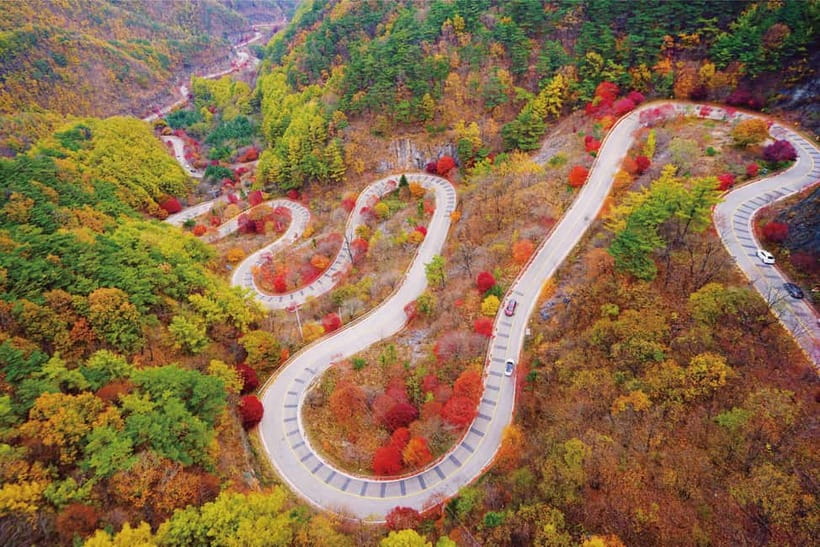
You also get a scenic driving segment to Bobaljae Observatory, plus photo time along Bobaljae Road, which turns gorgeous in fall. One catch: expect a fair bit of walking and stairs at the temple, so comfortable shoes are a must.
Key things I’d plan around
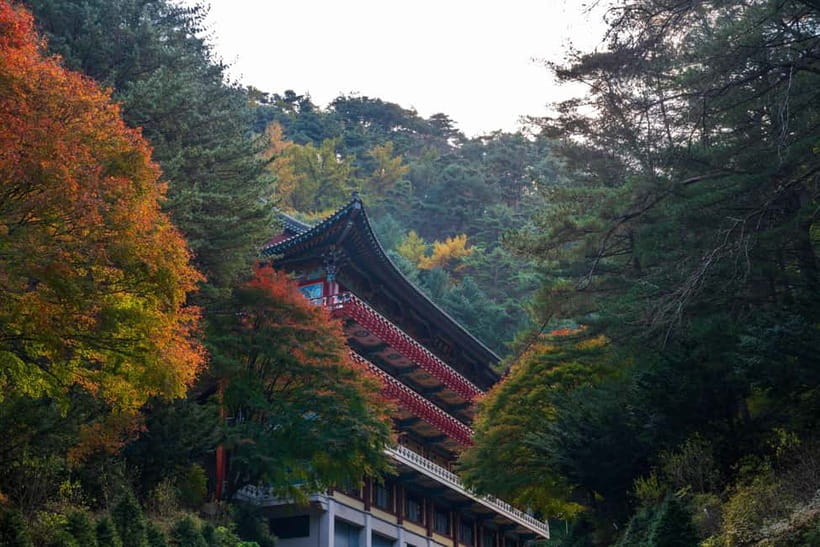
- Guinsa Temple, the largest in Korea, with plenty of time to look and take photos
- Free vegetarian temple food, a fun way to experience temple culture firsthand
- Bobaljae Observatory photo stop, plus scenic driving along Bobaljae Road in autumn
- Cheongpung Hoban Cable Car, a dynamic ride with big views of Cheongpungho Lake
- Round-trip transfer from Seoul, because this part of the country is tough by public transit
- Guide-led storytelling and photo help, including English support from guides like Yohan, Jun, Michael, and Mario
Why Danyang feels like another Korea from Seoul
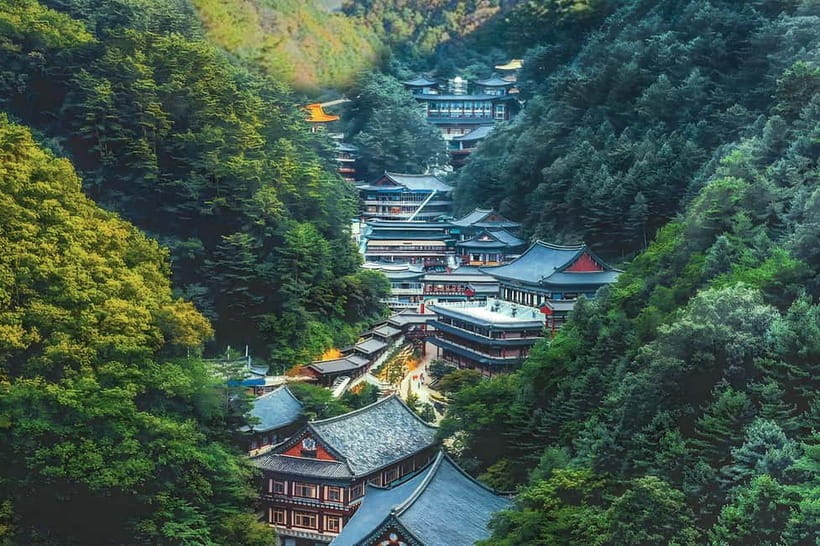
Danyang is the kind of place that makes you understand why Koreans call certain areas a reset button. Instead of city pace, you get wooded roads, mountain air, and stops that feel spread out for a reason: they’re tucked away from the main routes.
This tour is designed for exactly that. You start in Seoul with round-trip transfers, so you do not have to wrestle with multiple connections to reach a region that is difficult to visit by public transportation from the capital. That matters because the trip is not just about checking boxes. It is about using your limited time well in a faraway corner of South Chungcheong Province.
I also like the balance of the day. You get culture, viewpoints, and one energetic activity that gets you off the ground, literally.
You can also read our reviews of more tours and experiences in Seoul.
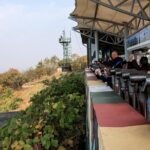
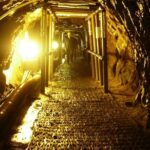
Guinsa Temple: Korea’s largest temple and a day of stairs (if you’re up for it)
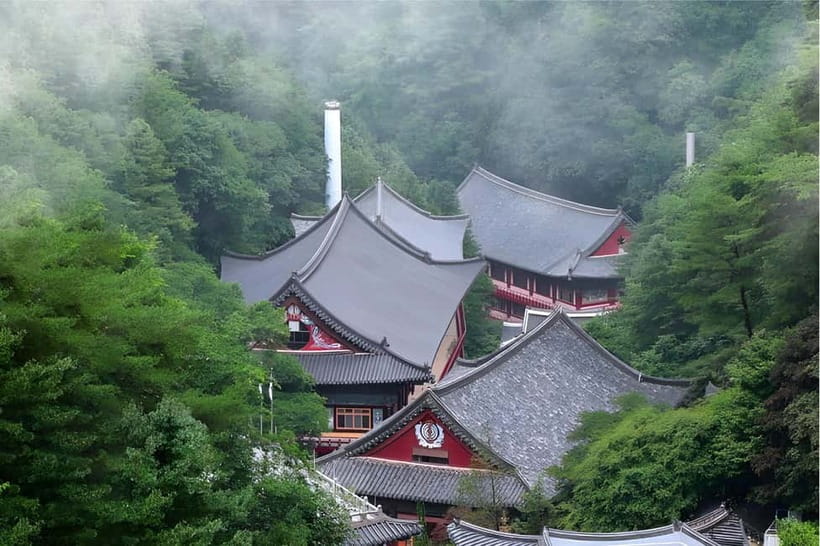
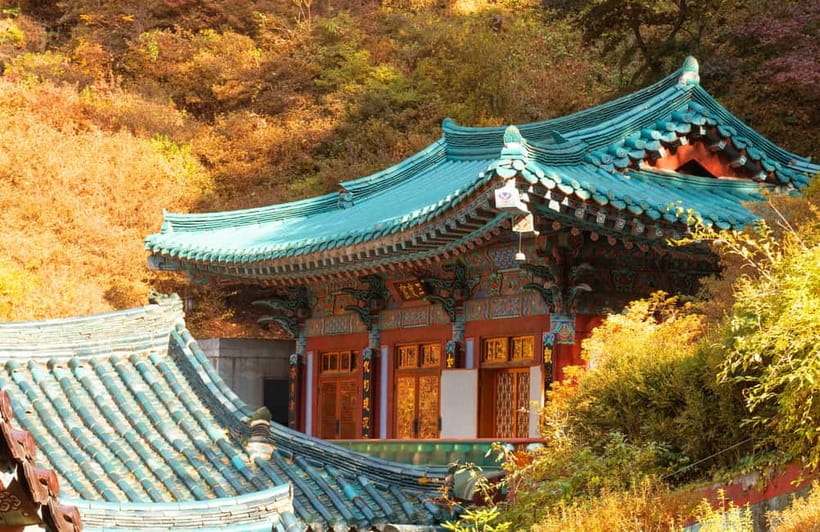
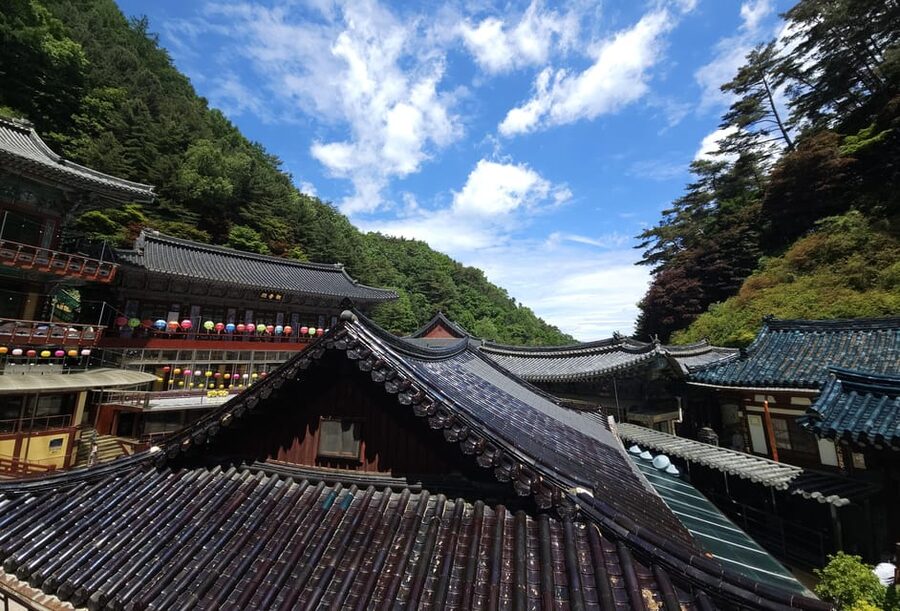
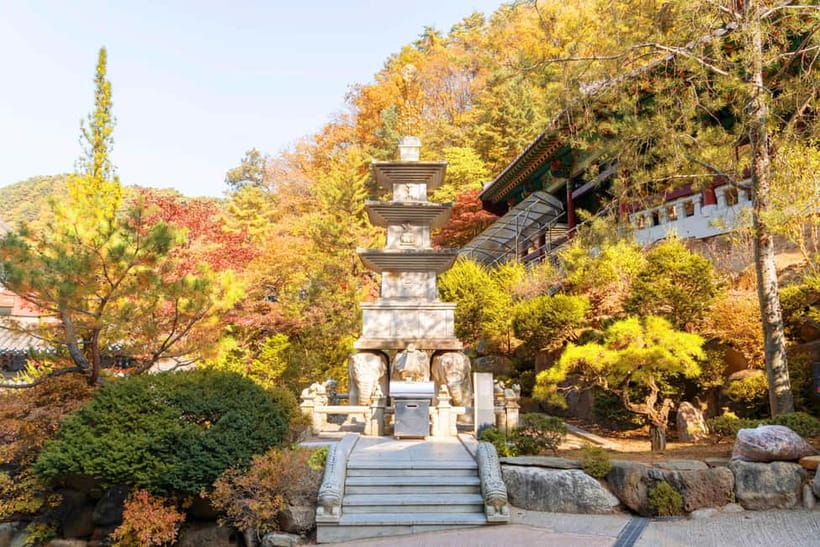
Guinsa Temple is the main reason many people pick this day trip, and it’s easy to see why. It is known as the largest temple in Korea, and the experience has that classic mountain-temple feel: buildings, pathways, viewpoints, and photo angles that keep changing as you move.
Expect a temple circuit with meaningful walking. Some areas involve stairs, so plan to take it at your own pace. If you have any knee or mobility issues, this is where you should be honest with yourself before booking. The rewards are real, but the day is not a sit-and-stroll kind of outing.
What you can look for at Guinsa
What makes Guinsa more than a single pretty shot is how the place reveals itself in layers. One guide can point out details that you might otherwise miss, and I’ve found this kind of guidance turns the temple from scenery into story.
From what I’ve heard in the experience, the day often includes time for temple views and surrounding photo spots that can include a cave area and even a film-location point of interest around the grounds. Even if you are not a film buff, those side spots are great for variety, so you don’t feel like you are repeating the same angle over and over.
Free vegetarian temple food: small, memorable, and actually useful
One of the best parts is that you can try vegetarian temple food for free. This is not just a random snack. It is a chance to see how temple meals work, and it makes the day feel more human and specific, not just scenic.
If you are coming from Seoul and you’re used to typical restaurant meals, this is a nice shift in rhythm. It also helps with planning, because the tour notes that meals and beverages are not included otherwise. So that free food can soften the day’s food costs.
How guides improve your visit
In the group, guides like Yohan, Jun, Michael, Mario, Johann, and Edward have a reputation for keeping things moving and sharing context. A standout practical benefit is photo help. If you want clean shots without chasing people around, having a guide who can help you with framing and angles saves time.
One small consideration: on the bus, it can sometimes be hard to hear details clearly depending on where you sit. If you care about every story beat, choose a seat closer to the front or where the guide’s voice carries best.
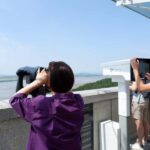
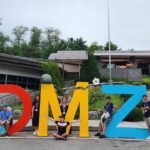
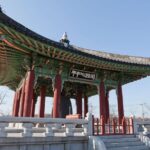
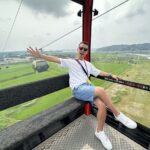

Bobaljae Road and Bobaljae Observatory: a scenic drive that turns into real photo time
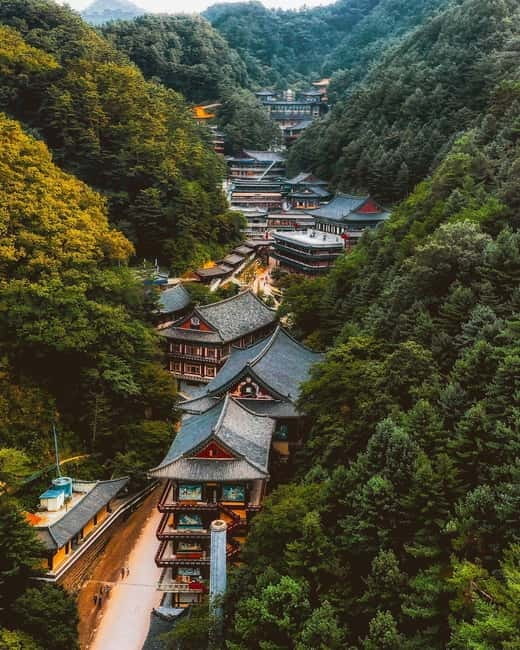
After the temple, the tour shifts from walking to “look and shoot” energy. You drive along Bobaljae Road and get a stop at Bobaljae Observatory for photos.
This is the kind of stop that pays off most if you arrive ready to linger. The observatory time is meant for pictures, so give yourself a few minutes to find your preferred angles instead of rushing the moment you step out. If it is autumn, the road is described as beautifully adorned with fall leaves, which makes the drive itself part of the attraction, not just a transfer between points.
Why this stop is valuable
It’s easy to underestimate an observatory. But in Danyang, it works because you are changing settings. After temple steps and courtyards, you switch to wide views and a calmer pace.
Also, you are not stuck staring out a window. This tour gives you actual time at a viewpoint, so you can step out, check the light, and take multiple shots without feeling like you’re cutting it short.
Cheongpung Hoban Cable Car: a high-energy ride with lake views you can’t fake
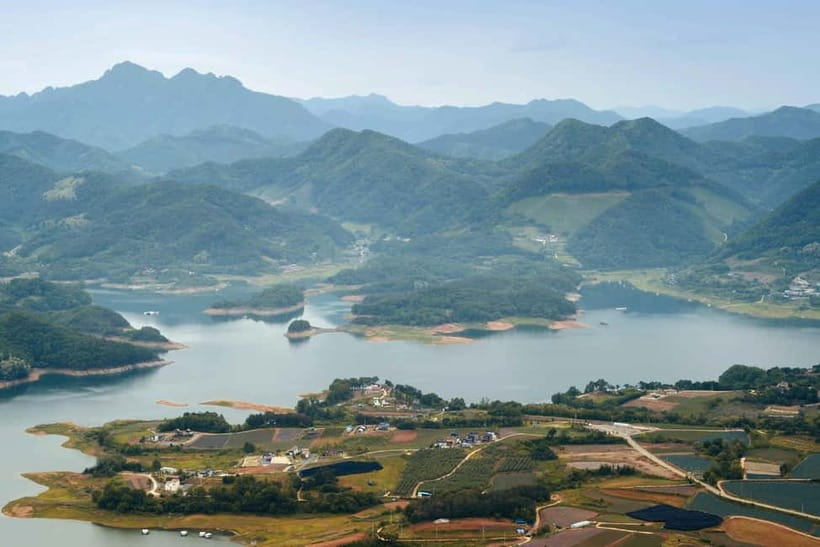
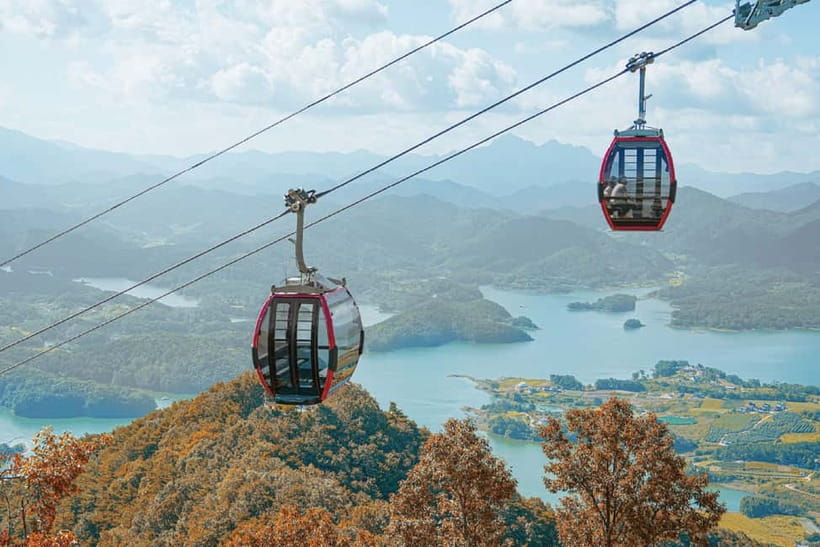
If Guinsa is about culture and walking, the Cheongpung Hoban Cable Car is about motion and big views. The ride is described as dynamic, and that word matters. You’re not just sitting in a gondola while the landscape changes slowly. The experience is meant to feel exciting, like you’re getting a new perspective with each segment of the ride.
The main payoff is the view of Cheongpungho Lake from above. For a lot of people, this becomes the photo highlight of the day because it shows the region’s shape, not just individual buildings.
Best practical advice for cable car photos
Bring your phone or camera ready, but also be realistic about timing. People will queue, turn, and reposition. I recommend using the early moments after boarding to get wide shots, then save your clearest photos for the part of the ride where the view opens up.
Also, if you are sensitive to heights or enclosed spaces, be aware that this is an aerial ride. The tour is great, but you should choose it knowingly.
Autumn makes it extra
The ride is especially impressive during autumn when foliage reaches its most spectacular stage. Even if you are traveling outside peak leaf season, you’ll still get the lake perspective, which is the core reason this stop works.
The guide team and group rhythm: why a small day trip can feel complete
A day trip lives or dies by rhythm. Here, the structure is built so you are not jumping between places at breakneck speed. You’re doing a temple, a viewpoint stop, a scenic drive, and then the cable car, so the pacing needs to balance effort and downtime.
The guides are a major part of that. You’ll have an English and Chinese speaking tour guide, and the guides I’ve heard named include Michael, Mario, Yohan, Jun, Edward, and Johann. A common theme is that they bring context to the buildings and help with practical stuff like photo timing and where to stand.
You may find the day runs smoothly with “enough time” at each main stop rather than feeling like a rapid bus tour. If you’re the type who likes to look closely at details, that matters.
And if you want to ask questions, smaller groups (as described in the experience feedback) make it easier to interact instead of shouting across a crowd.
Price and value: what $105 buys you, and what it does not
At $105 per person, this tour is not a budget shoe-string option. But it also is not priced like a private car. The value comes from the combo of things included and the reality of getting there from Seoul.
What you get included:
- Admission to the attractions (covering the main stops)
- An English and Chinese speaking guide
- Round-trip transfers from Seoul
What you do not get:
- Meals and beverages (except that you can try the free vegetarian temple food)
- Personal expenses
Here’s the honest math in plain terms. The region is difficult to reach by public transportation from Seoul, so the transfer component is not just comfort, it is the key enabler. If you were to DIY it, you could spend time coordinating trains or buses and still face uncertainty. Paying for the transfer and guide saves mental load, which is often what you are really buying with tours.
Also, the day includes a temple experience plus a cable car ride, and those are not activities you want to scramble to arrange at the last minute.
If you plan your spending around the fact that meals are not included, the price starts to feel fair for a full day with transportation and guided access.
Who this tour suits best, and who should reconsider
This tour fits you well if you want:
- Culture and history without doing long planning
- A temple day that includes time for photos and explanation
- A scenic component with fall scenery
- A real “wow” activity, the cable car over Cheongpungho Lake
- A day that runs from Seoul with minimal hassle
You should think twice if:
- You have limited mobility or fatigue tolerance due to temple stairs and walking
- You prefer fully self-paced travel with no group timing
- You expect meals to be provided, since meals and beverages are not included (aside from the free vegetarian temple food)
If you’re traveling solo, this can still work well because it is structured and guided. If you’re traveling with friends, a group day like this helps everyone agree on stops and photo breaks without debate.
Practical tips so your day goes smoothly
Here are the small things that make this tour feel effortless instead of stressful:
- Wear comfortable shoes with grip. The temple involves walking and stairs, and you’ll be glad you did.
- Bring a light layer. Temple areas and mountain air can feel cooler, and buses can be uneven with temperature.
- If you care about the guide’s commentary, sit where you can hear more clearly. In at least one experience, hearing details on the bus was sometimes a challenge.
- Plan for snacks or budget for meals. Meals and beverages are not included, so don’t assume you’ll have a full meal break.
- For photos, keep your camera accessible. At Guinsa and Bobaljae, the best shots often require stepping into the right spot quickly.
Should you book Danyang Tour: Guinsa Temple, Bobaljae, and Cheongpung Cable Car?
I’d book it if you want a guided day that combines Korea’s famous temple culture with a genuine viewpoint payoff, all without the stress of figuring out regional transport from Seoul. The strongest reasons are the largest-temple visit at Guinsa, the free vegetarian temple food, and the energetic Cheongpung Hoban Cable Car ride over Cheongpungho Lake.
Skip it only if stairs and walking would be a problem for you, or if you hate group pacing. If you’re comfortable with a “see a lot, walk some, take lots of photos” day, this tour is a solid use of time in South Chungcheong Province.
FAQ
What is included in the Danyang tour?
The tour includes admission to the attractions, an English and Chinese speaking tour guide, and round-trip transfers from Seoul.
Does the tour include meals or beverages?
Meals and beverages are not included. You can try vegetarian temple food for free at the temple.
Are round-trip transfers provided from Seoul?
Yes, the tour includes round-trip transfers from Seoul.
What language is the tour guide?
The tour guide speaks English and Chinese.
Is there a lot of walking or stairs?
Yes. Some attractions involve considerable walking and stairs, so comfortable shoes are recommended.
How many people are needed for the tour to run?
The tour requires a minimum of 4 participants to depart. If that minimum is not met 48 hours before departure, the tour is cancelled and you are notified.
Can I cancel and get a full refund?
You can cancel up to 24 hours in advance for a full refund.
What is the booking option if I want flexibility?
You can reserve and pay later, meaning you can book your spot and pay nothing today.
More Tours in Seoul
More Tour Reviews in Seoul
Not for you? Here's more nearby things to do in Seoul we have reviewed


Seoul Temple Tours, compared.
 ★ 4.7Mt Seorak + Naksansa Temple or Nami Island Group TourFrom $68422 reviews
 ★ 5.0Best Things to Do – Half Day Seoul Trip (Seoul Palace & Temple)From $38190 reviews
 ★ 4.5Mount Seorak and Naksansa Temple One Day Tour from SeoulFrom $71167 reviews
 ★ 5.0Day Tour of Suwon Hwaseong Fortress Starfield Waujeongsa TempleFrom $5461 reviews
 ★ 5.0Half day Morning Seoul City Tour(Temple & Gyeongbok Palace)From $3254 reviews
 ★ 4.5Korean Palace and Temple Tour in Seoul: Gyeongbokgung Palace and Jogyesa TempleFrom $4038 reviews
 ★ 5.0Private Seoul City Tour Palace, village, temple, marketFrom $26121 reviews
 ★ 5.0Korea Temple & Starfield Library Gangnam K-BBQFrom $4620 reviews
Browse the lists this tour appears in